Landforms of South America

Pico da Neblina: Brazil's Pinnacle of Wilderness and Cultural Heritage

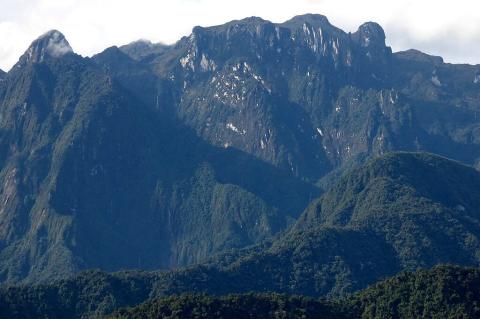
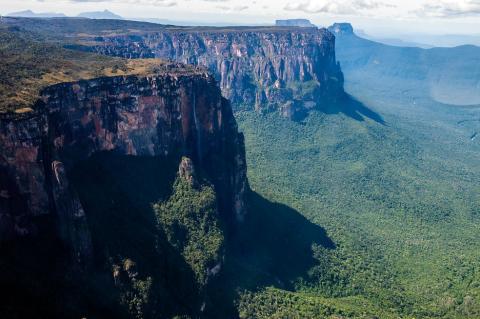
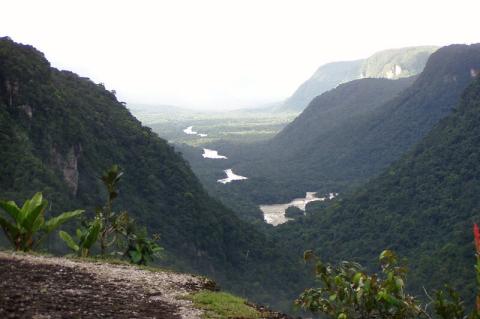
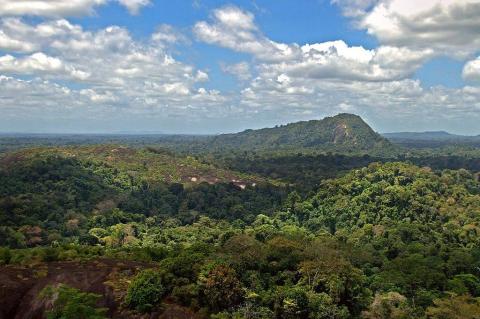
Pico da Neblina National Park, located in the far north of Brazil, is a remote and ecologically significant area encompassing Brazil's highest peak, Pico da Neblina. This vast park, bordering Venezuela, is part of the larger Amazon Rainforest biome and remains one of Brazil's most pristine and biodiverse regions. With limited human access and deep cultural ties to Indigenous peoples, the park represents an important symbol of conservation, environmental diversity, and natural beauty.

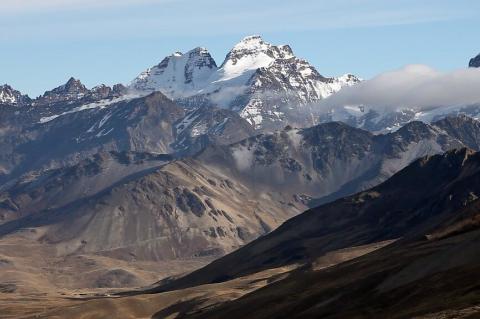
Puna de Atacama: An Arid Collage of High Plateaus, Peaks, and Indigenous Heritage

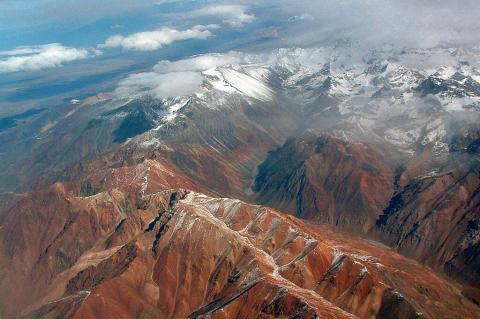
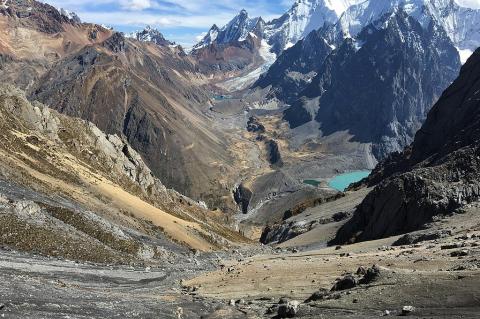
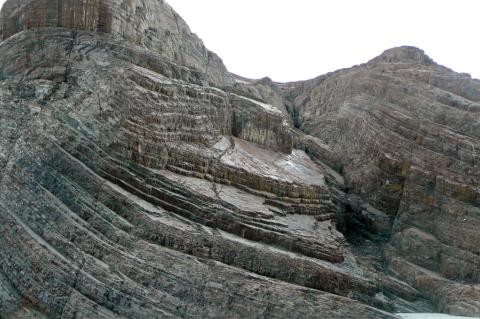
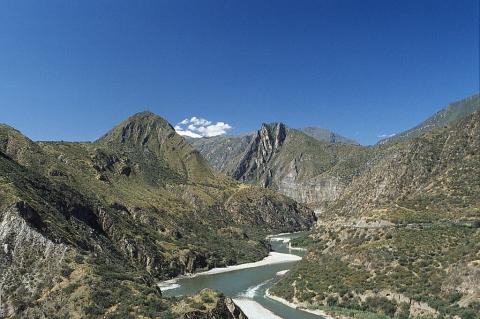
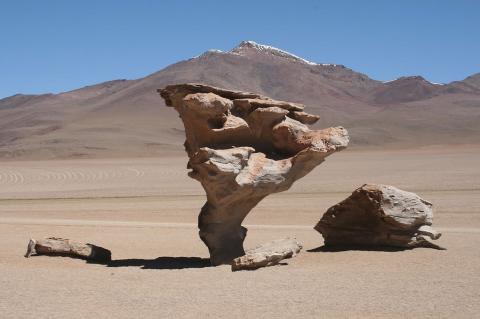
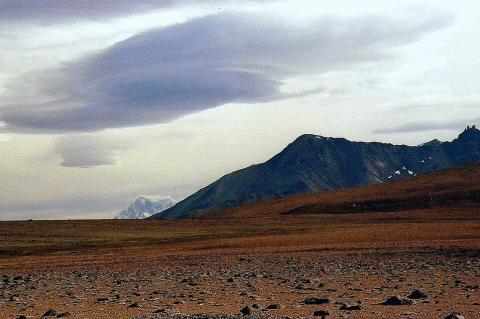
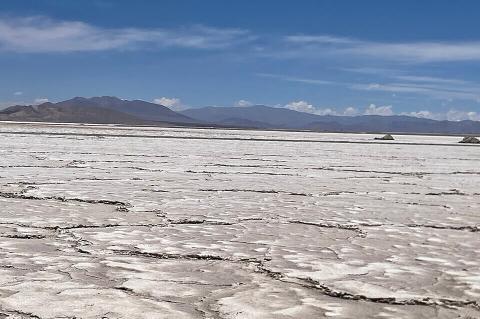
Nestled in the Andes Mountains of South America, the Puna de Atacama is a testament to nature's mesmerizing contrasts, from its cold, desolate high plateaus to the deep river valleys that carve through its eastern expanse. This vast and arid landscape, situated in the southernmost part of the Andean Altiplano, has geographical and cultural significance, stretching across northwestern Argentina and adjacent regions of Chile.

Purus River: Lifeblood of the Southwestern Amazon

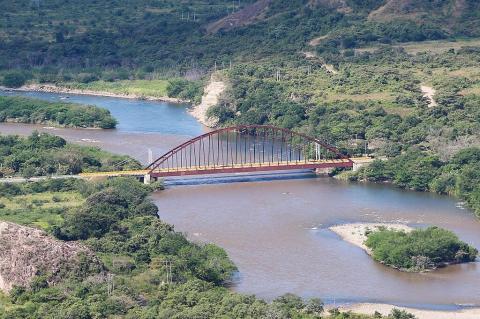
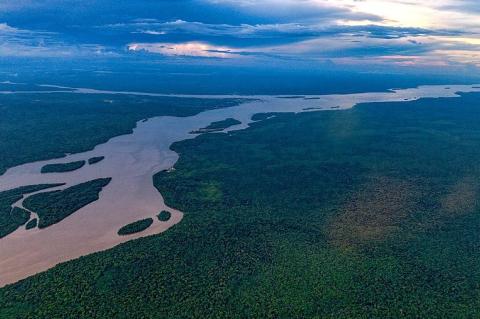
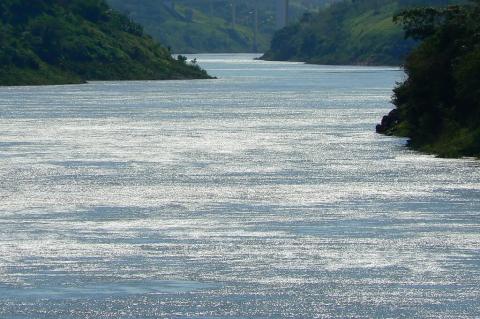
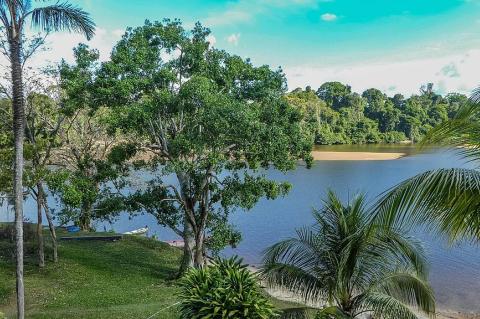
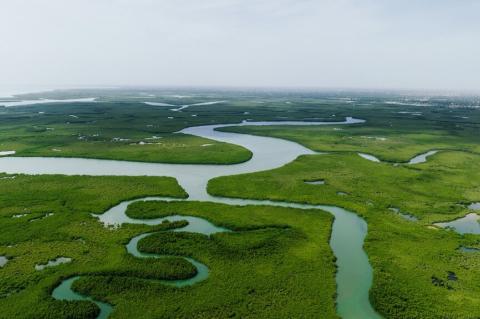
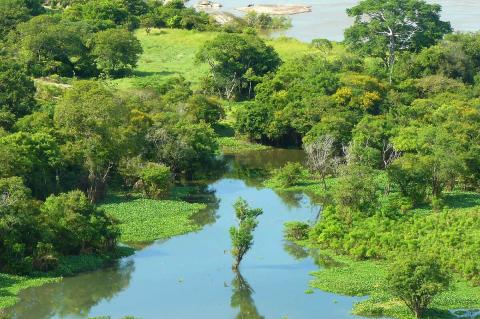
The Purus River is one of the Amazon Basin's significant tributaries, winding its way through the heart of the Amazon Rainforest. Originating in the Ucayali Basin in Peru, the river traverses a vast expanse of wilderness before merging with the Amazon River in Brazil. The Purus River's extensive basin is a vital hydrological and ecological feature of the Amazon, supporting diverse flora, fauna, and human communities.

Quilotoa: Ecuador's Volcanic Masterpiece

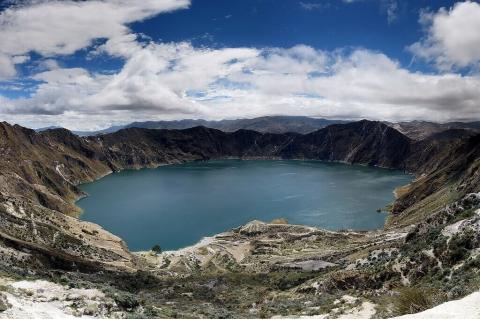
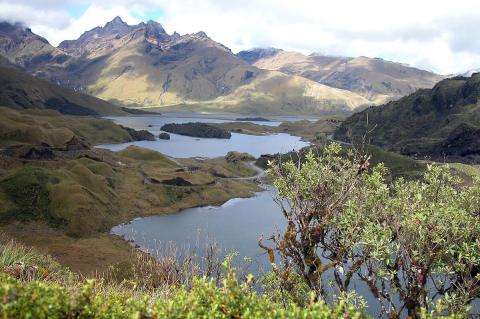
High in the Ecuadorian Andes lies one of the country's most awe-inspiring natural wonders: the Quilotoa Crater Lake. Known for its stunning emerald waters and the dramatic volcanic landscape, Quilotoa is a must-see for travelers exploring Ecuador's diverse geography. Formed by a volcanic eruption over 600 years ago, the crater has evolved into a beautiful caldera lake that captivates visitors with its vivid color, stark beauty, and high-altitude location.

Rincón de la Vieja: Costa Rica's Volcanic Gem

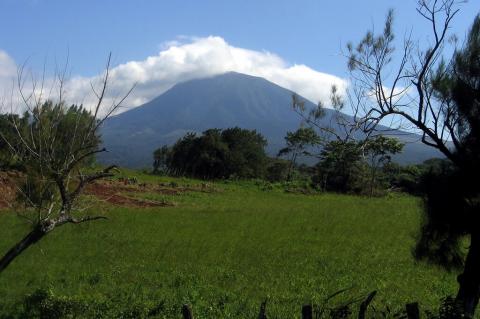
Nestled in the rugged northwestern corner of Costa Rica, the Rincón de la Vieja Volcano and its eponymous national park stand as a testament to the country's rich natural heritage and commitment to preserving the wonders of the natural world. With its striking summit, this active volcanic complex is a true gem that beckons adventurers, nature enthusiasts, and those seeking a deep connection with the Earth's raw power from around the world.

Salar de Uyuni: A Mesmerizing Salt Expanse in the Heart of Bolivia

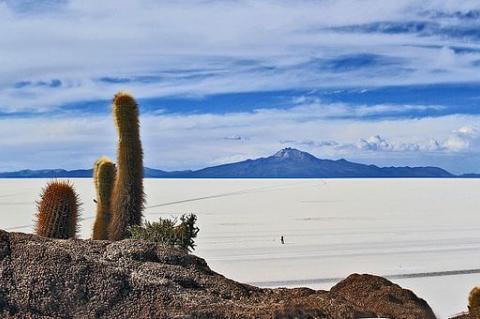
Located in the southwestern corner of Bolivia, the Salar de Uyuni is one of the most remarkable and captivating natural wonders on Earth. This salt flat is the largest in the world and is a testament to the incredible geological and climatic forces that have shaped the Andean region over millennia. The vast expanse of the Salar de Uyuni is home to Isla Incahuasi. This hilly and rocky outcrop was once a fully submerged island during the area's prehistoric lake period.

San Carlos de Bariloche and Nahuel Huapi: Exploring Patagonia’s Scenic Heart

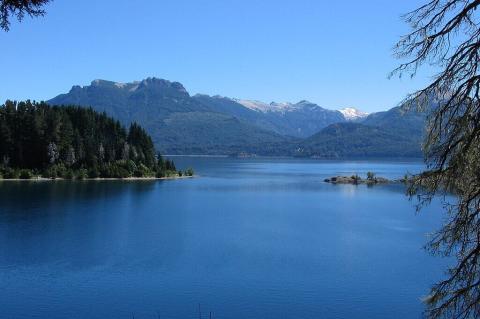
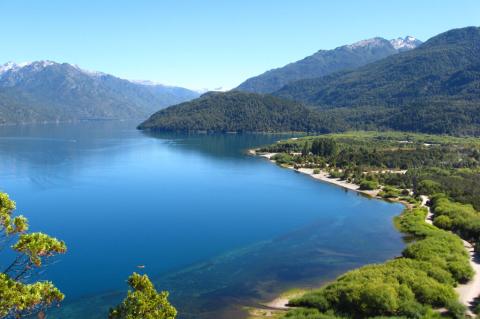
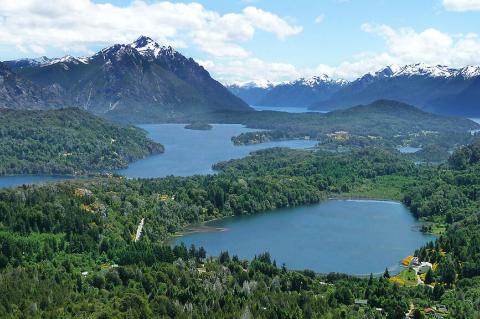
Situated in the foothills of the Argentine Andes, San Carlos de Bariloche offers a striking combination of natural beauty and cultural richness. Located on the clear shores of Lake Nahuel Huapi, Bariloche is surrounded by some of Patagonia's most breathtaking mountains and lakes. As part of the more expansive Nahuel Huapi National Park, the region attracts visitors worldwide, offering a unique blend of outdoor activities, historical landmarks, and distinct architectural charm.

Sangay National Park: Ecuador's Volcanic Wonderland

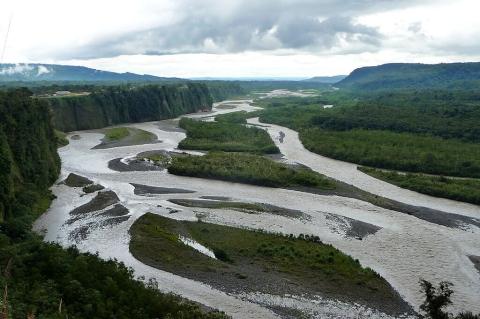
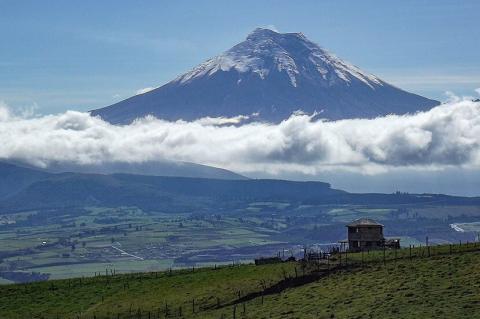
Deep within the heart of Ecuador's Andean region lies a natural wonder of epic proportions—Sangay National Park—this World Heritage Site epitomes Ecuador's extraordinary biodiversity and geological marvels. Encompassing two active volcanoes, Tungurahua and Sangay, as well as the extinct El Altar (Kapak Urku), this park covers the entire spectrum of Ecuador's ecosystems, from glacial peaks to lush rainforests, all under the watchful gaze of one of the world's most active volcanic giants.

Semuc Champey: Guatemala's Hidden Natural Wonder

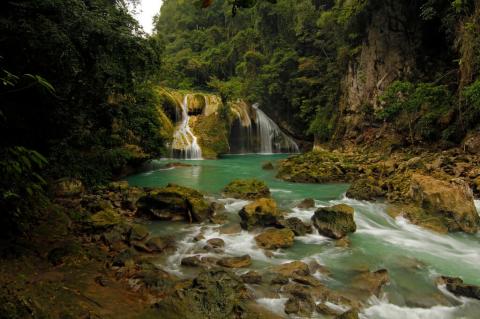
Tucked deep within the verdant heart of Guatemala, Semuc Champey stands as one of the country's most breathtaking natural wonders. Famous for its series of turquoise pools and limestone bridge, this secluded paradise attracts adventurers and nature lovers alike. While difficult to reach, those who venture into the jungle are rewarded with awe-inspiring landscapes and a glimpse into the ecological richness of Central America.
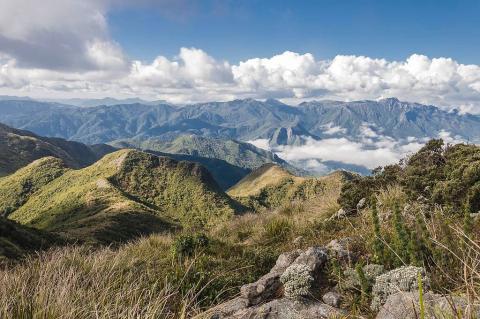
Serra da Bocaina: Guardian of the Atlantic Forest

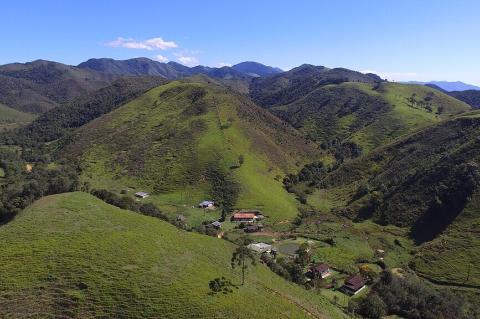
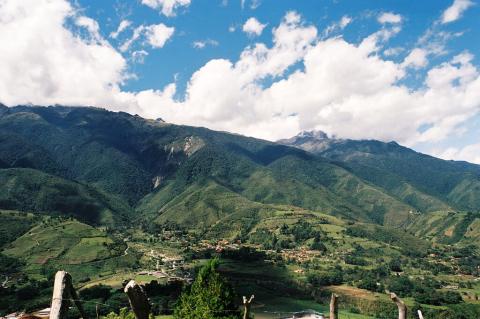
Where the rugged mountains of São Paulo meet the modern world, the Serra da Bocaina emerges—a breathtaking tribute to Brazil's commitment to preserving its most precious natural treasures. This mountain sanctuary, a crucial refuge for endangered species like jaguars and woolly spider monkeys, is safeguarded as Serra da Bocaina National Park. The park protects some of the world's most pristine Atlantic Forest ecosystems and serves as a vital connection between Brazil's coastal and inland ecosystems.