Landforms of South America

The Crystalline Expanse: Salinas Grandes and Argentina's High-Altitude Salt Desert

Stretching across the rugged landscape of northwestern Argentina like a frozen sea of white crystals, Salinas Grandes stands as one of South America's most spectacular natural phenomena. These vast salt flats represent the third-largest salt desert in South America and one of the most accessible high-altitude salars on the continent. The gleaming white expanse offers visitors an otherworldly experience that combines geological wonder with cultural significance, creating a destination that captivates scientists, photographers, and travelers.
The Enchanting Elqui Valley and Historic Pisco Elqui

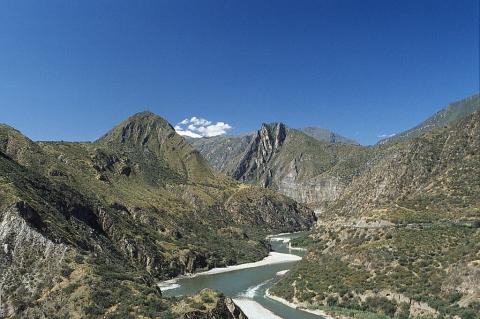
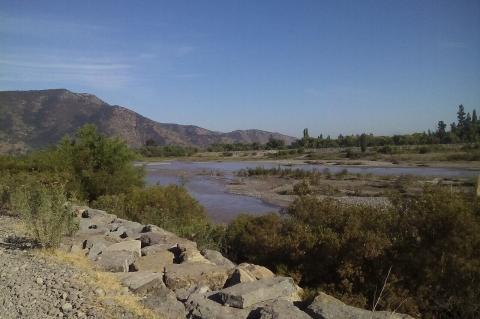
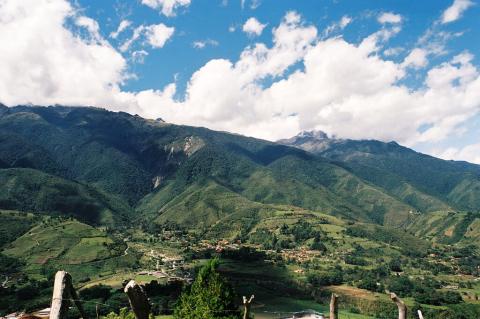
The Elqui Valley, nestled in northern Chile, is a picturesque region that captures the essence of natural beauty and agricultural richness. Spanning the basin of the Elqui River, which originates in the western Andes Mountains and flows into the Pacific Ocean near La Serena, this valley is renowned for its stunning landscapes, bright sunshine, pure air, and clear skies. The Elqui Valley is recognized as northern Chile's most commercially viable wine-producing region.
The Enigmatic Waters of Lake O'Higgins: A Natural Wonder of Patagonia

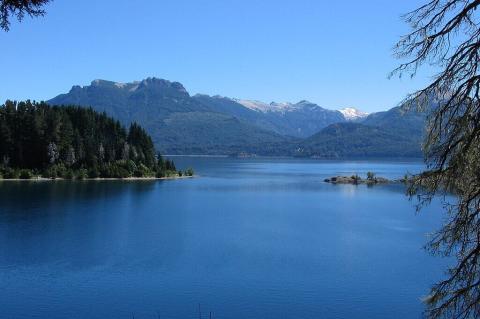
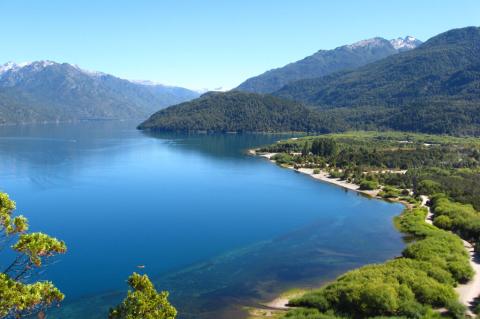
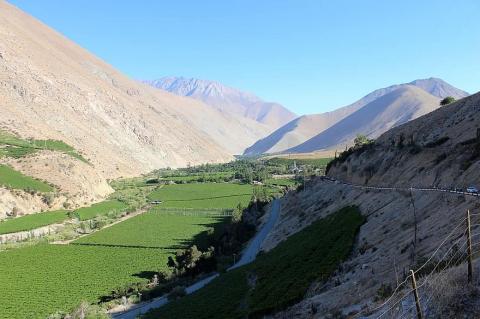
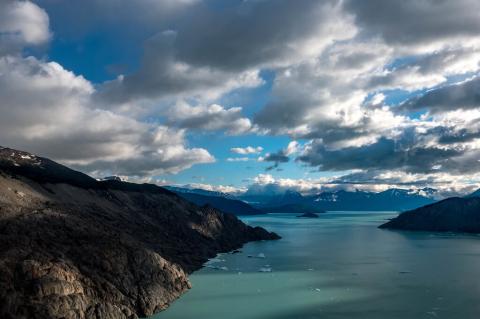
Nestled deep within the rugged wilderness of Patagonia, Lake O'Higgins is one of the most breathtaking and remote bodies of water in South America. Straddling the border between Chile and Argentina, it is known as Lake San Martín in Argentina, reflecting the intertwined histories of both nations. Renowned for its striking turquoise waters, immense depth, and dramatic fjords, it is a natural masterpiece shaped by glacial activity and the relentless forces of the Patagonian climate.

The Galápagos Archipelago: Conservation, Challenges, and Evolutionary Marvels

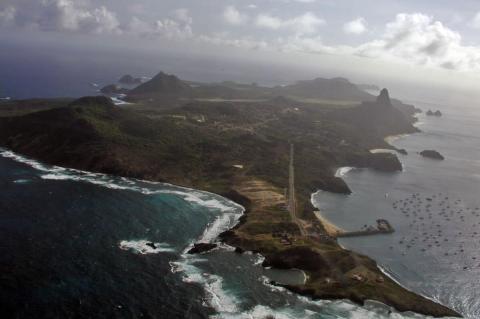
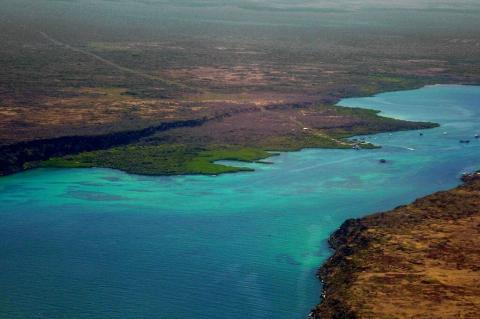
The Archipiélago de Colón, more widely known as the Galápagos Islands, is an archipelago located in the Pacific Ocean west of the coast of Ecuador, the nation to which the islands belong. These islands are renowned for their unique biodiversity and pivotal role in developing the theory of evolution by natural selection, proposed by Charles Darwin. The islands, encompassing the Galápagos Province, the Galápagos National Park, and the Galápagos Marine Reserve, represent one of the planet's most important and unique ecological areas.

The Guaraní Aquifer System: South America's Hidden Ocean and the Future of Freshwater Security

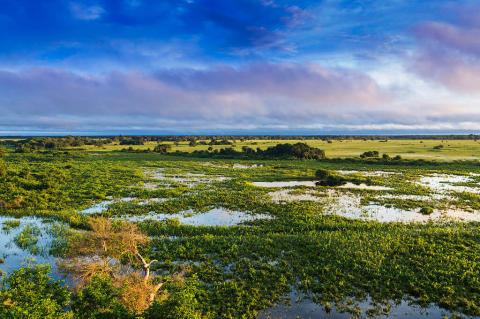
Deep beneath four South American nations lies the Guaraní Aquifer System (GAS), one of Earth's most remarkable geological treasures. Spanning 1.2 million square kilometers of Argentina, Brazil, Paraguay, and Uruguay, it creates an underground hydrological empire rivaling the Mediterranean Sea. Named after the Indigenous Guaraní people, this aquifer system represents far more than a simple water source—it embodies the interconnected destiny of four nations and serves as a critical bulwark against regional water insecurity in an era of climate uncertainty.

The Guiana Shield: A Billion-Year Legacy of Stone and Life

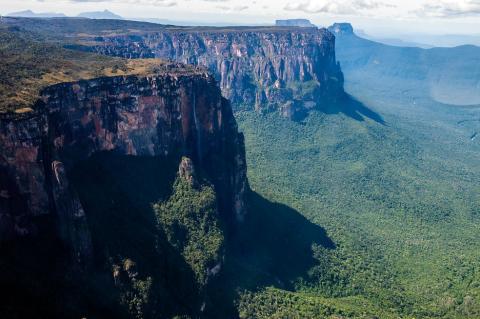
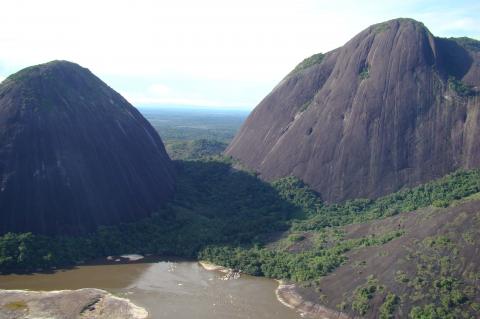
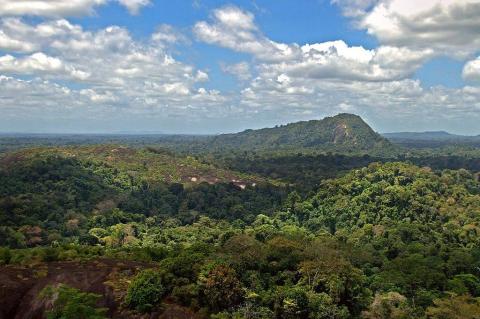
Draped across the northeastern corner of South America, the Guiana Shield stands as a profound testament to the Earth's deep history, a geological and ecological symphony played out over eons. Forged in the fiery depths of the Precambrian eon, dating back an astonishing 1.7 billion years, this ancient geological formation forms a stable craton, a foundational block of the South American Plate, shaping the very bedrock and landscapes of Guyana, Suriname, French Guiana, Venezuela, Colombia, and Brazil.

The Icy Giants of the Colombian Andes: Exploring the Sierra Nevada de Güicán, El Cocuy, and Chita

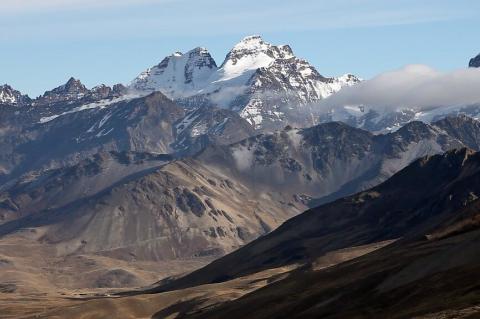
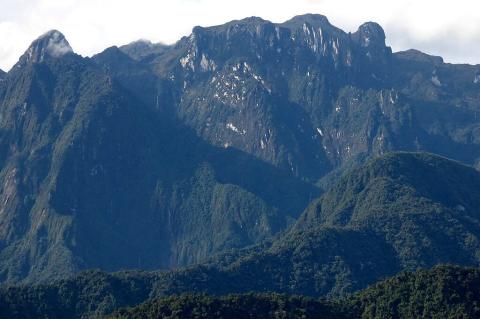
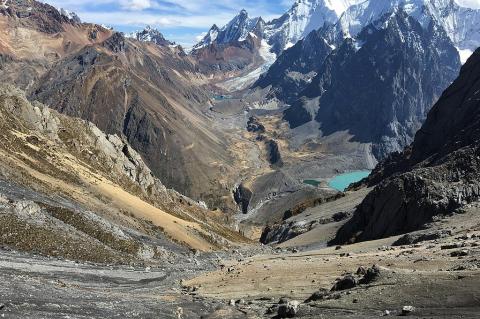
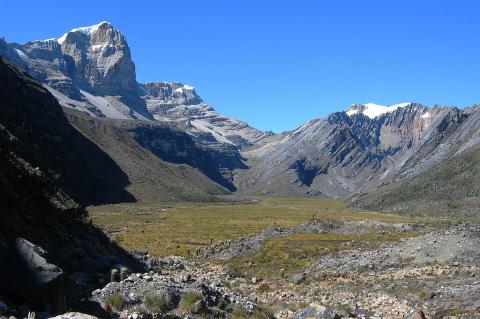
The Sierra Nevada de Güicán, El Cocuy, and Chita is a breathtaking range within the Andes Mountains of Colombia. This range, known for its stunning snow-capped peaks and glacial landscapes, is Colombia's largest glacial mass and the largest in South America north of the equator. This range holds deep cultural significance for the indigenous U'wa people and is a haven for biodiversity. Its awe-inspiring beauty and ecological and cultural importance make it one of Colombia's most treasured natural landmarks.

The Iguazú River: A Natural Wonder of South America

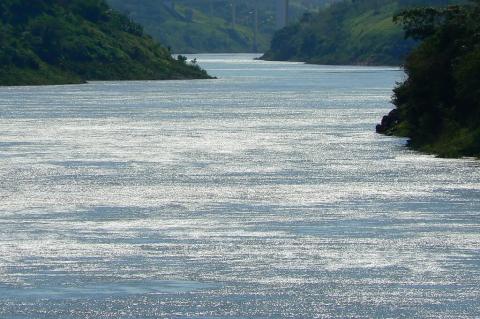
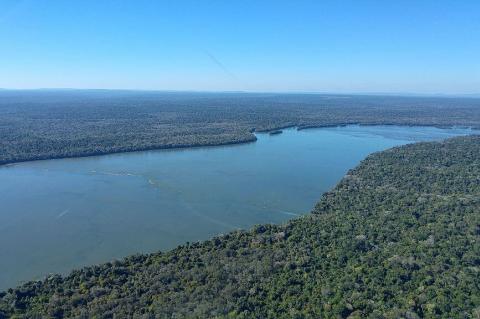
The Iguazú River, one of South America's most remarkable waterways, is a vital natural feature that traverses the landscapes of Brazil and Argentina. Renowned for its breathtaking Iguazú Falls, the river is a critical component of the region's hydrological system, supporting diverse ecosystems and serving as an essential resource for local communities. Originating in the Serra do Mar coastal range, the river winds through lush forests and rugged terrain before culminating in a dramatic series of cascades.

The Madre de Dios River: Gateway to the Amazon Basin

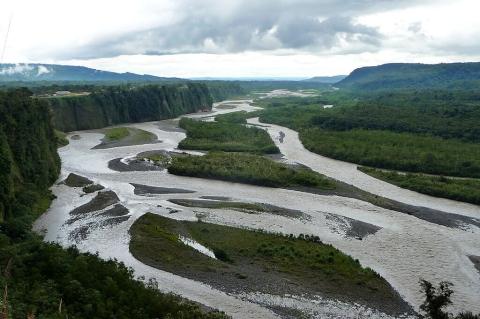
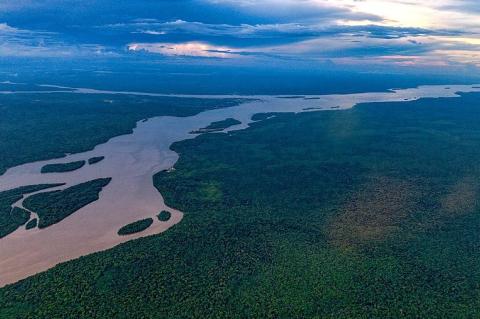
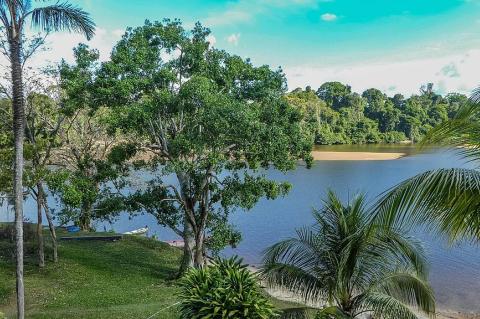
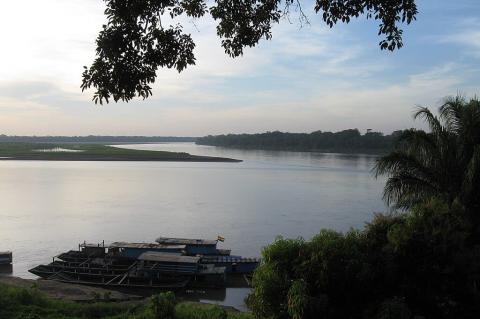
The Madre de Dios River, a vital headwater tributary of the Amazon River, forms an essential part of the Amazon River drainage basin and plays a crucial role in the geography and ecology of Peru and Bolivia. The river, originating in the Andes, flows through vast stretches of tropical rainforest, providing transportation, sustenance, and a lifeline for the sparse populations living along its banks. The river's basin is home to significant biodiversity and supports a variety of ecosystems while also serving as an essential route for the region's Indigenous peoples.

The Mid-Atlantic Ridge: Earth's Dynamic Divide

The Mid-Atlantic Ridge (MAR) is one of Earth's most extraordinary natural features. It is a colossal underwater mountain range that winds through the Atlantic Ocean like a vast seam. Extending from the Arctic Ocean in the north to the Southern Ocean in the south, it is the most extended mountain range on the planet and a critical element of Earth's geological dynamics. The ridge plays a vital role in the circulation of ocean currents and the evolution of unique ecosystems.