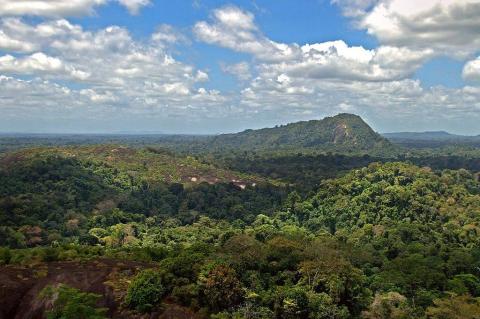
Landforms of South America

The Scotia and South Sandwich Plates: Southern Ocean Tectonic Complexity

The Scotia and South Sandwich plates represent a complex system of small tectonic plates that create a critical geological bridge between Antarctica and South America. Together, these plates demonstrate how minor tectonic entities can generate significant geological features, from the world's most remote volcanic arc to one of the deepest oceanic trenches, while facilitating the connection between the southernmost Andes and the Antarctic Peninsula.

The Scotia Sea and Scotia Arc: A Critical Ocean Gateway and Geological Barrier

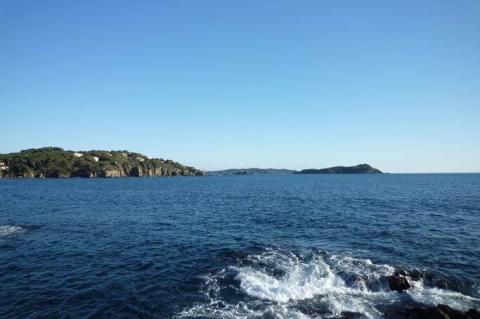
Tucked away in the remote waters between South America and Antarctica lies a remarkable ocean region known as the Scotia Sea. This dynamic body of water is critical in global ocean and climate systems, acting as a crucial gateway between the Atlantic and Pacific Oceans. Surrounding the Scotia Sea is the Scotia Arc, an arc-shaped submarine ridge and island chain that forms a biogeographic barrier, shaping the distribution of marine life and influencing the flow of ocean currents.

The Serranía del Baudó: Colombia's Hidden Biodiversity Sanctuary

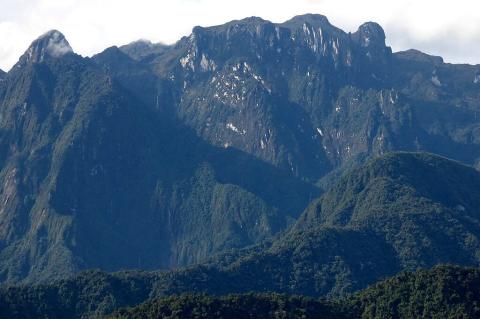
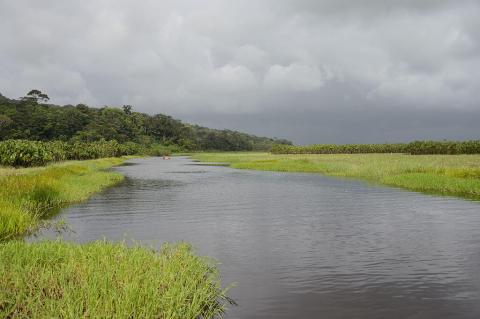
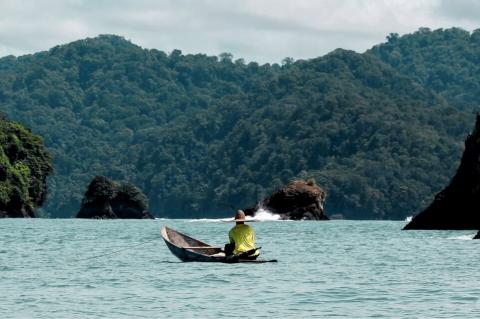
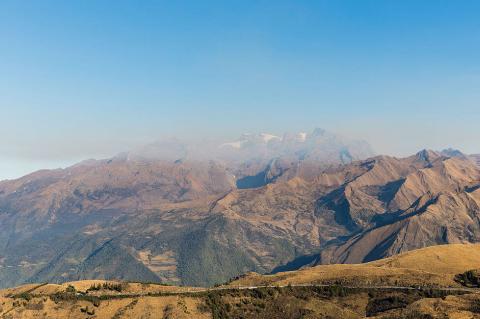
Colombia's Pacific coast is home to one of the world's most remarkable yet least understood mountain ranges. Rising from the humid lowlands of the Chocó department, the Serranía del Baudó stands as a critical biodiversity sanctuary and a testament to the complex interplay between topography, climate, and evolution in the Neotropics. It is a recognized center of terrestrial and aquatic biodiversity, and a source of fish species for Mesoamerica. Yet, scientific exploration of this region remains remarkably limited, leaving numerous biological treasures yet to be discovered.

The Sierra Nevada de Santa Marta: Colombia's Enigmatic Mountain Range

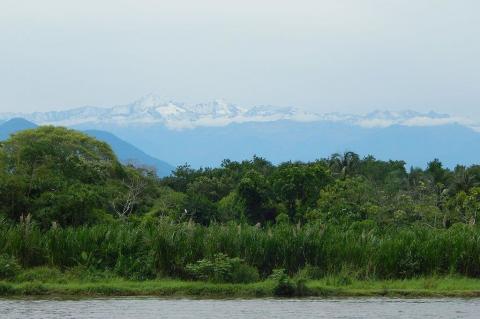
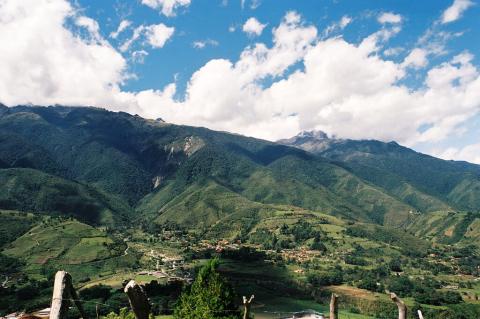
The Sierra Nevada de Santa Marta, an isolated mountain range in northern Colombia, is one of the world's most remarkable natural wonders. Separated from the Andes and rising dramatically from the Caribbean coast, this majestic massif is the highest coastal mountain range on the planet. Encompassing a diverse array of ecosystems and rich cultural heritage, the Sierra Nevada de Santa Marta is a vital ecological and cultural treasure preserved through various protected areas.
The Sierras Pampeanas: Unveiling Argentina's Diverse Landscape and Heritage

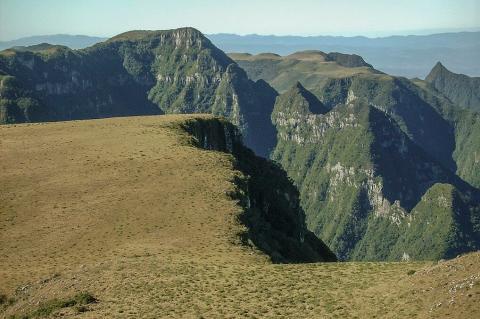
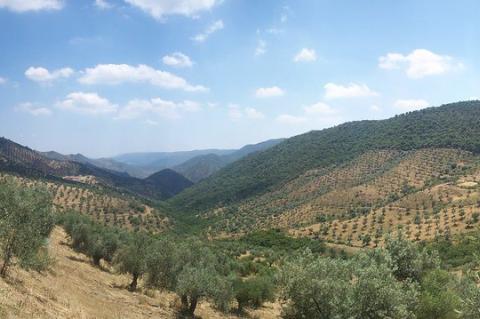
Stretching across northwestern Argentina, the Sierras Pampeanas, also known as the Central Sierras, present a mesmerizing tapestry of geographical features, flora, and fauna. This expansive mountain range rises abruptly from the surrounding Pampas region, extending parallel to the towering Andes Mountains. Encompassing seven Argentine provinces, the Sierras Pampeanas region is characterized by its rugged terrain, diverse ecosystems, and rich biodiversity.
The South American Plate: Foundation of a Continent

The South American Plate forms the geological foundation beneath most of South America and a significant portion of the South Atlantic Ocean seafloor. Despite being the fourth-largest tectonic plate at approximately 43.6 million square kilometers (16.8 million square miles), this continental plate plays a central role in some of Earth's most dramatic geological processes, from the world's longest mountain range to the planet's most extensive oceanic ridge system.

The Southern Patagonian Ice Field: A Colossal Glacier of the Andes

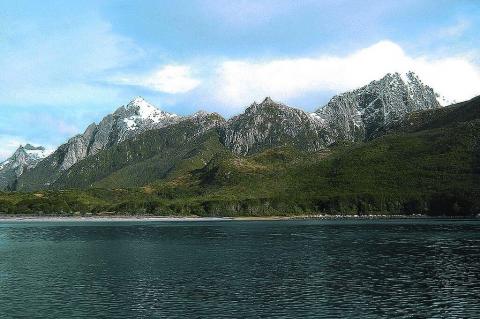
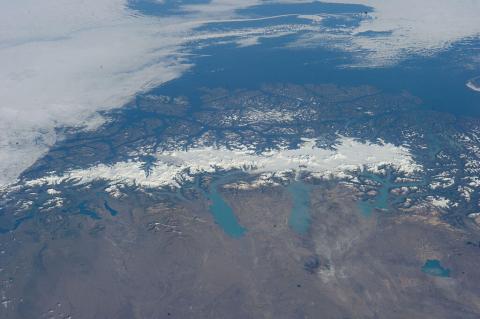
The Southern Patagonian Ice Field is a breathtaking and monumental testament to the power of glacial forces, stretching along the southern Andes Mountains between Chile and Argentina. As the world's third-largest expanse of continental ice, after the Antarctic and Greenland ice sheets, it represents the grander of the two surviving remnants of the vast Patagonian Ice Sheet. Its immense scale, dramatic outlet glaciers, and profound ecological significance make it a jewel of the Patagonian wilderness.

The Tapajós River: A Lifeline in the Heart of the Amazon

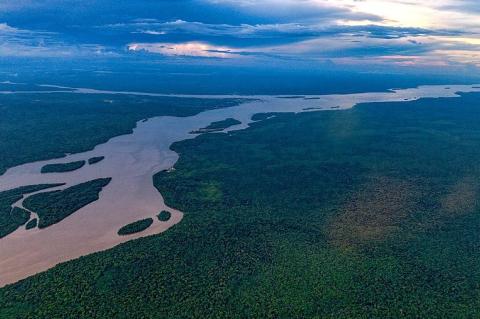
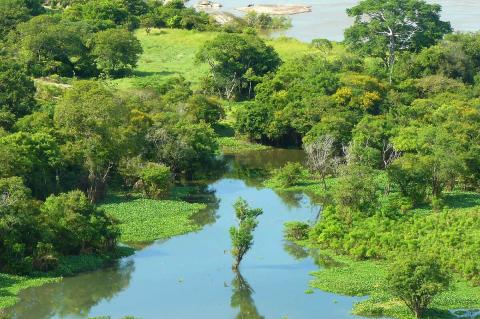
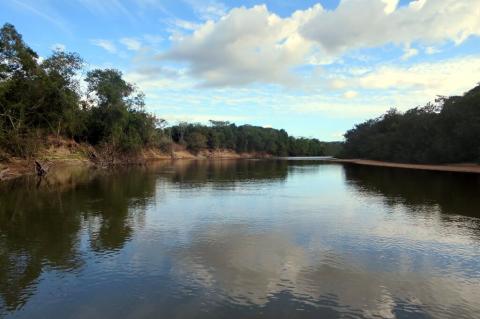
The Tapajós River, one of the major tributaries of the Amazon River, is a vital watercourse in Brazil, flowing predominantly north/northeast through the Amazon Rainforest. It is formed by the union of the Juruena and Teles Pires rivers, both of which originate in the Mato Grosso region. Known as one of the largest clearwater rivers in the world, the Tapajós plays a crucial role in the hydrology, ecology, and economy of the Amazon Basin.

The Twin Jewels of the Caribbean: Exploring the Gulfs of Darién and Urabá

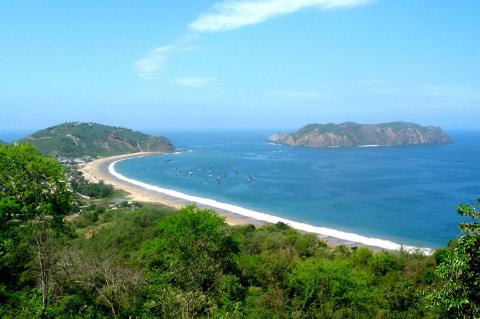
Nestled between the Caribbean Sea and the dense tropical rainforests of Central and South America lie two lesser-known yet profoundly significant bodies of water: the Gulf of Darién and the Gulf of Urabá. These gulfs, often overshadowed by their more famous regional counterparts, are geographical and ecological treasures. Within their boundaries, they hold a rich tapestry of history, vibrant ecosystems, and socio-economic dynamics that have shaped the lives of the communities around them for centuries.

The Uruguay River: A Vital Waterway of South America

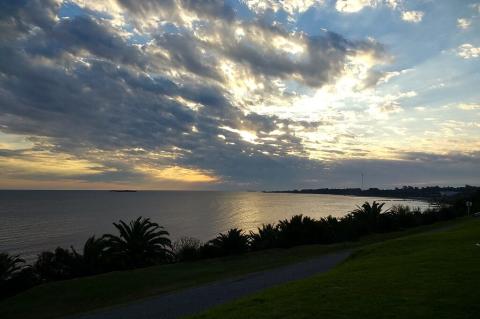
The Uruguay River is a significant fluvial system in South America. It stretches from its headwaters in Brazil's coastal range to its confluence with the Río de la Plata. As a natural boundary between Brazil, Uruguay, and Argentina, the river plays a crucial role in the region's geography, economy, and ecology. An exploration of the Uruguay River reveals its origins, course through diverse landscapes, ecological significance, and role in regional development.