Landforms of South America

The Parima Mountains: A Natural and Cultural Frontier in South America

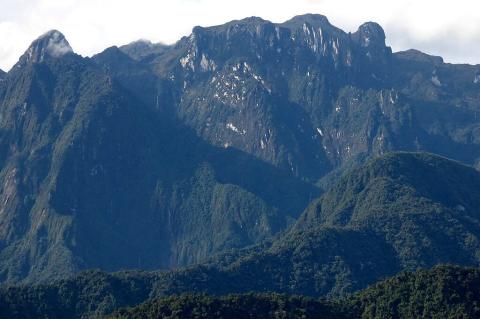
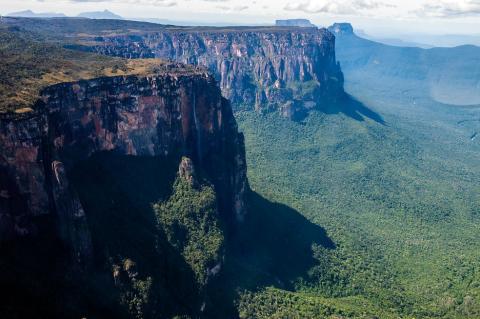
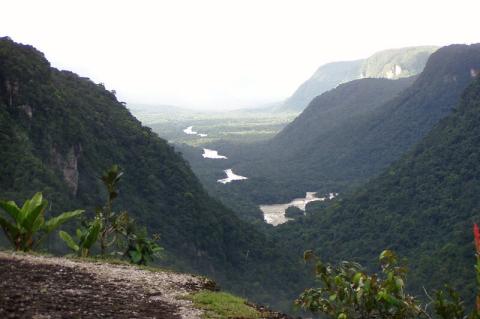
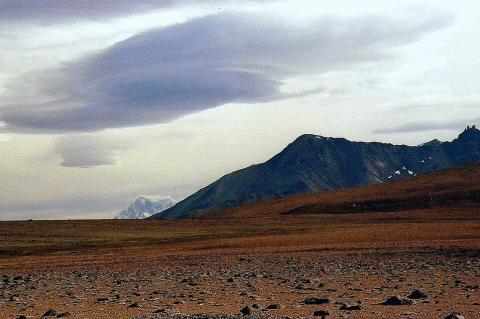
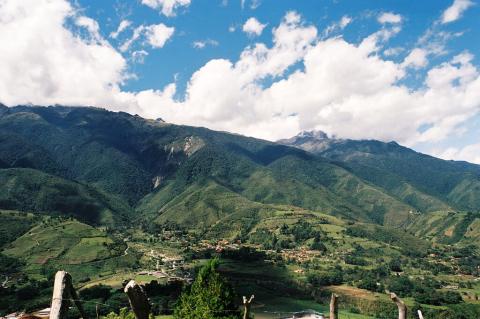
The Parima Mountains, located on the border of Venezuela and Brazil, are a remote and ecologically rich region. They are part of the Guiana Shield and are significant due to their untouched beauty, biological diversity, and role as the source of the Orinoco River. The mountains hold deep cultural significance as the homeland of Indigenous peoples, particularly the Yanomami, yet they remain largely hidden from the world's view.

The Patagonian and Fuegian Andes: Spine of the World's End

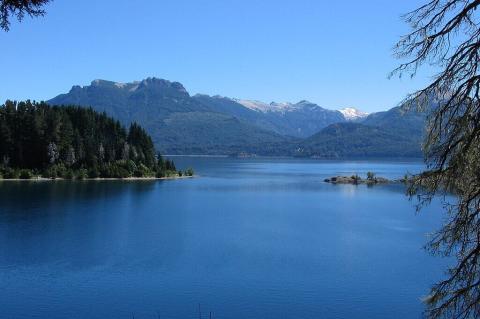
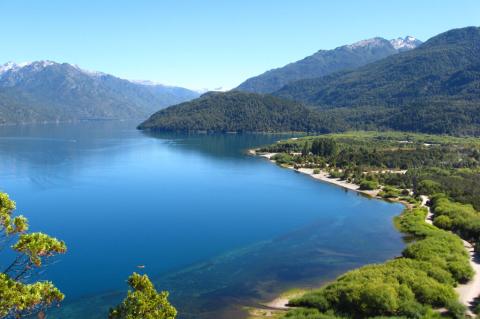
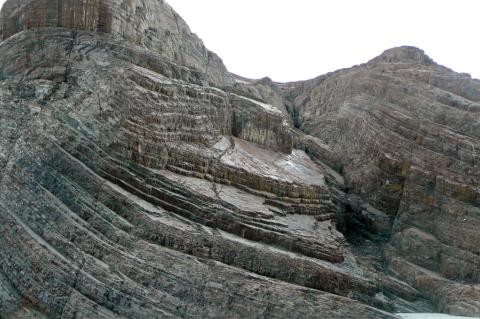
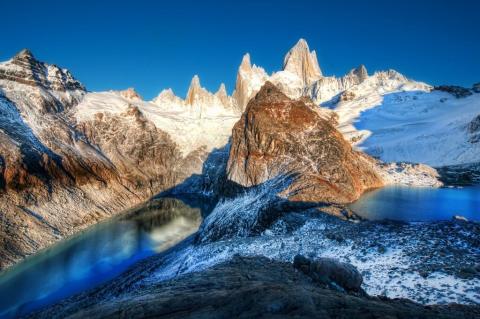
Rising from the steppes of southern Argentina and Chile like a serrated blade cleaving sky from earth, the Patagonian and Fuegian Andes form a spectacular and complex mountain system. This southern extension of the Andean chain features dramatic landscapes, towering granite spires, ancient ice fields, and active volcanic peaks that reshape the continent. These mountains serve as a living laboratory of planetary processes, a refuge for unique ecosystems, and a testament to the powerful natural forces that have shaped our world.

The Patuca River: Lifeline of Eastern Honduras

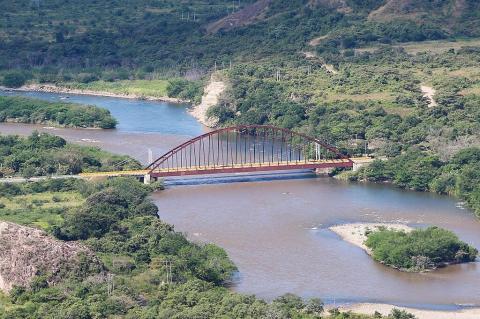
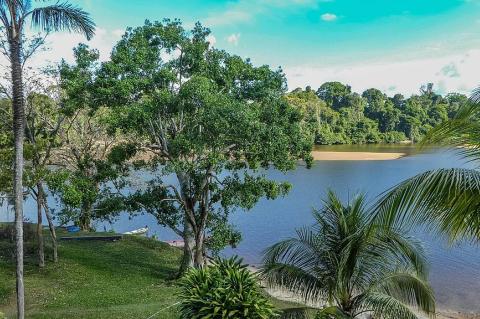
The Patuca River is the longest and most significant river in Honduras. It flows from the mountains of central Honduras to the Caribbean Sea and shapes the geography, ecology, and culture of the eastern region of the country. The river supports a wide array of ecosystems and human settlements. Despite its ecological importance, the river faces challenges from deforestation, hydroelectric projects, and climate change.
The Peru-Chile Trench: South America's Deepest Frontier and the Bolivian Orocline

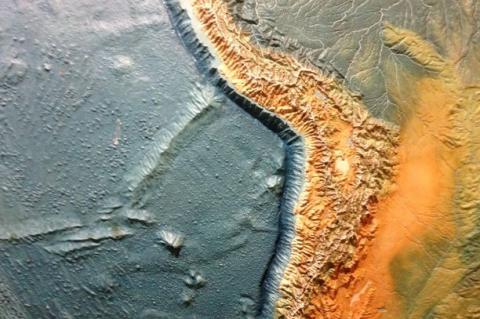
Along South America's western coast lies one of Earth's most spectacular geological features. The Peru-Chile Trench represents the deepest oceanic depression in the South Pacific and serves as the active collision zone where the Nazca Plate slides beneath the South American continent. This submarine canyon, intertwined with the dramatic coastal bend known as the Bolivian Orocline, tells a story of planetary-scale forces that have sculpted the Andes Mountains and continue to shape one of the world's most geologically active regions.

The Peruvian Andes: Peru's Sierra Region Where Earth Touches Sky

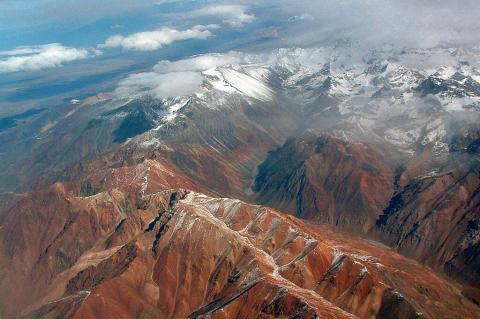
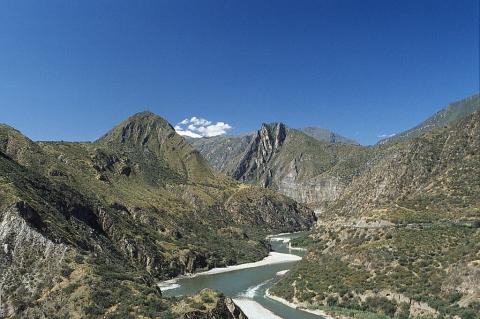
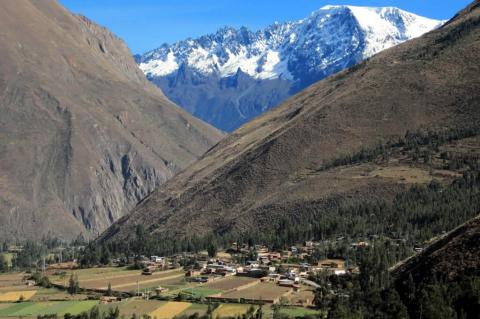
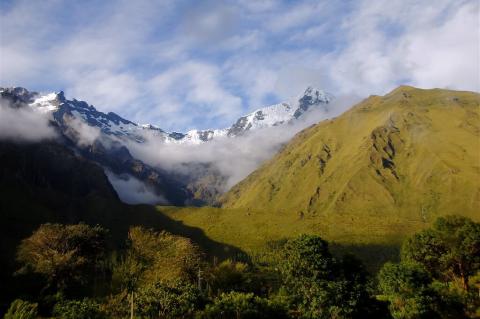
Rising proudly from the Pacific coastal plains to the Amazon Rainforest, Peru's Sierra region is one of the most breathtaking and intricate mountain systems on Earth. This expansive highland area, which includes the Peruvian section of the Andes, extends through the country's center like a giant geological backbone, influencing the landscape, climate, biodiversity, and cultural history of Peru. The region is mainly characterized by three main cordilleras, or mountain ranges, each with unique geological traits, climate conditions, and ecological systems.

The Pilcomayo River: A Lifeline Traversing South America

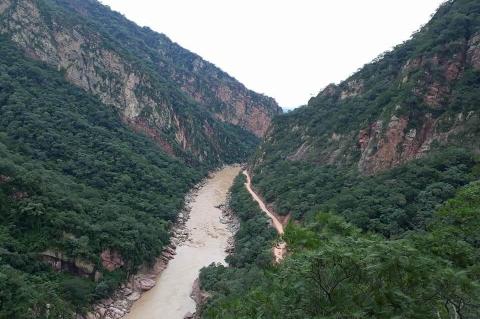
Winding its way through the heart of South America, the Pilcomayo River stands as a vital watercourse that interweaves the landscapes and ecosystems of Argentina, Bolivia, and Paraguay. Originating from the Andes, this remarkable river embarks on a journey that not only shapes the physical terrain but also sustains a rich tapestry of biodiversity, leaving an indelible mark on the diverse regions it traverses.

The Río de la Plata: A Confluence of Majesty

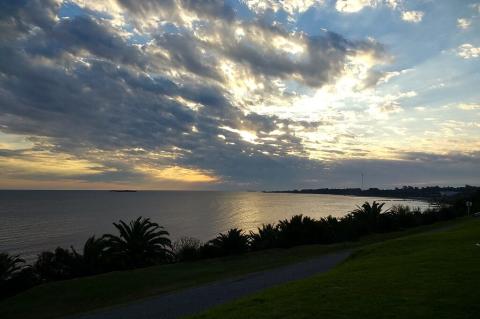
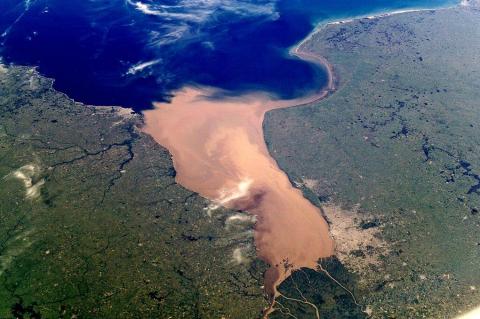
Carving a vast and imposing presence along the southeastern coastline of South America, the Río de la Plata stands as a monumental estuary and drainage basin, a tapering intrusion of the Atlantic Ocean stretching its embrace between Uruguay and Argentina. This immense waterway, often regarded as a gulf, a marginal sea, or even the widest river in the world, is a testament to the continent's awe-inspiring natural grandeur.

The Río Negro: Majestic Heart of the Amazon

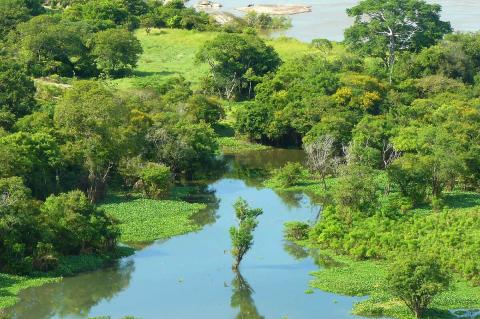
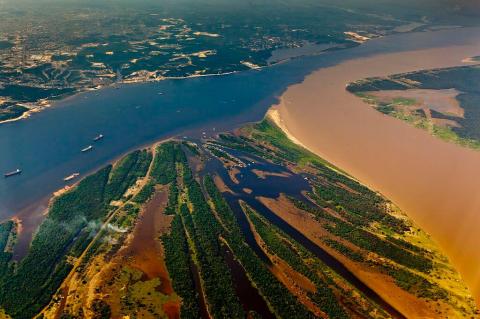
Flowing majestically through the heart of the Amazon rainforest, the iconic Río Negro stands as one of the most significant tributaries of the mighty Amazon River. Renowned for its distinctive blackwater and immense size, the Río Negro is not only a vital component of the Amazon basin but also a captivating natural wonder that draws explorers and adventurers from around the globe.

The Rupununi: A Pristine Wilderness in Guyana's Heart

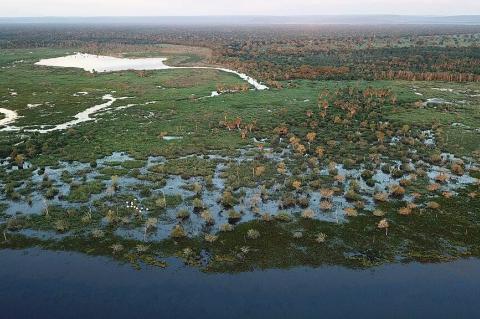
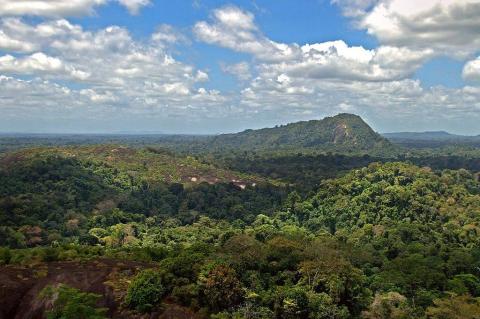
The Rupununi region in southwestern Guyana is one of the Earth's last significant wilderness areas, offering a glimpse into an ecosystem of unparalleled diversity and ecological importance. Bordering the Brazilian Amazon, this region is a complex mosaic of savannas, wetlands, forests, and rivers rich in biodiversity and cultural heritage. Divided by the Kanuku Mountains into the Northern and Southern Rupununi, this area represents one of Guyana's most unique and biologically rich landscapes.

The São Francisco River: Lifeline of Northeastern Brazil

The São Francisco River, one of Brazil's most important waterways, is a crucial artery for the country's northeastern and southeastern regions. South America's fourth-largest river system is known for its pivotal role in agriculture, hydroelectric power, and transportation. The São Francisco River also holds deep cultural significance, often called "Velho Chico" or "River of National Unity." This vast river runs entirely within Brazil, fostering connections between regions and providing critical water resources for the semiarid Northeast.