Landforms of South America

Gorgona Island: Colombia's Ecological Jewel in the Pacific

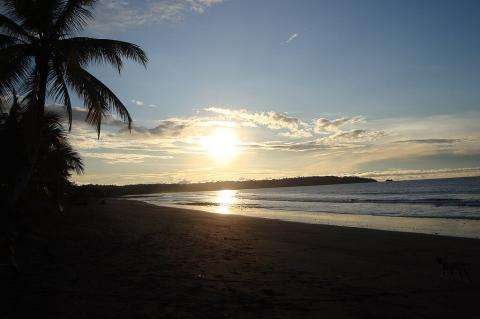
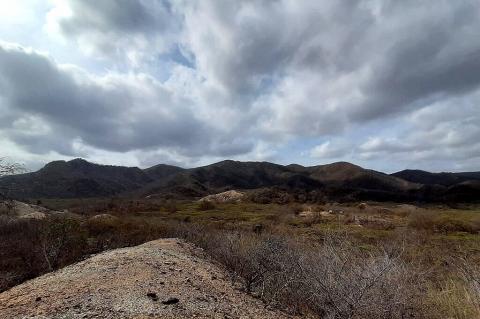
Situated off Colombia's Pacific coast, the island of Gorgona is a true ecological gem. It boasts a rich biodiversity and a fascinating history that spans indigenous cultures and colonial exploration. This remote island, part of Colombia's Insular Region, is a world unto itself, isolated by the vast expanse of the Pacific Ocean. Gorgona is home to Gorgona Natural National Park, a protected area established to preserve its unique ecological treasures.
Guamblin Island: Conservation and Biodiversity in Chile's Hidden Paradise

Nestled in the remote southern reaches of Chile, Guamblin Island National Park is a sanctuary of pristine natural beauty and ecological significance. Covering the entirety of Guamblin Island, this national park is a haven for diverse flora and fauna, some of which are found nowhere else on Earth. This exploration delves into the geographical features, biodiversity, climatic conditions, and conservation efforts that make Guamblin Island a unique and vital part of Chile's natural heritage.
Guanabara Bay: A Deep Dive into Brazil's Iconic Coastal Treasure

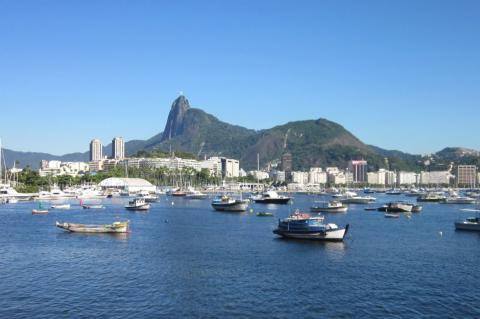
Guanabara Bay in Southeast Brazil is a historically significant coastal landmark. Situated in Rio de Janeiro, it's known for its natural beauty, strategic importance, and bustling life along its shores. Despite being overshadowed by Rio de Janeiro, the bay holds a rich history and ecological significance that warrant closer examination. This overview explores its geographical features, historical context, ecological challenges, and role in Brazil's cultural and economic landscape.

Guardians of the Andes: South America's Ice Fields and Mountain Glaciers

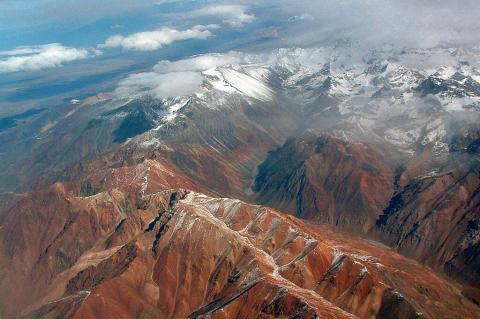
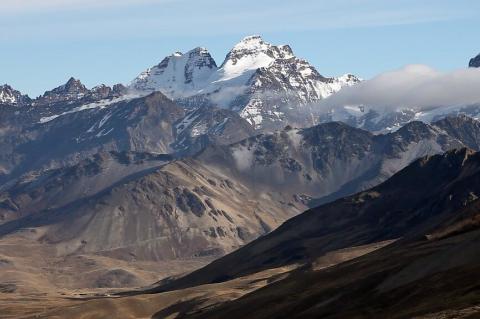
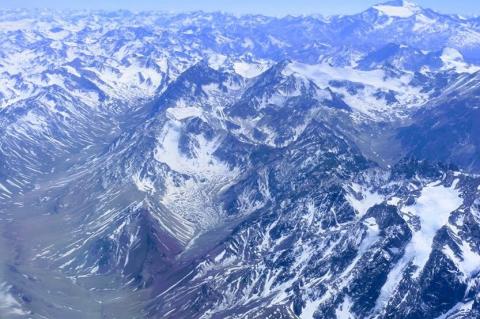
South America hosts one of the world's most extensive and diverse glacial systems outside of Antarctica and Greenland, containing approximately 99% of all tropical glaciers on Earth, as well as some of the largest temperate ice fields in the Southern Hemisphere. Stretching along the spine of the Andes Mountains, this remarkable glacial network encompasses nearly every type of glacial environment found on the planet. South America's glaciers are a critical component of the global cryosphere, serving as vital freshwater reservoirs for hundreds of millions of people.

Guardians of the Sky: The Majestic Mount Roraima and Pacaraima Mountains

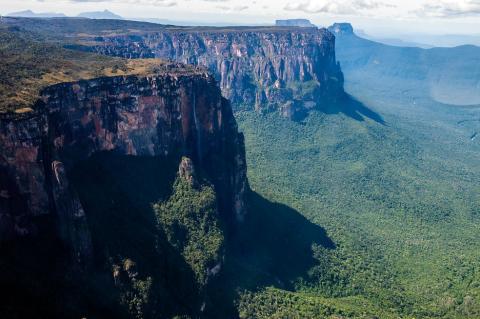
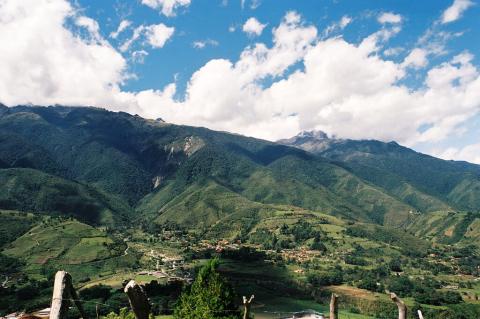
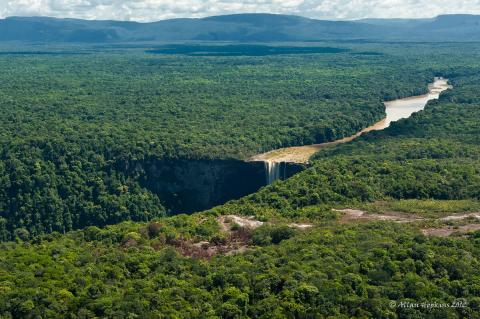
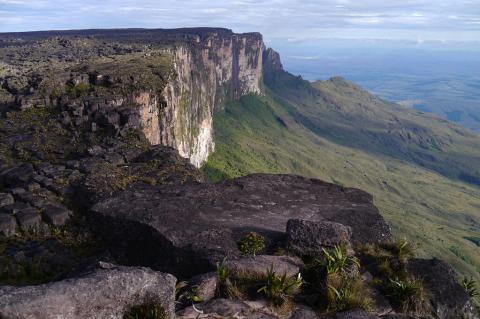
Mount Roraima and the Pacaraima Mountains represent some of South America's most awe-inspiring and geologically significant landscapes. With their unique ecosystems and dramatic geological features, these towering tepui plateaus hold a central place in the natural heritage of Venezuela, Guyana, and Brazil. Their geographical, ecological, and cultural significance highlights their unique characteristics and the rich biodiversity they support.

Gulf of Tribugá: Colombia's Hidden Ecological and Cultural Gem

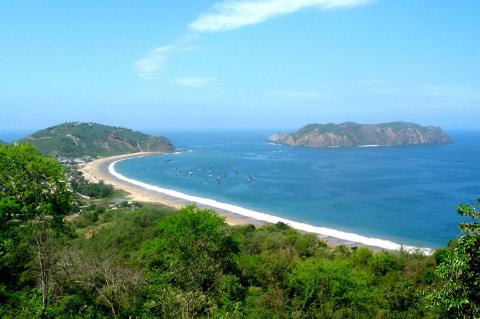
The Gulf of Tribugá is an unspoiled paradise on Colombia's Pacific coast, offering stunning landscapes, diverse biodiversity, and traditional communities. The Tribugá-Cupica-Baudó Biosphere Reserve, created to conserve the region's rich biodiversity and cultural heritage, fosters sustainable development and community involvement.

Hidden Treasures of the Caribbean: The Rosario and San Bernardo Islands

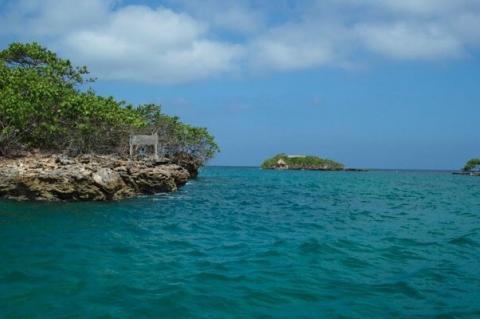
The Rosario and San Bernardo Islands, situated off Colombia's Caribbean coast, are a stunning collection of small islands renowned for their natural beauty and biodiversity. These islands, surrounding coral reefs, and underwater ecosystems form the Rosario and San Bernardo Corals National Natural Park. The islands and their ecosystems support a wide variety of marine life and serve as popular tourist destinations due to their pristine beaches and vibrant underwater landscapes.

Ica and Huacachina: Oases of Culture and Nature in Peru's Desert South

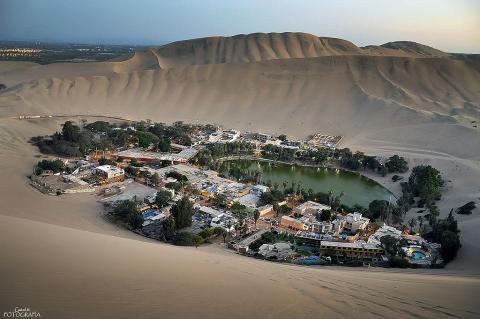
Nestled between the barren expanses of the Ica Desert and the vibrant culture of southern Peru lies the city of Ica, a place rich in history, natural wonders, and iconic traditions. Known for its ties to the ancient Inca civilizations and the Spanish colonial period and as the home of Peru's national drink, Pisco, Ica has much to offer. Just beyond the city's boundaries lies one of Peru's most stunning natural features: the Huacachina Oasis, a shimmering jewel in the desert landscape that attracts travelers from across the globe.

Isla Magdalena National Park: A Patagonian Treasure

Isla Magdalena National Park, located in Chile's Aysén Region, is a pristine wilderness showcasing southern Patagonia's rugged beauty and biodiversity. The park encompasses approximately 80% of Magdalena Island, one of the largest islands south of Chiloé, making it a significant protected area within the region. Dominated by the extinct Montalat volcano, the island's varied landscapes, rich ecosystems, and cultural history make it an essential destination for nature enthusiasts and conservationists.

Juan Fernández Archipelago: Nature and Legend in the South Pacific

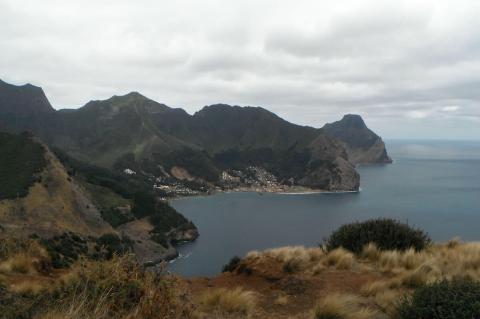
The Juan Fernández Archipelago, situated in the South Pacific Ocean, is a remote chain of volcanic islands belonging to Chile. The archipelago has long intrigued explorers, writers, and biologists alike. Known for its ties to the marooned sailor Alexander Selkirk—whose survival inspired Daniel Defoe's Robinson Crusoe—the archipelago is a cultural landmark and a unique ecological hotspot. With dramatic landscapes, endemic species, and a colorful history of pirates and explorers, the Juan Fernández Islands offer a rare glimpse into the natural and human story of isolation.