Landforms of South America

Bridging Civilizations: The Enduring Legacy of Argentina's Quebrada de Humahuaca

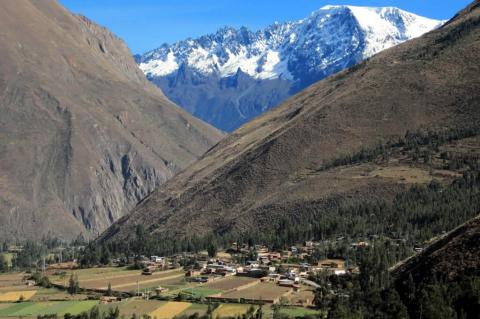
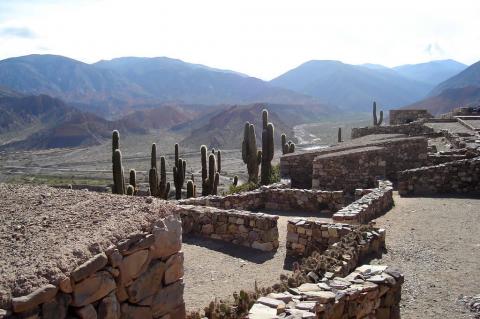
Nestled in the heart of Argentina's Jujuy Province, the Quebrada de Humahuaca stands as a testament to the enduring relationship between human civilization and the natural world. This narrow, arid valley, stretching along the Río Grande, has been a crucial passageway for people, goods, and ideas for over 10,000 years. Recognized as a UNESCO Site, the Quebrada de Humahuaca offers visitors a unique blend of stunning landscapes, rich cultural heritage, and a living history that continues to shape the region today.
Cajón del Maipo: Santiago's Andean Playground and Gateway to San José Volcano

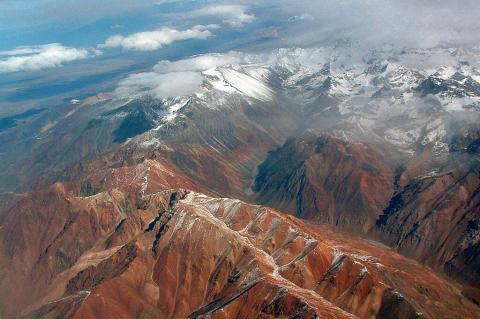
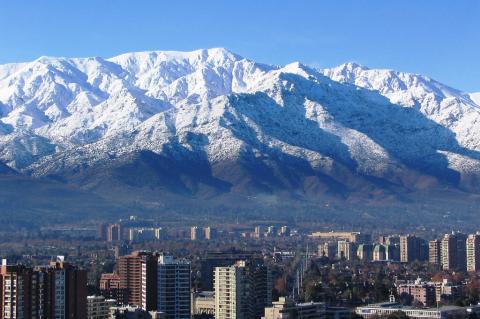
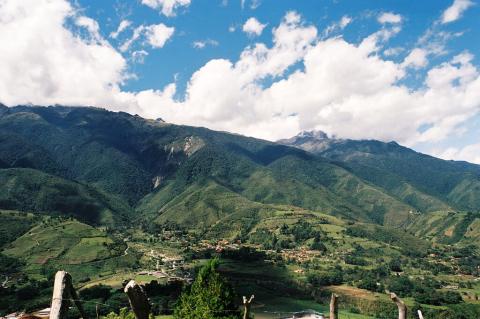
Just southeast of Santiago, the Cajón del Maipo—a dramatic Andean canyon carved by the upper Maipo River—offers one of Chile's most accessible and spectacular mountain experiences. This narrow valley, surrounded by towering peaks, including the imposing San José Volcano, encompasses the upper Maipo River basin, where the river has carved itself between steep canyon walls descending from the High Andes. The region extends to the Argentine border, where it is surrounded by some of the area's highest peaks.

Cape Horn, Diego Ramírez Islands, and the Drake Passage: Conquering the Final Frontier

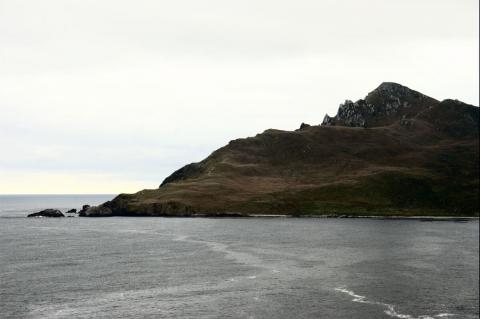
At the very edge of the known world, where the vast expanse of the Atlantic and Pacific Oceans converge, lies a realm of untamed wilderness and maritime lore: Cape Horn, the Diego Ramírez Islands, and the legendary Drake Passage. These extreme latitudes, situated at the southernmost tip of South America, have long captured the imaginations of explorers and sailors, representing both the ultimate test of human endurance and the gateway to uncharted territories.

Caquetá-Japurá River: A Vital Amazonian Watercourse

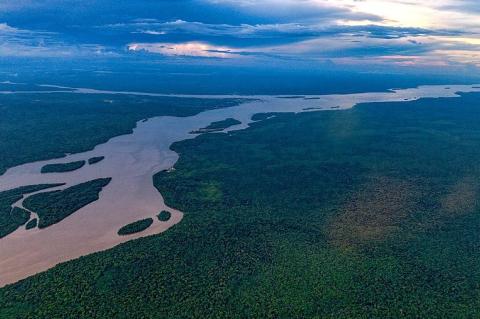
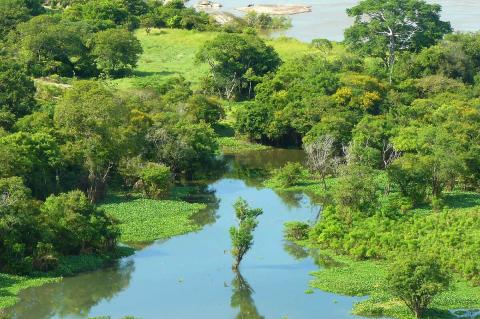
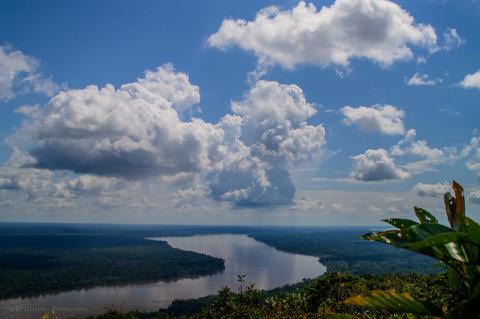
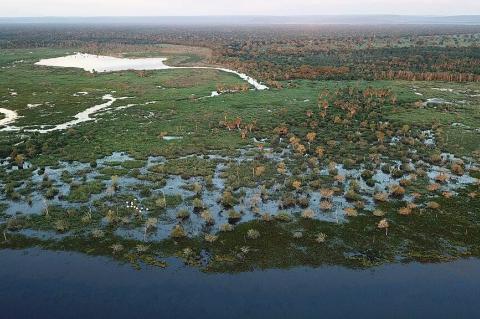
The Caquetá-Japurá River, known as the Caquetá in Colombia and the Japurá in Brazil, is one of the significant tributaries of the Amazon River. The river flows through Colombia and Brazil, playing a crucial role in the hydrology and ecology of the Amazon Basin. Its extensive basin covers a vast area in both countries and is characterized by diverse ecosystems, including some of the most extensive wetlands in the Amazon.

Caracol Falls: A Natural Wonder of Southern Brazil

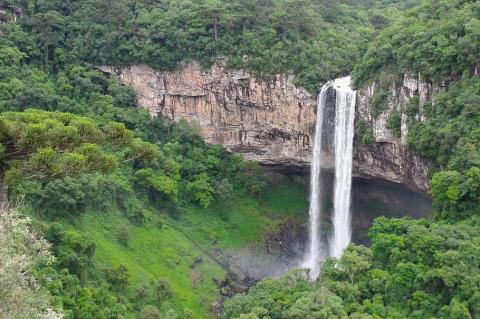
Caracol Falls, located near Canela in Rio Grande do Sul, Brazil, is one of the country's most iconic natural landmarks. Situated within Caracol State Park, this stunning waterfall plunges over basalt cliffs, showcasing the dramatic geological features of the Serra Geral mountain range. Caracol Falls has two main cascades, offering a breathtaking display of nature's power as the Caracol River flows into the Vale da Lageana. As Brazil's second most popular natural tourist attraction, it draws millions of visitors annually, captivated by its beauty and accessibility.

Cauca River, Canyon, and Valley: Colombia's Natural Treasures

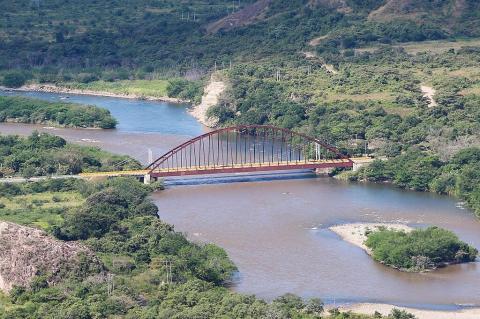
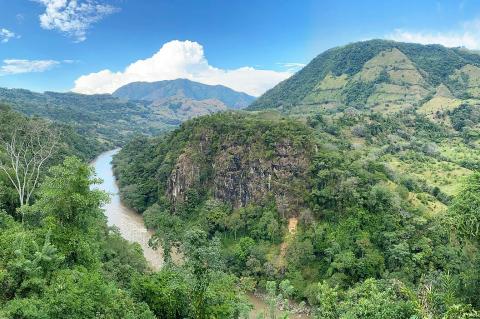
Nestled within the heart of Colombia's diverse landscape lies the Cauca River, a majestic waterway that winds through the rugged terrain of the Cauca Valley, carving out the spectacular Cauca Canyon along its course. This region, characterized by its breathtaking scenery, rich biodiversity, and cultural significance, is a testament to the country's natural heritage and the resilience of its people.

Cave Systems of Latin America: Subterranean Wonders from Mexico to Patagonia

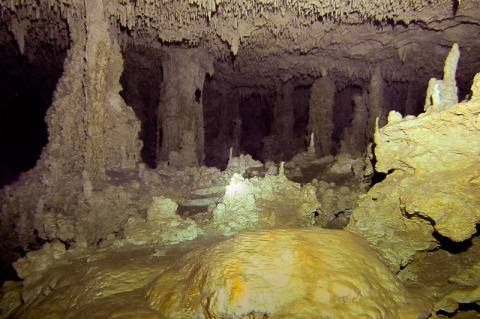
Beneath the jungles, deserts, and mountains of Latin America lies a hidden realm of extraordinary geological complexity and profound cultural significance. From the world's second-longest underwater cave network in Mexico's Yucatán Peninsula to the highest major caves in the world nestled in Peru's Andes, these underground passages tell stories spanning millions of years of geological transformation and thousands of years of human interaction with the earth's interior.

Cavernas do Peruaçu National Park: Exploring Brazil's Peruaçu River Canyon

In northern Minas Gerais, Brazil, the Peruaçu River Canyon, a UNESCO World Heritage Site, is encompassed by Cavernas do Peruaçu National Park. This remarkable landscape showcases geological formations, biological diversity, and human history spanning millennia. Limestone formations have created an underground world with over 140 caves and prehistoric rock art dating back 12,000 years. The canyon exemplifies the interplay of geological, natural, and cultural development that has shaped this unique corner of Brazil.
Cerro Tronador: The Silent Giant of the Patagonian Andes

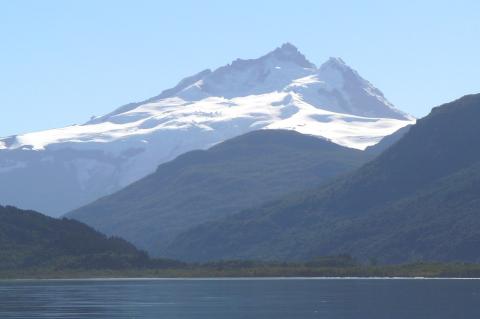
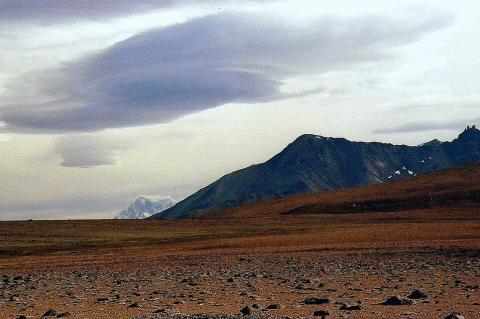
Cerro Tronador, an extinct stratovolcano straddling the border between Argentina and Chile, rises majestically above the surrounding landscape. Its prominence makes Tronador a popular destination for mountaineers and adventurers seeking to explore one of the region's most iconic natural landmarks. Located within two national parks, Nahuel Huapi in Argentina and Vicente Pérez Rosales in Chile, Cerro Tronador is also a vital part of the local ecosystem, featuring eight retreating glaciers and geothermal activity that reflects its volcanic origins.
Chiloé Island and Archipelago: A Mystical Realm of Nature and Culture in Southern Chile

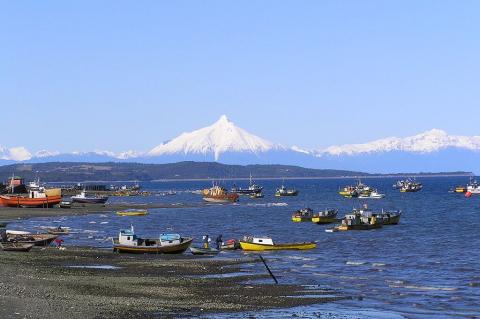
Nestled in the pristine waters of southern Chile, the Chiloé Archipelago stands as a mystical realm where nature's grandeur intertwines seamlessly with a rich tapestry of cultural enchantment. This breathtaking collection of more than forty islands, separated from the mainland by the narrow Chacao Channel to the north and the vast Sea of Chiloé to the east, beckons travelers to discover a world where ancient traditions, distinctive architecture, and culinary excellence coexist with extraordinary biodiversity.