Landforms of South America

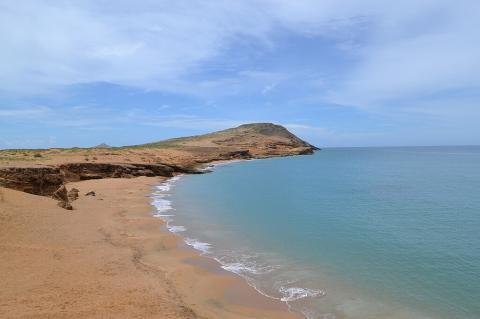
Exploring the Gulf of Venezuela and the Guajira Peninsula

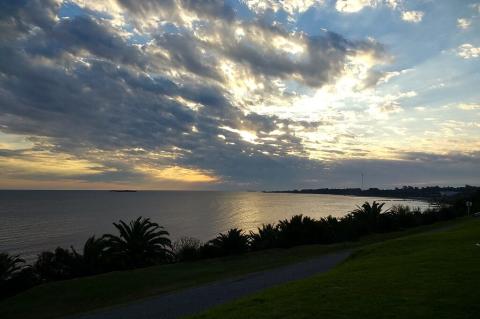
The Gulf of Venezuela and the Guajira Peninsula, located at the meeting point of the Caribbean Sea and South America, are of strategic importance due to their ecological diversity and role in regional trade and natural resource extraction. The Gulf serves as a vital shipping route for petroleum, while the Guajira Peninsula is home to the Indigenous Wayuu people and diverse ecosystems. However, territorial disputes between Colombia and Venezuela add geopolitical complexity to the region.

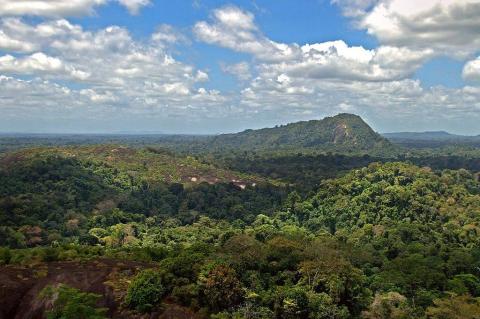
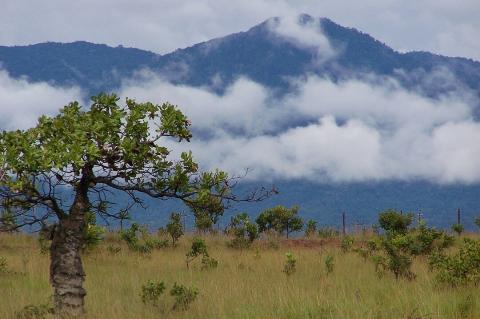
Exploring the Kanuku Mountains: A Biodiversity Hotspot in Guyana

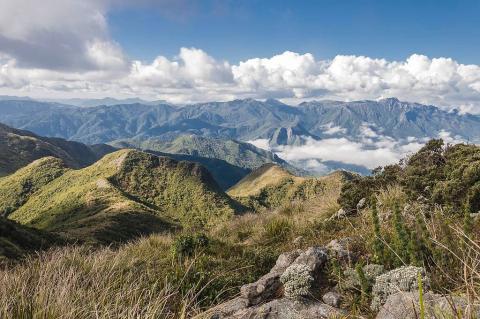
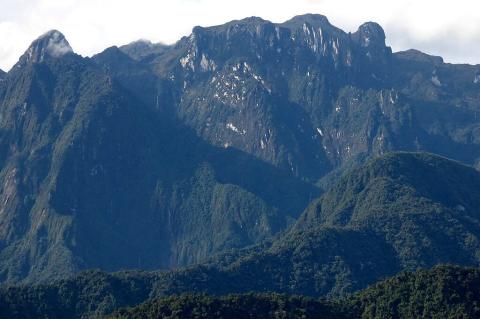
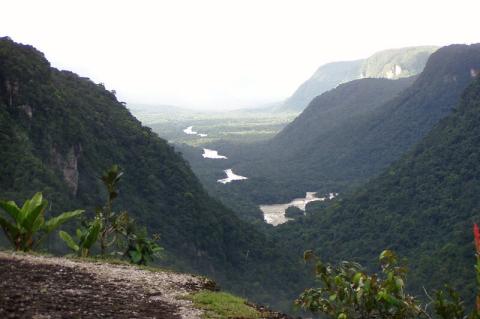
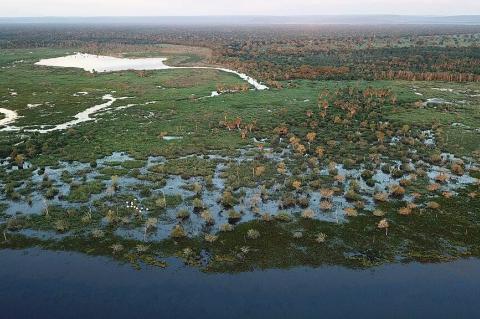
Nestled in the heart of Guyana's Rupununi region, the Kanuku Mountains are a breathtaking natural wonder, boasting an unparalleled diversity of flora and fauna. This east-west mountain range, which divides the Rupununi from the north's wetlands and the south's savannas, is a true gem in the country's ecological tapestry. The Kanuku Mountains Protected Area is a sanctuary for countless rare and endangered species.

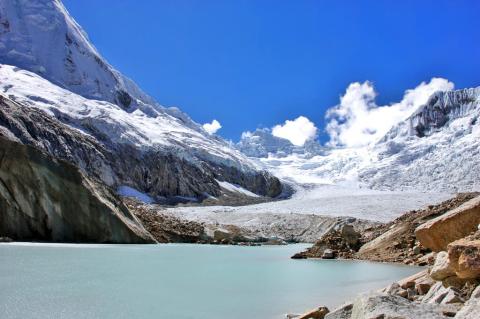
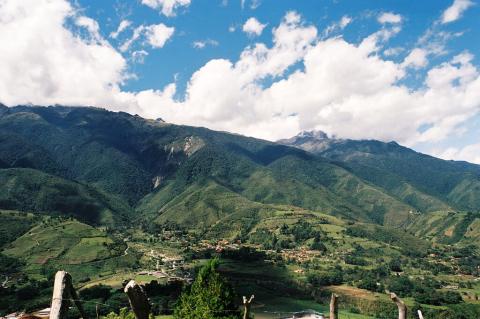
Exploring the Majestic Cordillera Blanca: Peru's Alpine Wonderland

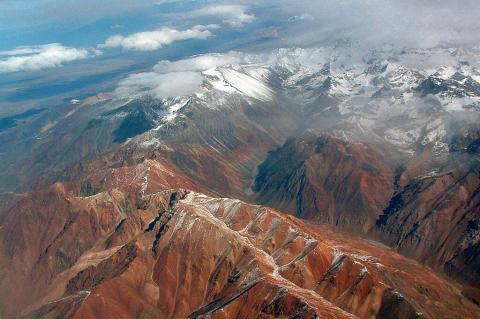
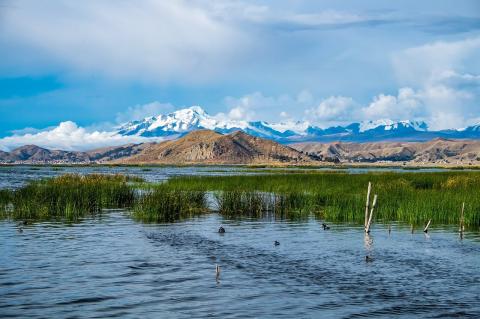
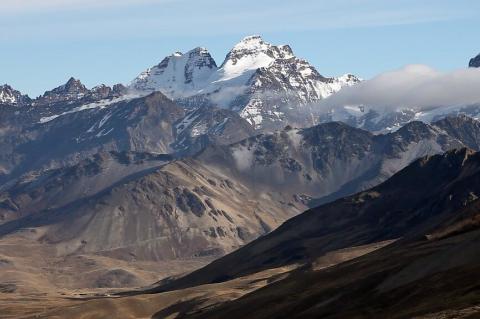
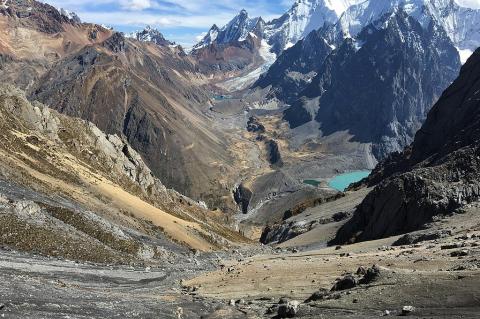
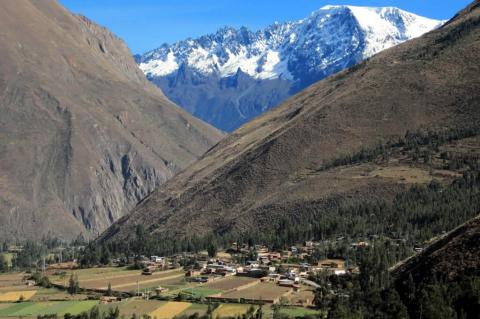
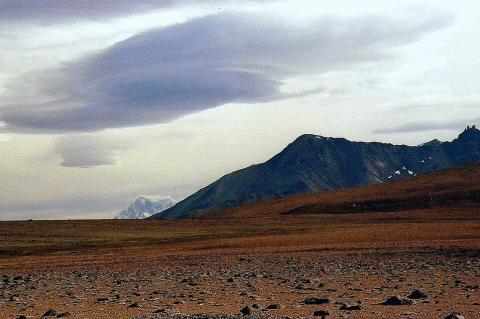
Peru's Cordillera Blanca is a testament to the breathtaking beauty and ecological richness that grace the Andes mountain system. Nestled in the north-central part of the Cordillera Occidental, this remarkable range is renowned as the world's highest tropical mountain range. It boasts towering peaks, sprawling glaciers, and pristine lakes that captivate the imagination of all who behold them.

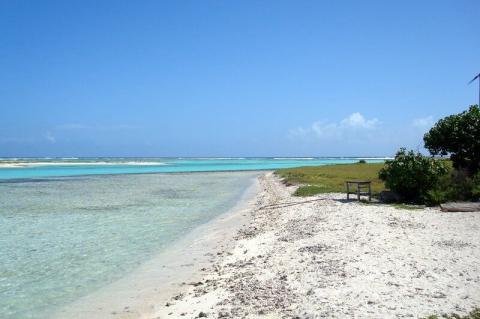
Exploring Venezuela's Federal Dependencies: Jewels of the Caribbean

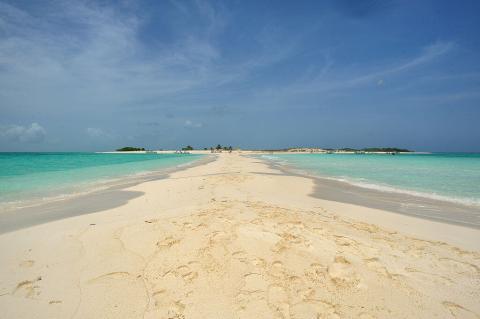
Venezuela boasts a stunning array of islands and islets scattered across the Caribbean Sea, collectively known as the Federal Dependencies. These tropical gems offer a captivating blend of natural beauty, rich biodiversity, and cultural heritage. From pristine beaches and vibrant coral reefs to unique ecosystems and historical significance, the Federal Dependencies are a true treasure trove waiting to be discovered.

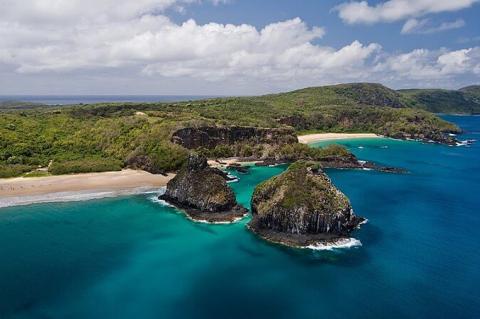
Fernando de Noronha and Rocas Atoll: Guardians of the South Atlantic

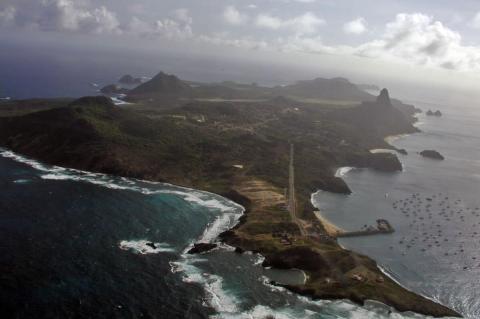
Fernando de Noronha is a volcanic archipelago in the South Atlantic Ocean, located off the northeast coast of Brazil. The archipelago comprises 21 islands and islets, the most significant being Fernando de Noronha. Fernando de Noronha is a haven for nature enthusiasts and adventure seekers, known for its stunning natural beauty, crystal-clear waters, pristine beaches, and diverse marine life. In addition, Rocas Atoll is a circular coral reef that encloses a lagoon.

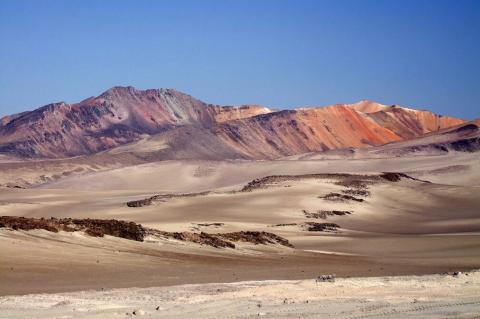
From Sechura to Nazca: Peru's Desert Coast

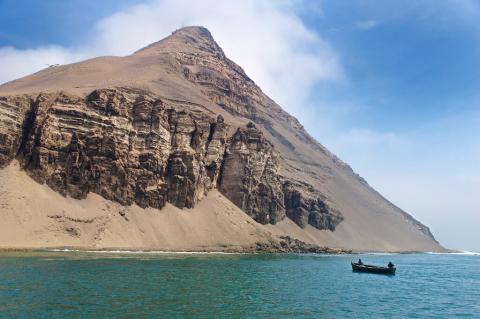
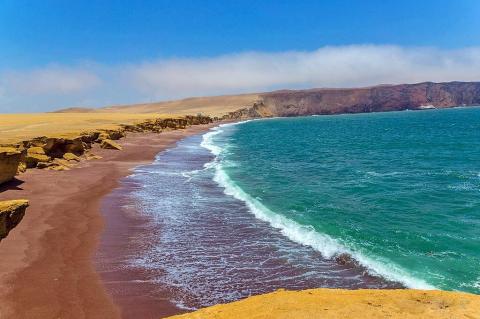
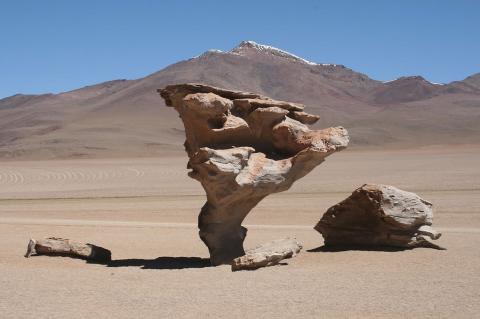
Peru's western coastline, a ribbon of aridity against the vast Pacific, cradles a remarkable tapestry of desert landscapes, each possessing its own distinct character and ecological significance. Among these arid expanses, the Sechura Desert and the coastal desert region that includes the famed Nazca Desert stand out as compelling examples of nature's artistry and life's enduring spirit in extreme conditions.

Gocta Waterfall: Peru's Hidden Wonder of the Andes

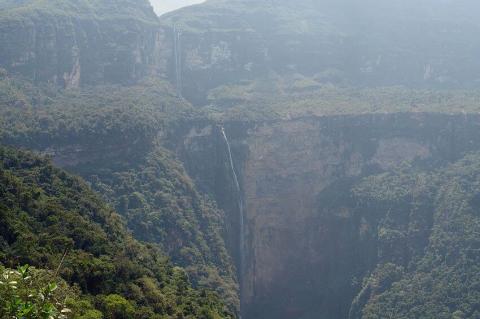
Tucked away in the northern Peruvian Andes, the Gocta Waterfall (Catarata de Gocta) is one of the world's most breathtaking natural wonders. With its towering cascades plunging into the dense, green cloud forest, Gocta has captured the imagination of adventurers and nature lovers alike. Located in the Bongará Province of northern Peru, the waterfall symbolizes Peru's extraordinary biodiversity and the natural beauty of the Amazonas region.
Gorgona Island: Colombia's Ecological Jewel in the Pacific

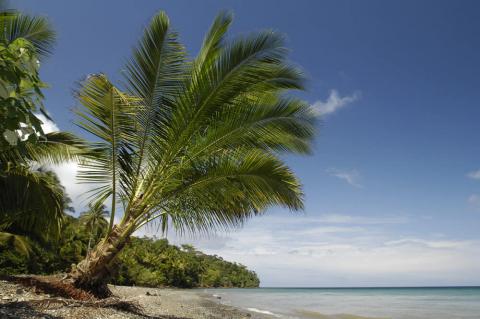
Situated off Colombia's Pacific coast, the island of Gorgona is a true ecological gem. It boasts a rich biodiversity and a fascinating history that spans indigenous cultures and colonial exploration. This remote island, part of Colombia's Insular Region, is a world unto itself, isolated by the vast expanse of the Pacific Ocean. Gorgona is home to Gorgona Natural National Park, a protected area established to preserve its unique ecological treasures.
Guamblin Island: Conservation and Biodiversity in Chile's Hidden Paradise

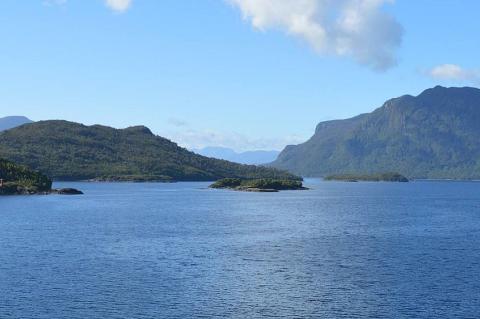
Nestled in the remote southern reaches of Chile, Guamblin Island National Park is a sanctuary of pristine natural beauty and ecological significance. Covering the entirety of Guamblin Island, this national park is a haven for diverse flora and fauna, some of which are found nowhere else on Earth. This exploration delves into the geographical features, biodiversity, climatic conditions, and conservation efforts that make Guamblin Island a unique and vital part of Chile's natural heritage.
Guanabara Bay: A Deep Dive into Brazil's Iconic Coastal Treasure

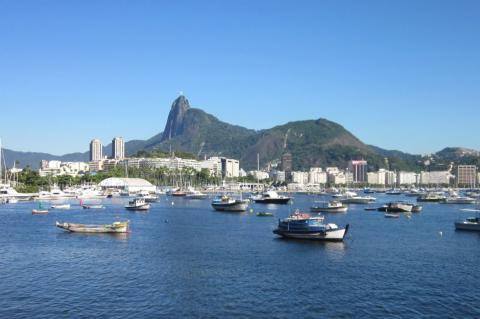
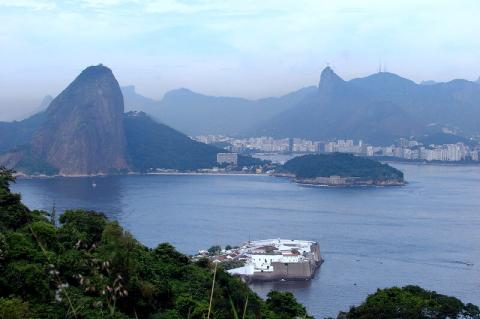
Guanabara Bay in Southeast Brazil is a historically significant coastal landmark. Situated in Rio de Janeiro, it's known for its natural beauty, strategic importance, and bustling life along its shores. Despite being overshadowed by Rio de Janeiro, the bay holds a rich history and ecological significance that warrant closer examination. This overview explores its geographical features, historical context, ecological challenges, and role in Brazil's cultural and economic landscape.