South America

Lake Titicaca: Ancient Waters of the Andes

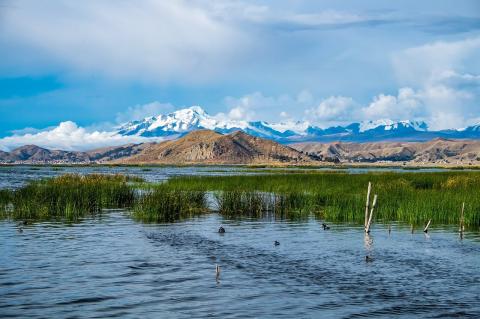
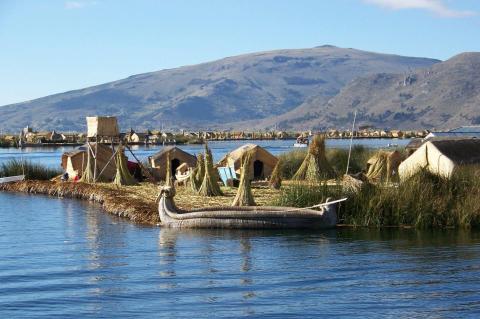
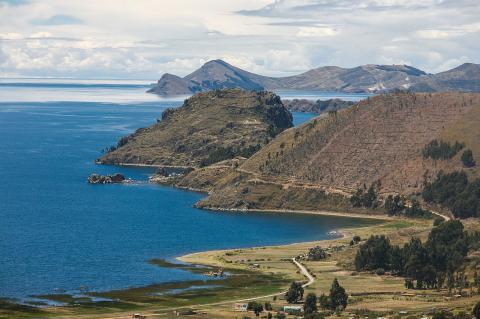
Lake Titicaca is one of the highest navigable lakes in the world. It is situated at the northern end of the Altiplano basin, on the border of Peru and Bolivia in the Andes Mountains. With a history dating back millions of years, Lake Titicaca is the largest lake in South America by volume and holds great cultural and ecological significance. The lake has always been an integral part of indigenous cultures and provides a habitat for a wide range of biodiversity, including over 530 aquatic species.

Lanín National Park: A Natural Wonderland in Argentine Patagonia

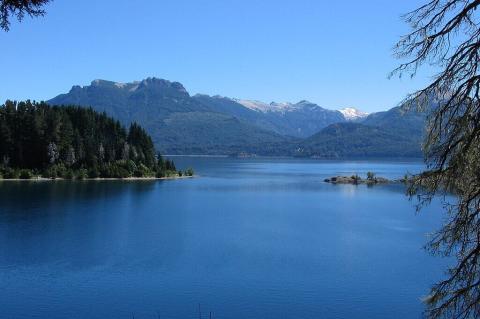
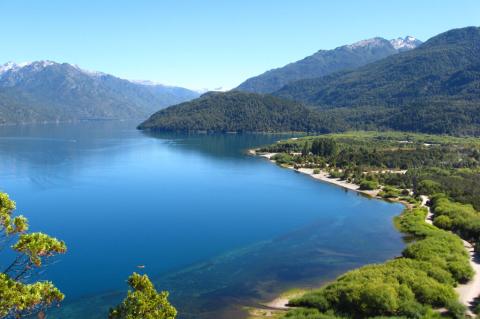
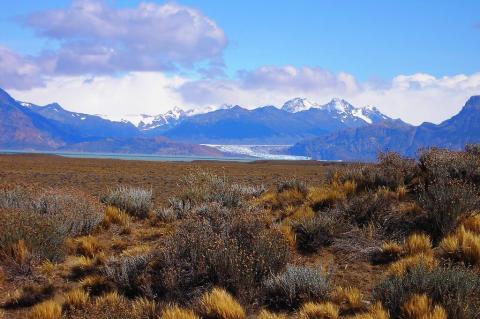
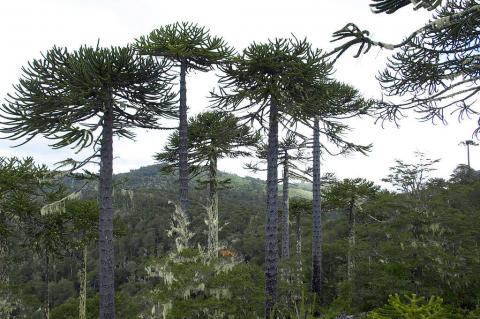
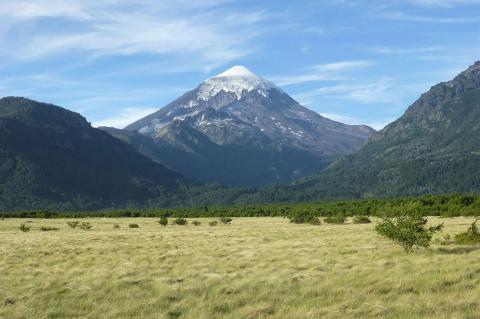
Nestled in the southern reaches of Neuquén Province in Argentine Patagonia, Lanín National Park is a pristine expanse of natural beauty and ecological diversity. It ranks as Argentina's third largest national park, following Nahuel Huapí and Los Glaciares National Parks. The park was created to preserve the unique Andean-Patagonian forests and their diverse species. Dominated by the majestic Lanín volcano, it is vital to Argentina's natural heritage and a haven for outdoor enthusiasts and nature lovers.
Las Palmas de Cocalán National Park: Guardian of Chile's Ancient Palms

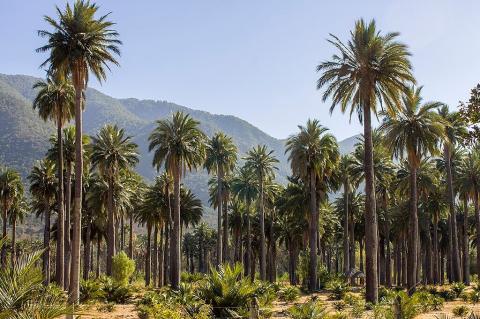
Las Palmas de Cocalán National Park protects one of the world's rarest palm forests. The sanctuary preserves ancient groves of the Chilean palm, one of South America's most endangered endemic trees and the only palm species native to Chile. Located within the Coastal Mountain Range, the park shelters a remarkable concentration of millenary palms. These living giants represent irreplaceable genetic resources and serve as monuments to Chile's prehistoric past, making the park one of only three locations in Chile that protect significant populations of this critically threatened species.
Las Yungas Biosphere Reserve: Argentina's Andean Biodiversity Hotspot

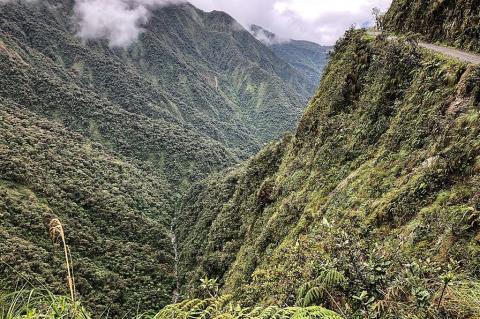
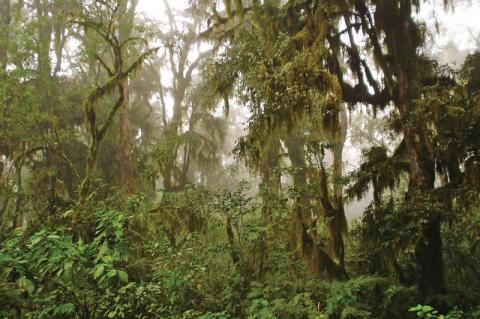
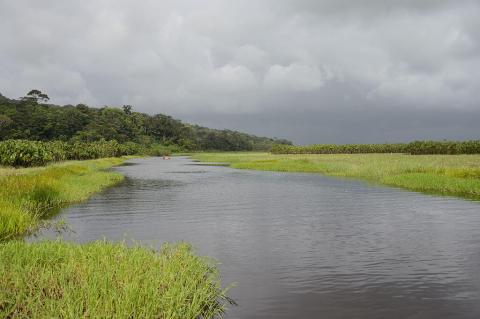
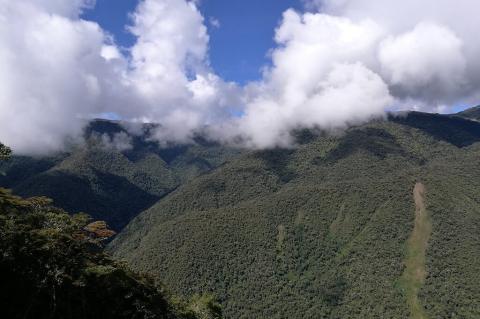
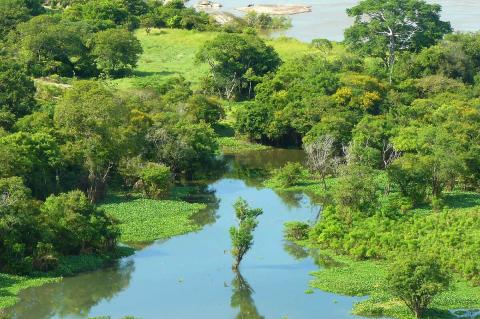
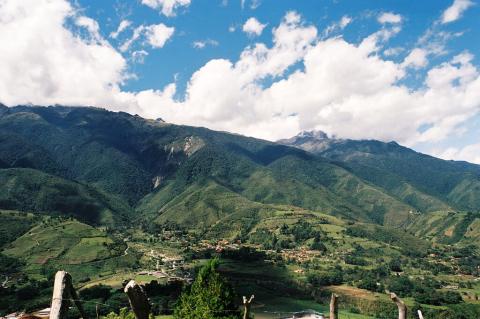
Nestled in northwestern Argentina, the Las Yungas Biosphere Reserve is a breathtaking embodiment of the region's rich biodiversity and cultural heritage. This vast protected area encompasses a landscape tapestry that seamlessly blends the high Andean mountain ecosystems with the lush subtropical lowlands, creating a unique transitional zone between the drier Gran Chaco region and the arid, high-altitude Puna region.

Lauca National Park and Biosphere Reserve: A Symphony of Nature

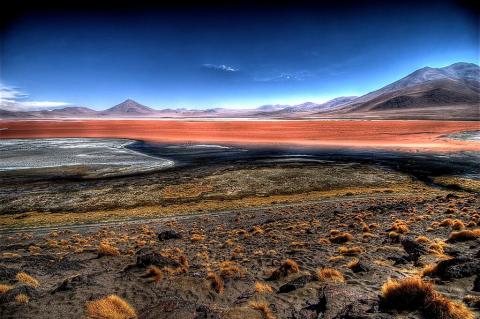
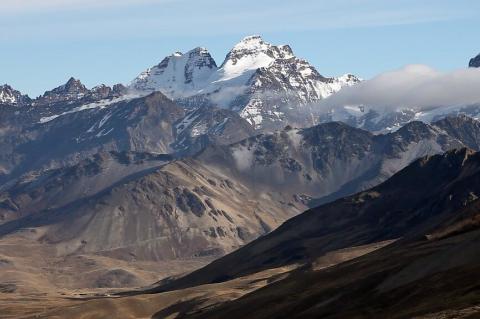
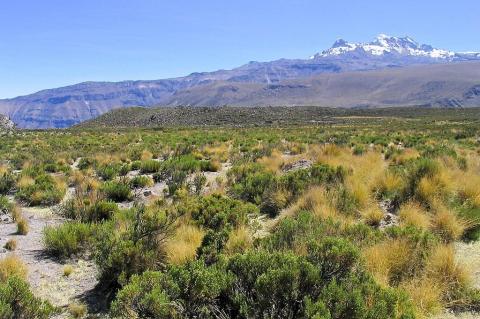
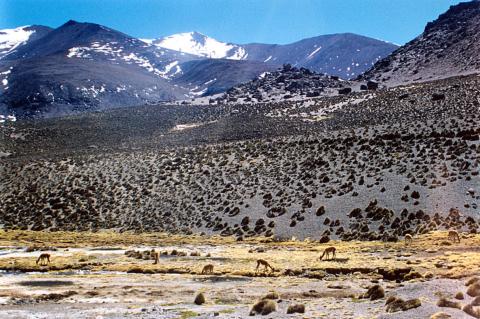
Nestled in the northernmost reaches of the Chilean Andes, Lauca National Park and the Lauca Biosphere Reserve present a breathtaking tableau of natural splendor and ecological diversity. These protected areas within the Central Andean dry puna ecoregion showcase the region's unique geological formations, rich biodiversity, and vibrant cultural heritage. The grandeur of the park and the surrounding reserve highlights their significance and the intricate web of life they sustain.

Leticia: Gateway to Colombia's Amazon Heartland

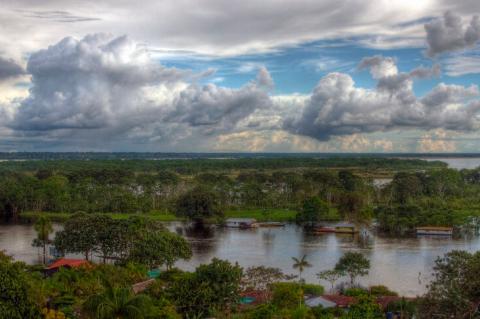
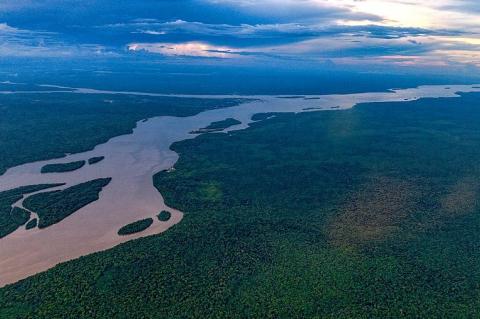
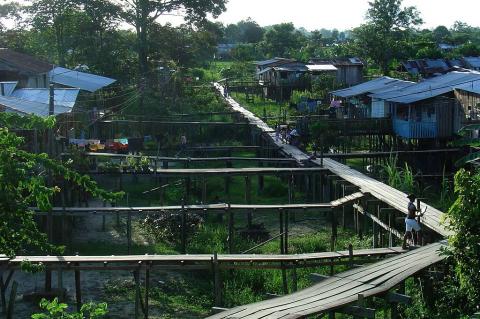
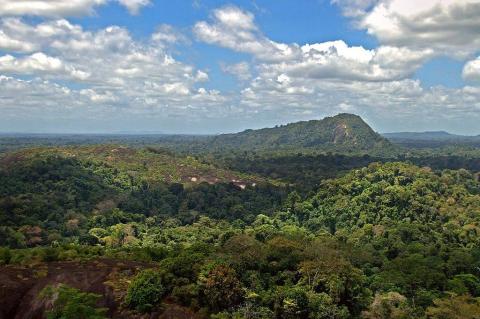
Leticia, a vibrant port town on the Amazon River, lies in the far southern reaches of Colombia, where the borders of Peru, Brazil, and Colombia converge. As the capital of the Department of Amazonas, Leticia blends cultural, historical, and ecological richness. Leticia's geographical, historical, and socio-economic aspects and the broader Department of Amazonas highlight their importance within Colombia and the Amazon Basin.

Licancabur Volcano: A Sacred Andean Colossus

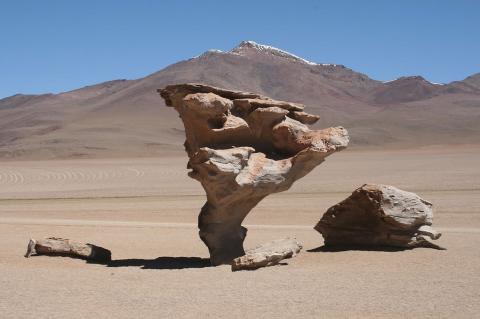
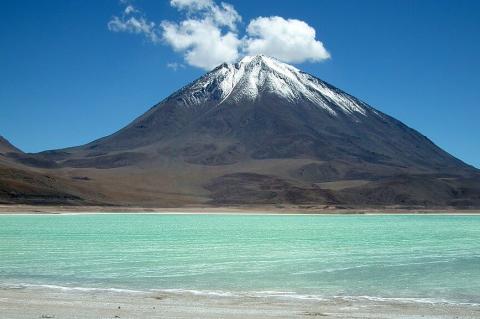
Towering above the arid landscapes of the Atacama Desert, where the borders of Bolivia and Chile converge, stands the majestic Licancabur Volcano. This imposing stratovolcano, with its symmetric cone, is a testament to the geological forces shaping the Andean landscape. Licancabur is a captivating natural wonder and a sacred site revered by the Atacameño people, who have long held it in high esteem. Beyond its cultural significance, this volcanic behemoth offers a unique glimpse into the region's geological history.

Lima, The City of Kings: Exploring the Heart of Peru

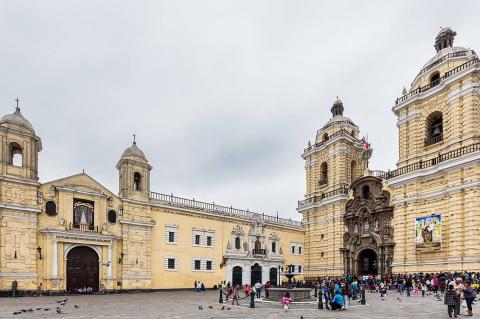
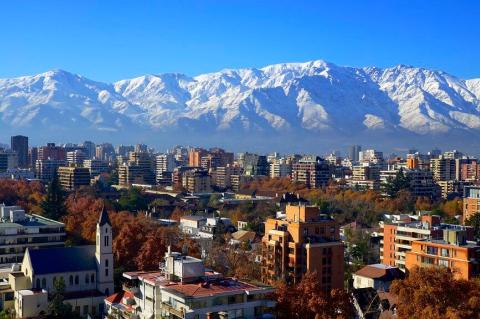
Lima, the vibrant capital of Peru, is a sprawling metropolis that gracefully bridges ancient heritage with contemporary allure. Established in 1535 by Spanish conquistador Francisco Pizarro and often referred to as La Ciudad de los Reyes or "The City of Kings," Lima sits on Peru's central western coast along the Pacific Ocean. The city is known for its rich tapestry of history, unique culinary scene, vibrant arts, and the dynamic blend of indigenous, Spanish, African, and Asian influences.

Llanganates National Park: Ecuador's Hidden Treasure

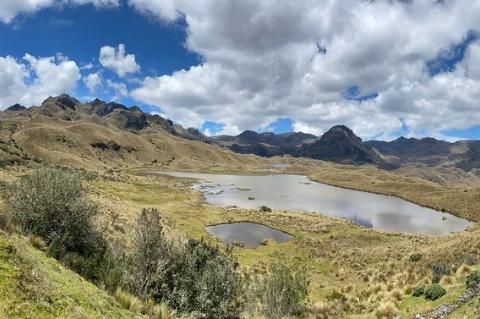
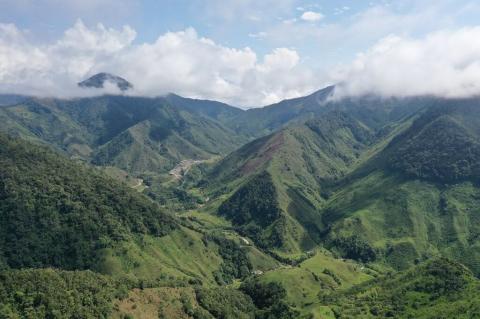
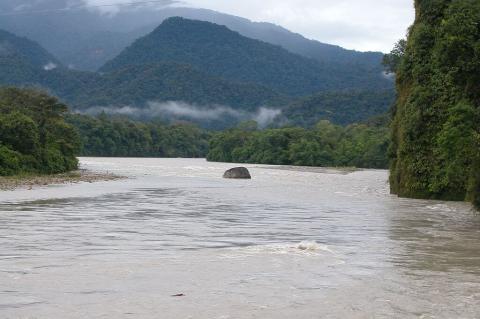
Nestled in the heart of Ecuador, Llanganates National Park is a sprawling protected area that spans the provinces of Cotopaxi, Napo, Pastaza, and Tungurahua. The expansive park is celebrated for its dramatic landscapes, rich biodiversity, and legendary tales of hidden treasures. Llanganates National Park is a haven for nature enthusiasts and adventurers and a significant site for historical and cultural exploration.

Llanos de Challe National Park: A Coastal Desert Ecosystem in Northern Chile

Llanos de Challe National Park, situated along the coast of northern Chile's Atacama Region, is a captivating natural area known for its unique coastal desert ecosystem. The park is characterized by its diverse flora and fauna and striking landscapes shaped by its fog-fed ecosystem. Exploring the park's geographical features, biological diversity, and ecological significance offers a deeper understanding of its role in preserving the natural heritage of the Atacama Desert.