South America

Madeira River: A Lifeline of the Amazon Basin

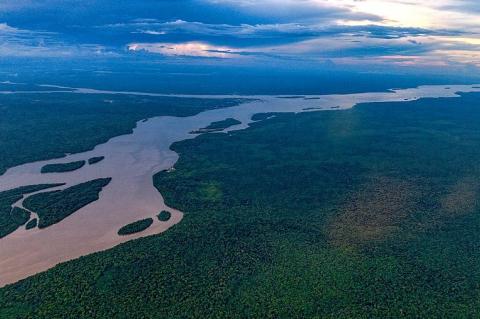
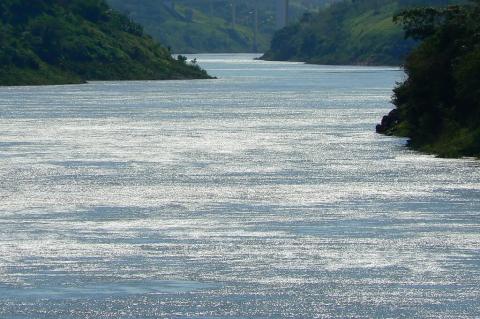
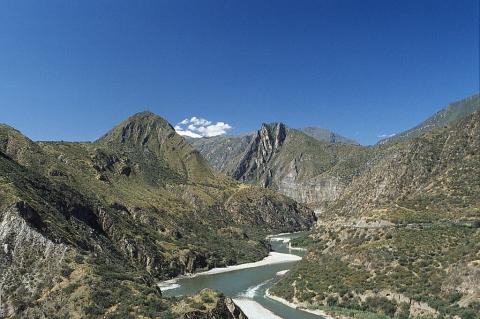
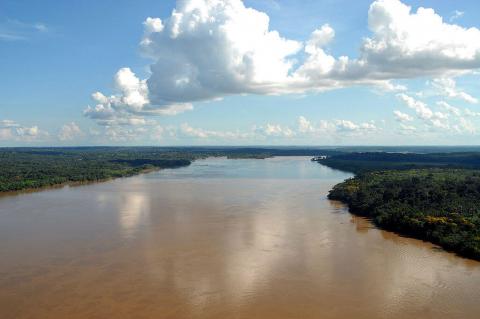
The Madeira River is one of South America's most significant waterways, playing a crucial role in the hydrology of the Amazon Basin. It is the largest and most important tributary of the Amazon River, making it a vital component of the region's ecosystem. Spanning Bolivia and Brazil, this mighty river traverses diverse landscapes and supports an array of flora and fauna, underscoring its importance as both a natural resource and a habitat.

Madidi National Park: Bolivia's Breathtaking Biodiversity Oasis

Madidi National Park in Bolivia is a biodiversity oasis in the upper Amazon River basin. It safeguards diverse ecoregions and climates, forming a vast protected network. Madidi is a biological marvel, hosting an extravaganza of fauna and flora. It also hosts Indigenous communities facing challenges. Conservation initiatives emphasize this global treasure's delicate harmony of nature and culture.

Magdalena River and Basin: Colombia's Lifeline

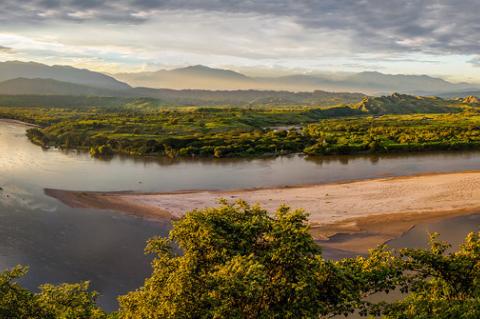
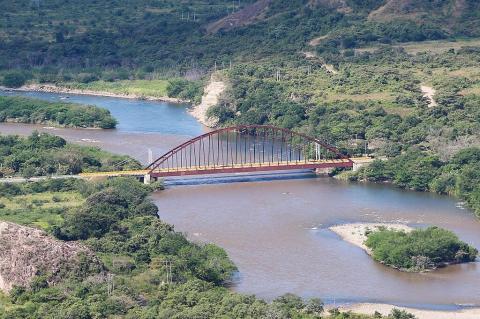
Flowing gracefully through the heart of Colombia, the Magdalena River stands as the country's principal waterway, weaving its way from the towering peaks of the Andes to the sun-kissed shores of the Caribbean Sea. Carving a path through diverse landscapes and ecosystems, this mighty river and its expansive basin serve as the lifeblood of Colombia, nurturing vibrant communities, sustaining vital ecosystems, and shaping the nation's cultural and economic landscape.

Malpelo Island: A Marine Sanctuary of Biodiversity

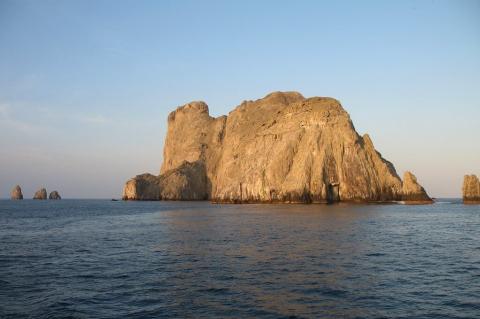
Malpelo Island and the Malpelo Fauna and Flora Sanctuary are remarkable natural treasures located off the coast of Colombia in the Pacific Ocean. Malpelo Island is a critical biodiversity hotspot, supporting unique marine and terrestrial life despite its small size. The surrounding sanctuary, a vast marine protected area, is recognized globally for its pristine ecosystems and rich biodiversity.

Manaus: Gateway to the Amazon

Situated at the confluence of the Negro and Solimões Rivers, Manaus is a vibrant metropolis that serves as the gateway to the Amazon Rainforest. As the capital of the Brazilian state of Amazonas, Manaus is a city of contrasts, where urban life thrives amidst one of the most biodiverse regions on the planet. Known for its historical significance during the rubber boom and its modern role as a hub for eco-tourism and commerce, Manaus offers a unique blend of culture, history, and natural wonders.

Manú National Park: Where the Andes Meet the Amazon

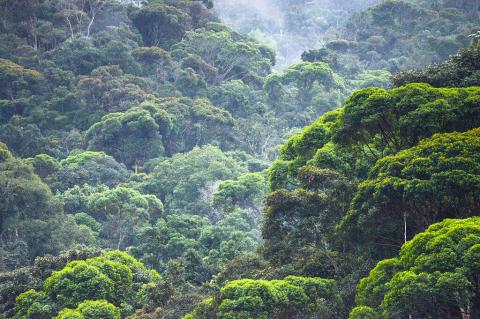
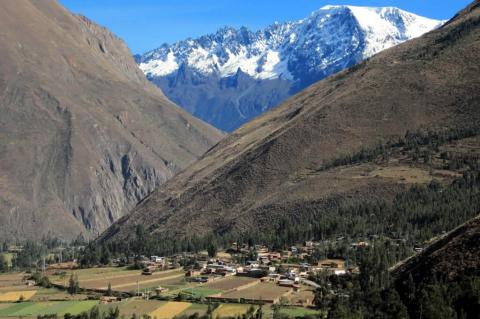
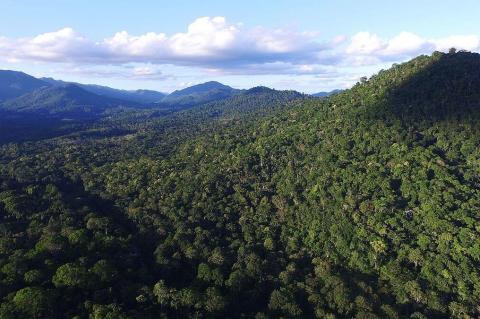
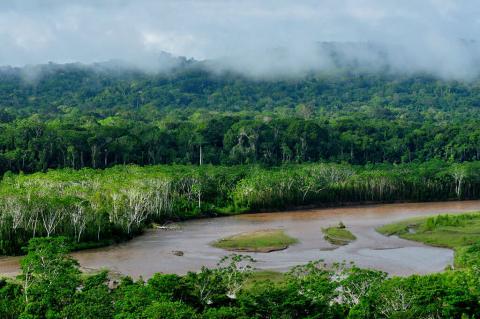
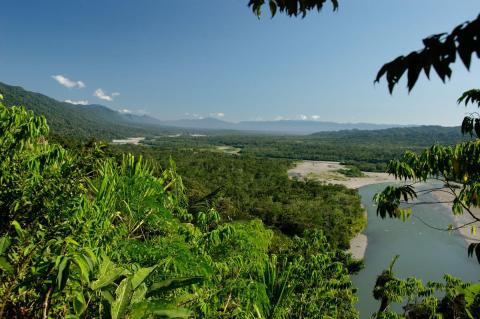
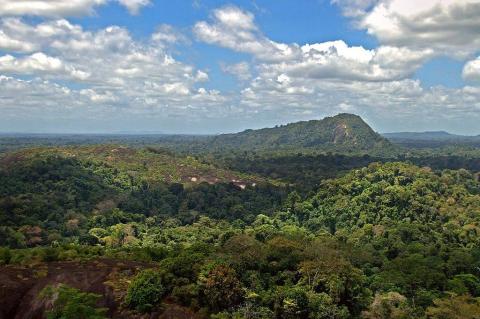
Manú National Park, located deep within Peru, where the mighty Andes transition into the lush Amazon Rainforest, is one of the planet's most remarkable wild regions. Its protected expanse stretches from snow-capped mountains to steamy lowland jungles, creating a sanctuary for an astonishing diversity of life—surpassing nearly every other place on Earth. This vast reserve not only conserves thriving wildlife but also safeguards Indigenous peoples who have lived in harmony with these forests for thousands of years.
Manzana de las Luces: The Illuminated Heart of Buenos Aires

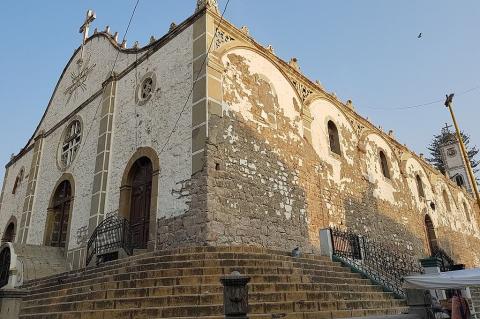
At the heart of Buenos Aires, nestled in the historic Monserrat neighborhood, lies one of Argentina's most significant cultural landmarks: Manzana de las Luces. This block, rich in historical and architectural heritage, dates back to the late 17th century and has played a central role in the development of Argentina's academic, religious, and civic institutions. From its origins as a Jesuit mission to its role as a hub of intellectual and political activity, Manzana de las Luces is a testimony to colonial Buenos Aires and the Enlightenment ideals that shaped its evolution.
Mar Chiquita Biosphere Reserve: Argentina's Coastal Conservation Haven

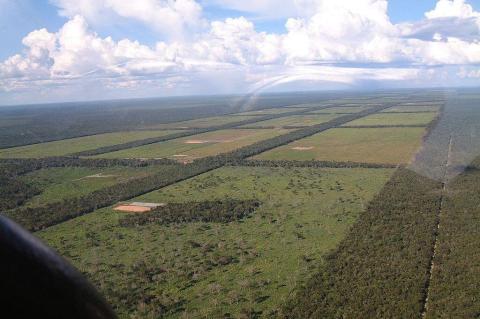
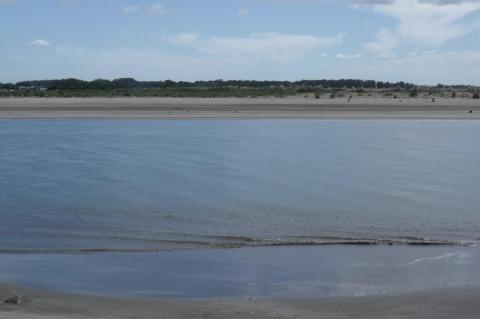
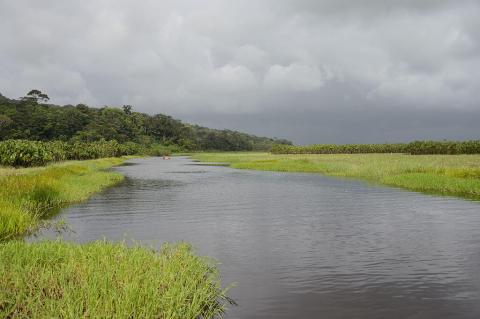
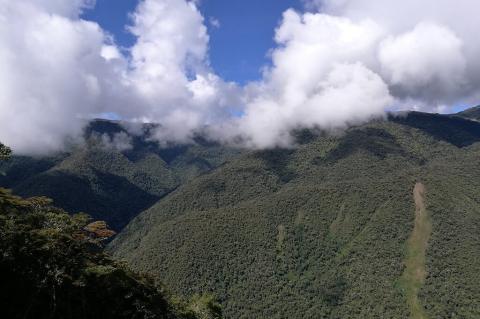
Nestled within the Chaco savanna region just north of Mar de Plata on the Atlantic coast in Buenos Aires Province, Argentina, the Mar Chiquita Biosphere Reserve is a testament to the remarkable biodiversity and ecological significance of Argentina's coastal plains. Comprising the 'Parque Atlántico Mar Chiquita,' this reserve boasts a rich tapestry of habitats, ranging from expansive savannas to hyper-saline lakes, offering sanctuary to a diverse array of flora and fauna.
Maracaibo Lake and Basin: The Geologic and Economic Heart of Venezuela

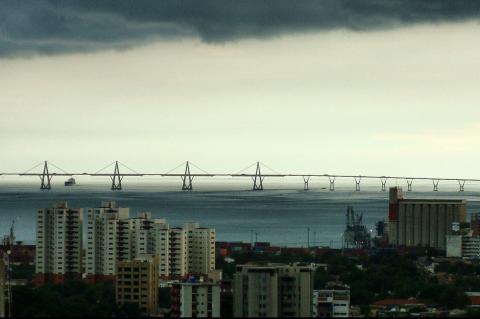
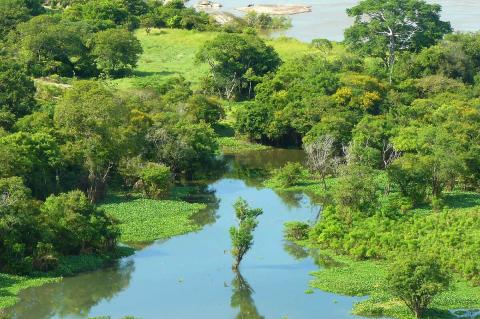
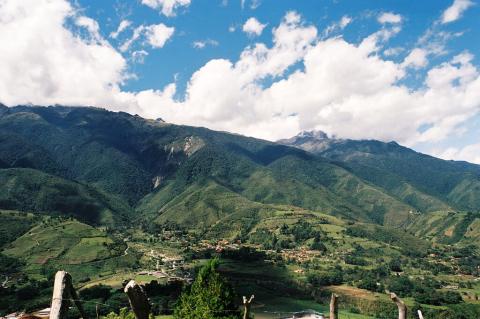
Lake Maracaibo, situated in the Maracaibo Basin of northwestern Venezuela, is a large brackish tidal estuary and an inlet of the Caribbean Sea. Numerous rivers feed the lake, the largest of which is the Catatumbo. With their rich petroleum reserves, dynamic weather phenomena, and significant economic contributions, Lake Maracaibo and the Maracaibo Basin are central to Venezuela's geography and economy.

Marajó Archipelago: Brazil's Ecological and Cultural Treasure

The Marajó Archipelago, the largest fluvial-maritime archipelago on Earth, is a breathtaking expanse in Amapá and Pará in Brazil. This unique and ecologically diverse region stretches from the mouth of the Amazon River to the Atlantic Ocean, encapsulating a myriad of natural wonders and rich cultural history. Renowned for its ecological significance and archaeological treasures, the Marajó Archipelago offers a fascinating glimpse into the intricate interplay between nature and human civilization.