South America

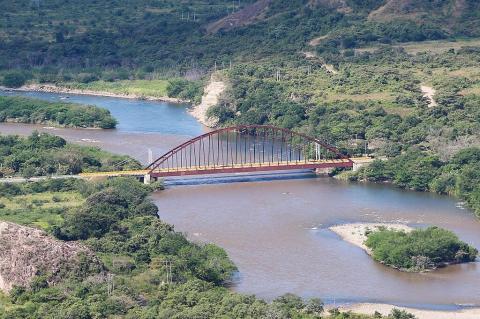
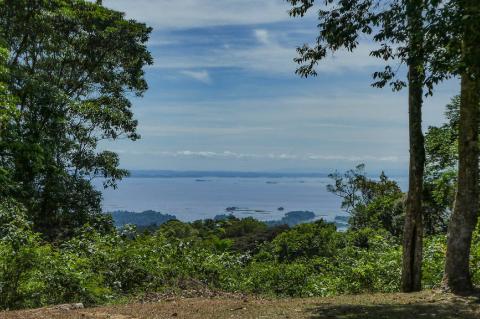
The Endless Horizon: Exploring Colombia's Orinoco Natural Region

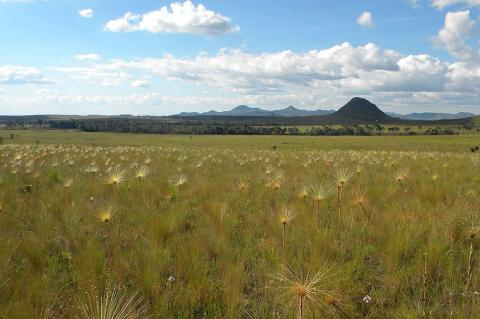
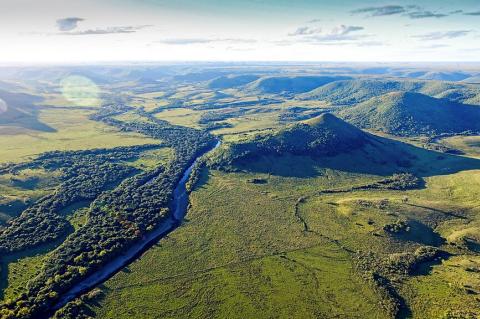
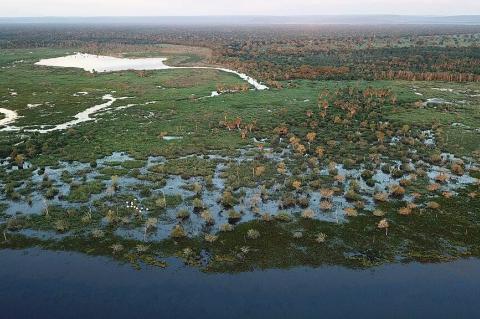
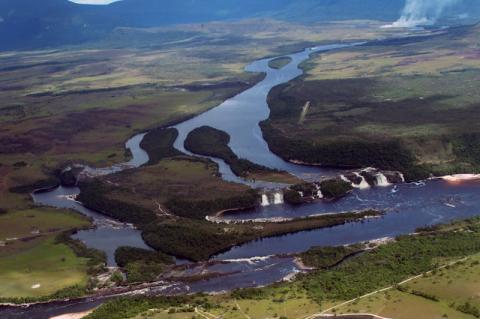
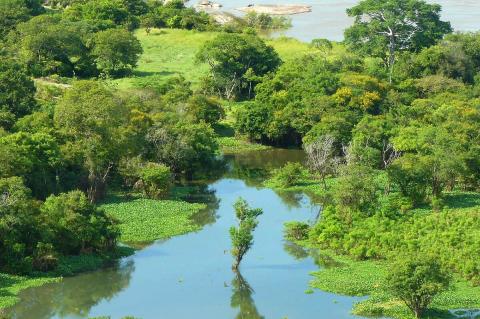
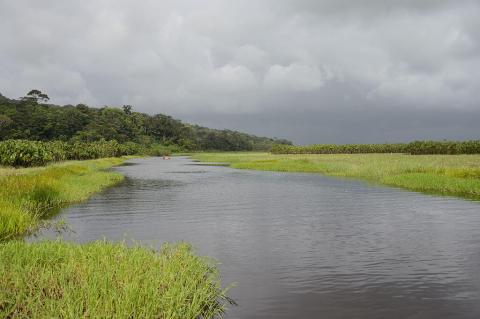
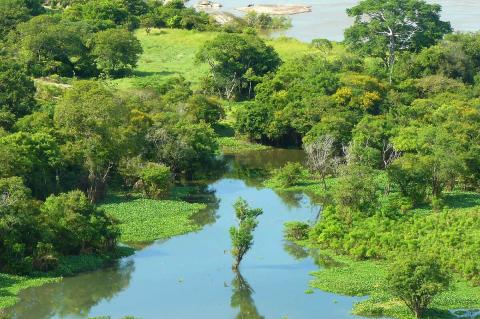
Colombia's Orinoco Natural Region, also known as the Orinoquía or the Eastern Plains, is a vast and sparsely populated expanse stretching east of the majestic Andes Mountains. Forming part of the immense Llanos, a tropical grassland plain shared with Venezuela, this region is defined by its flat, open savannas, integral connection to the Orinoco River watershed, and unique biodiversity adapted to the seasonal wet and dry cycles. While less densely populated than other Colombian regions, the Orinoquía holds significant ecological importance.
The Enigmatic and Ancient Chinchorro Culture of Chile

Nestled along the arid coastal regions of northern Chile, the Archaeological Sites of the Chinchorro Culture stand as a testament to one of the oldest and most remarkable pre-Columbian civilizations in the Americas. This unique culture, which thrived for over 5,000 years, has left an indelible mark on the region's rich archaeological heritage, shedding light on the resilience and ingenuity of the human spirit.
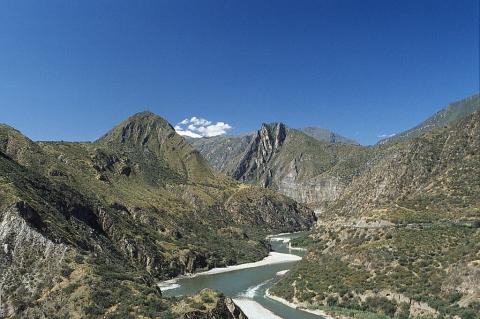
The Enigmatic Argentine Monte: Unveiling the Secrets of a Unique Desert Ecoregion

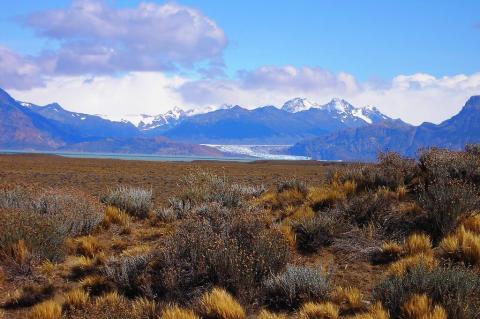
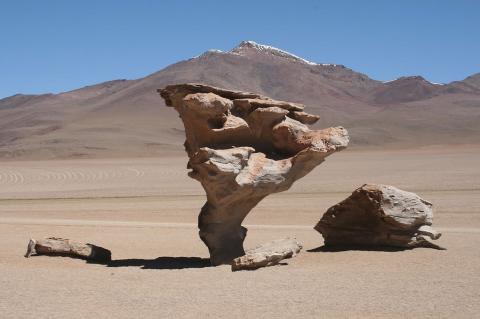
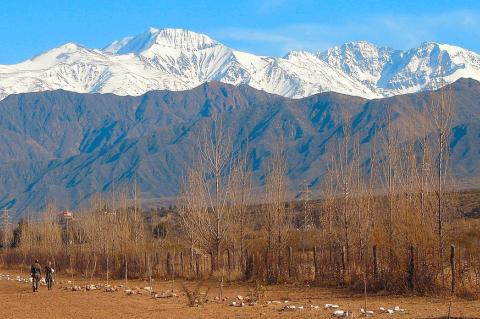
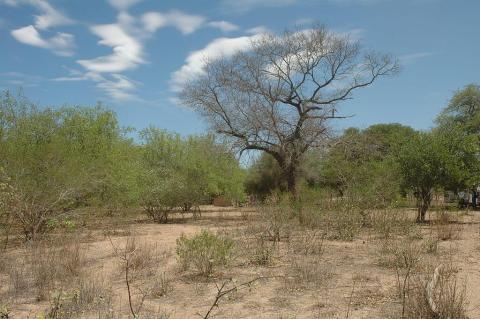
Nestled within the heart of Argentina, the Monte Desert and its encompassing ecoregion, the Argentine Monte, offer a captivating glimpse into a realm of stark beauty and remarkable resilience. This vast expanse is a tapestry woven with diverse landscapes, unique flora, and enigmatic fauna. Characterized by its arid conditions and the interplay of mountain ranges, this region is a testament to nature's ability to thrive in even the harshest environments.

The Enigmatic Waters of Lake O'Higgins: A Natural Wonder of Patagonia

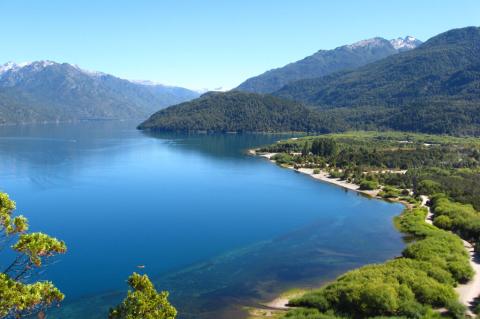
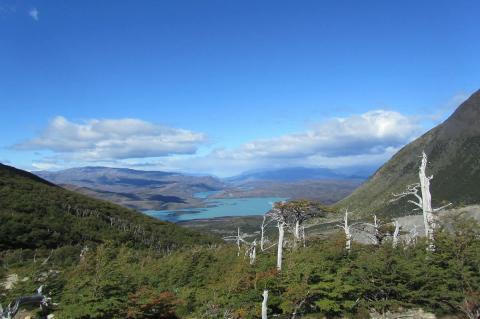
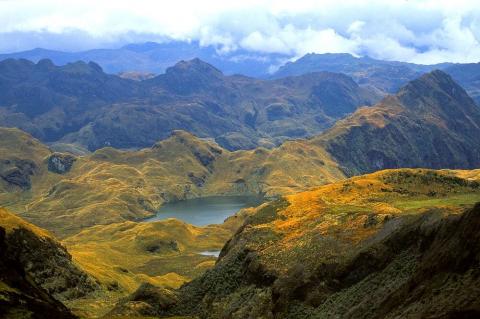
Nestled deep within the rugged wilderness of Patagonia, Lake O'Higgins is one of the most breathtaking and remote bodies of water in South America. Straddling the border between Chile and Argentina, it is known as Lake San Martín in Argentina, reflecting the intertwined histories of both nations. Renowned for its striking turquoise waters, immense depth, and dramatic fjords, it is a natural masterpiece shaped by glacial activity and the relentless forces of the Patagonian climate.

The Federal District of Brazil: A Political and Cultural Hub

The Federal District of Brazil, known as Distrito Federal, is a unique administrative region that plays a pivotal role in the nation's governance and identity. Established as the capital of Brazil, Brasília exemplifies modern urban planning and serves as the epicenter of political activity in the country. The Federal District stands out as a vital component of Brazil's national narrative with a distinct blend of history, governance, economy, and cultural richness.

The Galápagos Archipelago: Conservation, Challenges, and Evolutionary Marvels

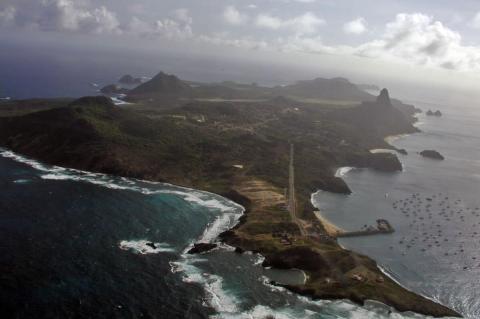
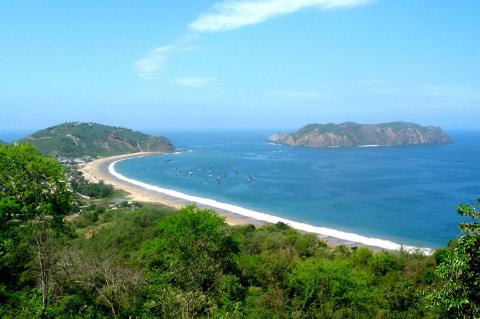
The Archipiélago de Colón, more widely known as the Galápagos Islands, is an archipelago located in the Pacific Ocean west of the coast of Ecuador, the nation to which the islands belong. These islands are renowned for their unique biodiversity and pivotal role in developing the theory of evolution by natural selection, proposed by Charles Darwin. The islands, encompassing the Galápagos Province, the Galápagos National Park, and the Galápagos Marine Reserve, represent one of the planet's most important and unique ecological areas.

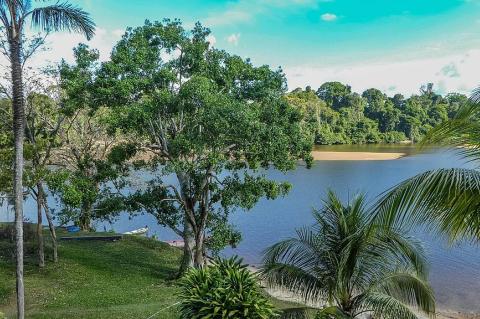
The Green Heart of Colombia: Exploring the Amazon Natural Region

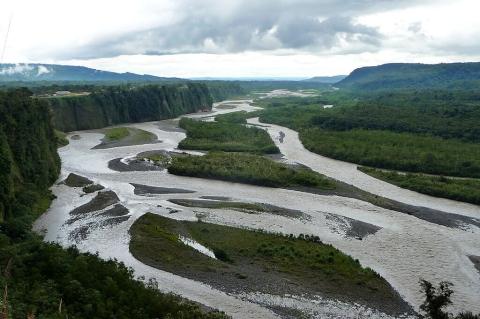
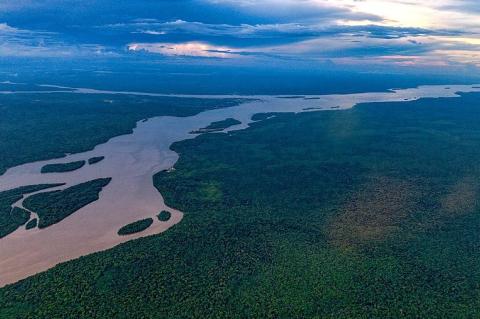
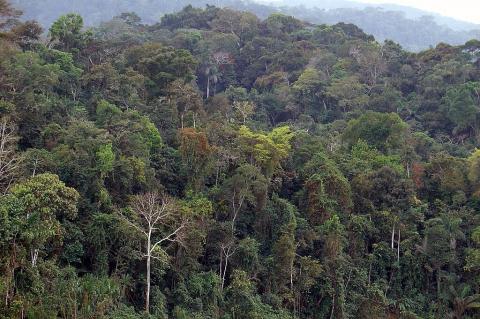
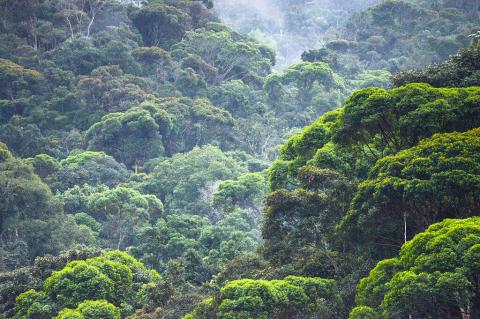
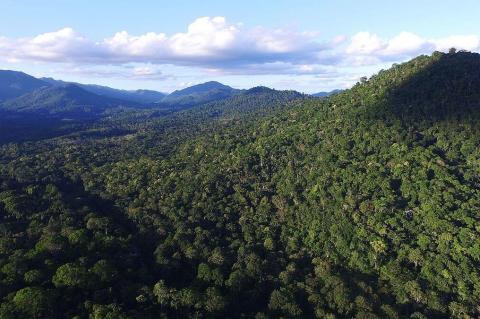
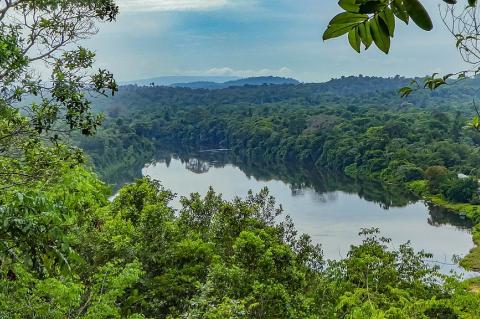
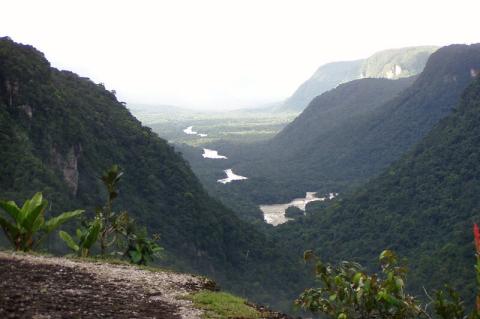
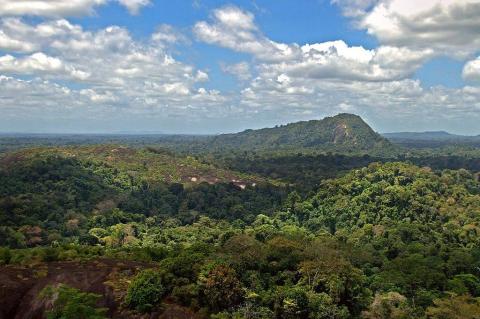
Colombia's Amazon Natural Region, a sprawling expanse in the country's southern reaches, is overwhelmingly dominated by dense, biodiverse tropical rainforest, bounded to the west by the eastern slopes of the Cordillera Oriental of the Colombian Andes and extending eastward to the borders with Venezuela and Brazil. As the most heavily forested and least populated of Colombia's natural regions, the Amazon Natural Region is a critical global lung, boasting unparalleled biodiversity and intricate ecological processes.

The Guano Reserve System: Balancing Nature and History Along Peru's Coast

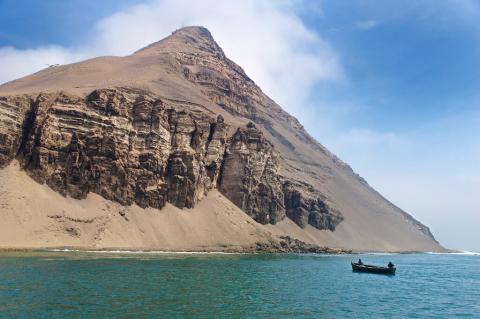
The Guano Islands, Islets, and Capes National Reserve System is one of Peru's most critical protected areas, safeguarding a network of coastal habitats rich in biodiversity and natural resources. The reserve spans the length of the Peruvian coastline, comprising islands, islets, and a collection of coastal promontories. With a primary focus on conserving marine ecosystems and the historic guano-producing islands, the reserve system is a vital refuge for numerous species of birds, marine mammals, and marine life, many of which rely on the nutrient-rich waters of the Humboldt Current.

The Guaraní Aquifer System: South America's Hidden Ocean and the Future of Freshwater Security

Deep beneath four South American nations lies the Guaraní Aquifer System (GAS), one of Earth's most remarkable geological treasures. Spanning 1.2 million square kilometers of Argentina, Brazil, Paraguay, and Uruguay, it creates an underground hydrological empire rivaling the Mediterranean Sea. Named after the Indigenous Guaraní people, this aquifer system represents far more than a simple water source—it embodies the interconnected destiny of four nations and serves as a critical bulwark against regional water insecurity in an era of climate uncertainty.

The Guaraní People: Resilience, Resistance, and Revival

For centuries, the Guaraní people have been a defining force in the cultural and historical landscape of South America. With a presence that spans Paraguay, Brazil, Argentina, and Bolivia, they are one of the most prominent Indigenous groups in the region. Their language, Guaraní, remains one of the few Indigenous tongues to achieve national recognition and widespread use, particularly in Paraguay.