South America

The Muisca Civilization: Guardians of the Andean Highlands

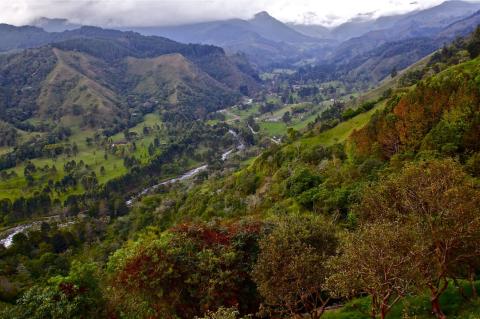
The Muisca, also known as the Chibcha, was one of the most sophisticated Indigenous civilizations of pre-Columbian South America. Inhabiting the high-altitude plateaus of present-day Colombia, the Muisca developed an advanced society that thrived on agriculture, trade, and metallurgy. Unlike the expansive empires of the Inca and Aztecs, the Muisca organized themselves into a confederation of chiefdoms, balancing political autonomy with cultural unity.

The Napo Moist Forests: A Biodiversity Hotspot in the Amazon Basin

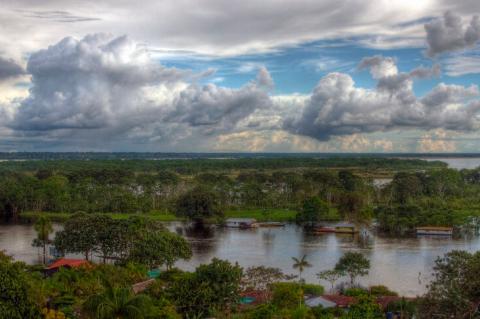
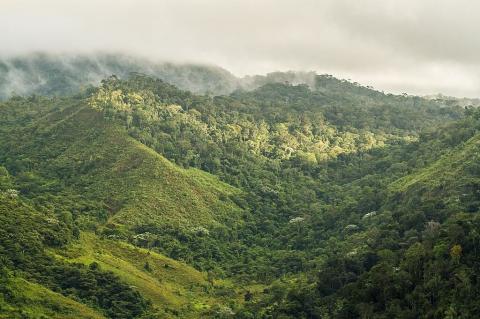
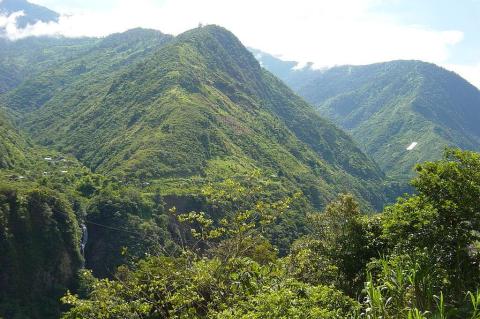
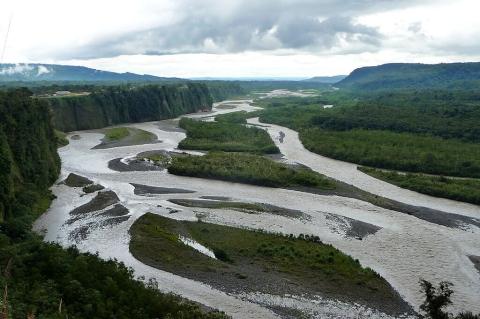
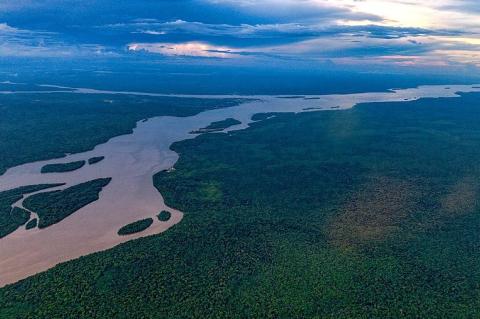
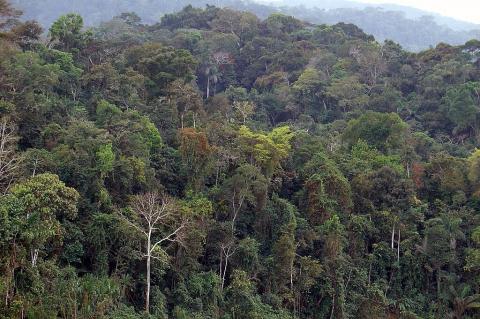
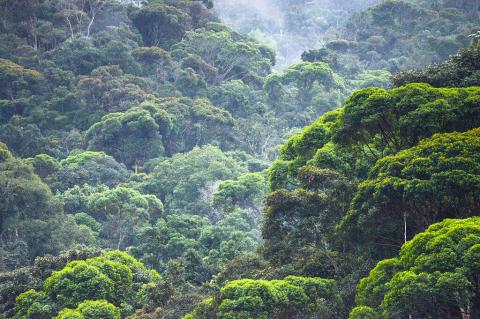
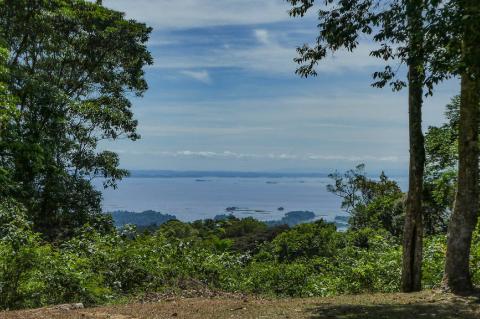
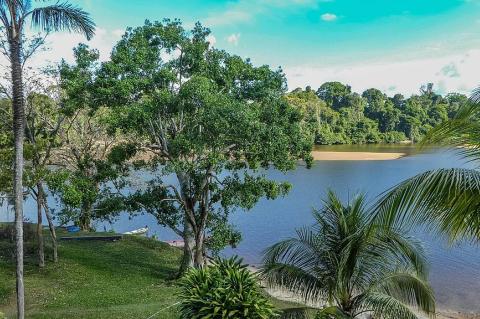
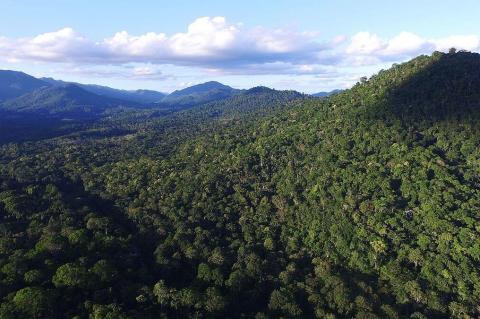
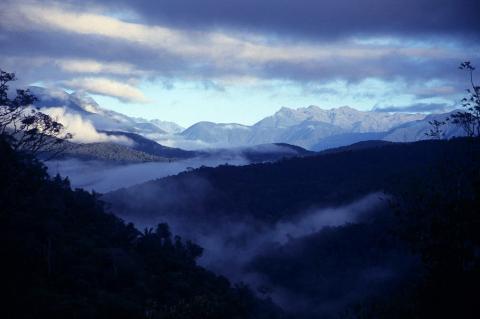
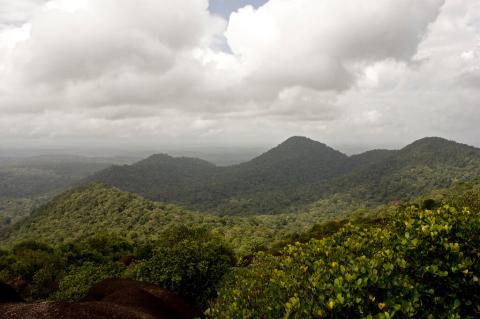
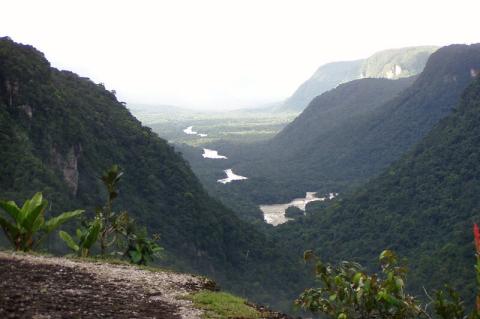
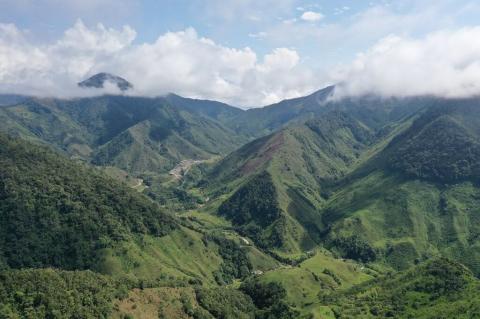
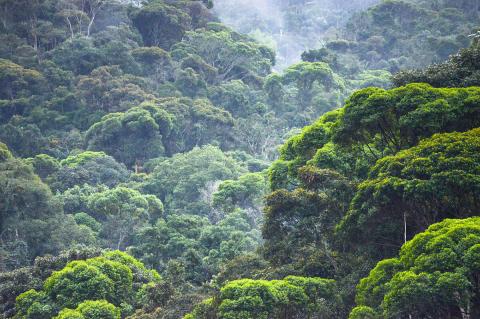
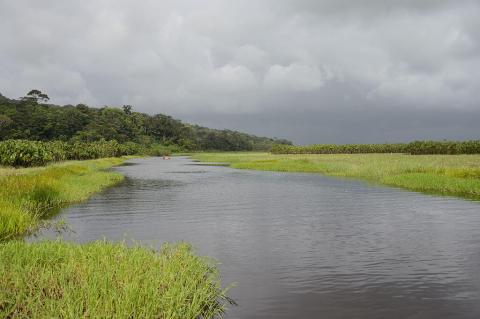
The Napo Moist Forests ecoregion, a lush and diverse expanse of tropical rainforest, is located in the western Amazon Basin, primarily within Ecuador and Peru, extending into southern Colombia. This ecoregion, known for its unparalleled biodiversity, encompasses a variety of habitats, from lowland rainforests to montane forests, supporting an incredible array of flora and fauna. The region's ecological significance and cultural heritage make research and protection vital.

The Natural Splendor of Cerro Castillo National Park

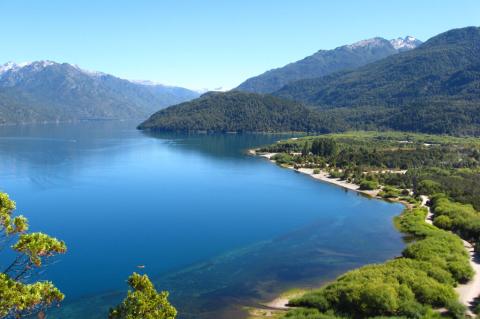
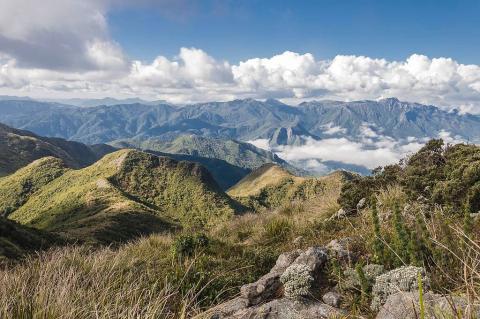
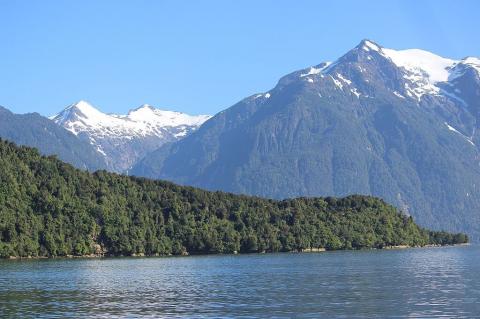
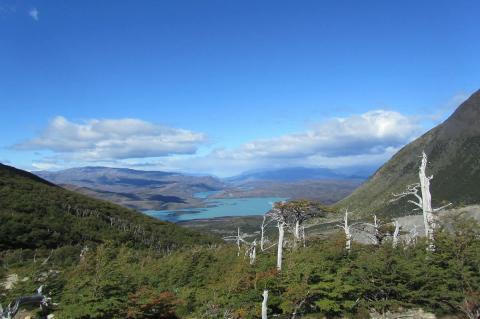
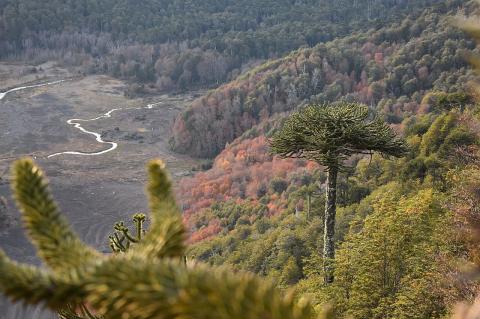
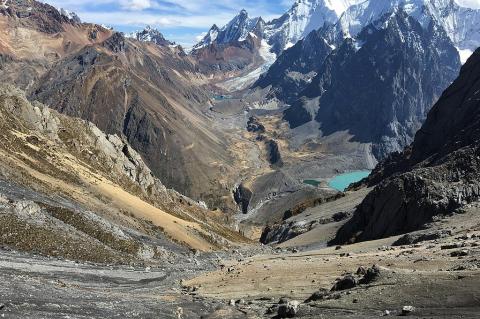
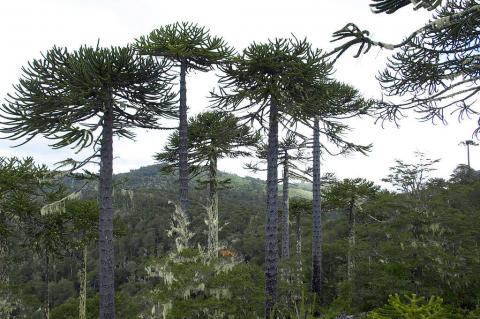
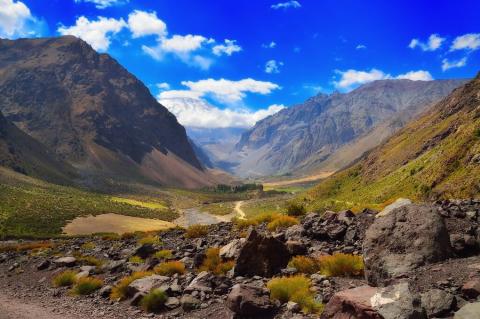
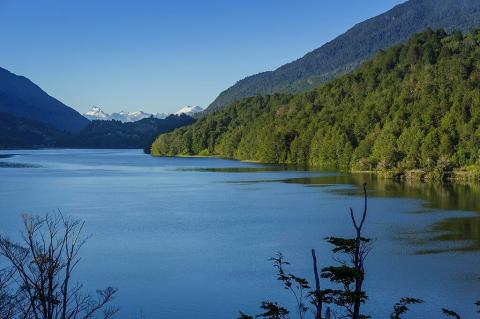
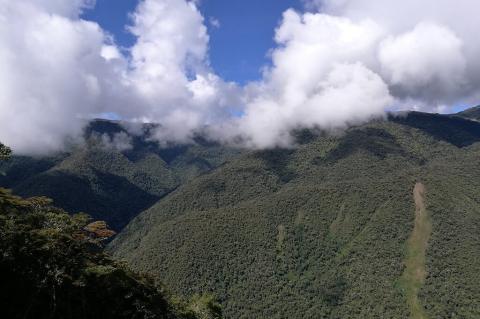
Cerro Castillo National Park, located in the Aysén Region of southern Chile, is a stunning example of Patagonia's natural beauty and biodiversity. Named after the majestic Cerro Castillo peak, the park is a haven for those seeking to experience southern Chile's raw, unspoiled wilderness. With its dramatic landscapes, diverse ecosystems, and rich wildlife, Cerro Castillo National Park provides a unique and captivating glimpse into the heart of the Patagonian Andes.
The Nazca Civilization: Masters of the Desert and the Sky

The Nazca civilization flourished along the southern coast of present-day Peru between approximately 200 BCE and 650 CE, leaving behind an enduring legacy of intricate ceramics, advanced irrigation systems, and the enigmatic Nazca Lines. Developing in one of the driest regions on Earth, the Nazca people mastered the harsh desert environment, creating an agricultural society that defied the extreme aridity of the Nazca Desert.
The Nazca Lines: Mysteries of Ancient Peru

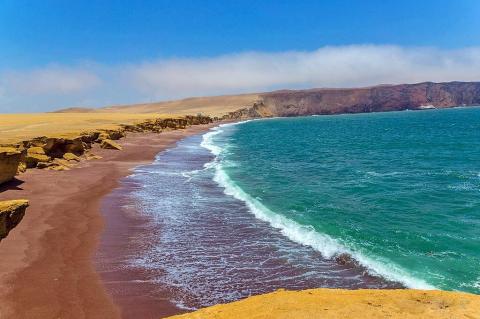
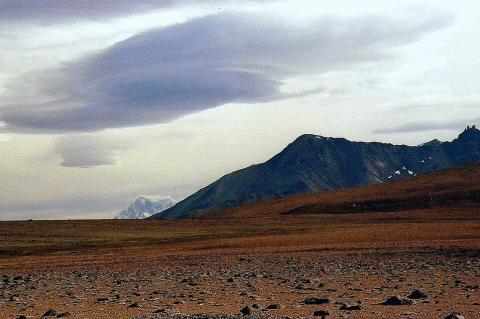
The arid plains of southern Peru, etched with a mesmerizing network of colossal geoglyphs, stand as a profound testament to the artistic and intellectual capabilities of the ancient Nasca and Paracas cultures. Stretching across the ochre-hued expanse known as the Nazca Desert, or Pampa Colorada (Red Plain), and extending into the neighboring Pampas de Jumana, these striking formations represent one of the world's most iconic and enduring archaeological enigmas.

The Nazca Plate: Engine of Andean Formation

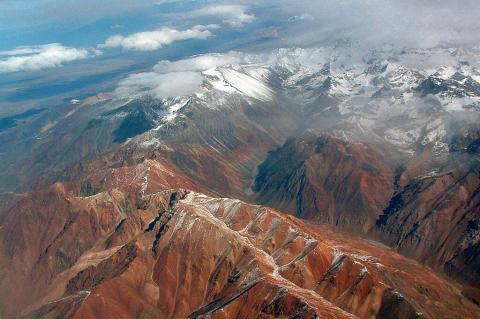
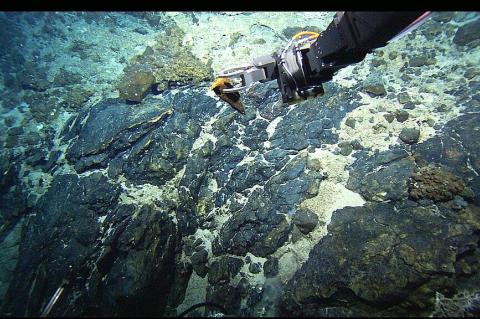
The Nazca Plate, a medium-sized oceanic plate covering approximately 15 million square kilometers (5.8 million square miles), serves as the primary force behind the formation of the Andes Mountains and volcanic activity along South America's western edge. Named after the Nazca region in southern Peru, this entirely oceanic plate illustrates how oceanic-continental convergence gives rise to some of Earth's most impressive geological features.

The Norte Chico Civilization: The Birth of Complex Society in the Americas

Long before the rise of the Inca, an ancient civilization flourished along the arid coastline of present-day Peru. The Norte Chico civilization, dating back to around 3000 BCE, is one of the earliest known complex societies in the Americas. Emerging in the river valleys of the north-central coast, this civilization developed monumental architecture, advanced urban centers, and intricate social structures, laying the foundations for later Andean cultures.

The Northern Andean Páramo: A High-Altitude Sanctuary of Biodiversity

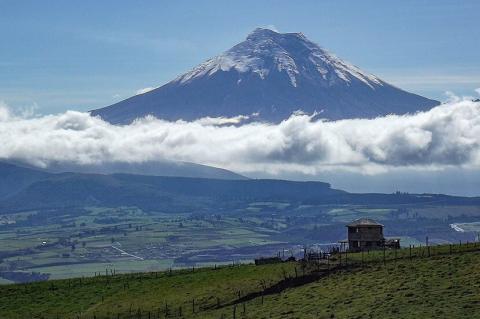
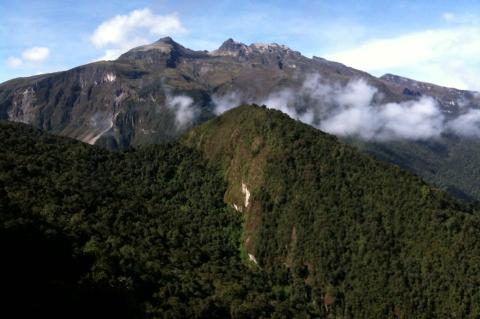
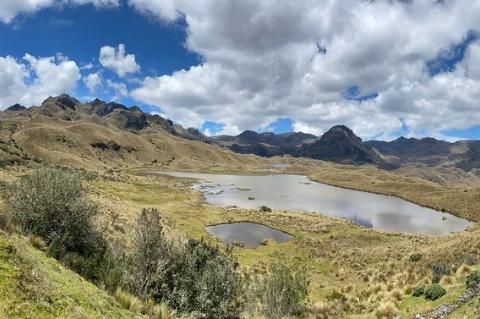
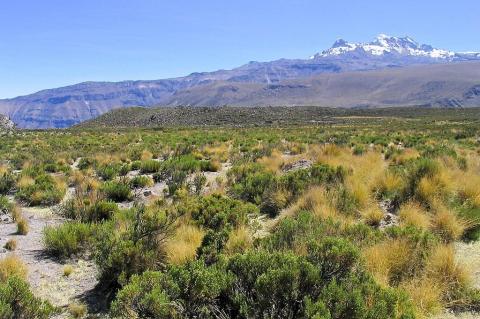
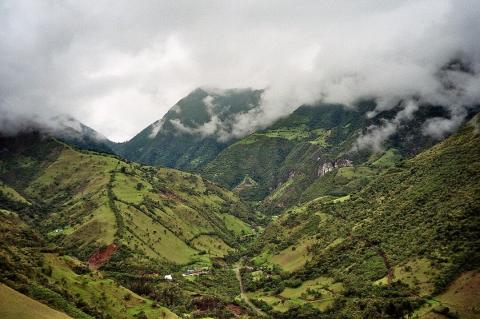
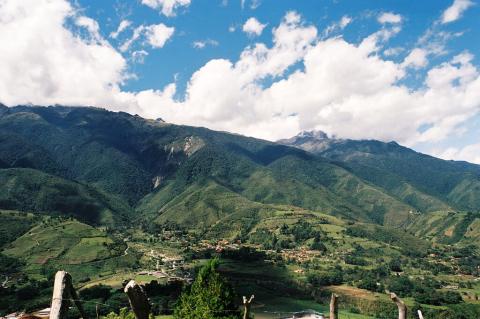
Soaring high above Colombia and Ecuador's cloud forests and montane landscapes, the Northern Andean páramo is a truly remarkable and unique ecoregion. This vast expanse of high-altitude grasslands, wetlands, and shrublands is a vital component of the Andes ecosystem and a global biodiversity hotspot teeming with an array of specialized plant and animal life found nowhere else on Earth.

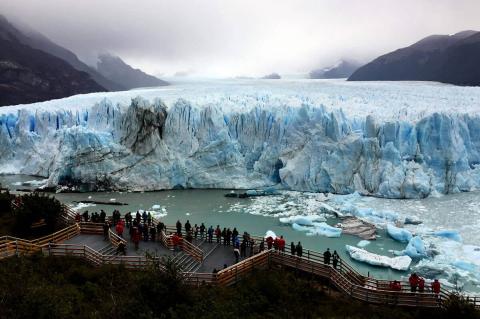
The Northern Patagonian Ice Field: A Living Testament to Chile's Glacial Past

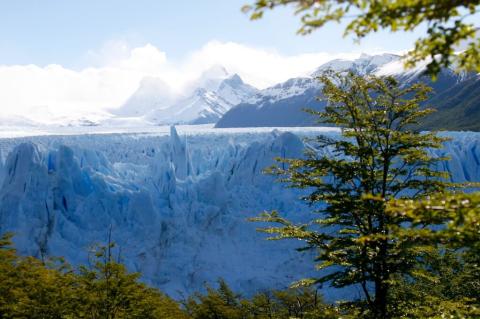
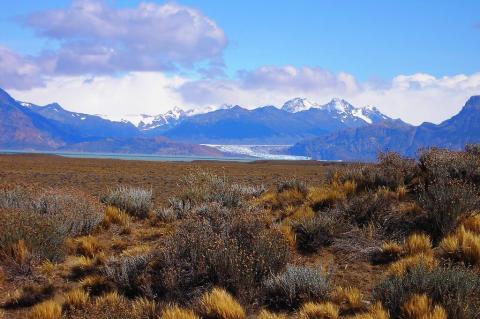
Nestled within the breathtaking and rugged landscapes of southern Chile, the Northern Patagonian Ice Field stands as a profound testament to the enduring power and legacy of the Andes Mountains. This immense ice mass, smaller than its southern counterpart but no less magnificent, represents one of the last major remnants of the once-vast Patagonian Ice Sheet. Its entirety lies protected within the boundaries of the Laguna San Rafael National Park, a designated UNESCO Biosphere Reserve, underscoring its immense ecological and scientific value.

The Orinoco River: South America's Arc of Life

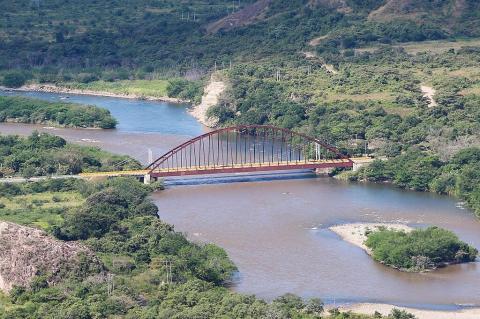
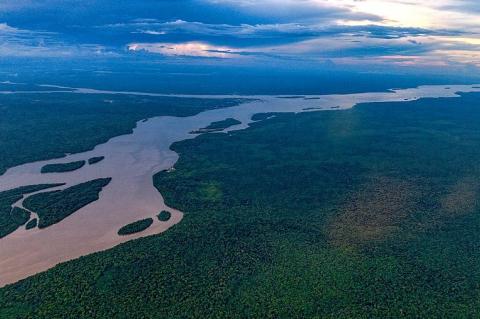
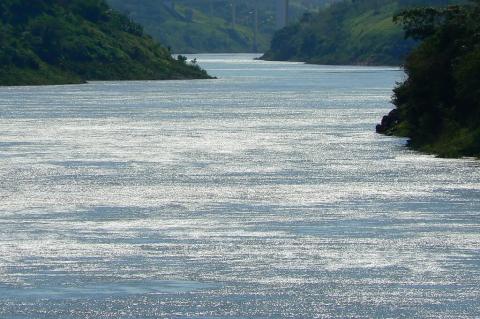
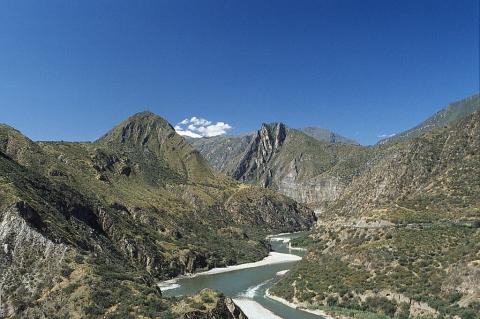
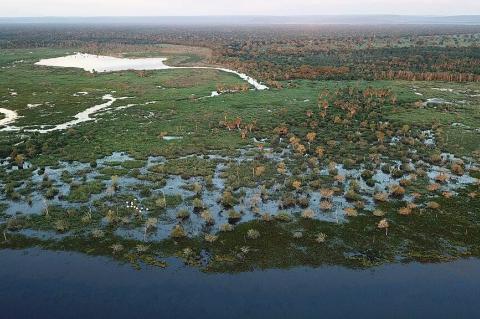
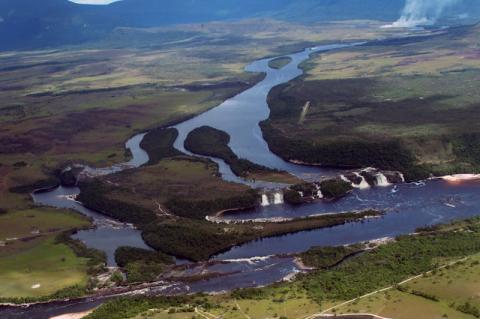
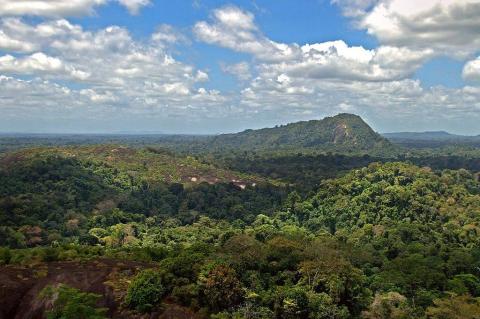
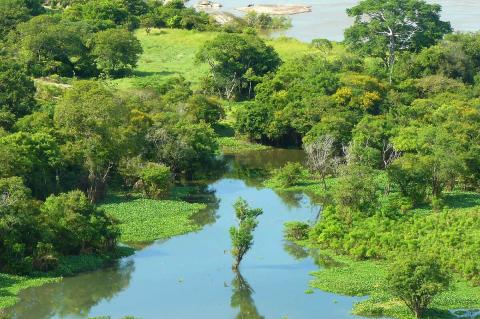
The Orinoco River, one of South America's largest and most significant rivers, winds through Venezuela and Colombia, serving as a crucial waterway for transportation and sustenance. Originating in the Sierra Parima mountains of the Guiana Highlands, the Orinoco flows through some of the most biodiverse and ecologically important regions in northern South America before reaching its vast delta and emptying into the Atlantic Ocean. The river and its basin are vital natural resources, supporting rich ecosystems, indigenous cultures, and human populations.