South America

The Semi-Arid Heart of Chile: Ecology, Agriculture, and Astronomy in the Norte Chico

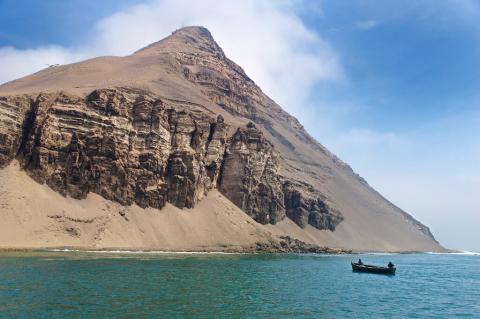
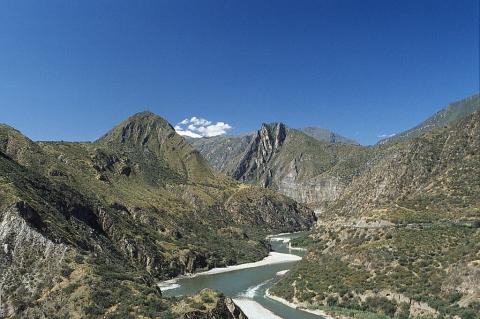
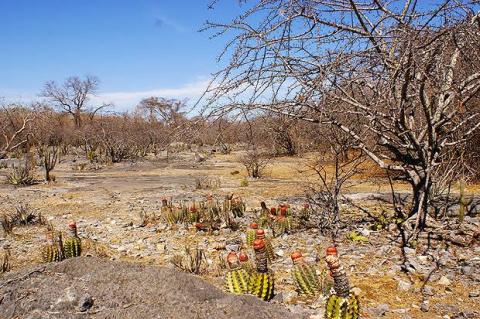
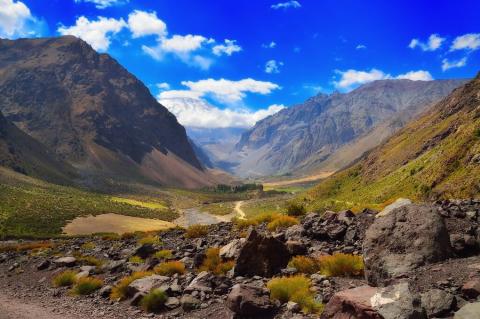
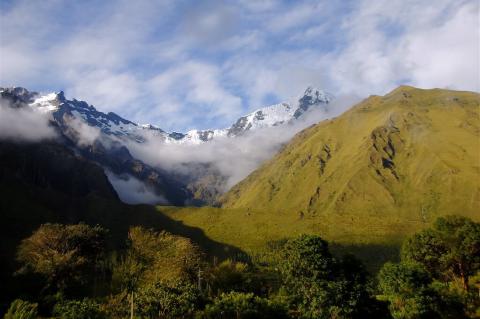
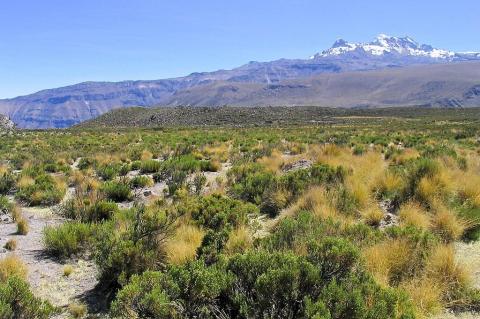
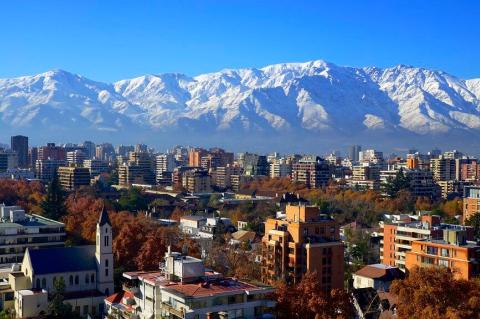
Chile's Norte Chico, the "Near North," region is a vital transitional zone from the arid Copiapó River to the temperate Aconcagua River. This area demonstrates a shift from the hyperaridity of the Norte Grande to the Mediterranean-like central zone. The Norte Chico features semi-arid climates, distinctive valleys, endemic biodiversity, and a rich history tied to agriculture and mineral extraction. Its landscapes, ranging from foggy coastlines to fertile valleys and the slopes of the Andes, reveal the ecological and geographical gradients of Chile.

The Serranía del Baudó: Colombia's Hidden Biodiversity Sanctuary

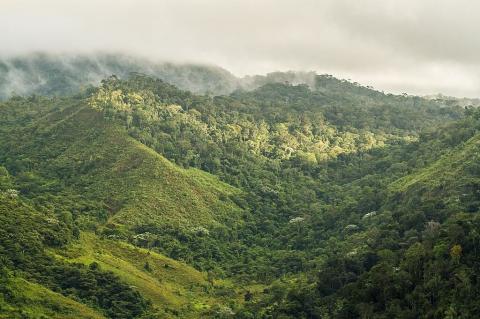
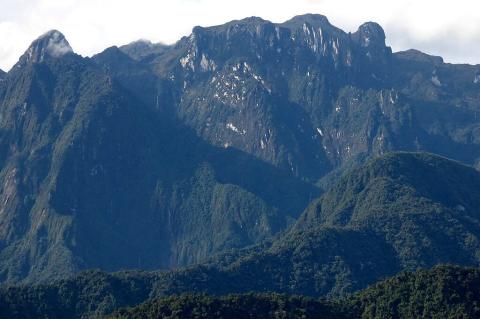
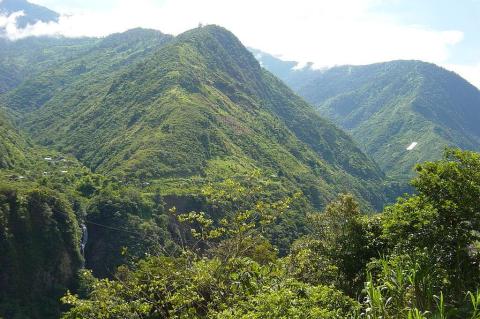
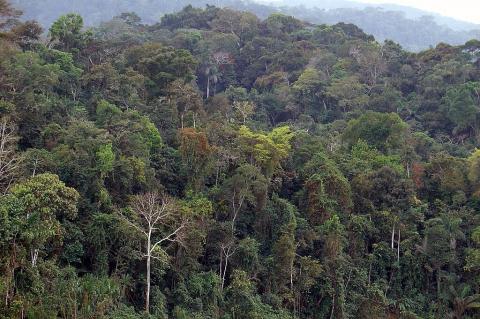
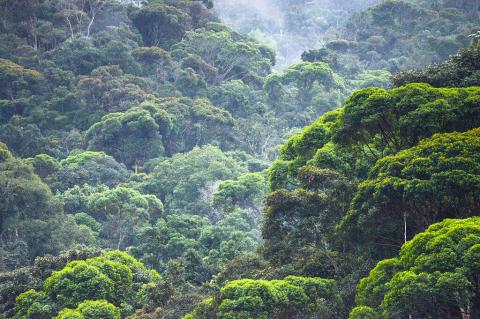
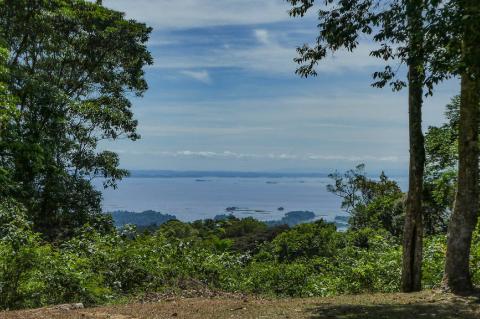
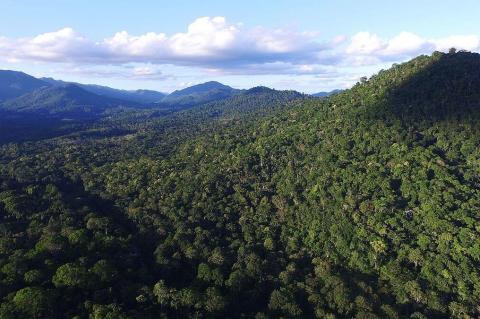
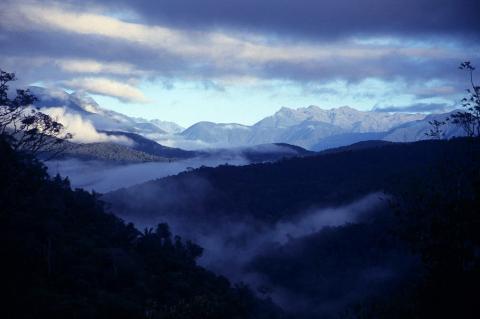
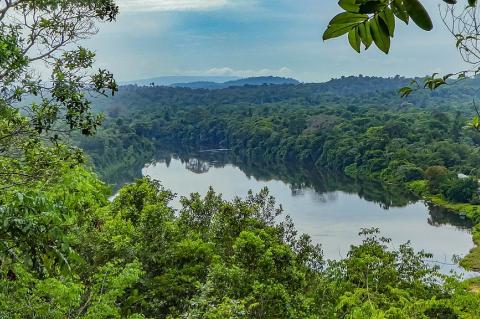
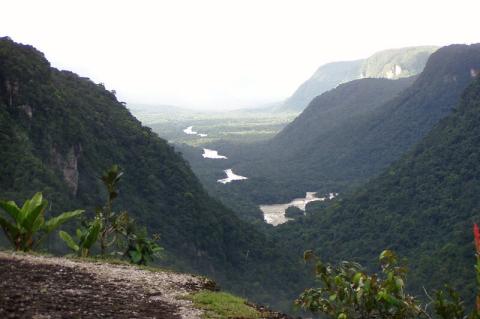
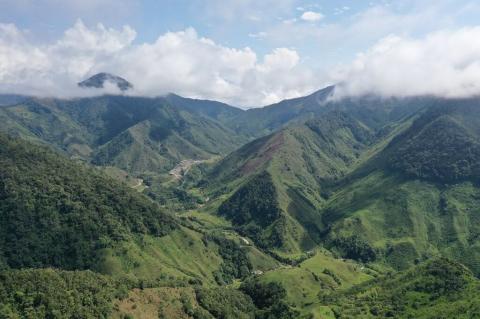
Colombia's Pacific coast is home to one of the world's most remarkable yet least understood mountain ranges. Rising from the humid lowlands of the Chocó department, the Serranía del Baudó stands as a critical biodiversity sanctuary and a testament to the complex interplay between topography, climate, and evolution in the Neotropics. It is a recognized center of terrestrial and aquatic biodiversity, and a source of fish species for Mesoamerica. Yet, scientific exploration of this region remains remarkably limited, leaving numerous biological treasures yet to be discovered.

The SGSSI Marine Protection Area: Guardian of the Southern Ocean

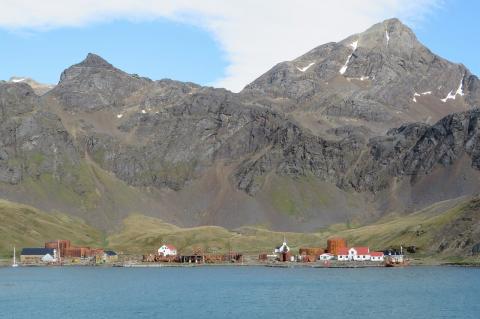
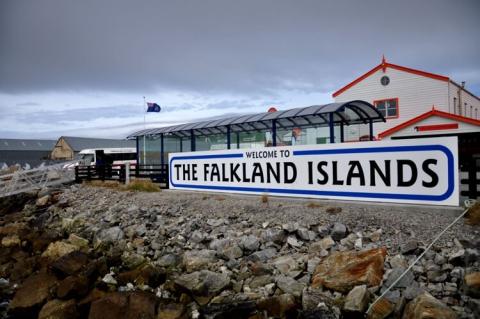
The South Georgia & the South Sandwich Islands Marine Protection Area is one of the world's most significant and meticulously managed marine conservation initiatives. This large MPA was created to safeguard the region's diverse marine life while allowing for sustainable and regulated fisheries. It is situated southeast of the Falkland Islands. It encompasses the remote and rugged islands that lie between the South Atlantic Ocean and the Scotia Sea.

The Sierra Nevada de Santa Marta: Colombia's Enigmatic Mountain Range

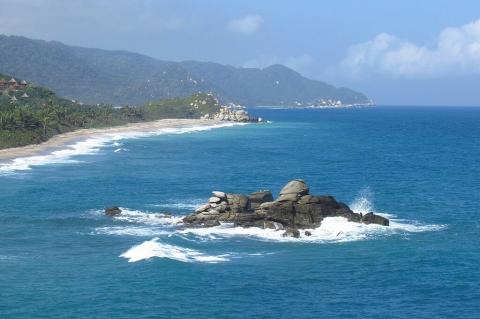
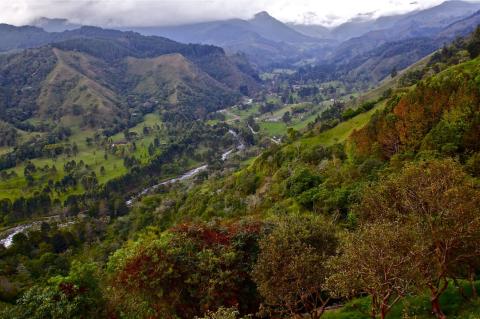
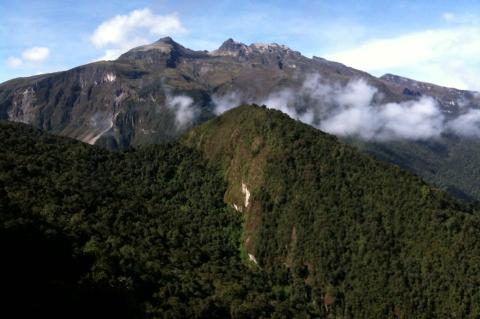
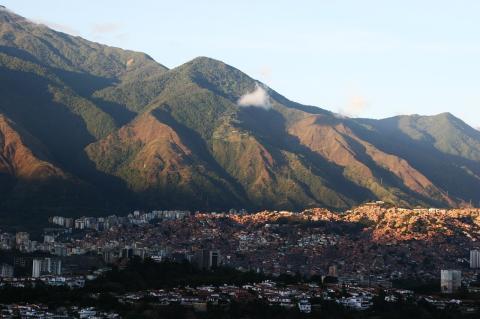
The Sierra Nevada de Santa Marta, an isolated mountain range in northern Colombia, is one of the world's most remarkable natural wonders. Separated from the Andes and rising dramatically from the Caribbean coast, this majestic massif is the highest coastal mountain range on the planet. Encompassing a diverse array of ecosystems and rich cultural heritage, the Sierra Nevada de Santa Marta is a vital ecological and cultural treasure preserved through various protected areas.
The Sierras Pampeanas: Unveiling Argentina's Diverse Landscape and Heritage

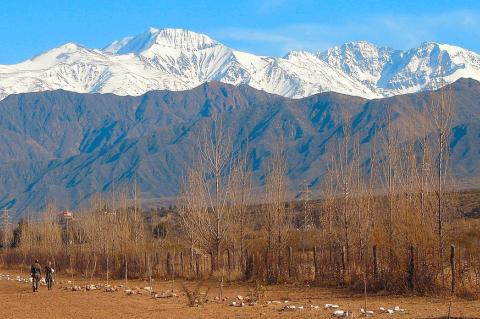
Stretching across northwestern Argentina, the Sierras Pampeanas, also known as the Central Sierras, present a mesmerizing tapestry of geographical features, flora, and fauna. This expansive mountain range rises abruptly from the surrounding Pampas region, extending parallel to the towering Andes Mountains. Encompassing seven Argentine provinces, the Sierras Pampeanas region is characterized by its rugged terrain, diverse ecosystems, and rich biodiversity.
The South American Plate: Foundation of a Continent

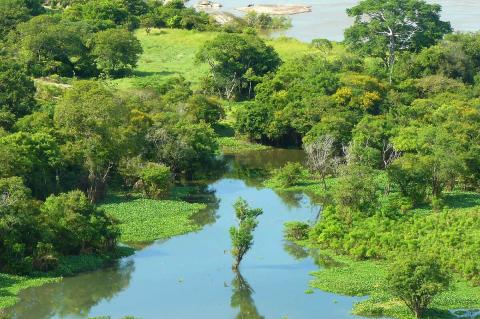
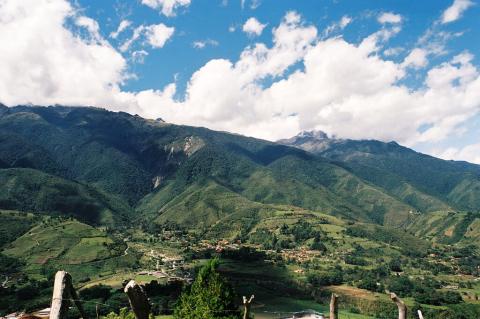
The South American Plate forms the geological foundation beneath most of South America and a significant portion of the South Atlantic Ocean seafloor. Despite being the fourth-largest tectonic plate at approximately 43.6 million square kilometers (16.8 million square miles), this continental plate plays a central role in some of Earth's most dramatic geological processes, from the world's longest mountain range to the planet's most extensive oceanic ridge system.

The South Atlantic Ocean: A Critical Component of Global Ocean Systems

The South Atlantic Ocean represents one of Earth's most dynamic and influential oceanic regions, serving as a crucial link between the Atlantic's northern and southern hemispheres while connecting South America and Africa through vast expanses of blue water. This remarkable body of water functions as far more than a simple geographic boundary between continents. The South Atlantic is vital for global ocean circulation, climate, and marine biodiversity. Its position influences weather across continents and supports key fisheries and ecosystems.

The South Pacific Ocean: Earth's Largest Marine Realm and Climate Engine

The South Pacific Ocean is Earth's largest ocean and most influential marine system, holding nearly half of the world's ocean water. Stretching from the equator south to the Antarctic Convergence and from the western coasts of the Americas to the International Date Line, this vast ocean greatly influences global climate patterns, marine ecosystems, and human societies across many continents. More than just a geographic feature, the South Pacific Ocean acts as Earth's main climate engine, shaping weather patterns that impact billions of people worldwide.

The Southern Cone Mesopotamian Savanna: Argentina's Flooded Biodiversity Haven

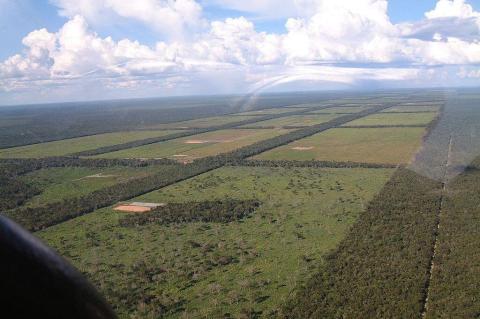
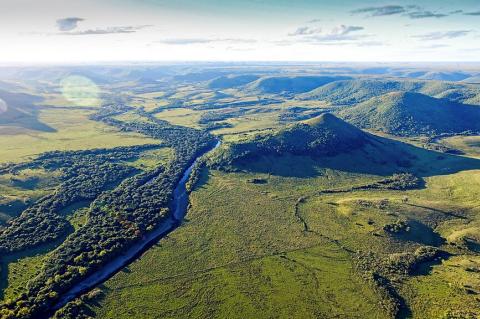
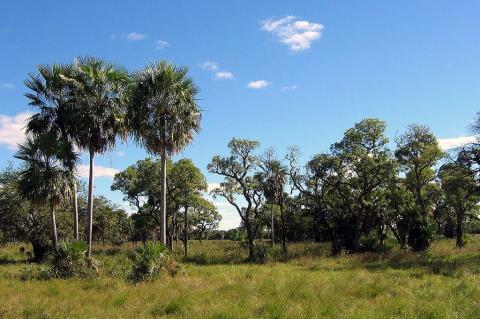
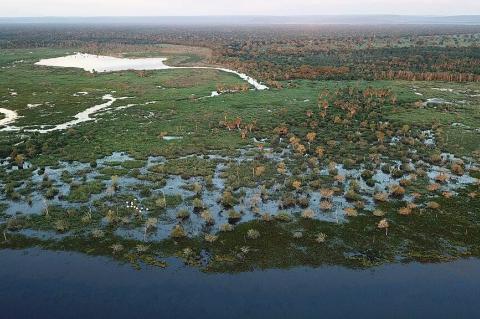
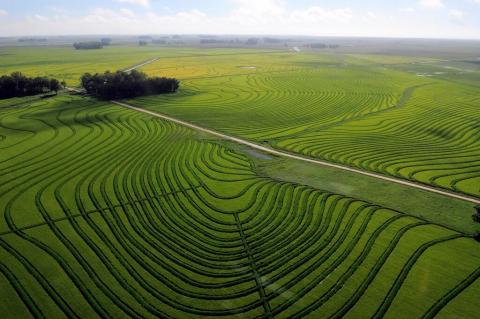
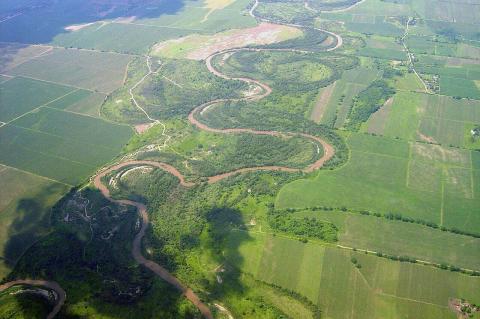
The Southern Cone Mesopotamian savanna, also known as the Argentine Mesopotamian grasslands, is an ecosystem in northeastern Argentina. It combines woodland and grassland, with trees widely spaced apart, allowing for a continuous layer of herbs. Despite its ecological significance, the Southern Cone Mesopotamian savanna is one of the least protected ecoregions in Argentina.

The Southern Patagonian Ice Field: A Colossal Glacier of the Andes

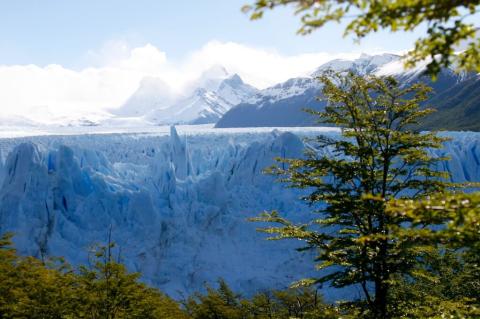
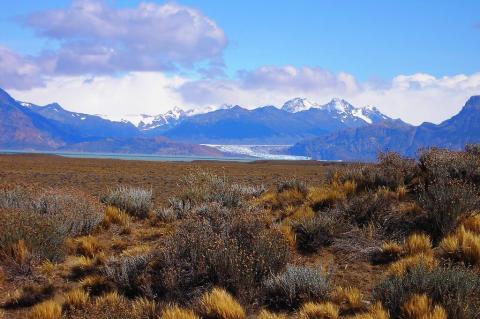
The Southern Patagonian Ice Field is a breathtaking and monumental testament to the power of glacial forces, stretching along the southern Andes Mountains between Chile and Argentina. As the world's third-largest expanse of continental ice, after the Antarctic and Greenland ice sheets, it represents the grander of the two surviving remnants of the vast Patagonian Ice Sheet. Its immense scale, dramatic outlet glaciers, and profound ecological significance make it a jewel of the Patagonian wilderness.