South America

The Sumapaz Páramo: Colombia's Pristine Moorland Majesty

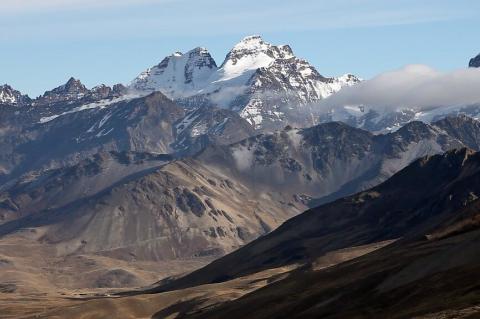
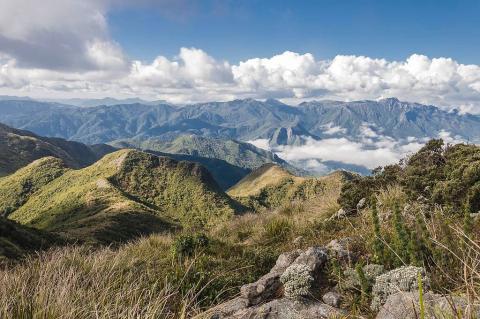
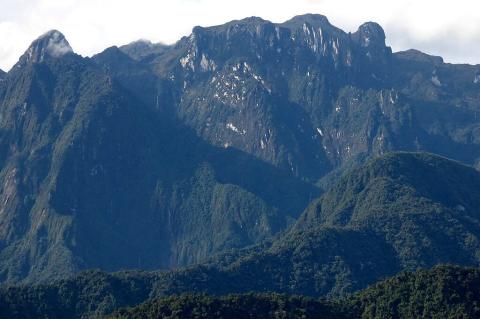
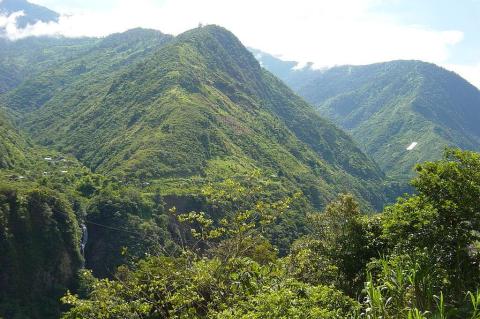
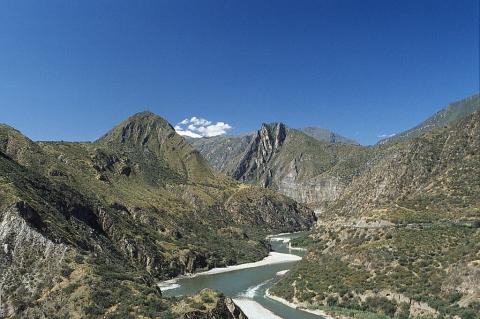
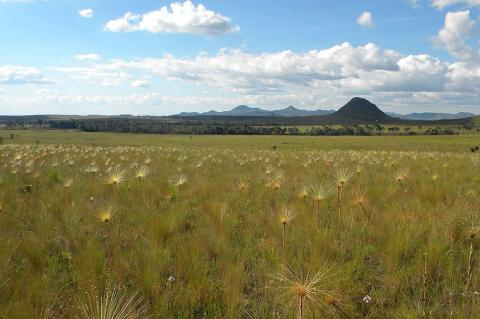
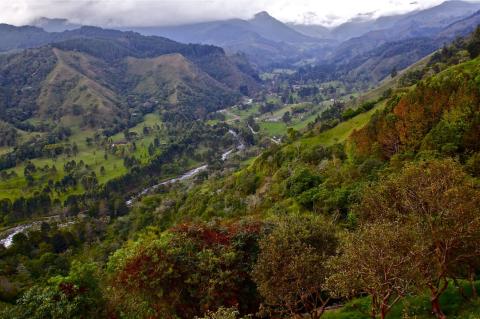
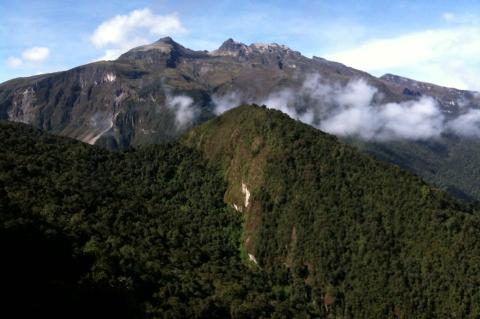
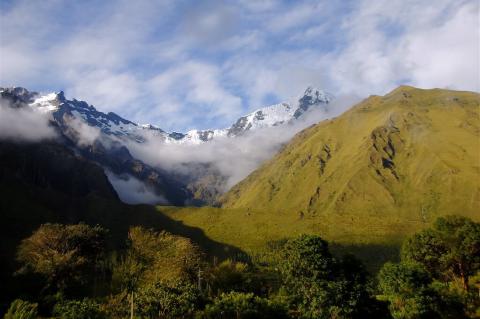
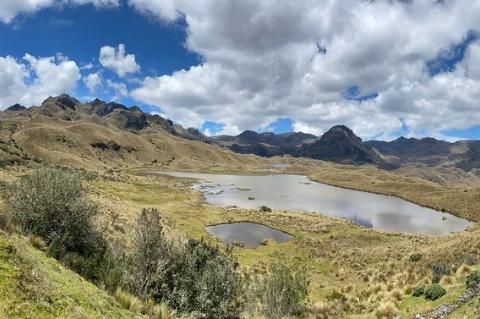
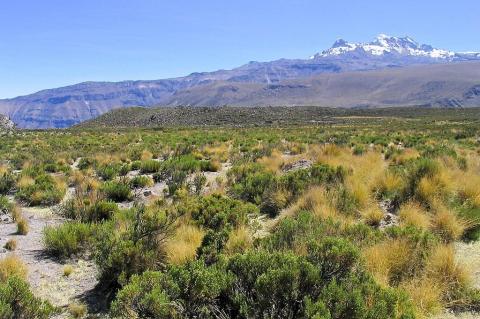
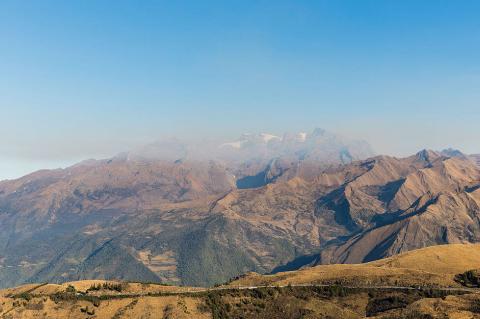
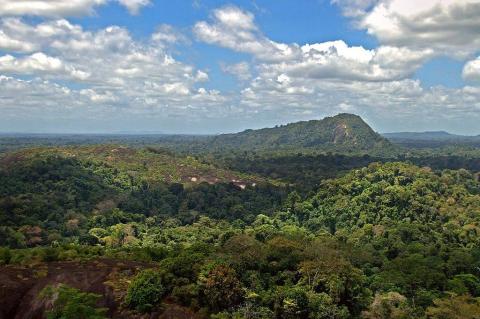
The Sumapaz Páramo is a stunningly beautiful and ecologically important region in the Colombian Andes. It is the largest moorland ecosystem on the planet and features vast expanses of high mountain grasslands, rugged peaks, rolling hills, and vibrant colors. Sumapaz National Natural Park safeguards this area and serves as a sanctuary for countless species of flora and fauna amidst the pristine wilderness.
The Tapajós River: A Lifeline in the Heart of the Amazon

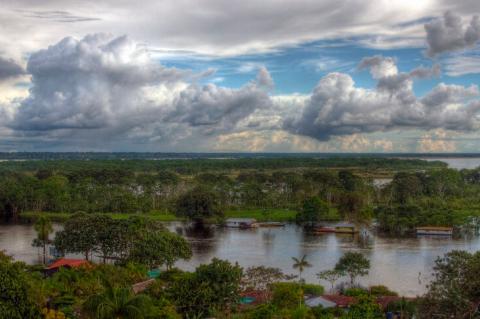
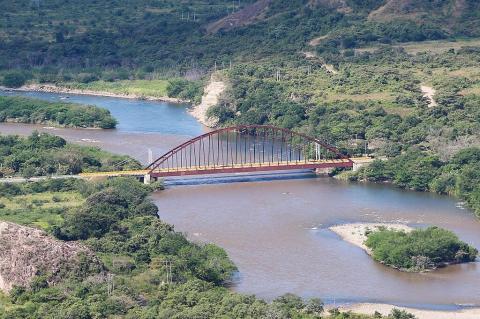
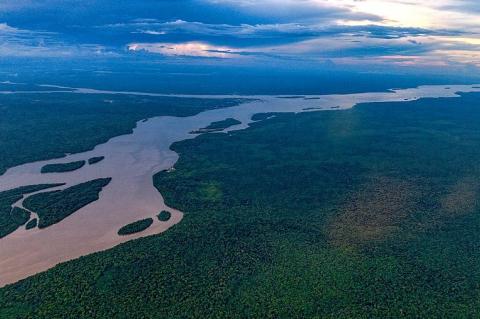
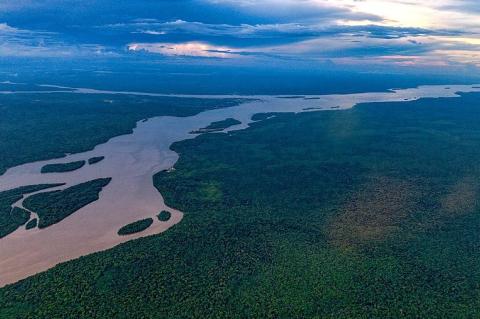
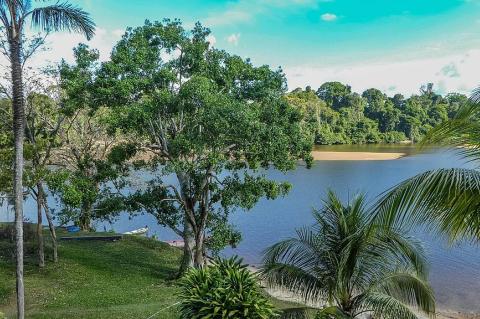
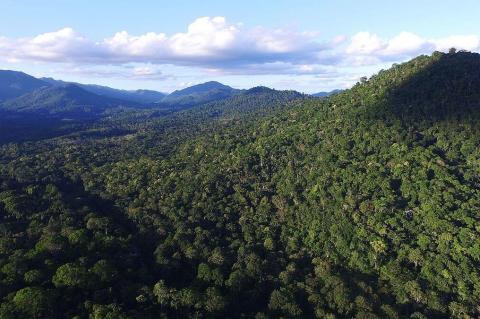
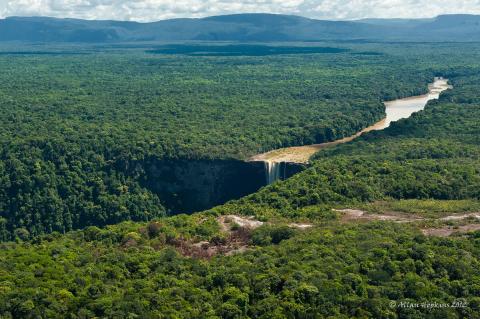
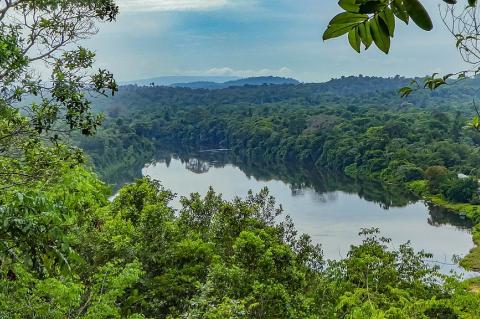
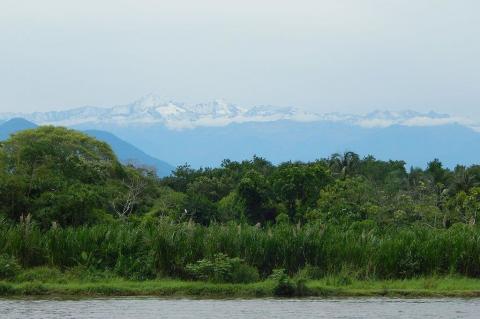
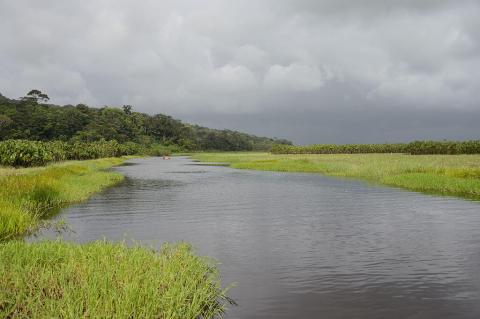
The Tapajós River, one of the major tributaries of the Amazon River, is a vital watercourse in Brazil, flowing predominantly north/northeast through the Amazon Rainforest. It is formed by the union of the Juruena and Teles Pires rivers, both of which originate in the Mato Grosso region. Known as one of the largest clearwater rivers in the world, the Tapajós plays a crucial role in the hydrology, ecology, and economy of the Amazon Basin.
The Tehuelche People: Giants of Patagonia

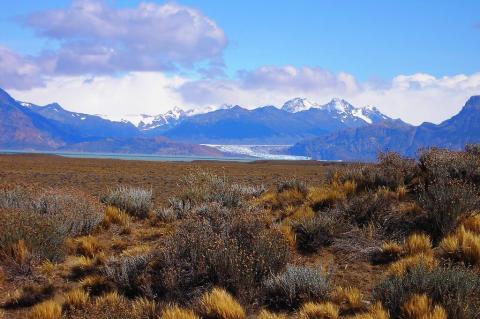
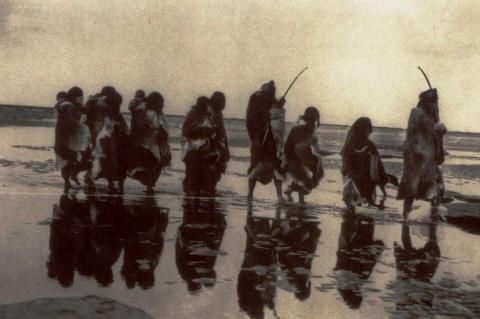
In the vast, windswept plains of Patagonia, where the Andes meet endless steppes, once lived a people whose remarkable stature and nomadic prowess captured the imagination of early European explorers. The Tehuelche people, who called themselves Aónikenk, meaning "southern people," represent one of South America's most distinctive Indigenous groups. Their story spans thousands of years of adaptation to one of the world's most challenging environments, culminating in a struggle for cultural survival that continues to this day.
The Torres del Paine Biosphere Reserve: A Tapestry of Life in Patagonia

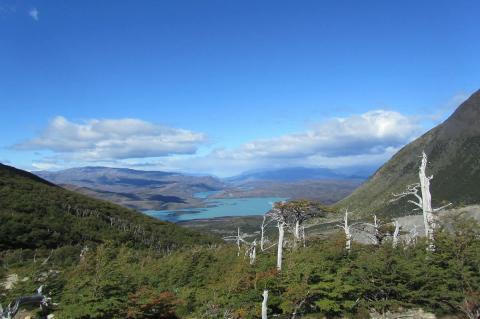
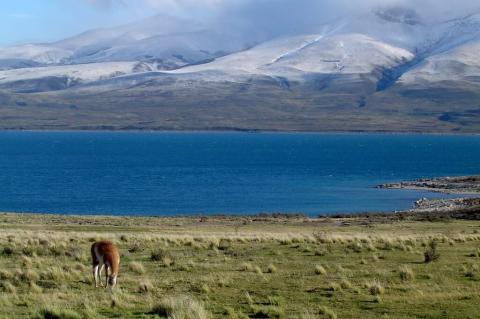
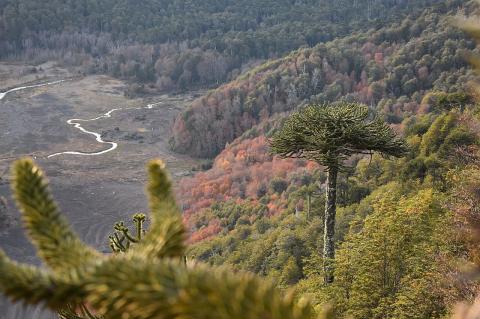
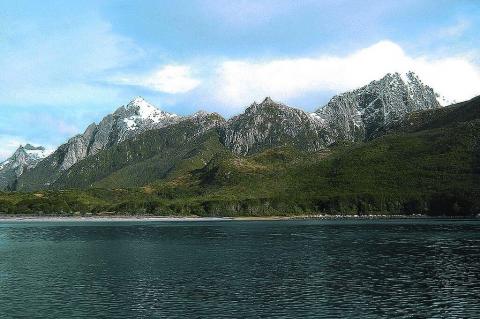
Nestled between the Andes Mountains' towering peaks and the Patagonian Steppe's vast expanse lies the Torres del Paine Biosphere Reserve—a realm of unparalleled natural beauty and ecological significance. This protected area is a true sanctuary for biodiversity, where the forces of nature have sculpted a landscape that is as breathtaking as diverse. At the heart of the Torres del Paine Biosphere Reserve lies Torres del Paine National Park, a crowning jewel among Chile's protected areas.

The Trindade and Martim Vaz Islands Tropical Forest Ecoregion

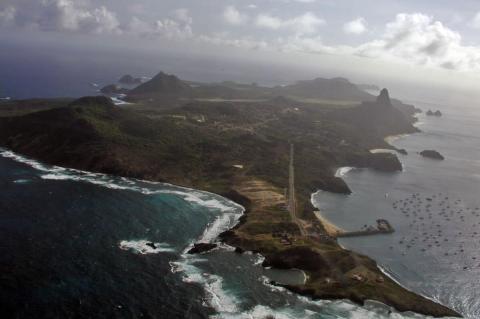
The Trindade and Martim Vaz Islands, off the coast of Brazil, are part of a unique tropical forest ecoregion that plays a crucial role in the biodiversity of the Atlantic Ocean. As a part of the Neotropic ecozone and the Tropical and Subtropical Moist Broadleaf Forests biome, this remote archipelago offers a striking example of how isolated ecosystems can harbor unique plant and animal life. The islands' history is marked by human intervention drastically altering their ecological landscape. However, ongoing conservation efforts strive to protect and restore the native flora and fauna.

The Tumbes-Piura Dry Forests: A Biodiversity Hotspot within the Tumbes-Chocó-Magdalena Region

The Tumbes-Piura dry forests ecoregion is nestled along the Pacific coast of northwestern Peru and southwestern Ecuador. This unique and remarkable ecosystem is part of the larger Tumbes-Chocó-Magdalena biodiversity hotspot. This ecoregion, often overshadowed by the more well-known tropical rainforests of the Amazon basin, is a biodiversity hotspot in its own right, harboring an exceptional concentration of endemic species and facing significant conservation challenges.

The Twin Jewels of the Caribbean: Exploring the Gulfs of Darién and Urabá

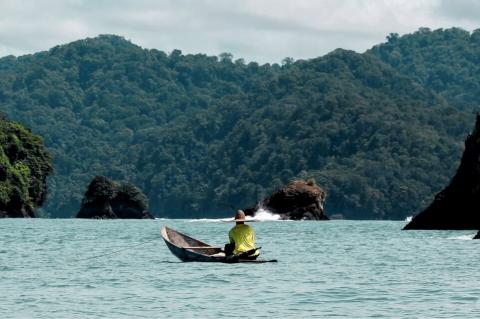
Nestled between the Caribbean Sea and the dense tropical rainforests of Central and South America lie two lesser-known yet profoundly significant bodies of water: the Gulf of Darién and the Gulf of Urabá. These gulfs, often overshadowed by their more famous regional counterparts, are geographical and ecological treasures. Within their boundaries, they hold a rich tapestry of history, vibrant ecosystems, and socio-economic dynamics that have shaped the lives of the communities around them for centuries.

The Ucayali River: A Vital Amazonian Artery of Peru

The Ucayali River flows through the heart of the Peruvian Amazon, winding its way through dense rainforests and remote communities. As one of the primary headwaters of the Amazon River, the Ucayali plays a critical role in South America's ecosystems, shaping the landscapes and providing a lifeline for wildlife and people alike. From its highland origins to its convergence with the Marañón River, where the Amazon River is officially born, the Ucayali River supports unique biodiversity, Indigenous cultures, and ongoing economic activity.

The Urubamba River: Sacred Waters from Andes to Amazon

The Urubamba River, known as Willkamayu ("Sacred River") to the Incas, flows from its glacial origins in the Cordillera Vilcanota to its confluence with the Tambo River in Peru's Amazon Basin. This vital waterway traverses multiple ecological zones, supporting a diverse array of ecosystems. The river's cultural significance extends beyond its role as the Sacred Valley's agricultural lifeline—it remains central to Quechua spiritual practices and serves as the transportation corridor that enabled Inca imperial expansion while continuing to sustain Indigenous communities.

The Urubamba Valley: Sacred Heart of the Inca Empire

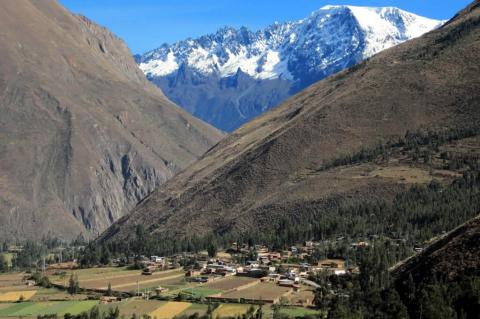
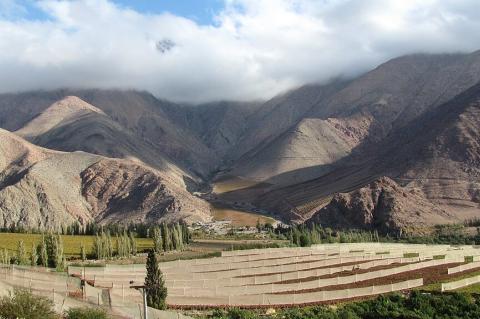
The Urubamba Valley, or Sacred Valley of the Incas, extends 100 km through Peru's Andes at 2,050-3,700 meters altitude. This fertile land, shaped by the Urubamba River and sacred to Inca cosmology, hosts key archaeological sites such as Machu Picchu, Ollantaytambo, and Pisac. Quechua communities preserve ancient agriculture on terraced slopes where native species like Polylepis trees and Vicugna vicugna thrive. Sustainable tourism supports preservation and economic growth in this UNESCO World Heritage site.