South America

The Quechua: Keepers of the Andean Legacy

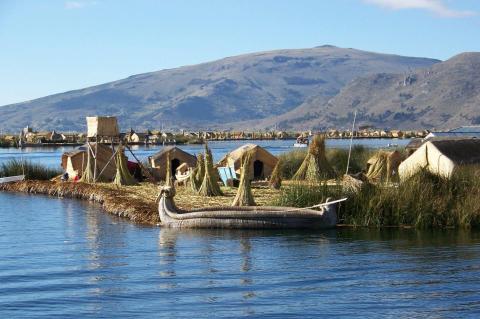
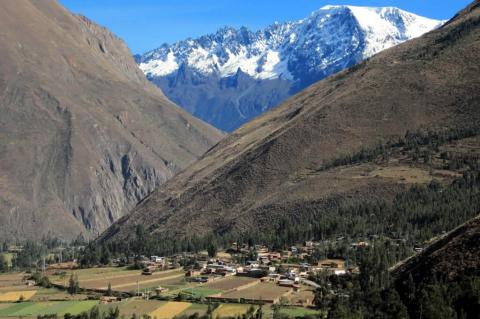
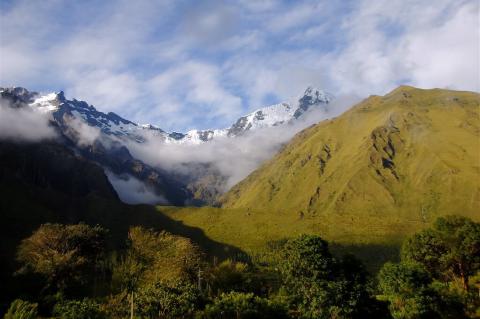
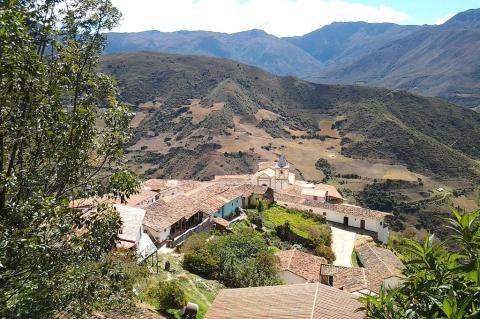
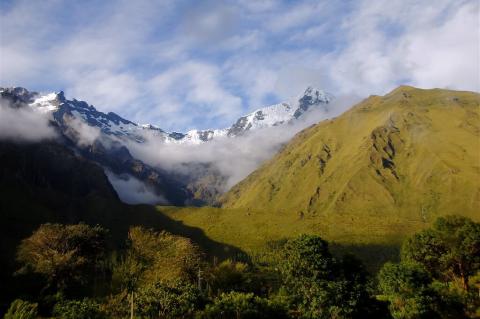
For centuries, the Quechua people have played a central role in the history and culture of the Andean region. Descendants of ancient civilizations, including the Inca Empire, the Quechua have preserved their language, traditions, and agricultural practices despite centuries of colonial influence and modernization. Spanning across modern-day Peru, Bolivia, Ecuador, Colombia, Argentina, and Chile, the Quechua remain one of the most enduring Indigenous groups in South America.

The Río de la Plata: A Confluence of Majesty

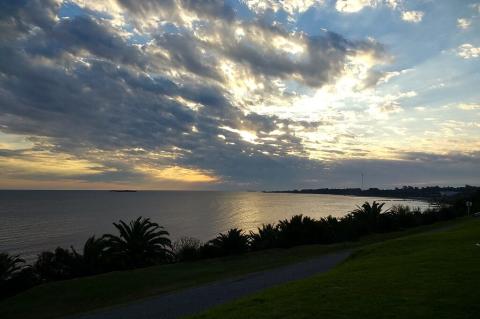
Carving a vast and imposing presence along the southeastern coastline of South America, the Río de la Plata stands as a monumental estuary and drainage basin, a tapering intrusion of the Atlantic Ocean stretching its embrace between Uruguay and Argentina. This immense waterway, often regarded as a gulf, a marginal sea, or even the widest river in the world, is a testament to the continent's awe-inspiring natural grandeur.

The Río Negro: Lifeblood of Argentine Patagonia

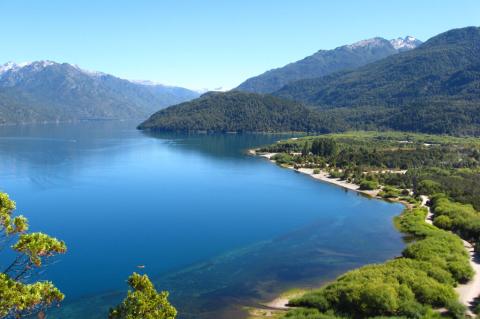
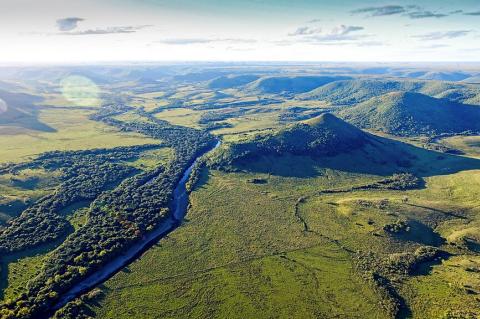
Flowing through the vast expanse of Argentine Patagonia, the Río Negro is one of the most significant rivers in South America. Renowned for its striking natural beauty, ecological importance, and cultural heritage, the river carves its way through diverse landscapes and serves as a crucial lifeline for the region. By examining its geographical origins, ecological dynamics, cultural significance, and modern challenges, the Río Negro emerges as a symbol of resilience and interconnectedness.
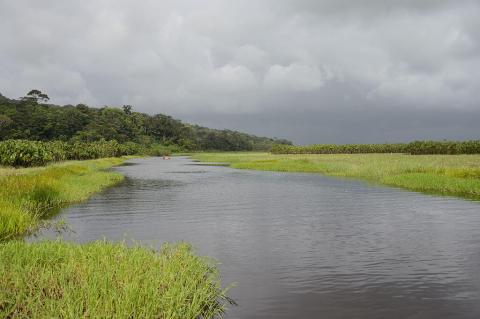
The Río Negro: Majestic Heart of the Amazon

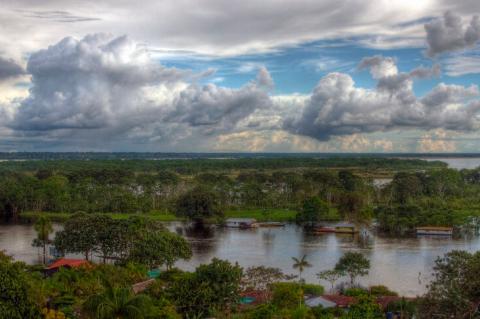
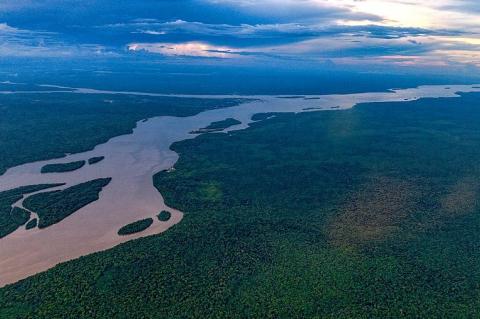
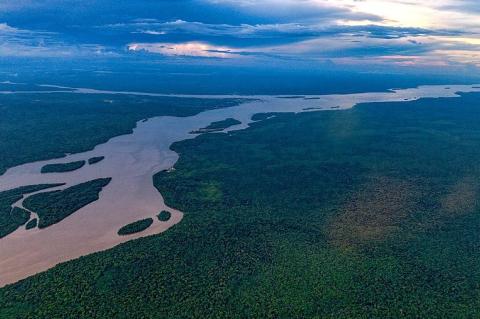
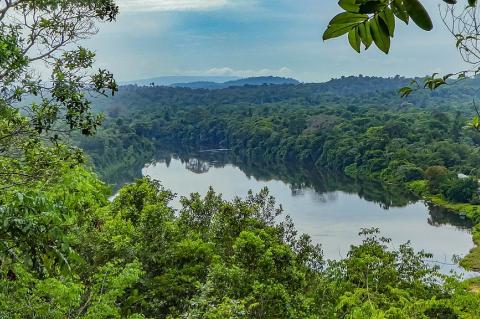
Flowing majestically through the heart of the Amazon rainforest, the iconic Río Negro stands as one of the most significant tributaries of the mighty Amazon River. Renowned for its distinctive blackwater and immense size, the Río Negro is not only a vital component of the Amazon basin but also a captivating natural wonder that draws explorers and adventurers from around the globe.
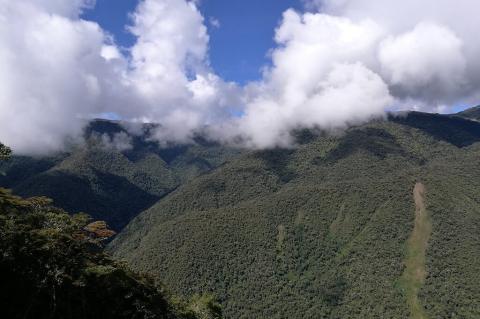
The Rupununi: A Pristine Wilderness in Guyana's Heart

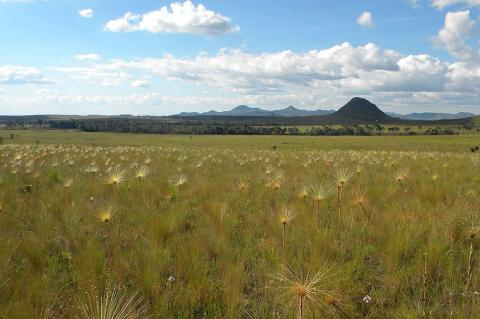
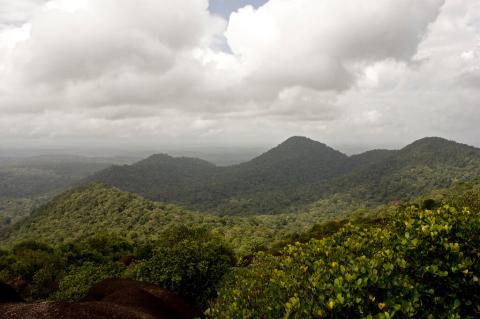
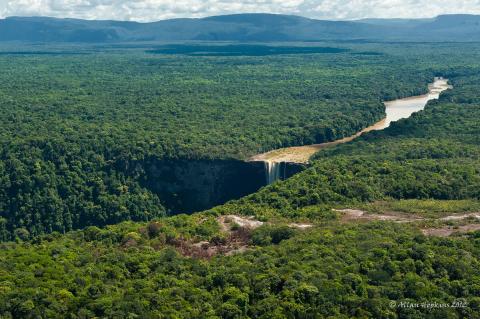
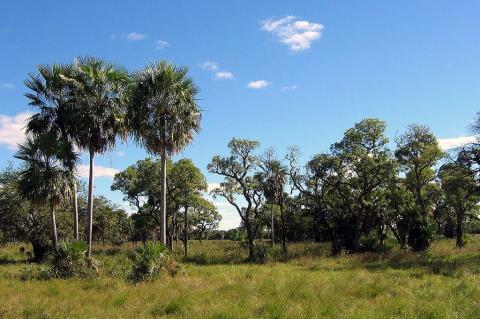
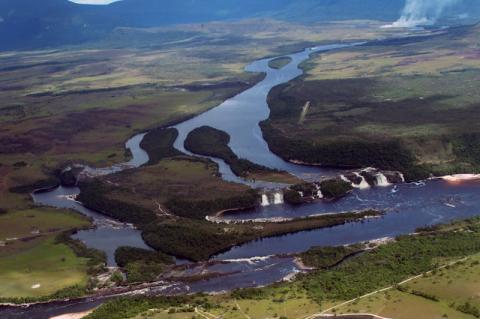
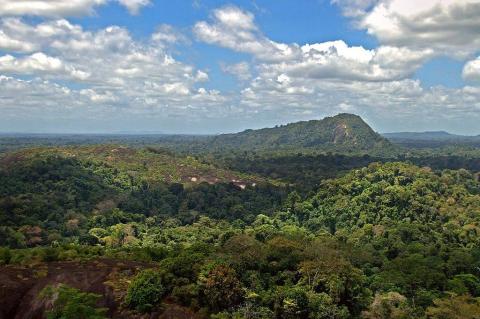
The Rupununi region in southwestern Guyana is one of the Earth's last significant wilderness areas, offering a glimpse into an ecosystem of unparalleled diversity and ecological importance. Bordering the Brazilian Amazon, this region is a complex mosaic of savannas, wetlands, forests, and rivers rich in biodiversity and cultural heritage. Divided by the Kanuku Mountains into the Northern and Southern Rupununi, this area represents one of Guyana's most unique and biologically rich landscapes.
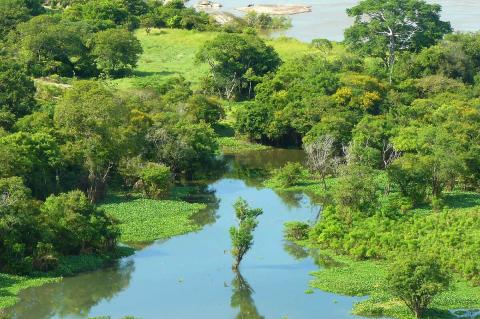
The São Francisco River: Lifeline of Northeastern Brazil

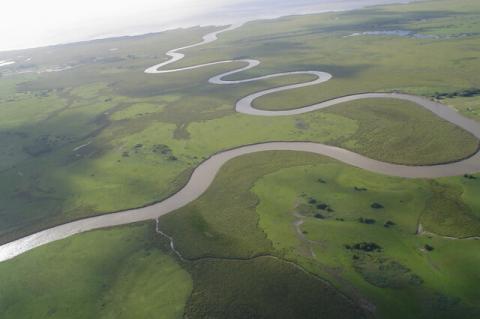
The São Francisco River, one of Brazil's most important waterways, is a crucial artery for the country's northeastern and southeastern regions. South America's fourth-largest river system is known for its pivotal role in agriculture, hydroelectric power, and transportation. The São Francisco River also holds deep cultural significance, often called "Velho Chico" or "River of National Unity." This vast river runs entirely within Brazil, fostering connections between regions and providing critical water resources for the semiarid Northeast.
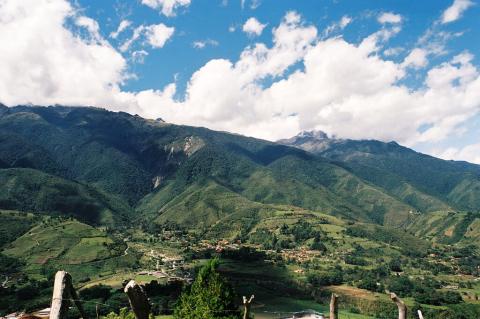
The Scotia and South Sandwich Plates: Southern Ocean Tectonic Complexity

The Scotia and South Sandwich plates represent a complex system of small tectonic plates that create a critical geological bridge between Antarctica and South America. Together, these plates demonstrate how minor tectonic entities can generate significant geological features, from the world's most remote volcanic arc to one of the deepest oceanic trenches, while facilitating the connection between the southernmost Andes and the Antarctic Peninsula.

The Scotia Sea and Scotia Arc: A Critical Ocean Gateway and Geological Barrier

Tucked away in the remote waters between South America and Antarctica lies a remarkable ocean region known as the Scotia Sea. This dynamic body of water is critical in global ocean and climate systems, acting as a crucial gateway between the Atlantic and Pacific Oceans. Surrounding the Scotia Sea is the Scotia Arc, an arc-shaped submarine ridge and island chain that forms a biogeographic barrier, shaping the distribution of marine life and influencing the flow of ocean currents.

The Sechura Desert Ecoregion: A Realm of Unexpected Biodiversity and Coastal Contrasts

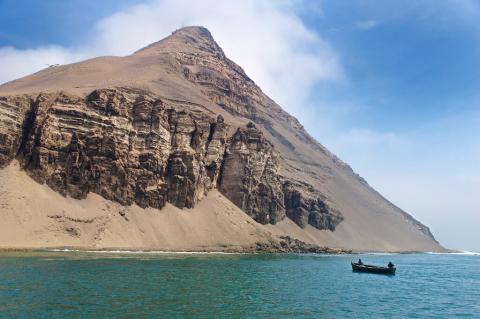
The western edge of South America, where the towering Andes meet the cool embrace of the Pacific Ocean, is etched with a series of arid landscapes. Among these, the Sechura Desert ecoregion stands out not merely as a barren expanse, but as a surprisingly dynamic and ecologically significant zone. Stretching along the northern coast of Peru and a small portion of southern Ecuador, this ecoregion reveals a unique interplay of hyper-arid conditions, unexpected biodiversity, and the intricate influence of the adjacent marine environment.

The Selk'nam People: Culture, Survival, and Tragedy at the Edge of the World

For thousands of years, the Selk'nam people, also known as the Ona, thrived in the harsh and windswept landscapes of Tierra del Fuego, the remote southernmost region of South America. Their way of life was deeply connected to the land, relying on hunting, elaborate rituals, and a strong oral tradition. However, the arrival of European settlers in the 19th century brought devastating consequences, leading to one of the most tragic cases of cultural and physical genocide in the Americas.