South America

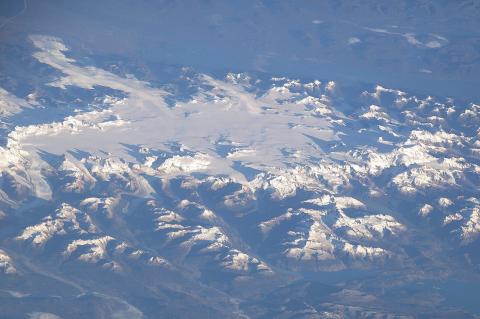
The Northern Patagonian Ice Field: A Living Testament to Chile's Glacial Past

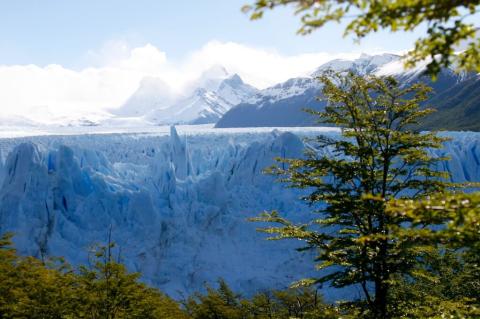
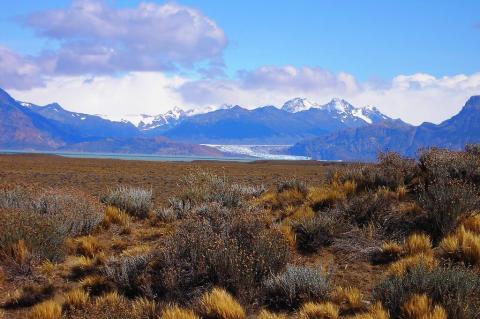
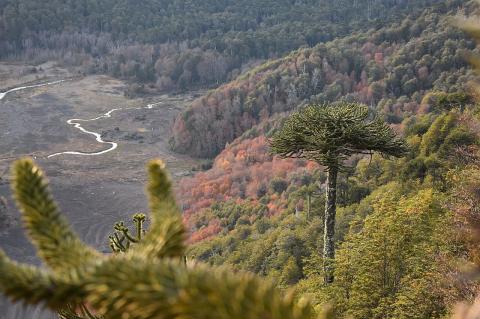
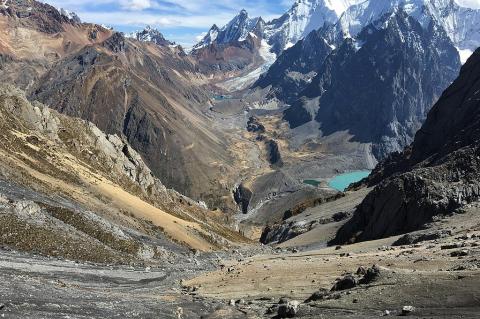
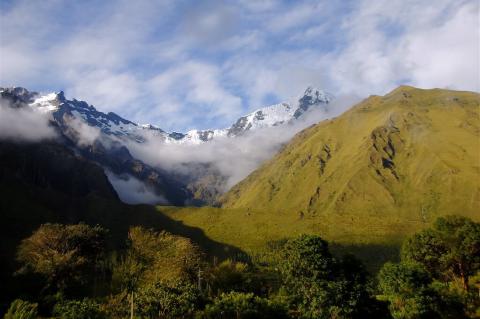
Nestled within the breathtaking and rugged landscapes of southern Chile, the Northern Patagonian Ice Field stands as a profound testament to the enduring power and legacy of the Andes Mountains. This immense ice mass, smaller than its southern counterpart but no less magnificent, represents one of the last major remnants of the once-vast Patagonian Ice Sheet. Its entirety lies protected within the boundaries of the Laguna San Rafael National Park, a designated UNESCO Biosphere Reserve, underscoring its immense ecological and scientific value.

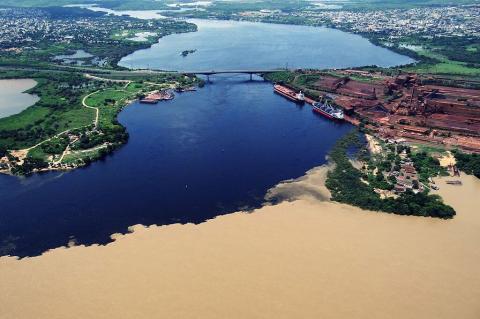
The Orinoco River: South America's Arc of Life

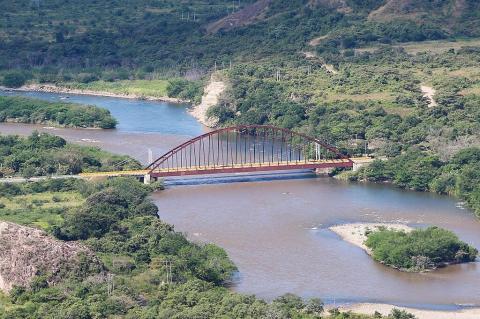
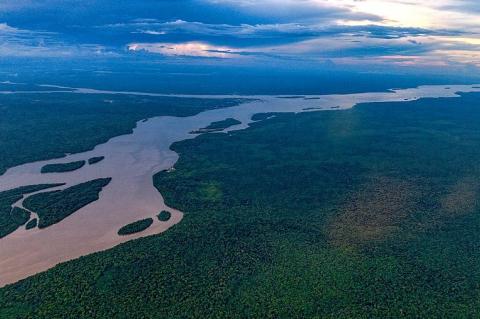
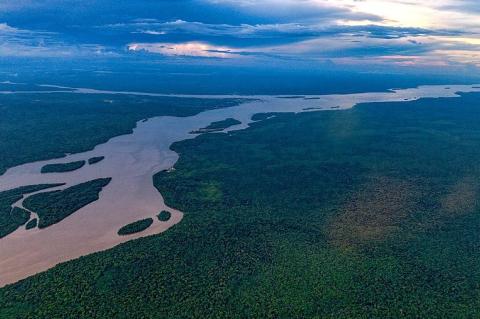
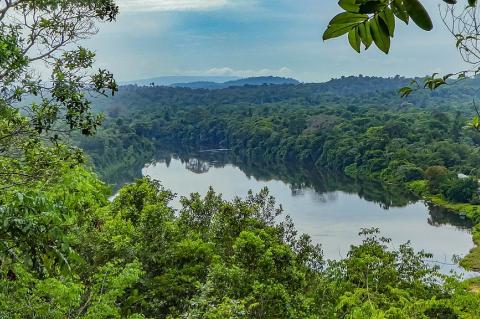
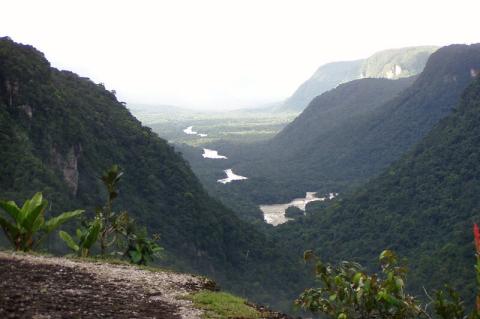
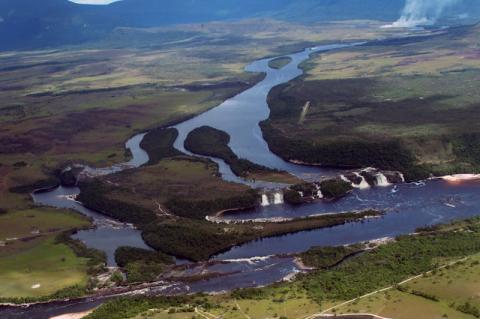
The Orinoco River, one of South America's largest and most significant rivers, winds through Venezuela and Colombia, serving as a crucial waterway for transportation and sustenance. Originating in the Sierra Parima mountains of the Guiana Highlands, the Orinoco flows through some of the most biodiverse and ecologically important regions in northern South America before reaching its vast delta and emptying into the Atlantic Ocean. The river and its basin are vital natural resources, supporting rich ecosystems, indigenous cultures, and human populations.

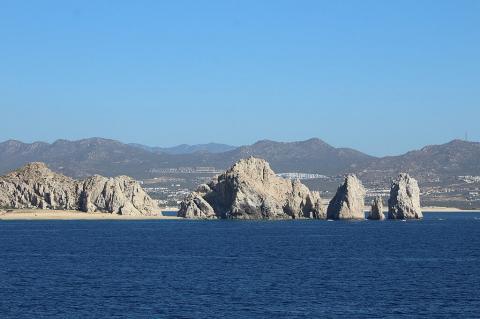
The Pacific Plate: The Giant of Global Tectonics

The Pacific Plate, Earth's largest tectonic plate, covers approximately 103.3 million square kilometers (39.9 million square miles) and dominates nearly one-third of the planet's surface beneath the Pacific Ocean. This massive oceanic plate drives many of the world's most spectacular geological phenomena, from the Ring of Fire's volcanic chains to Hawaii's hotspot islands, demonstrating the profound influence of plate tectonics on global geology.

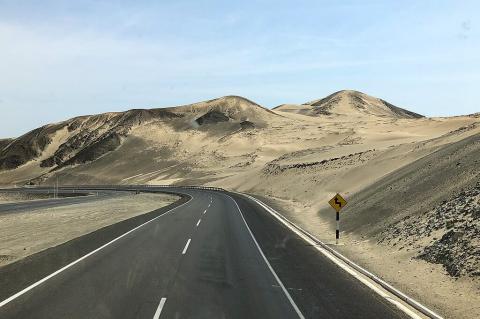
The Pan-American Highway: Linking North, Central, and South America

Stretching from the frozen tundras of Alaska to the windswept landscapes of Tierra del Fuego, the Pan-American Highway is a testament to human ingenuity and the indomitable spirit of connectivity. This vast network of roads is one of the most extensive and ambitious transportation systems ever conceived, serving as a vital artery for trade, tourism, and cultural exchange across the Americas. Despite the monumental achievements of the highway, a formidable obstacle remains – the Darién Gap.

The Pantanal Biosphere Reserve: A Vast Wetland Oasis in the Heart of Brazil

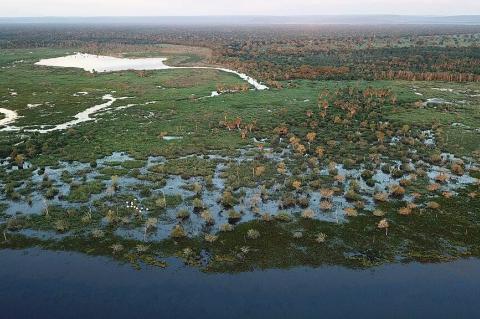
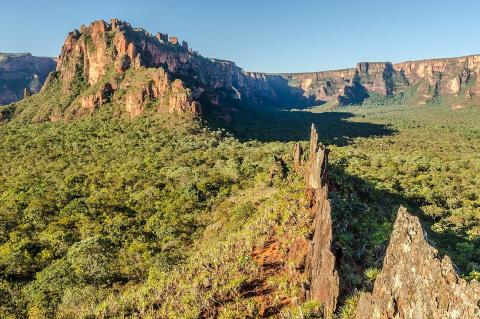
Nestled in the heart of South America, the Pantanal Biosphere Reserve stands as a testament to Brazil's incredible natural wonders. This expansive protected area, spanning the states of Mato Grosso, Mato Grosso do Sul, and a small portion of Goiás, encompasses one of the world's most extensive wetland complexes. It is a dynamic and diverse ecosystem that has captivated ecologists, conservationists, and nature enthusiasts alike.
The Paraguay River: Lifeline of South America

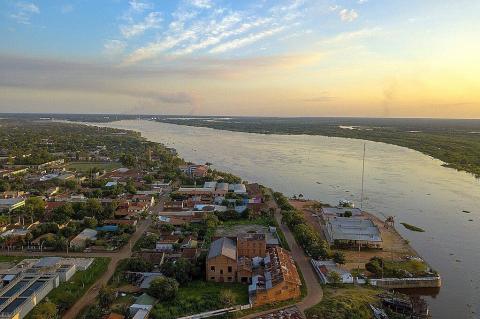
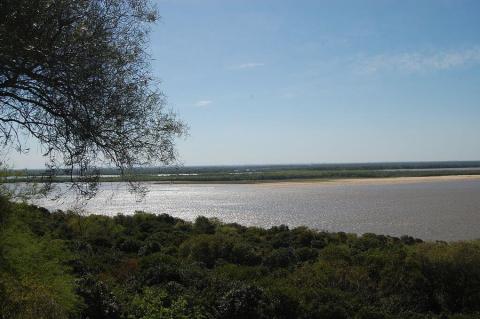
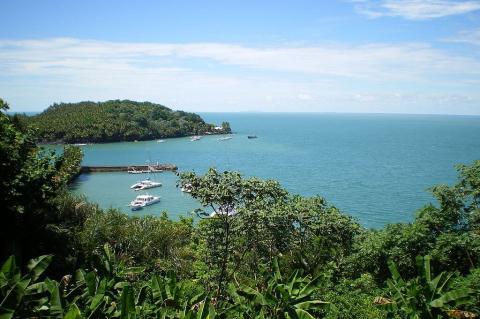
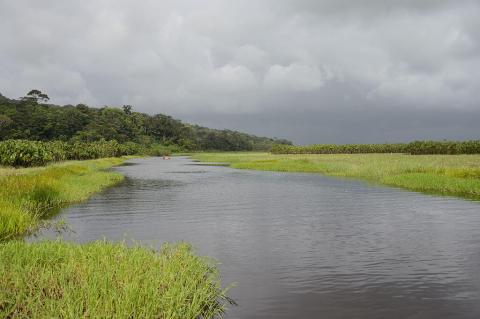
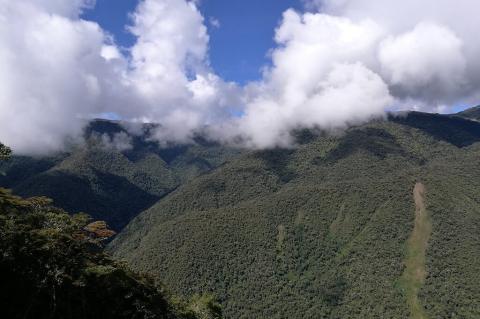
The Paraguay River, South America's fifth-largest river, is vital for the continent's southern regions. From its source in Brazil to its confluence with the Paraná River in Argentina, the river flows through Brazil, Paraguay, and Argentina. The river not only serves as a critical geographical feature but also demarcates national borders and influences the livelihoods of millions, making it one of the most significant waterways on the continent. It is crucial in maintaining biodiversity, especially in the Pantanal, one of the world's most ecologically diverse wetlands.
The Paraná Flooded Savanna: Guardian of the Flooded Realm

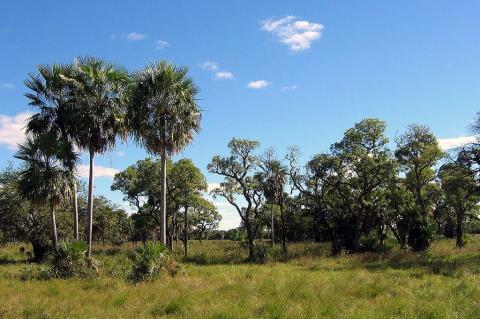
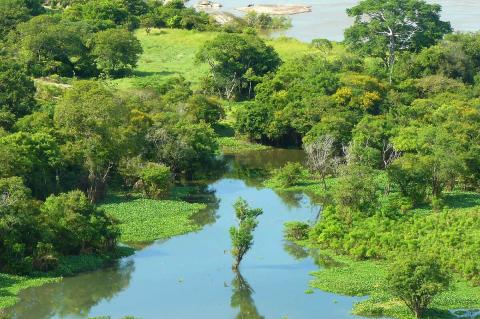
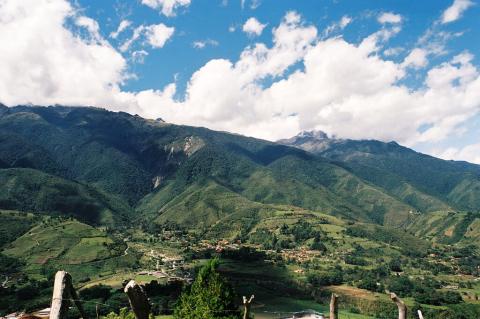
The Paraná Flooded Savanna ecoregion is a vast area that spans across the floodplains of the middle and lower Paraná River, along with its tributary, the Paraguay River. This region is home to diverse flora and fauna, crucial for maintaining the ecological balance in Argentina and Paraguay. This region's intricate network of waterways and lush marshlands provides a secure habitat for countless plant and animal species.

The Paraná Plateau: A Continent-Wide Legacy of Gondwana's Fire

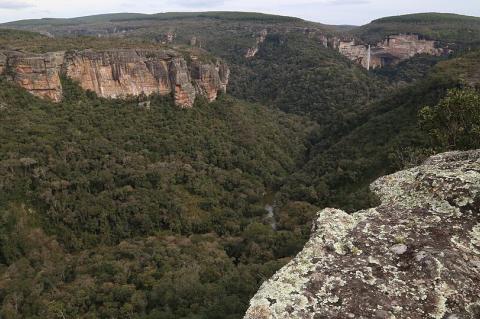
The Paraná Plateau is a vast basalt tableland spanning southern Brazil, eastern Paraguay, northeastern Argentina, and northern Uruguay, formed by one of the largest volcanic eruptions in Earth's history. Its fertile soils, dramatic waterfalls, and hydroelectric resources make it one of South America's most important landforms. Its history is tied to Gondwana's breakup, the soils that fueled Brazil's coffee and soy economies, and two famous waterfalls—one still thundering, the other submerged beneath a reservoir.

The Paraná River: Lifeblood of South America

The Paraná River is an extraordinary natural feature, the second-longest river in South America after the Amazon. It traverses Brazil, Paraguay, and Argentina. Originating in southern Brazil, the Paraná River flows generally southward until it merges with the Uruguay River to form the Río de la Plata at the border of Argentina and Uruguay. This extensive river system and its encompassing basin play crucial roles in the region's environmental, economic, and cultural landscapes.

The Paranapanema River: From Source to Confluence

The Paranapanema River is one of the most significant rivers in southeastern Brazil. Originating in the Serra do Paranapiacaba and flowing westward until it meets the Paraná River, it traverses a rich and varied landscape. It is a crucial water source for numerous ecosystems and a vital component of the region’s economy, supporting agriculture, hydropower, and local communities.