South America

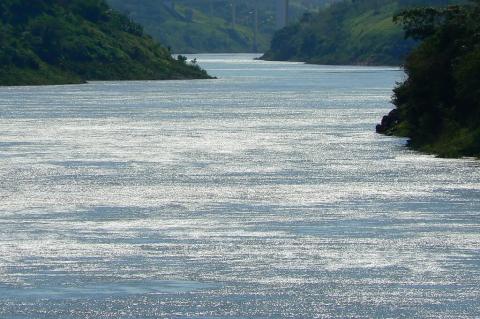
The Uruguay River: A Vital Waterway of South America

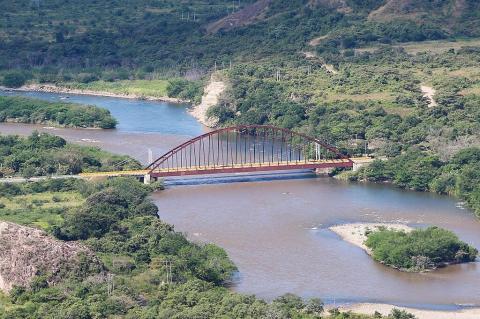
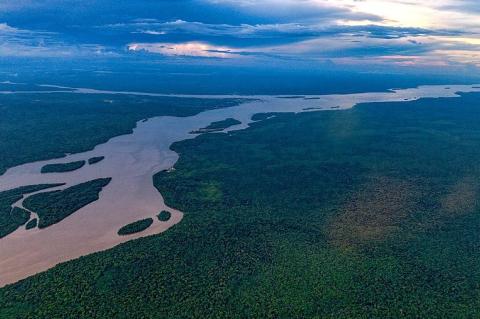
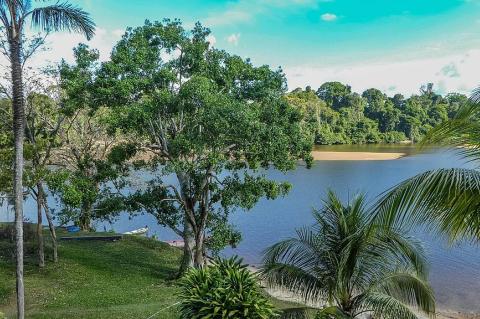
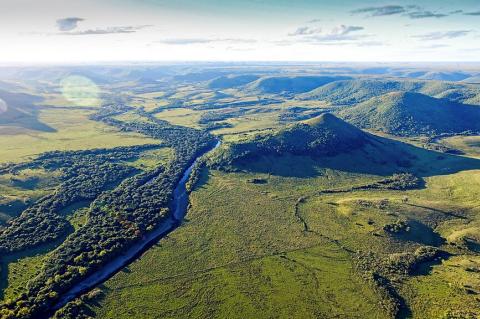
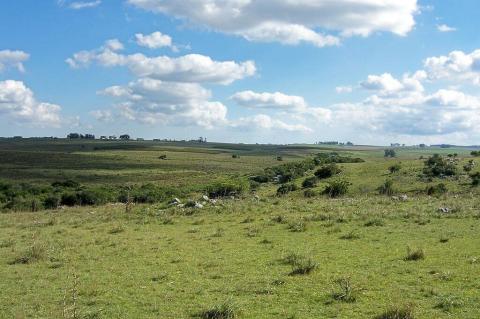
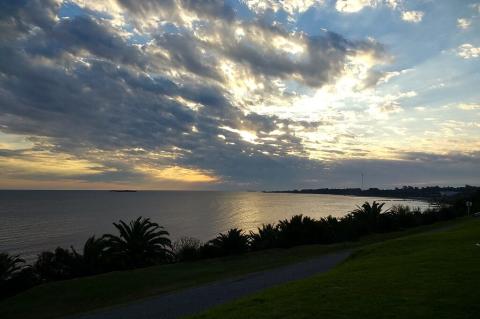
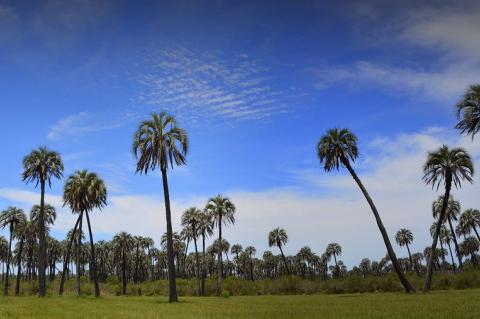
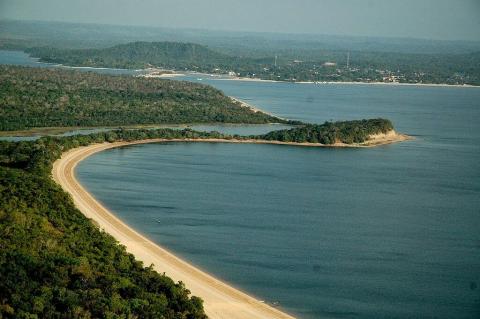
The Uruguay River is a significant fluvial system in South America. It stretches from its headwaters in Brazil's coastal range to its confluence with the Río de la Plata. As a natural boundary between Brazil, Uruguay, and Argentina, the river plays a crucial role in the region's geography, economy, and ecology. An exploration of the Uruguay River reveals its origins, course through diverse landscapes, ecological significance, and role in regional development.

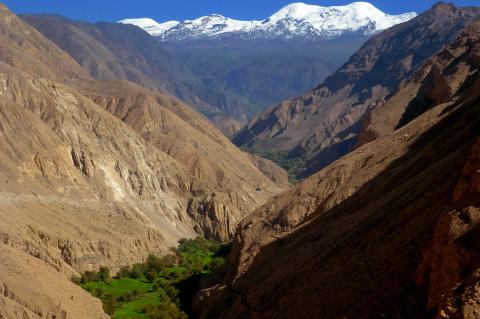
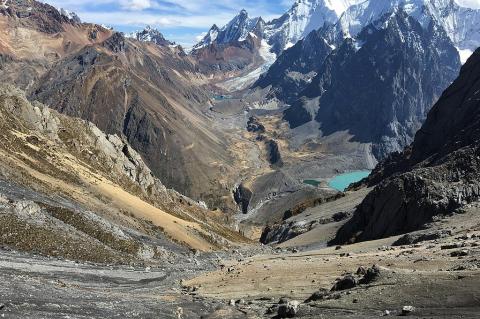
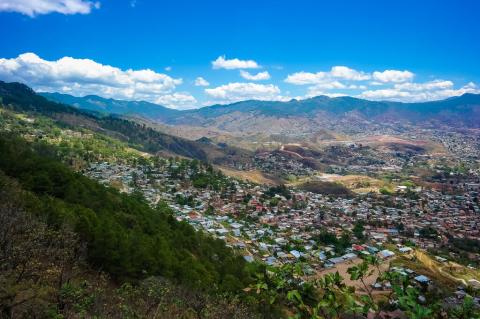
The Venezuelan Andes: A Jewel of the Tropical Andes

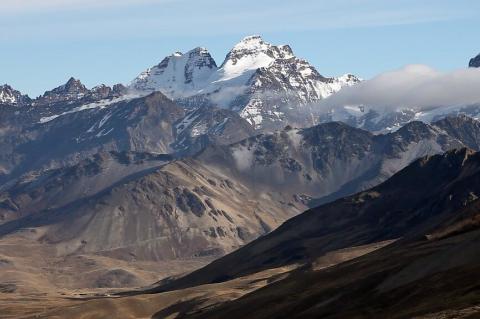
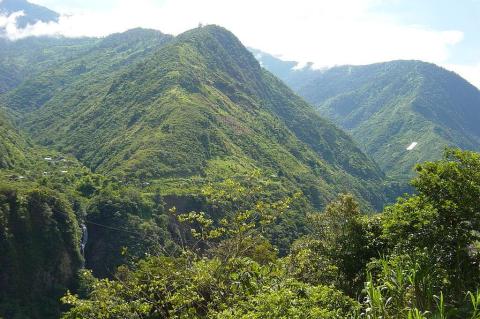
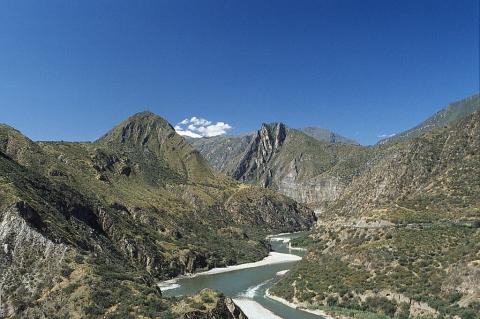
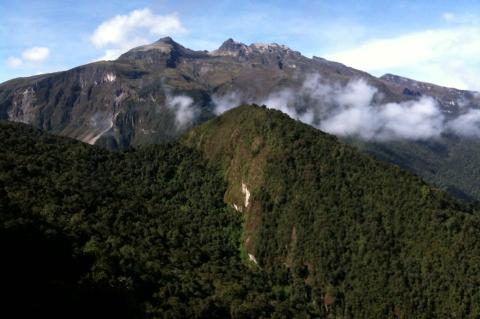
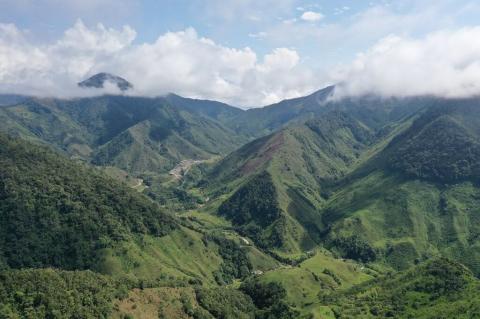
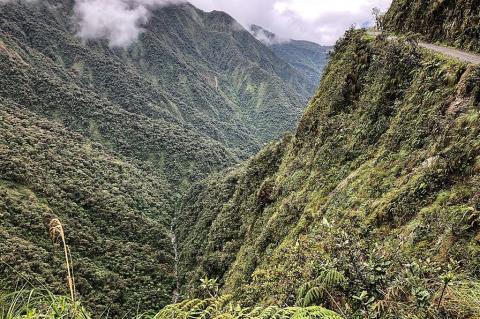
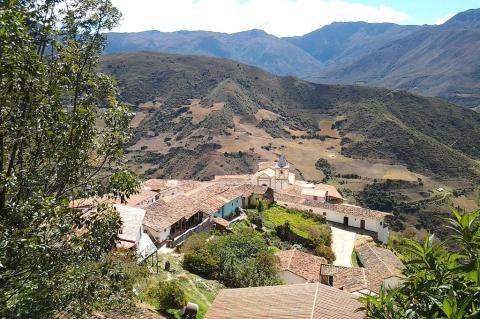
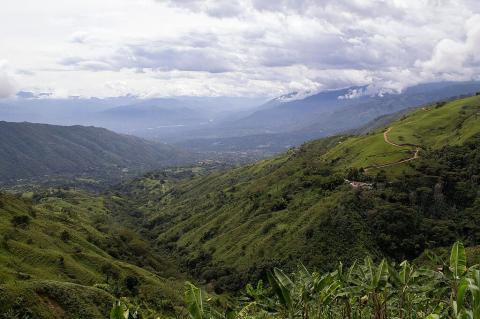
The Venezuelan Andes, also known as the Venezuelan Andean Cordillera, represents the northernmost extension of the Andes Mountain range. This major mountain system runs along the western coast of South America and is vital to Venezuela's natural and geographic landscape. The Andean natural region, encompassing the Cordillera de Mérida and the Serranía del Perijá, is one of Venezuela's distinct natural regions, contributing significantly to the country's biodiversity and cultural richness.
The Venezuelan Coastal Range: A Barrier of Biodiversity and Culture

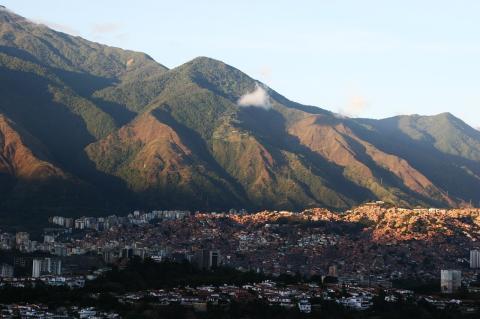
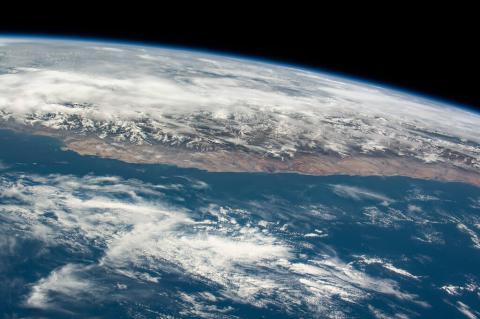
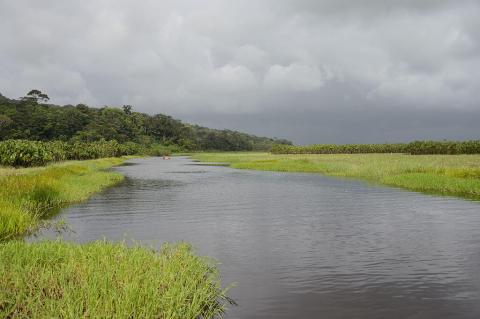
Stretching along Venezuela's northern coast, the Venezuelan Coastal Range, known locally as the Cordillera de la Costa, forms a natural boundary between the Caribbean Sea and the country's northern plains. Extending from Sucre in the east to Zulia in the west, this mountain range is more than just a physical barrier—it is a region of rich biodiversity, deep cultural history, and significant economic importance. Though sometimes called the Maritime Andes, it is a distinct geological formation with unique characteristics.
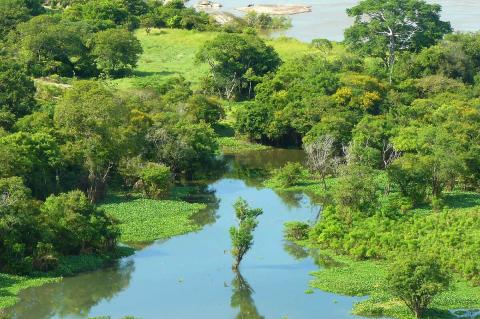
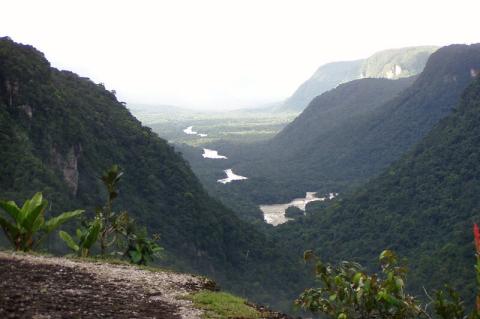
The Vibrant Heart of Colombia: Serranía de la Macarena National Natural Park and Caño Cristales

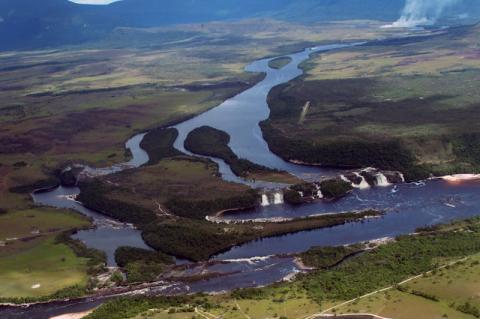
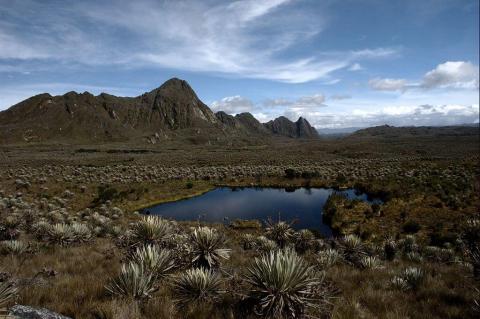
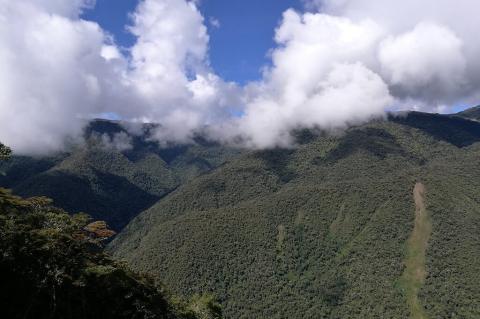
Nestled within the Colombian Andes, the Serranía de la Macarena National Natural Park and the breathtaking Caño Cristales River, often called the "River of Five Colors" or the "Liquid Rainbow," are testaments to Colombia's natural beauty and ecological diversity. These areas in the Meta department offer visitors a unique glimpse into the region's geological wonders, rich biodiversity, and vibrant ecosystems.
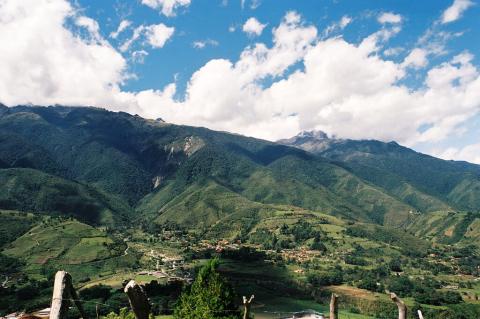
The Wild Frontier: Exploring Chile's Zona Austral

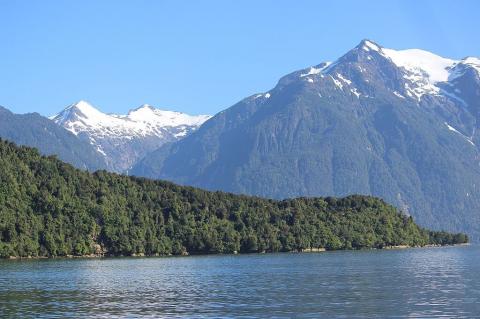
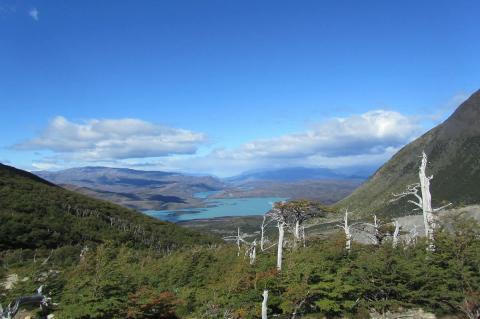
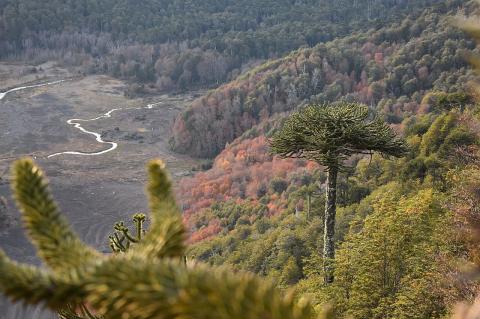
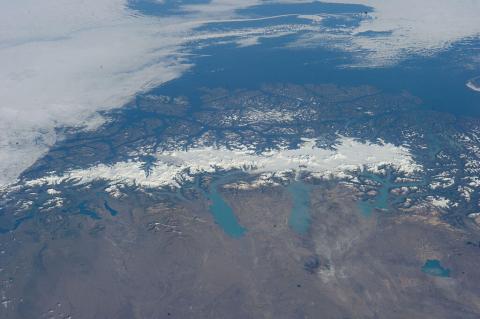
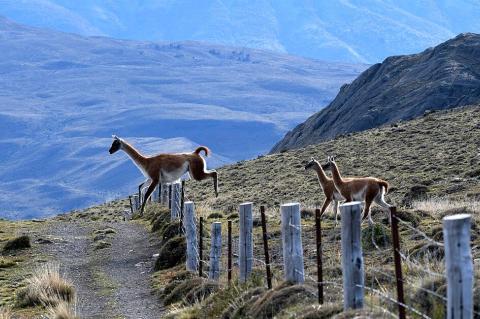
Chile's Zona Austral, the "Far South," encompasses the vast and sparsely populated territory stretching south from the Guaitecas Archipelago to the legendary Cape Horn, representing the country's final frontier towards Antarctica. As the southernmost of its five distinct natural regions, this zone is characterized by a cold, wet climate, dramatic glaciated landscapes, rugged coastlines with intricate fjords and numerous islands, and subpolar conditions in its southernmost reaches.

The Winding Waterways of Tierra del Fuego: Exploring the Strait of Magellan and Beagle Channel

At the southernmost tip of South America, where the continent dissolves into a labyrinth of islands and channels, two remarkable waterways have shaped the course of maritime history, scientific discovery, and human exploration. The Strait of Magellan and the Beagle Channel, carved by millennia of geological forces and sculpted by the relentless Southern Ocean, represent far more than mere passages between oceans—they are corridors of human ambition, natural wonder, and enduring mystery.

The Xingu River: Lifeblood of the Brazilian Amazon

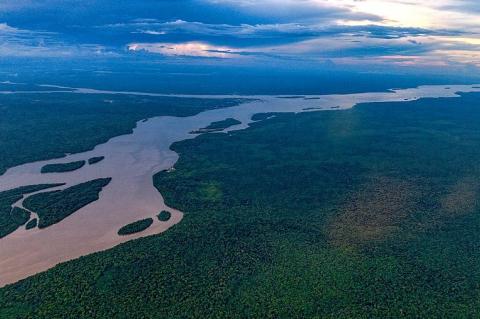
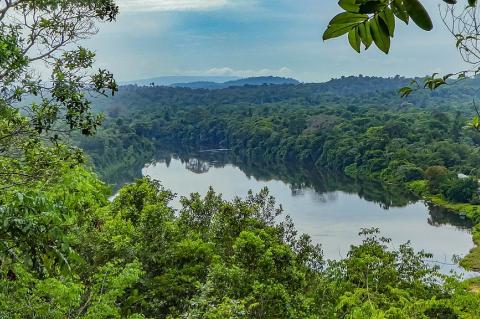
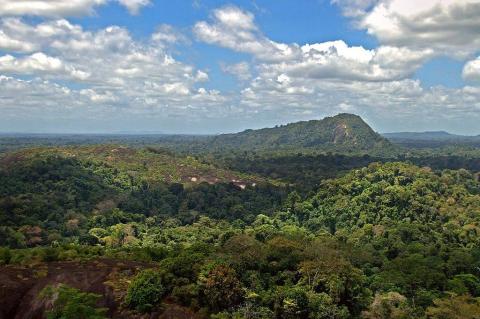
The Xingu River, a major tributary of the Amazon River, flows through the Brazilian Amazon, which is home to one of the world’s most biodiverse ecosystems. It traverses rainforests, savannas, and Indigenous territories, supporting diverse wildlife and the cultural heritage of the Indigenous peoples. As an essential part of the Amazon basin, the Xingu River highlights the beauty of tropical ecosystems, yet it faces significant environmental challenges.

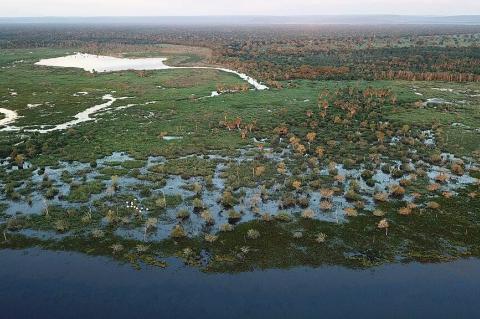
Tides of Life: The Marajó Várzea Ecosystem

The Marajó várzea is a distinctive and ecologically rich region located at the mouth of the Amazon River in eastern Brazil. Spanning the vast lowland islands and floodplains of the Marajó Archipelago, this ecoregion experiences one of the most unusual flooding patterns in the Amazon Basin. This dynamic, coupled with the nutrient-rich sediments the Amazon River carries, has created a fertile and diverse environment supporting various plant and animal species.

Tierra del Fuego National Park: Argentina's Southernmost Natural Wonder

At the southernmost reaches of Argentine Patagonia, where the rugged landscapes of Tierra del Fuego converge with the pristine waters of the Beagle Channel, lies a natural paradise that has captured the hearts and imaginations of adventurers and nature enthusiasts alike. Tierra del Fuego National Park, Argentina's first shoreline national park, is a realm of breathtaking scenery, diverse ecosystems, and abundant wildlife with few equals on the planet.

Tierra del Fuego: The Last Frontier at the End of the World

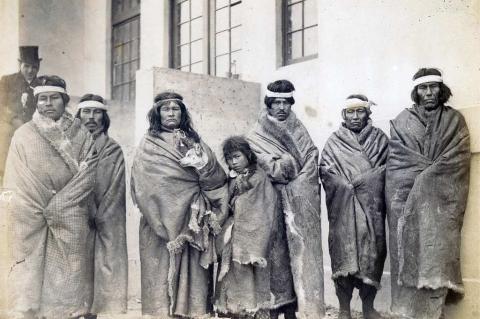
At the southernmost tip of South America, where the continent fragments into islands across turbulent seas, lies one of Earth's most enigmatic regions. Tierra del Fuego—the "Land of Fire"—testifies to the planet's savage beauty and complexity. This archipelago, shaped by geological forces and millennia of ice and wind, embodies humanity's fascination with the edges of the known world, where civilization yields to wilderness and the elements conspire against habitation.