South America

Unveiling the Serra Geral: A Natural Wonder of Southern Brazil

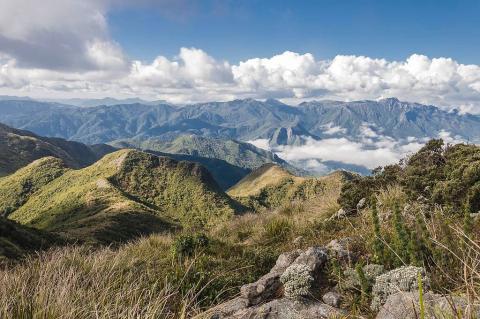
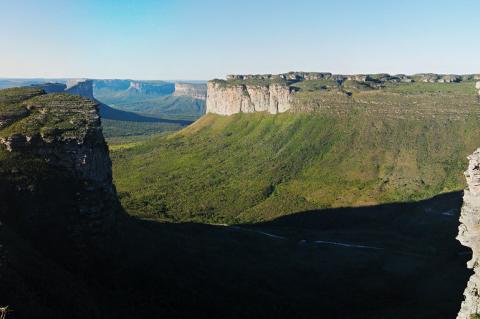
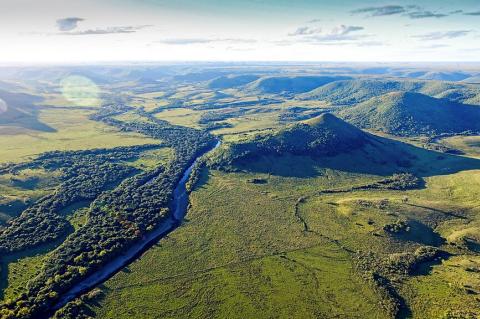
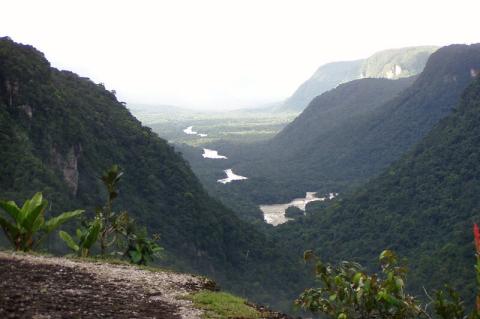
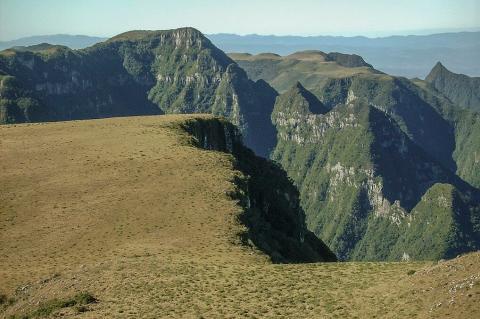
The Serra Geral, an imposing escarpment in southern Brazil, stands as a testament to the region's geological complexity and ecological richness. From its eastern reaches in Rio Grande do Sul to its northern extent in São Paulo, this mountain range captivates with its rugged beauty and diverse ecosystems. Within this breathtaking landscape lies the Serra Geral National Park, established to preserve the region's natural heritage and encompass iconic landmarks such as the Malacara, Churriado, and Fortaleza canyons.

Unveiling the Wonders of Lihué Calel National Park

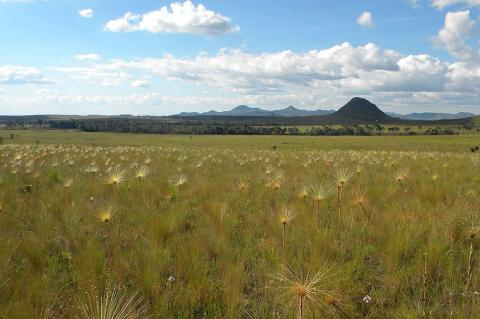
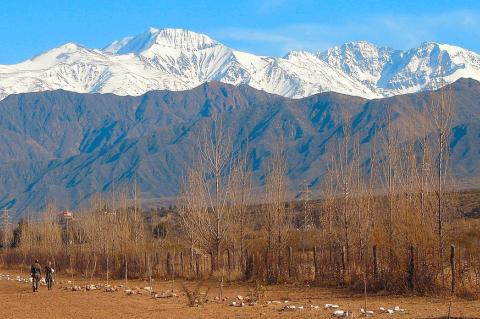
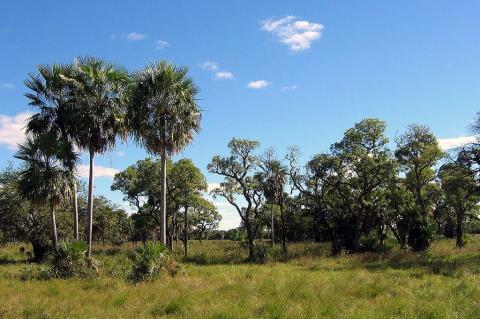
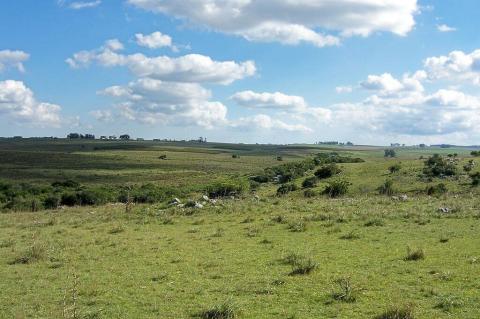
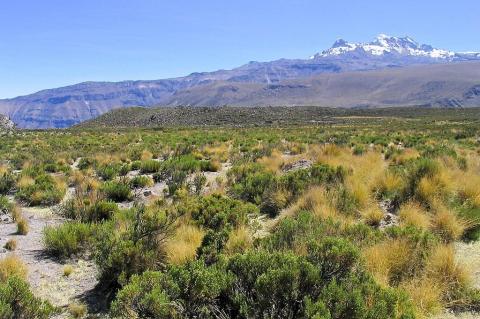
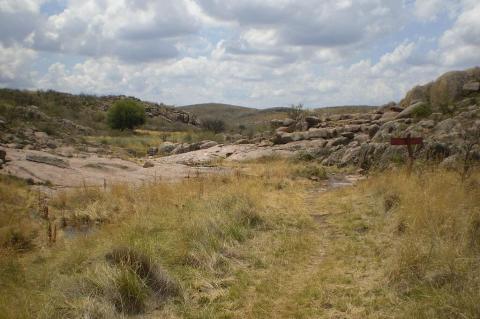
Lihué Calel National Park is nestled in the heart of La Pampa Province, Argentina. It is a stunning natural oasis amidst the vast Pampas plains. This protected area boasts breathtaking landscapes, rich biodiversity, and a deep-rooted cultural heritage. From the rugged peaks of the Sierra de Lihué Calel mountain range to the picturesque canyons, plateaus, and grass-clumped plains, this national park invites visitors to embark on a journey of discovery through a realm of natural wonders.
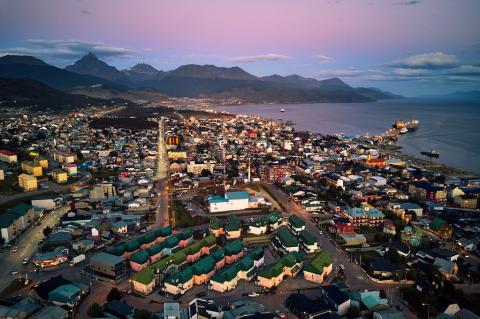
Ushuaia and Tierra del Fuego: Exploring the Southernmost Reaches

At the very edge of the South American continent, where the vast expanse of the Atlantic and Pacific Oceans converge, lies a region steeped in history, adventure, and breathtaking natural beauty – Tierra del Fuego and its capital, Ushuaia. This southernmost province of Argentina, aptly named the "Land of Fire," is a land of contrasts, where rugged mountains meet pristine waterways, and ancient cultures coexist with modern-day marvels.
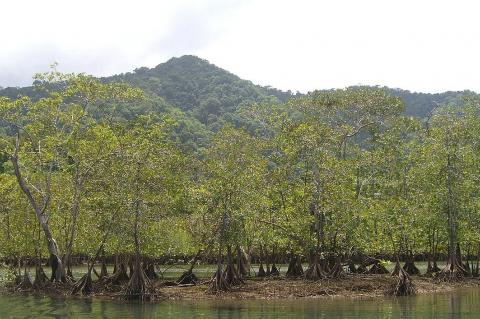
Utría National Natural Park: A Vibrant Mosaic of Biodiversity and Culture

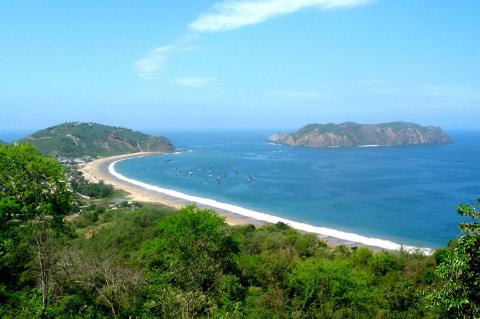
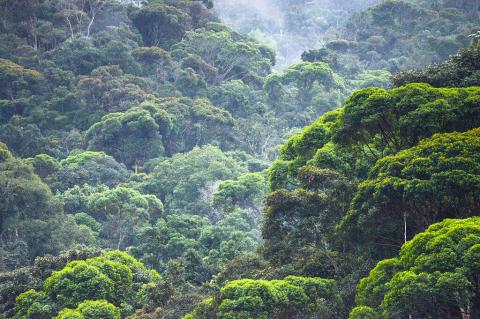
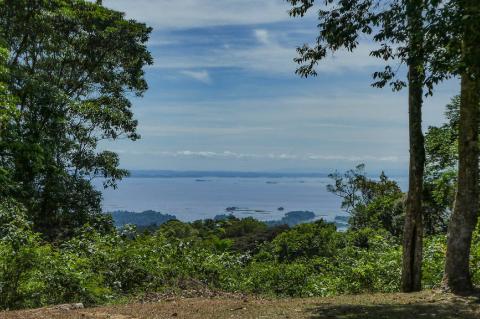
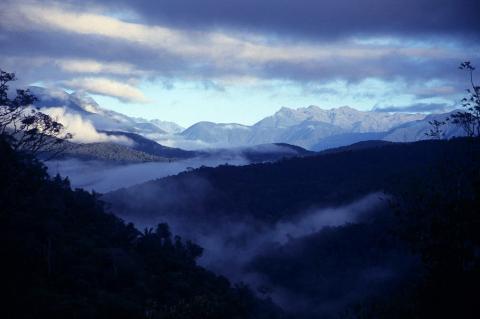
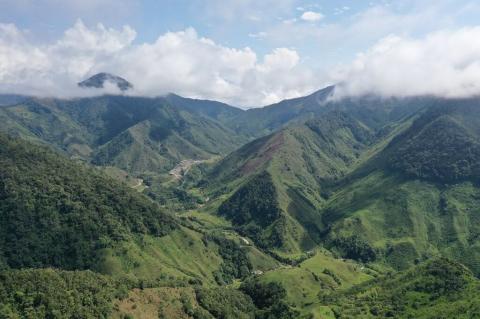
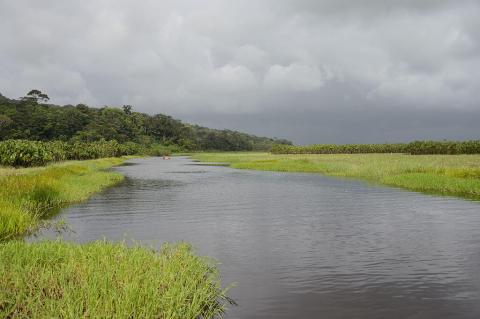
Nestled along Colombia's Pacific coast, Utría National Natural Park is a true gem. Here, lush, mountainous rainforests meet the azure waters of the Pacific Ocean. This protected area in the Pacific/Chocó Natural Region of Colombia encompasses a vast expanse of marine and terrestrial environments. Situated within the Tumbes-Chocó-Magdalena Hotspot, it is renowned for its exceptional biodiversity and cultural heritage.
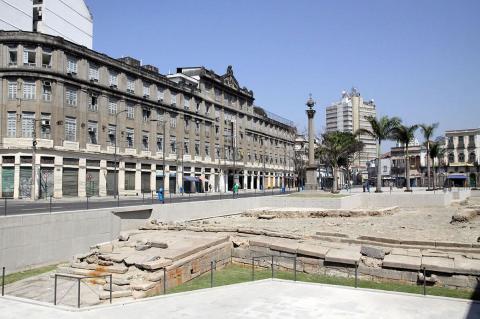
Valongo Wharf: Brazil's Gateway to a Dark Past

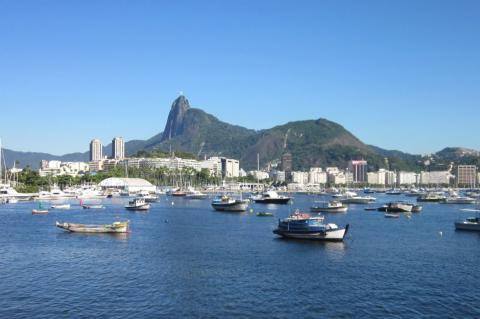
The Valongo Wharf Archaeological Site in Rio de Janeiro, Brazil, is a powerful reminder of one of the darkest chapters in human history: the transatlantic slave trade. Once a hub for the forced transportation of enslaved Africans to the Americas, Valongo Wharf bears witness to the suffering and exploitation endured by millions. Rediscovered during construction work, the site was designated a UNESCO World Heritage Site, recognizing its profound historical and cultural significance. The archaeological remains of the wharf serve as a place of reflection, remembrance, and education.

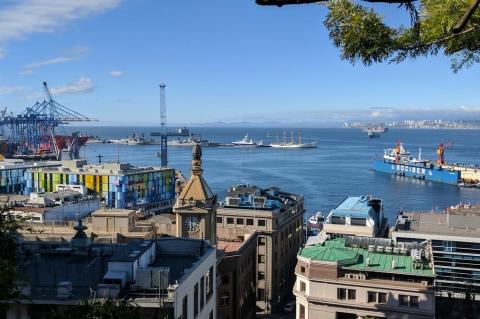
Valparaíso: The Jewel of the Pacific - Triumph, Tragedy, and Resilience

Clinging precariously to steep hills overlooking the Pacific Ocean, Valparaíso stands as Chile's most visually captivating and culturally vibrant city, where brightly painted houses cascade down hillsides like a waterfall of color, where historic funiculars defy gravity to connect the lower port with hillside neighborhoods, and where street art transforms crumbling walls into open-air galleries. Located on Chile's central coast, "Valpo" served as South America's most important Pacific port during the late 19th and early 20th centuries.

Venezuela's El Ávila National Park: From Cloud Forest to Páramo

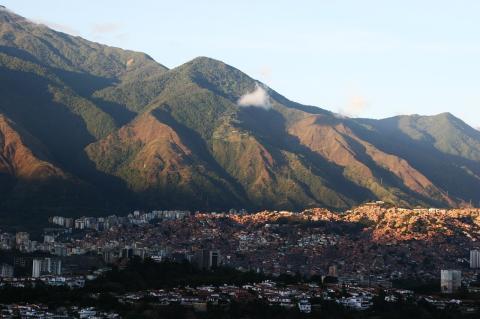
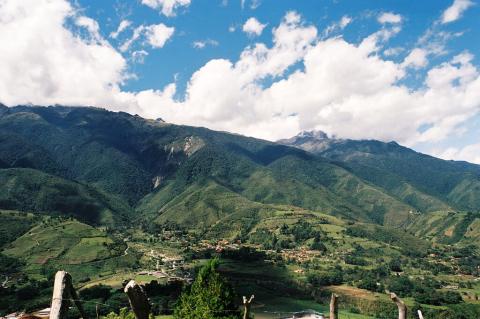
Rising majestically above Venezuela's capital city, El Ávila National Park stands as both a natural fortress and a green sanctuary that has shaped the identity of Caracas for centuries. The park encompasses the entire mountain range that serves as the northern boundary of the Caracas valley. With its towering peaks, diverse ecosystems, and rich biodiversity, El Ávila represents one of Venezuela's most accessible yet ecologically significant protected areas, offering a remarkable example of how urban development and wilderness conservation can coexist.

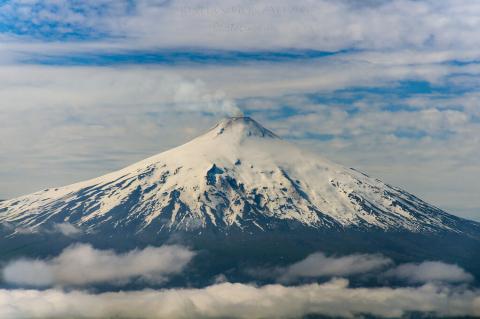
Villarrica Volcano: Chile's Fiery Icon of Nature and Adventure

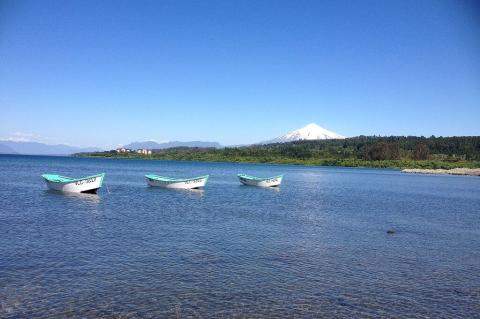
Towering over the picturesque landscapes of southern Chile, Villarrica Volcano is one of South America's most iconic and active stratovolcanoes. Known to the Indigenous Mapuche as Ruka Pillan, or "House of the Spirit," this formidable peak has captivated adventurers, geologists, and nature enthusiasts alike. Rising to 2,847 m (9,341 ft) above sea level, Villarrica is not just a geological wonder but also a cultural and ecological centerpiece.

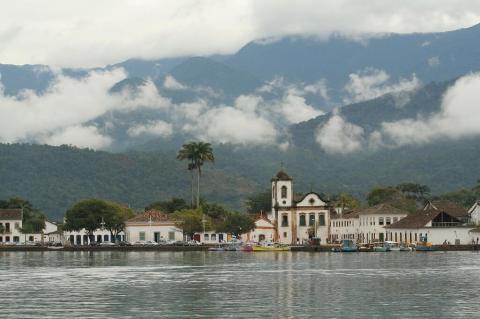
Where Mountains Meet the Sea: The Cultural and Natural Tapestry of Paraty and Ilha Grande

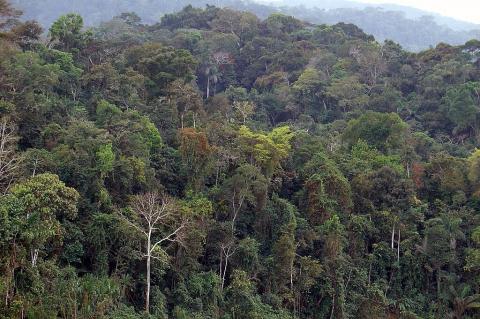
Nestled between the Serra da Bocaina mountain range and the Atlantic Ocean, the World Heritage Site of Paraty and Ilha Grande, located in the states of Rio de Janeiro and São Paulo, is a unique blend of rich cultural history and stunning biodiversity. It includes the historic center of Paraty, the island of Ilha Grande, and four protected natural areas of the Brazilian Atlantic Forest, one of the world's critical biodiversity hotspots. This remarkable site offers a window into Brazil's colonial past, showcasing its commitment to preserving its natural treasures.

Where the Tropics Embrace the Coast: Exploring Colombia's Caribbean Natural Region

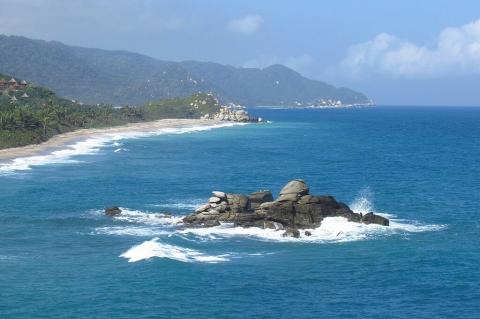
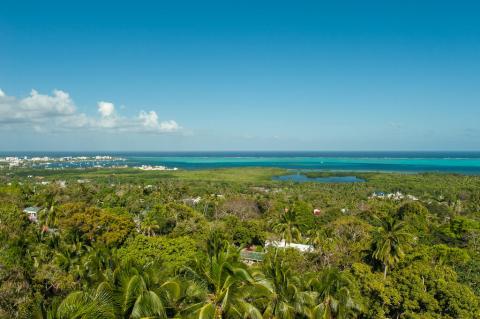
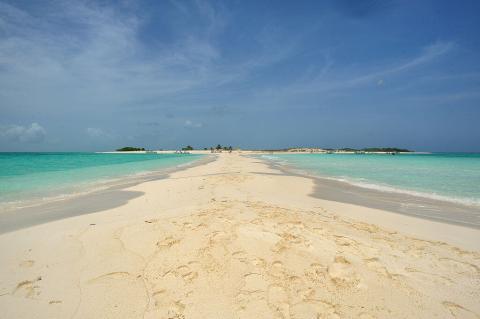
Colombia's Caribbean Natural Region, stretching from the Gulf of Urabá to the Guajira Peninsula, is where tropical warmth meets the Caribbean Sea. Known for its unique climate, diverse ecosystems, rich history, and vibrant culture, this region is key to Colombia's narrative. Once a gateway for European exploration, the Caribbean coast has transformed into a dynamic area of bustling port cities, stunning landscapes, and a unique cultural identity shaped by its history and coastal location.