South America

Venezuela's El Ávila National Park: From Cloud Forest to Páramo

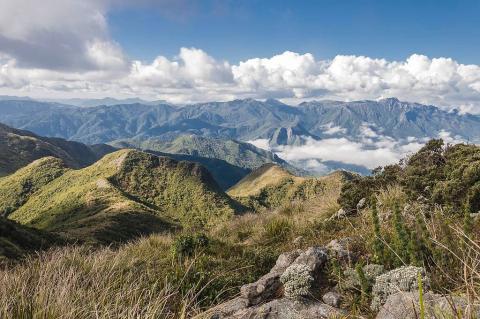
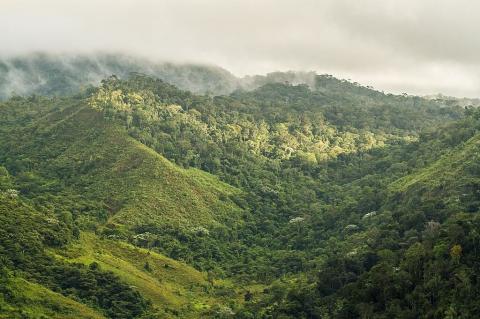
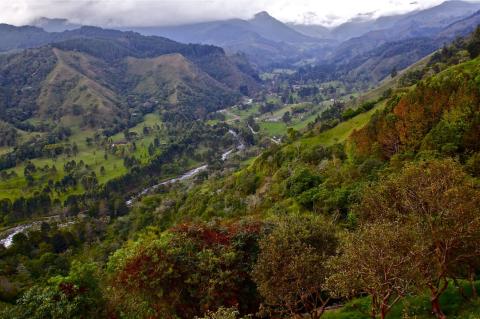
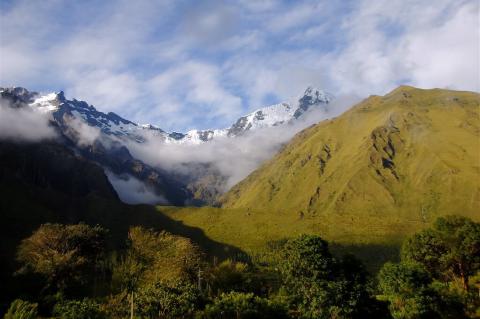
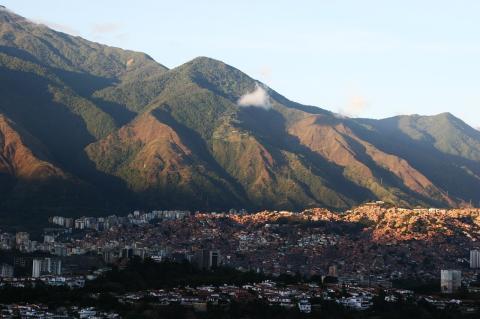
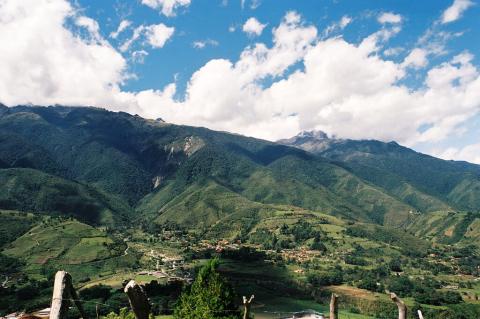
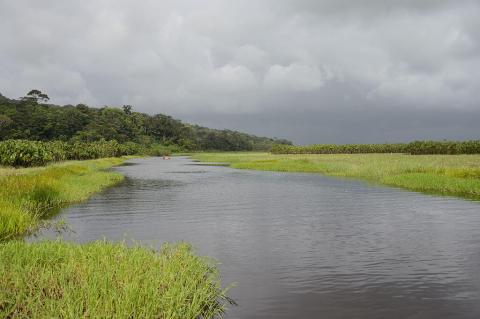
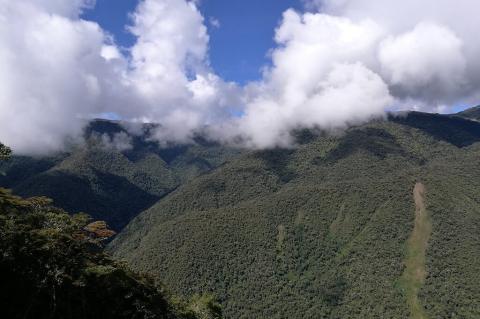
Rising majestically above Venezuela's capital city, El Ávila National Park stands as both a natural fortress and a green sanctuary that has shaped the identity of Caracas for centuries. The park encompasses the entire mountain range that serves as the northern boundary of the Caracas valley. With its towering peaks, diverse ecosystems, and rich biodiversity, El Ávila represents one of Venezuela's most accessible yet ecologically significant protected areas, offering a remarkable example of how urban development and wilderness conservation can coexist.
Vicente Pérez Rosales National Park: Chile's Oldest Park Between Volcanoes and Lakes

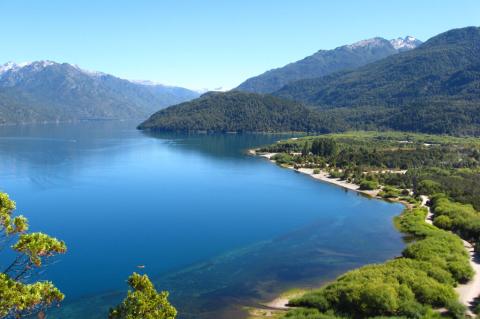
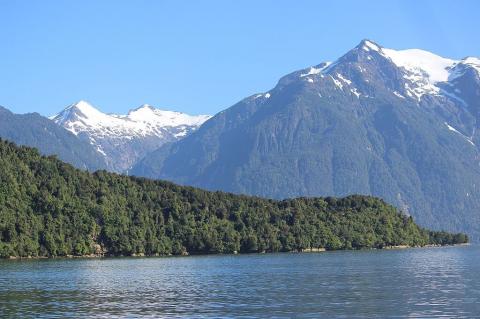
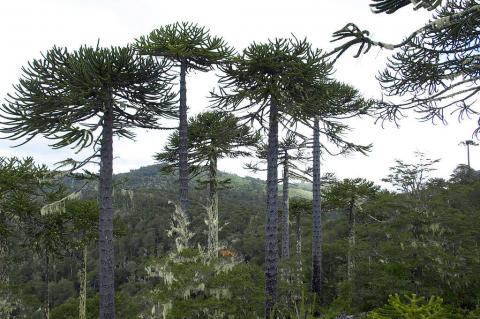
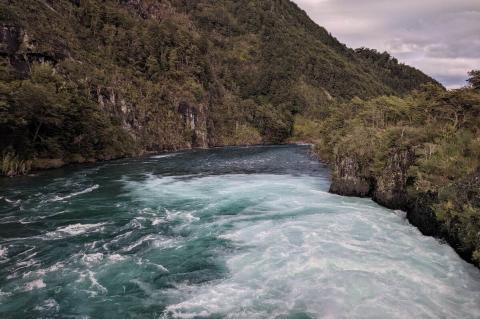
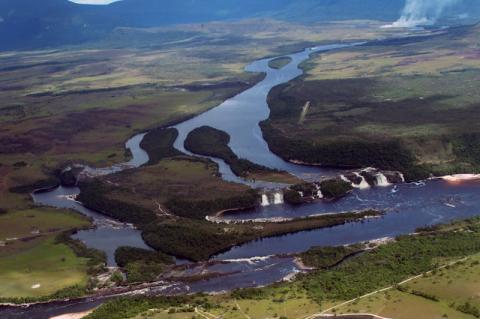
Vicente Pérez Rosales National Park, Chile's first, is named in honor of Vicente Pérez Rosales, a revered Chilean politician and diplomat. It encompasses an expansive area within the Lakes Region of the Chilean Andes and is renowned for its breathtaking and diverse landscapes. It hosts the iconic Lake Todos Los Santos and the Petrohué Waterfalls, surrounded by Valdivian temperate rainforests, a sanctuary for numerous plant and animal species.
Villarrica Volcano: Chile's Fiery Icon of Nature and Adventure

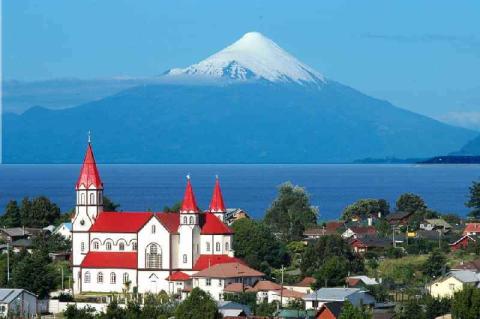
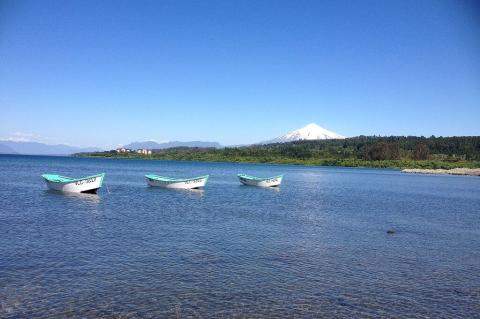
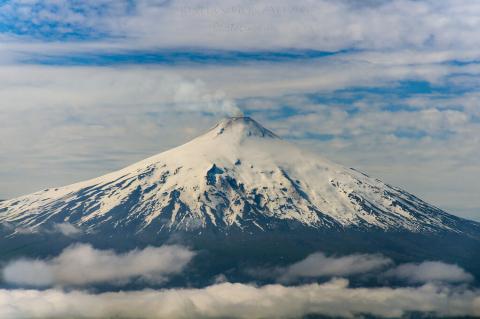
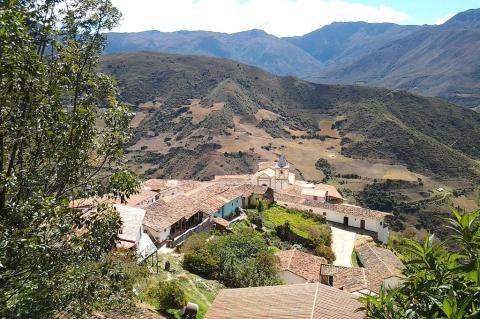
Towering over the picturesque landscapes of southern Chile, Villarrica Volcano is one of South America's most iconic and active stratovolcanoes. Known to the Indigenous Mapuche as Ruka Pillan, or "House of the Spirit," this formidable peak has captivated adventurers, geologists, and nature enthusiasts alike. Rising to 2,847 m (9,341 ft) above sea level, Villarrica is not just a geological wonder but also a cultural and ecological centerpiece.

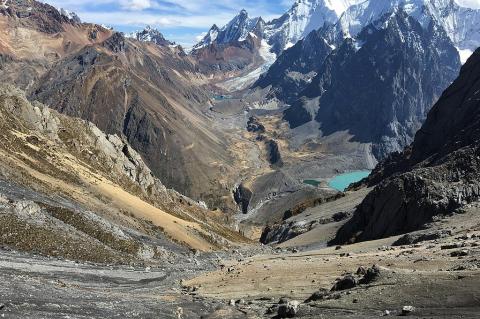
Volcán Isluga National Park: An Aymara Sacred Landscape in the High Altiplano

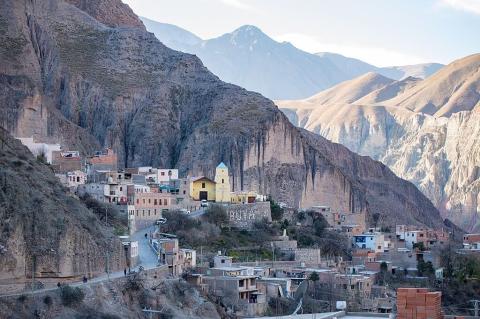
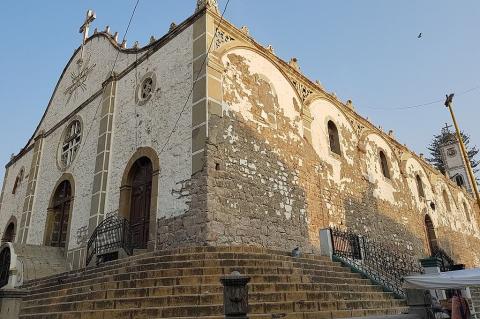
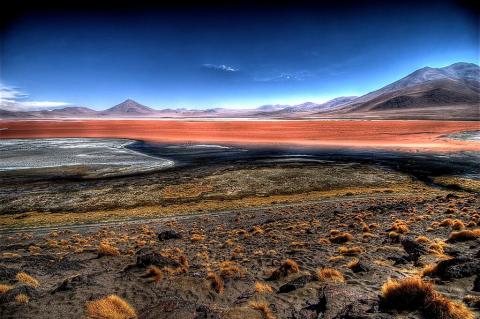
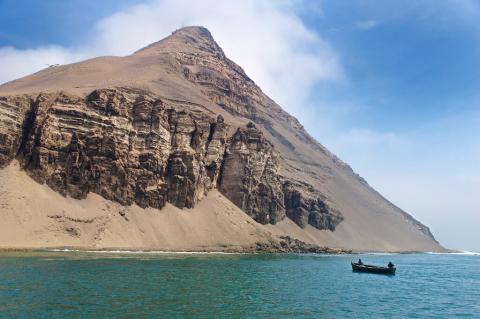
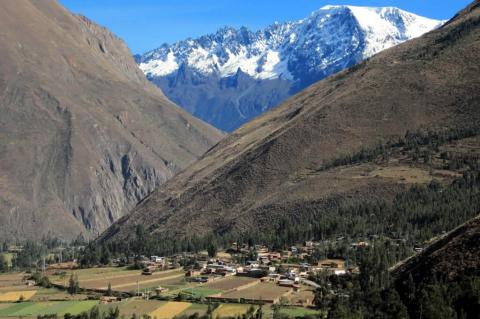
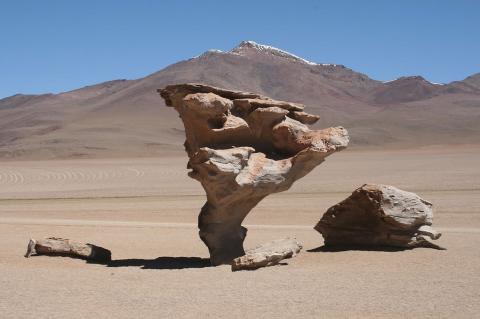
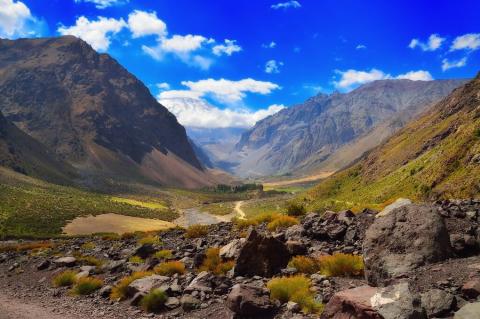
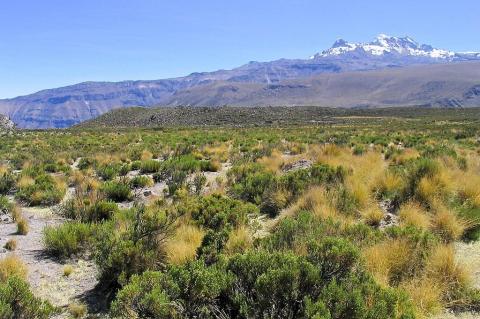
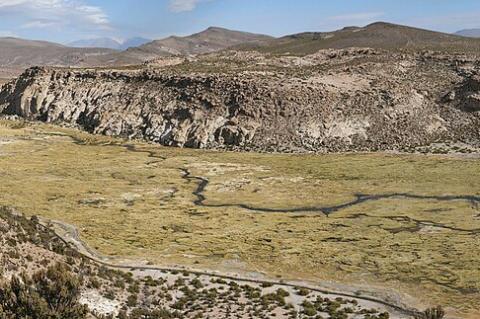
Volcán Isluga National Park lies in the Andes of northern Chile's Tarapacá Region, in the Tarapacá altiplano, and protects about 175,000 hectares of high puna around a sacred Aymara volcano, one of the world's highest geyser fields, and an 18th-century church that remains the ceremonial heart of Aymara life. Its landscape of volcanoes, lagoons, and bunchgrass steppe is the Central Andean dry puna.

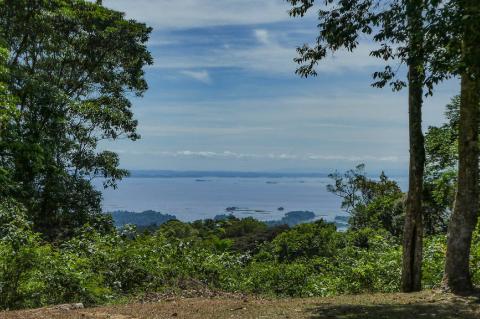
Where Mountains Meet the Sea: The Cultural and Natural Tapestry of Paraty and Ilha Grande

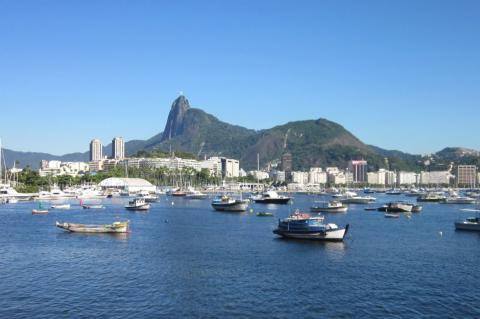
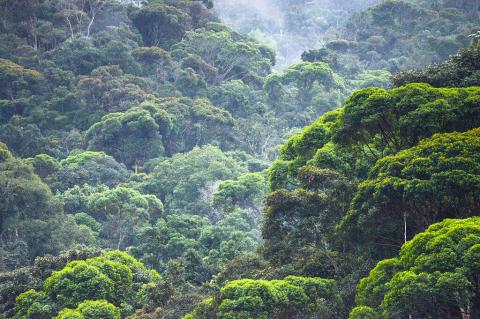
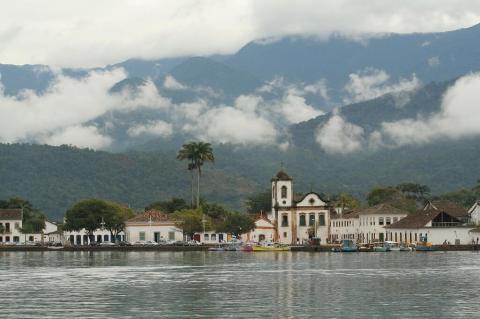
Nestled between the Serra da Bocaina mountain range and the Atlantic Ocean, the World Heritage Site of Paraty and Ilha Grande, located in the states of Rio de Janeiro and São Paulo, is a unique blend of rich cultural history and stunning biodiversity. It includes the historic center of Paraty, the island of Ilha Grande, and four protected natural areas of the Brazilian Atlantic Forest, one of the world's critical biodiversity hotspots. This remarkable site offers a window into Brazil's colonial past, showcasing its commitment to preserving its natural treasures.

Where the Tropics Embrace the Coast: Exploring Colombia's Caribbean Natural Region

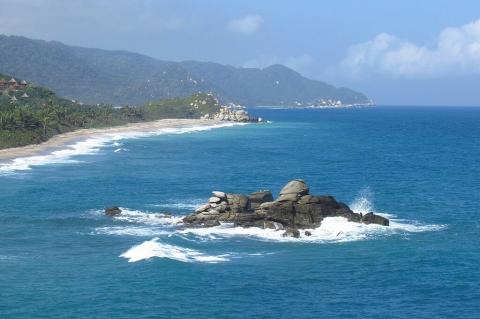
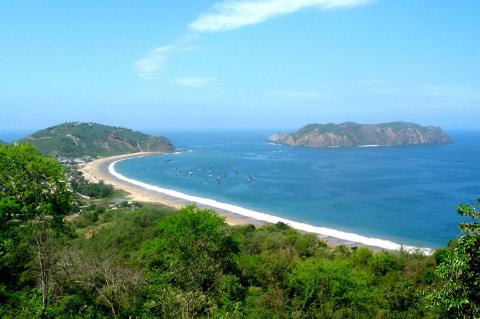
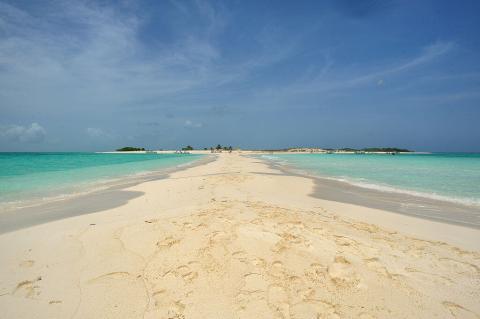
Colombia's Caribbean Natural Region, stretching from the Gulf of Urabá to the Guajira Peninsula, is where tropical warmth meets the Caribbean Sea. Known for its unique climate, diverse ecosystems, rich history, and vibrant culture, this region is key to Colombia's narrative. Once a gateway for European exploration, the Caribbean coast has transformed into a dynamic area of bustling port cities, stunning landscapes, and a unique cultural identity shaped by its history and coastal location.

Yabotí Biosphere Reserve: A Haven of Biodiversity and Cultural Heritage

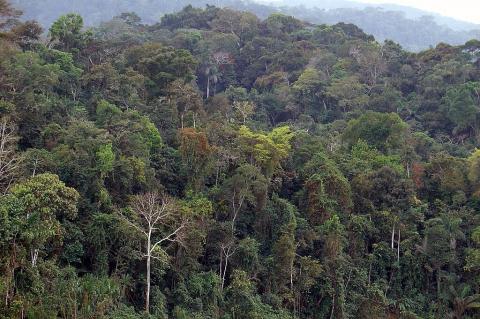
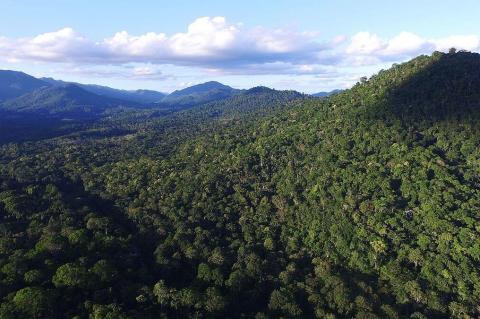
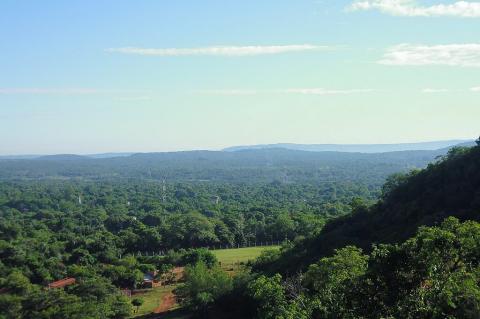
The Yabotí Biosphere Reserve in northeastern Misiones, Argentina, is known for its rich biodiversity and cultural heritage. It is part of the Misiones Rainforest Corridor in the Amazon Rainforest region and supports a wide variety of plant and animal life. The reserve also sustains the traditional villages of the Guaraní peoples, showcasing a harmonious blend of natural and cultural conservation.

Yacurí National Park: A High-Altitude Sanctuary for Ecuador's Biodiversity

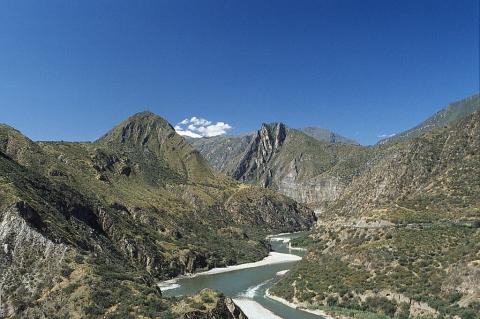
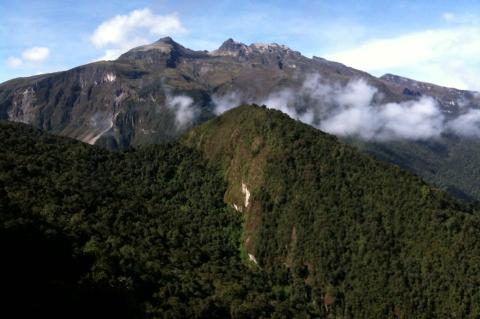
Nestled within the heart of Ecuador's Andean highlands, Yacurí National Park stands as a testament to the country's rich natural heritage. This biodiversity hotspot spans the Continental Divide and encompasses diverse ecosystems. Established as part of the larger Podocarpus—El Condor Biosphere Reserve, Yacurí National Park allows nature enthusiasts to immerse in the rugged beauty of the Andes and witness the intricate tapestry of life that thrives within its boundaries.

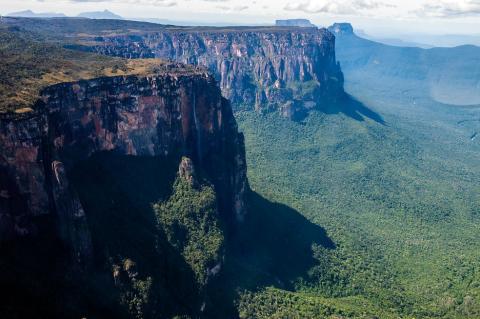
Yasuní: A Sanctuary of Biodiversity in the Amazon

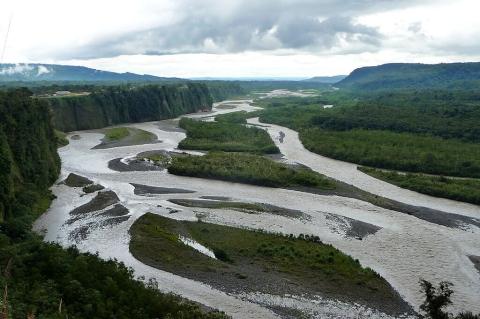
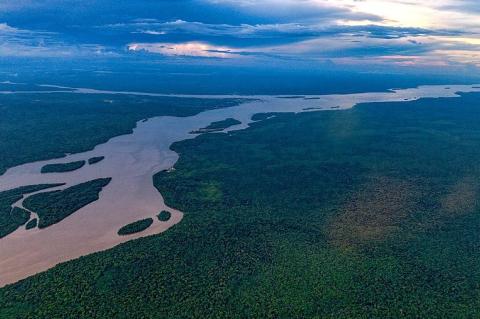
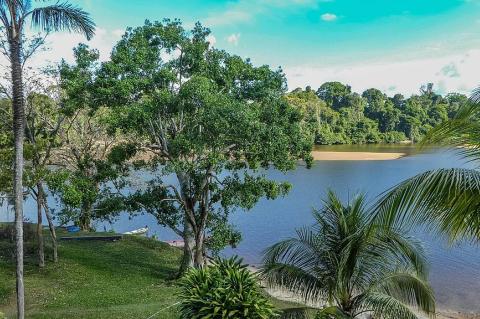
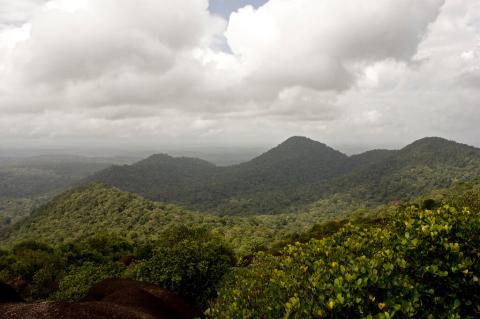
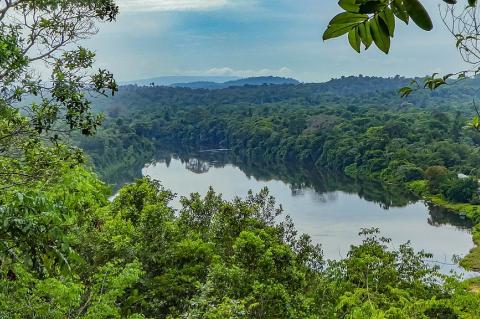
Yasuní National Park and the Yasuní Biosphere Reserve lie in the Amazon of eastern Ecuador, in the provinces of Orellana and Pastaza, where the Equator, the Andes, and the Amazon meet. The park is one of the most biologically diverse places on Earth, a sanctuary for Indigenous peoples, and the site of one of Latin America's most closely watched conflicts between conservation and oil.

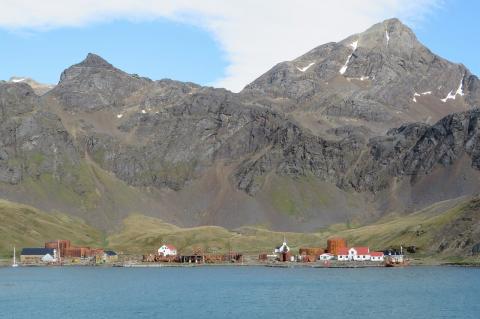
Yendegaia National Park: A Pristine Wilderness Sanctuary in Chilean Patagonia

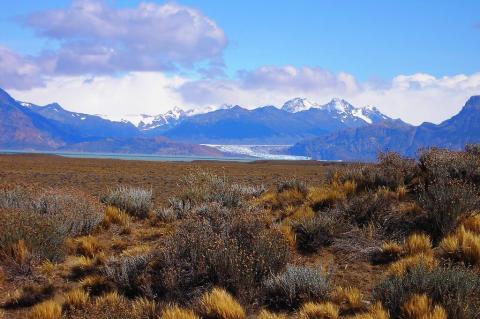
Deep within the heart of Chilean Patagonia, nestled amidst the towering peaks of the Darwin Range and the pristine waters of Lake Fagnano, lies Yendegaia National Park. This vast protected area, stretching from the Cordillera Darwin to the Argentine border and from the Beagle Channel to the shores of Fagnano Lake, encompasses a mosaic of landscapes. Here, vast pampas, unexplored mountains, glaciers, lakes, canals, rivers, and fjords combine in a tapestry of natural wonders.