South America

Valongo Wharf: Brazil's Gateway to a Dark Past

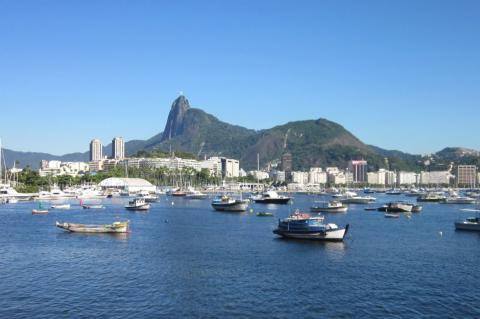
The Valongo Wharf Archaeological Site in Rio de Janeiro, Brazil, is a powerful reminder of one of the darkest chapters in human history: the transatlantic slave trade. Once a hub for the forced transportation of enslaved Africans to the Americas, Valongo Wharf bears witness to the suffering and exploitation endured by millions. Rediscovered during construction work, the site was designated a UNESCO World Heritage Site, recognizing its profound historical and cultural significance. The archaeological remains of the wharf serve as a place of reflection, remembrance, and education.
Valparaíso: A Kaleidoscope of Color, Culture, and Maritime Legacy

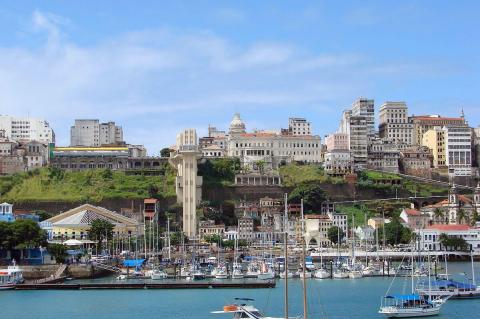
Perched on the rugged Pacific coast of Chile, the city of Valparaíso exudes a captivating tapestry of color, culture, and maritime heritage. Often affectionately referred to as "Valpo," this vibrant port city has long enchanted visitors with its labyrinth of winding streets, colorful houses clinging to steep hillsides, and a palpable bohemian spirit that permeates every corner. UNESCO designated the Historic Quarter of Valparaíso as a World Heritage Site, a testament to its unique urban and architectural qualities that have withstood the test of time.

Venezuela's El Ávila National Park: From Cloud Forest to Páramo

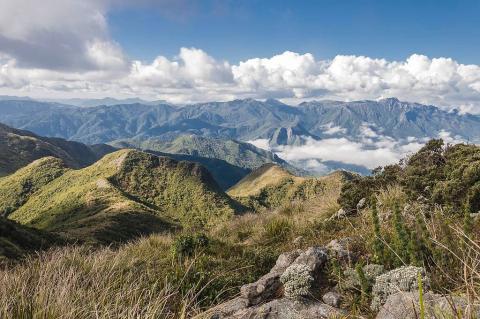
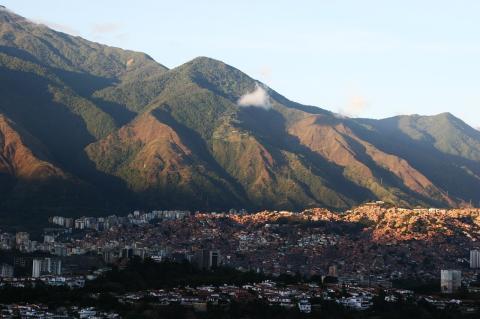
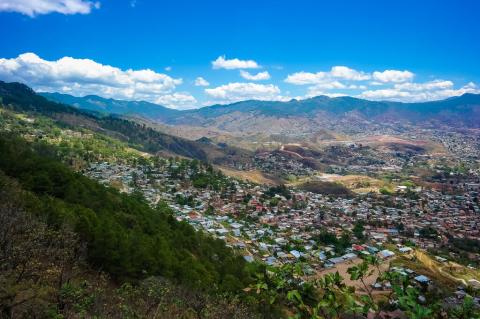
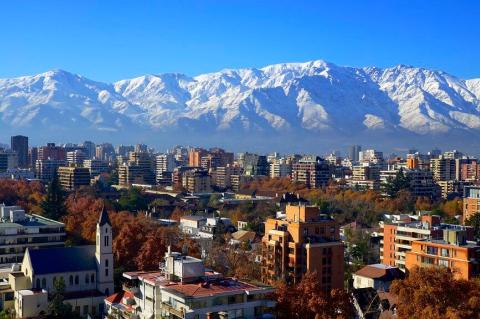
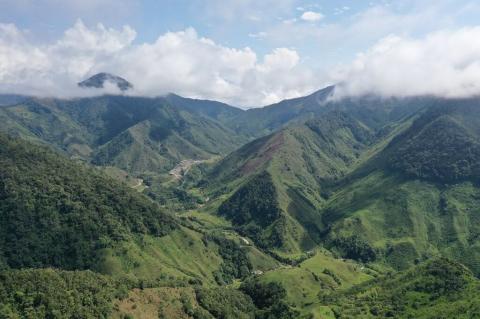
Rising majestically above Venezuela's capital city, El Ávila National Park stands as both a natural fortress and a green sanctuary that has shaped the identity of Caracas for centuries. The park encompasses the entire mountain range that serves as the northern boundary of the Caracas valley. With its towering peaks, diverse ecosystems, and rich biodiversity, El Ávila represents one of Venezuela's most accessible yet ecologically significant protected areas, offering a remarkable example of how urban development and wilderness conservation can coexist.
Villarrica Volcano: Chile's Fiery Icon of Nature and Adventure

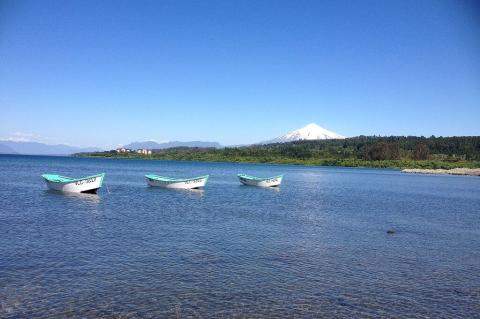
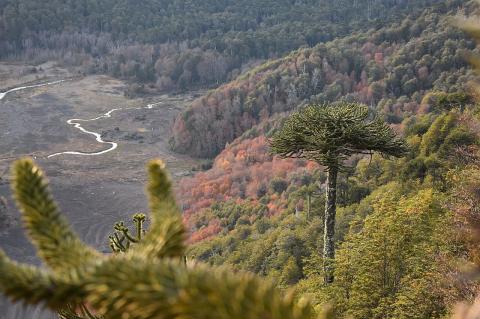
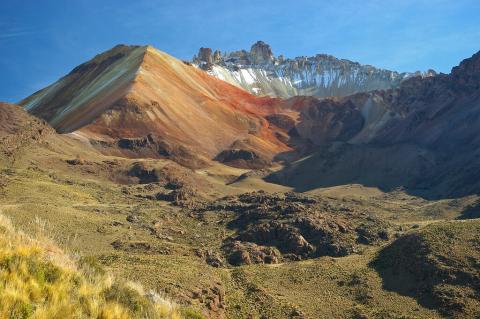
Towering over the picturesque landscapes of southern Chile, Villarrica Volcano is one of South America's most iconic and active stratovolcanoes. Known to the Indigenous Mapuche as Ruka Pillan, or "House of the Spirit," this formidable peak has captivated adventurers, geologists, and nature enthusiasts alike. Rising to 2,847 m (9,341 ft) above sea level, Villarrica is not just a geological wonder but also a cultural and ecological centerpiece.

Where Mountains Meet the Sea: The Cultural and Natural Tapestry of Paraty and Ilha Grande

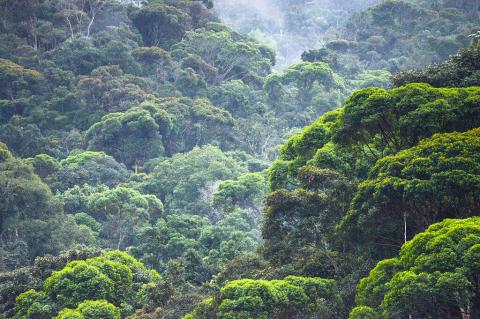
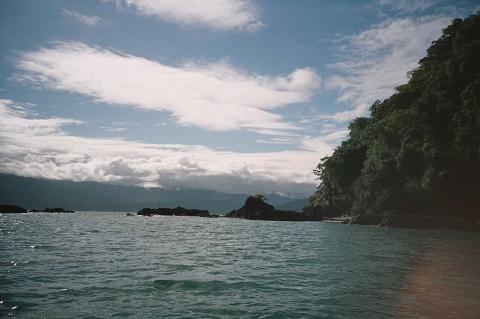
Nestled between the Serra da Bocaina mountain range and the Atlantic Ocean, the World Heritage Site of Paraty and Ilha Grande, located in the states of Rio de Janeiro and São Paulo, is a unique blend of rich cultural history and stunning biodiversity. It includes the historic center of Paraty, the island of Ilha Grande, and four protected natural areas of the Brazilian Atlantic Forest, one of the world's critical biodiversity hotspots. This remarkable site offers a window into Brazil's colonial past, showcasing its commitment to preserving its natural treasures.

Where the Tropics Embrace the Coast: Exploring Colombia's Caribbean Natural Region

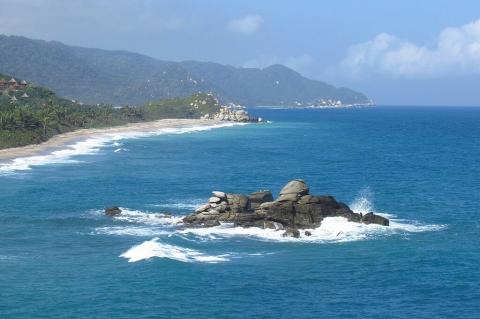
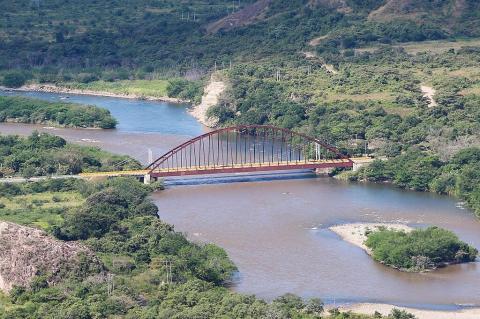
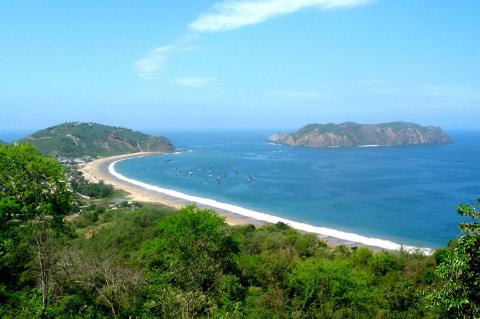
Colombia's Caribbean Natural Region, stretching from the Gulf of Urabá to the Guajira Peninsula, is where tropical warmth meets the Caribbean Sea. Known for its unique climate, diverse ecosystems, rich history, and vibrant culture, this region is key to Colombia's narrative. Once a gateway for European exploration, the Caribbean coast has transformed into a dynamic area of bustling port cities, stunning landscapes, and a unique cultural identity shaped by its history and coastal location.

Yabotí Biosphere Reserve: A Haven of Biodiversity and Cultural Heritage

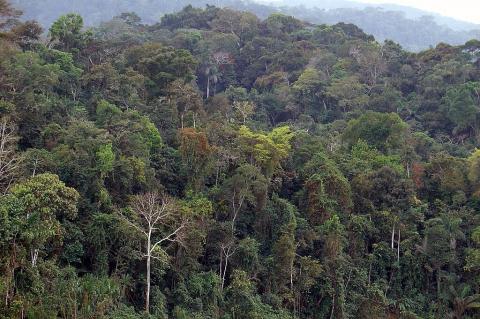
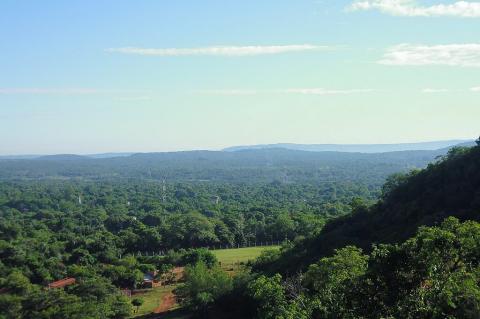
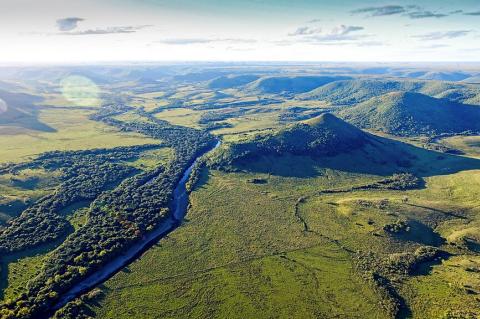
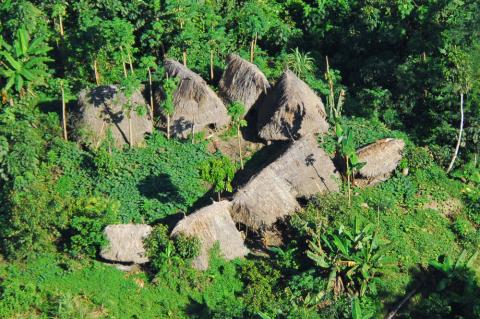
The Yabotí Biosphere Reserve in northeastern Misiones, Argentina, is known for its rich biodiversity and cultural heritage. It is part of the Misiones Rainforest Corridor in the Amazon Rainforest region and supports a wide variety of plant and animal life. The reserve also sustains the traditional villages of the Guaraní peoples, showcasing a harmonious blend of natural and cultural conservation.

Yacurí National Park: A High-Altitude Sanctuary for Ecuador's Biodiversity

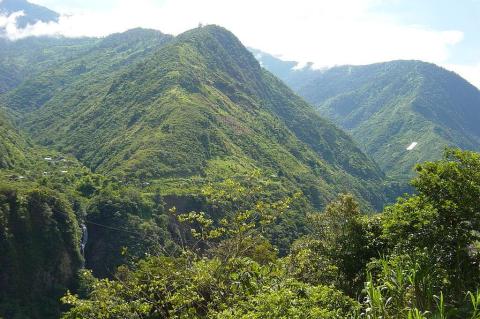
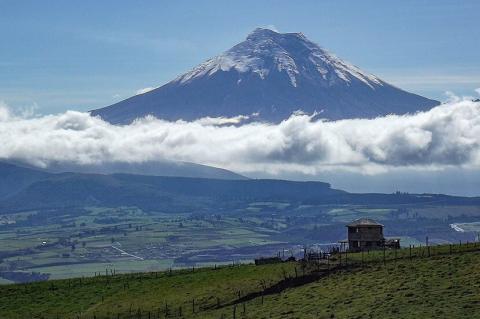
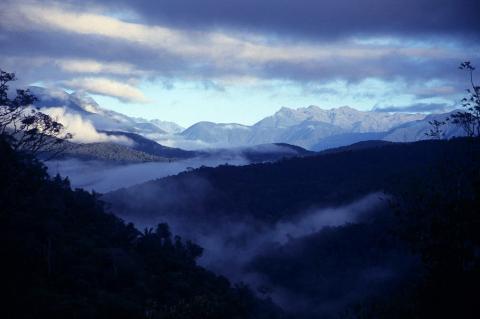
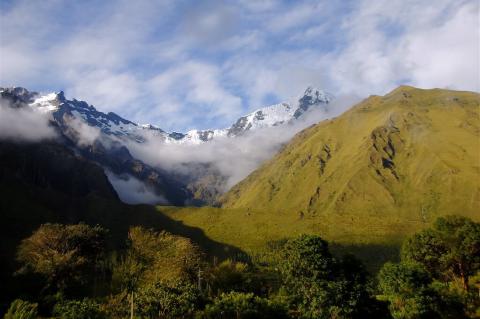
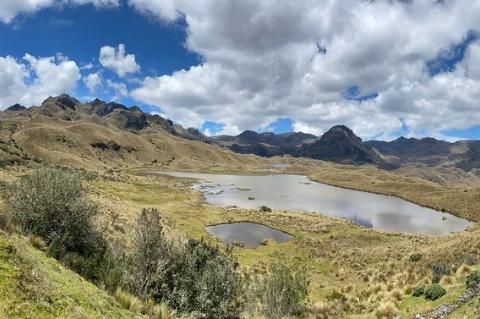
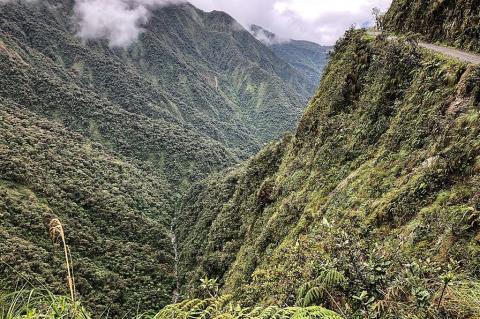
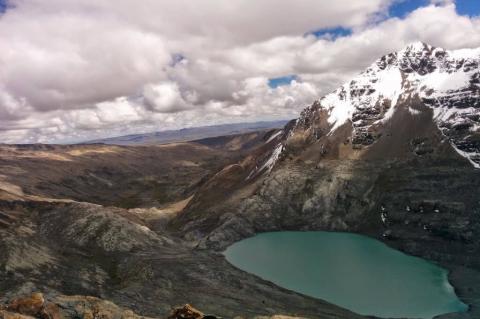
Nestled within the heart of Ecuador's Andean highlands, Yacurí National Park stands as a testament to the country's rich natural heritage. This biodiversity hotspot spans the Continental Divide and encompasses diverse ecosystems. Established as part of the larger Podocarpus—El Condor Biosphere Reserve, Yacurí National Park allows nature enthusiasts to immerse in the rugged beauty of the Andes and witness the intricate tapestry of life that thrives within its boundaries.

Yasuní: A Sanctuary of Biodiversity in the Amazon

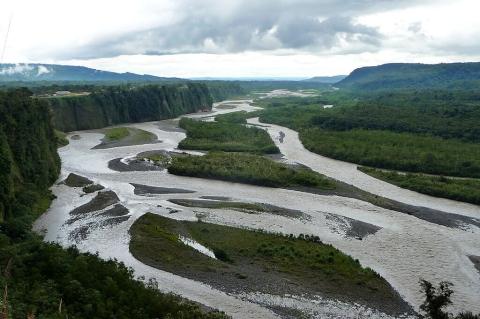
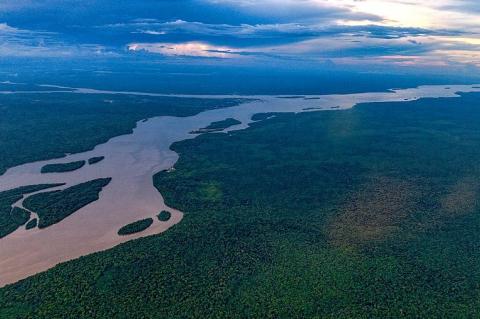
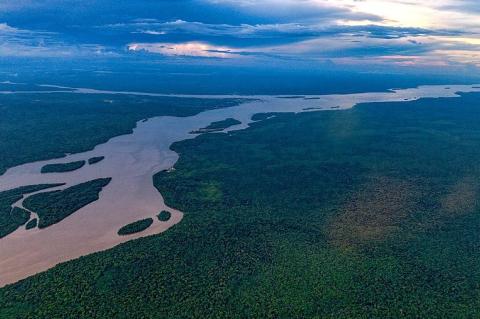
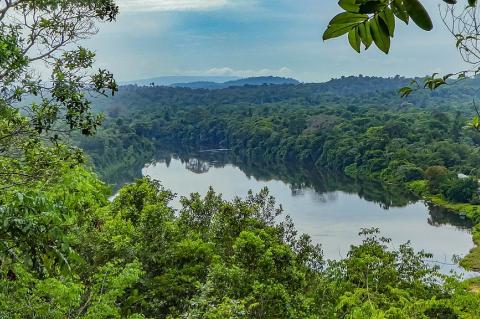
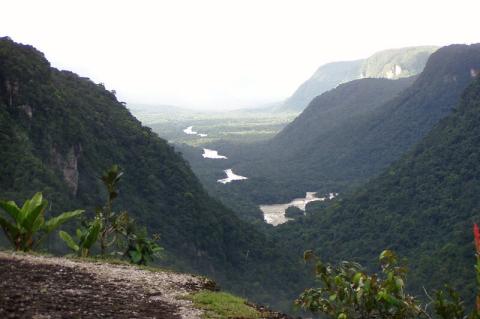
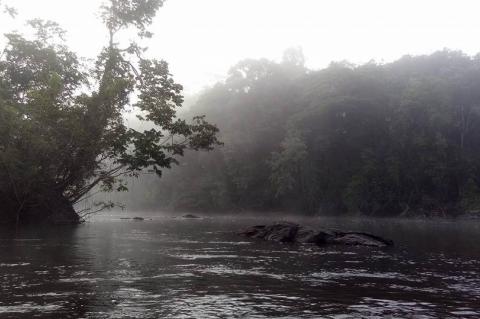
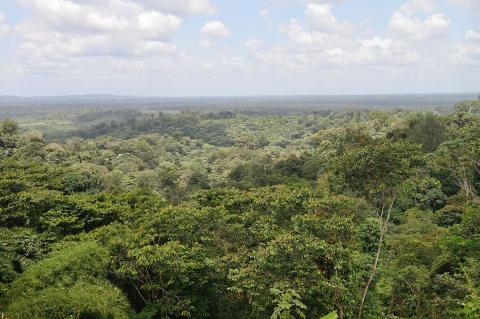
Yasuní National Park and Biosphere Reserve, located in the Amazonian region of northern Ecuador, represent one of Earth's most biologically diverse areas. This unique region, where the Equatorial, Andes, and Amazon regions converge, serves as a critical habitat for countless species and a sanctuary for Indigenous cultures. The park's vast expanse and ecological significance make it a focal point for conservation efforts and scientific research.

Yendegaia National Park: A Pristine Wilderness Sanctuary in Chilean Patagonia

Deep within the heart of Chilean Patagonia, nestled amidst the towering peaks of the Darwin Range and the pristine waters of Lake Fagnano, lies Yendegaia National Park. This vast protected area, stretching from the Cordillera Darwin to the Argentine border and from the Beagle Channel to the shores of Fagnano Lake, encompasses a mosaic of landscapes. Here, vast pampas, unexplored mountains, glaciers, lakes, canals, rivers, and fjords combine in a tapestry of natural wonders.