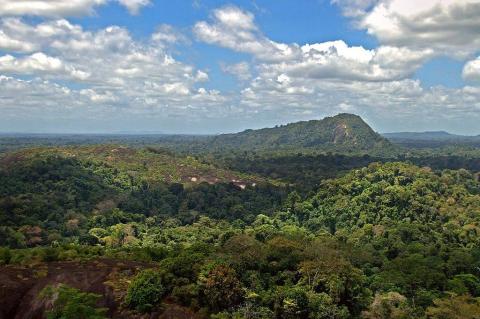
South America

The Winding Waterways of Tierra del Fuego: Exploring the Strait of Magellan and Beagle Channel

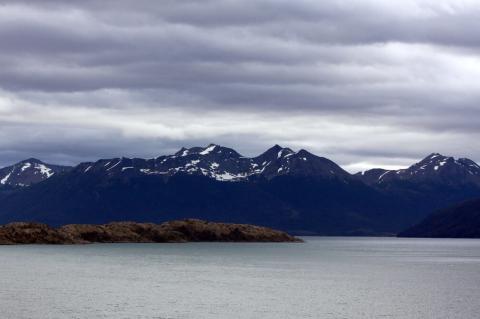
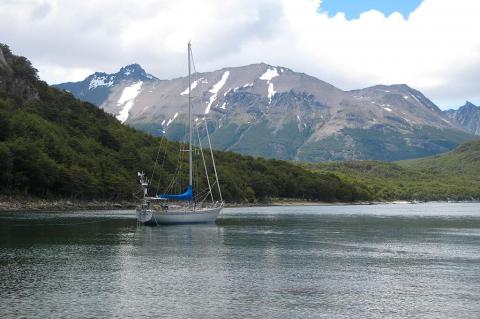
Threading through the Tierra del Fuego archipelago at the southern tip of South America, the Strait of Magellan and the Beagle Channel are the two great navigable passages that, for nearly four centuries, connected the Atlantic and Pacific oceans without requiring ships to round Cape Horn's dangerous open waters. Both waterways carry names from famous voyages of exploration, and both were home to Indigenous communities who mastered a life lived almost entirely on and around the water.
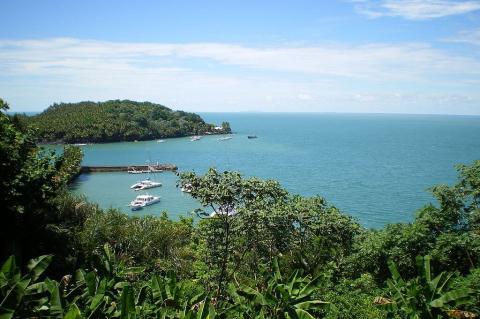
The Xingu River: Lifeblood of the Brazilian Amazon

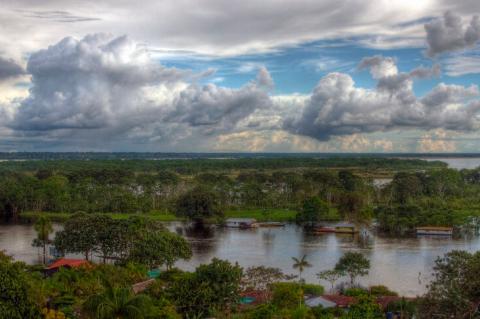
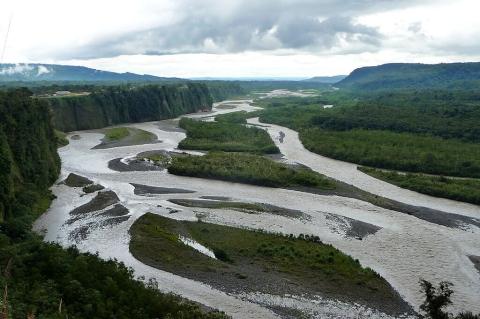
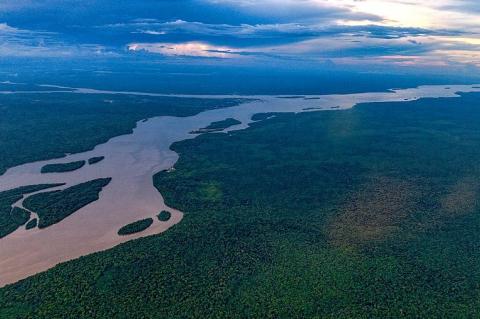
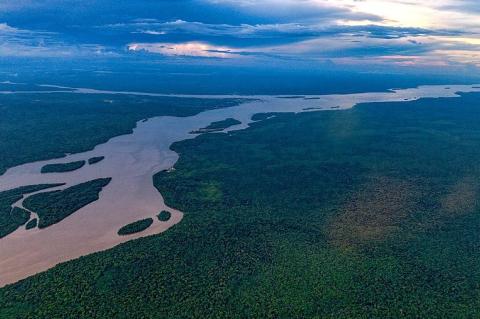
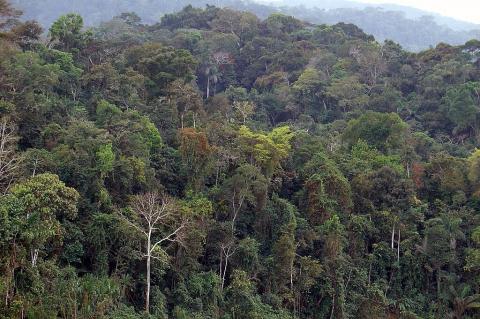
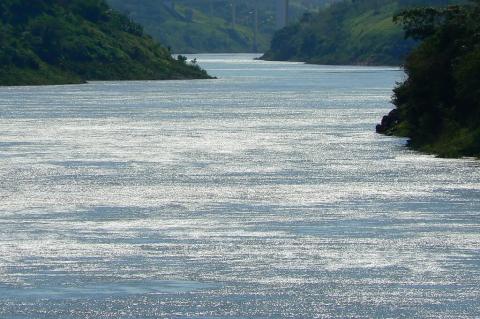
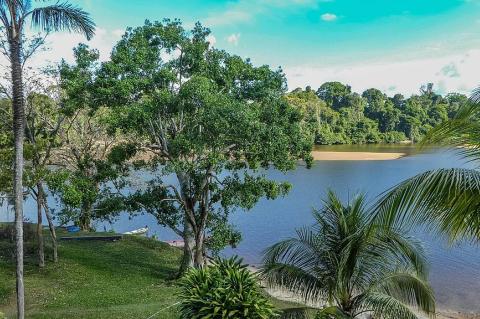
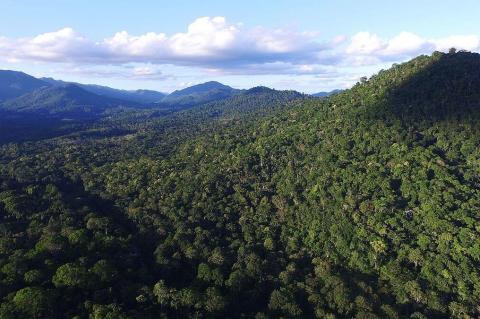
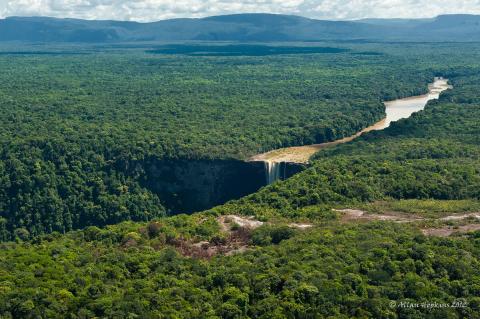
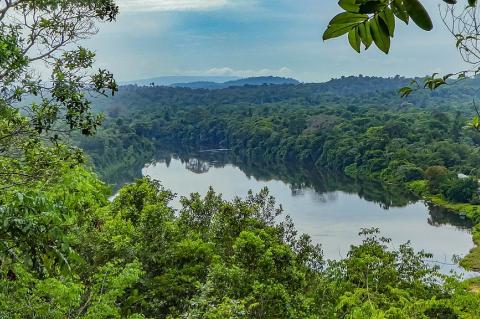
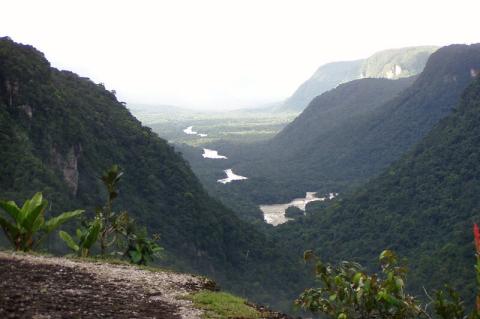
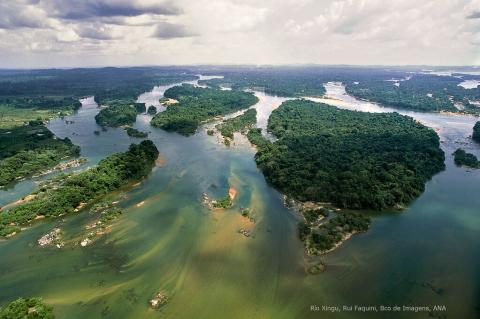
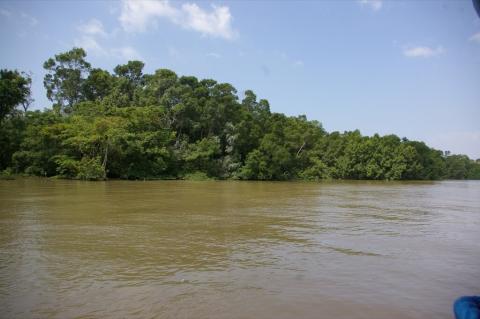
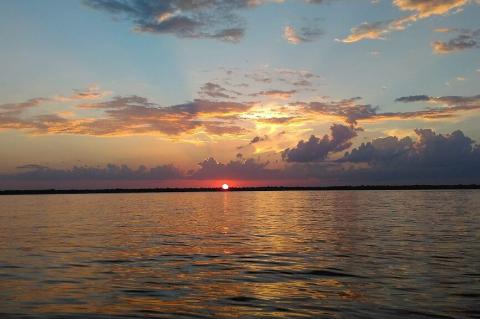
The Xingu River, a major tributary of the Amazon River, flows through the Brazilian Amazon, which is home to one of the world’s most biodiverse ecosystems. It traverses rainforests, savannas, and Indigenous territories, supporting diverse wildlife and the cultural heritage of the Indigenous peoples. As an essential part of the Amazon basin, the Xingu River highlights the beauty of tropical ecosystems, yet it faces significant environmental challenges.
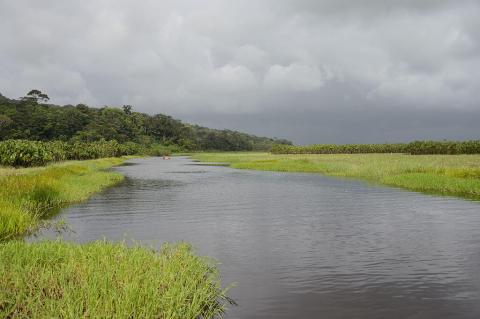
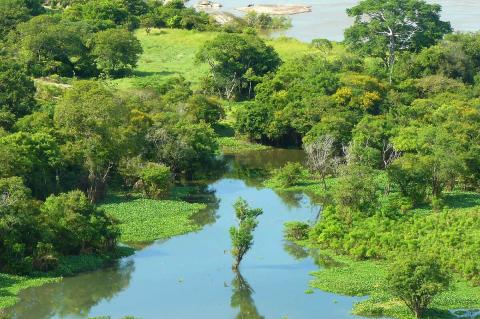
Tides of Life: The Marajó Várzea Ecosystem

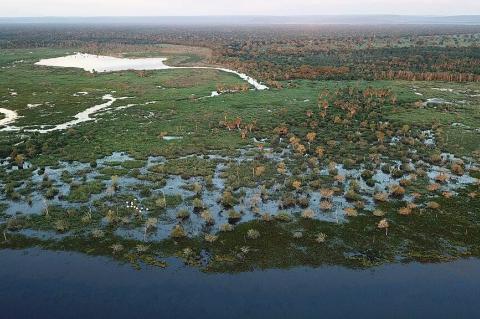
The Marajó várzea is a distinctive and ecologically rich region located at the mouth of the Amazon River in eastern Brazil. Spanning the vast lowland islands and floodplains of the Marajó Archipelago, this ecoregion experiences one of the most unusual flooding patterns in the Amazon Basin. This dynamic, coupled with the nutrient-rich sediments the Amazon River carries, has created a fertile and diverse environment supporting various plant and animal species.
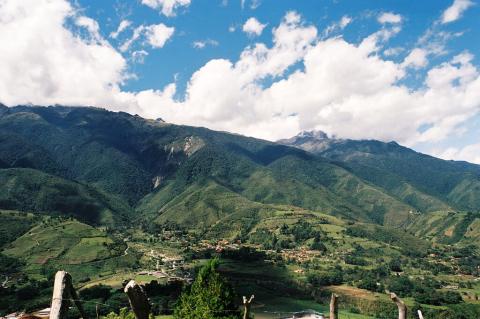
Tierra del Fuego National Park: Argentina's Southernmost Natural Wonder

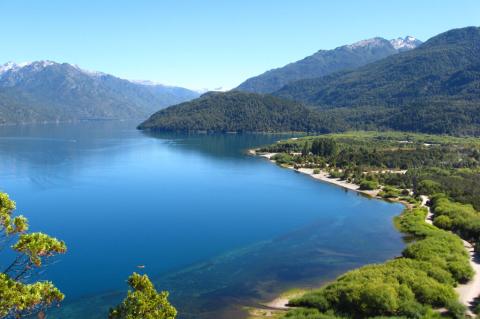
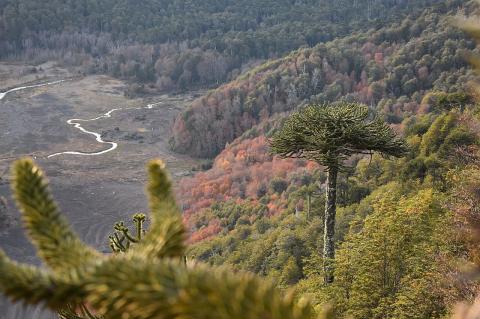
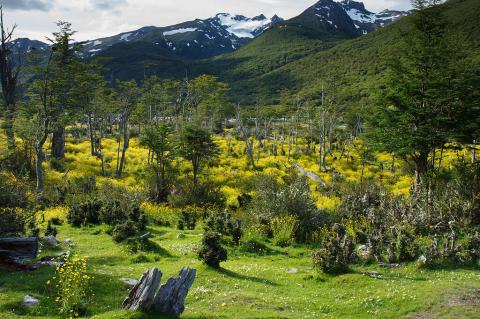
At the southernmost reaches of Argentine Patagonia, where the rugged landscapes of Tierra del Fuego converge with the pristine waters of the Beagle Channel, lies a natural paradise that has captured the hearts and imaginations of adventurers and nature enthusiasts alike. Tierra del Fuego National Park, Argentina's first shoreline national park, is a realm of breathtaking scenery, diverse ecosystems, and abundant wildlife with few equals on the planet.

Tierra del Fuego: Archipelago of Fire and Ice

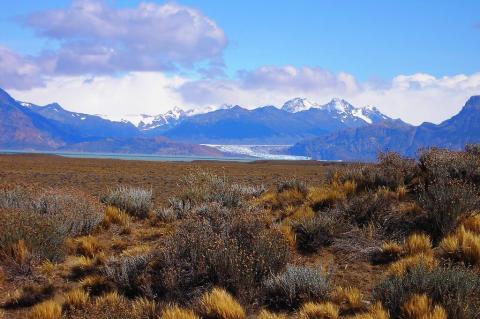
At the southernmost extremity of South America, where the continent fragments into a thousand islands scattered across tempestuous seas, lies Tierra del Fuego, the "Land of Fire." Ferdinand Magellan, the Portuguese explorer who first glimpsed these shores in 1520, named the archipelago after witnessing the countless fires lit by Indigenous peoples along the coastline. Five centuries later, the region remains one of the most sparsely populated and geologically dynamic corners of the continent.

Tierradentro: Unveiling Colombia's Ancient Mysteries

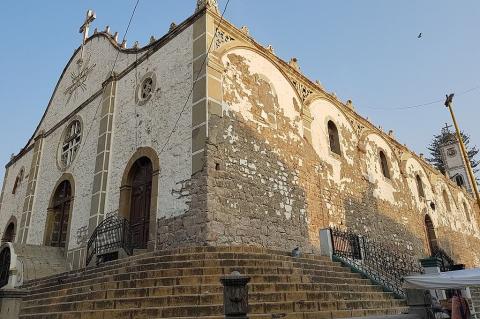
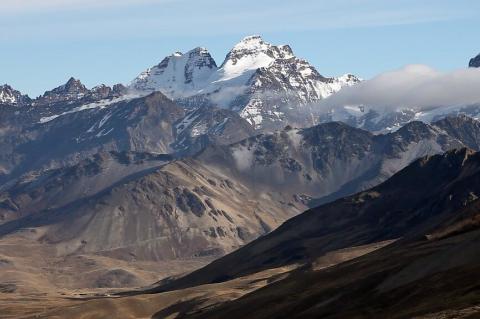
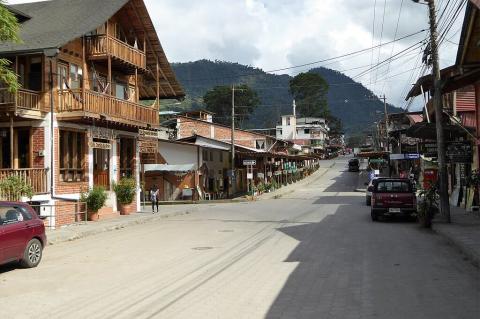
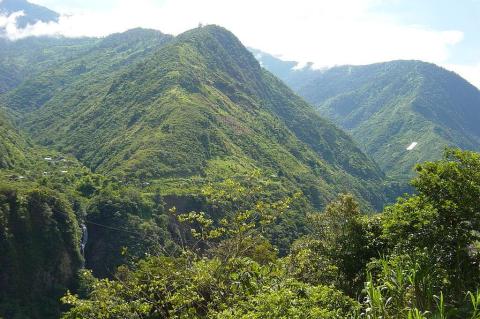
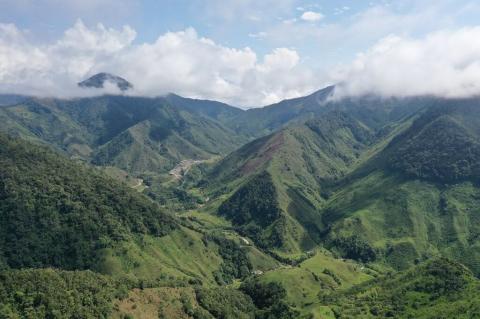
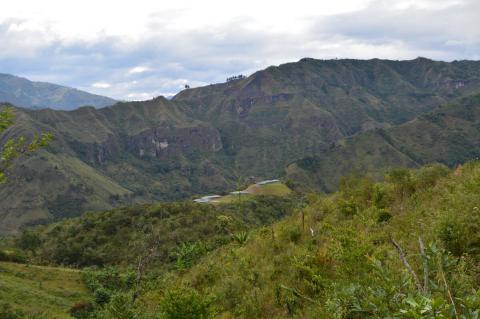
Located amidst the rugged terrain of southwestern Colombia, nestled within the imposing peaks of the Cordillera Central of the Colombian Andes, lies a treasure trove of ancient wonders: the National Archaeological Park of Tierradentro. Designated as a UNESCO World Heritage Site, Tierradentro is a testament to the rich cultural heritage of Colombia, offering a glimpse into the enigmatic world of pre-Columbian civilizations that flourished in the region.

Tijuca National Park: Rio de Janeiro’s Urban Rainforest Oasis

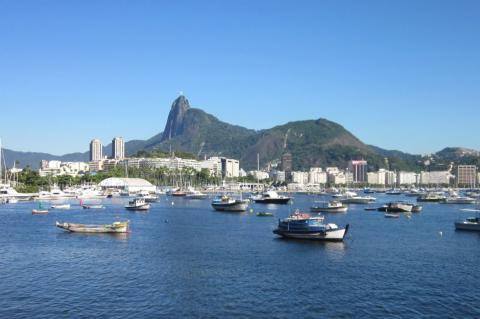
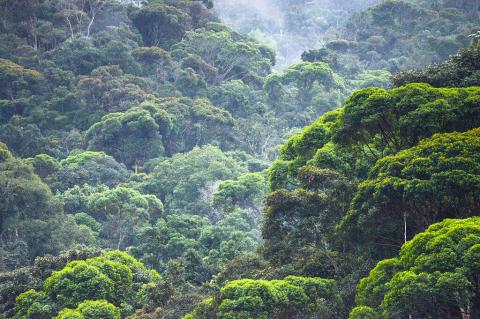
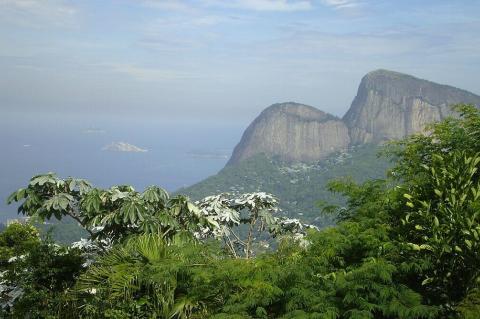
Tijuca National Park, a sprawling urban rainforest in the heart of Rio de Janeiro, Brazil, is a testament to the city's commitment to preserving its natural heritage. The largest urban rainforest in the world, this natural sanctuary offers a verdant escape from the bustling metropolis, providing a haven for biodiversity and a paradise for outdoor enthusiasts. From its lush trails and cascading waterfalls to its historical landmarks and panoramic viewpoints, Tijuca National Park is a treasure trove of natural beauty and cultural significance.

Tiwanaku Ruins: The Heart of an Ancient Andean Civilization

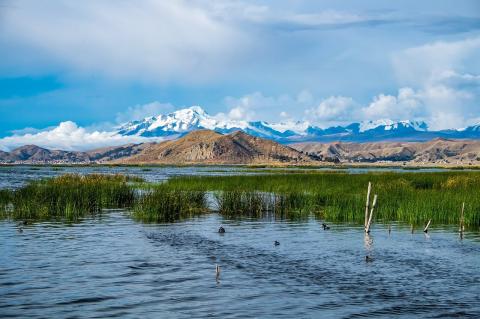
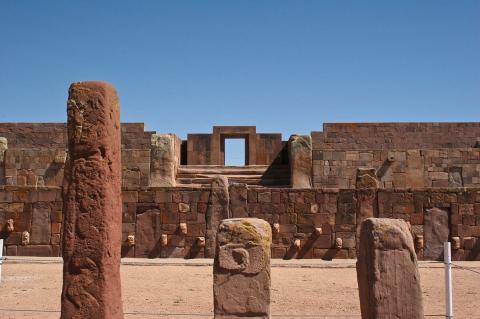
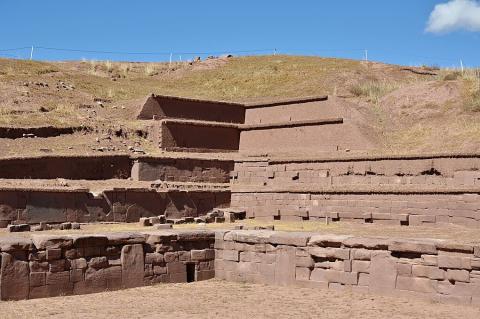
Located on the southern shore of Lake Titicaca in Bolivia, Tiwanaku is an impressive archaeological site that bears witness to one of the most advanced pre-Columbian civilizations in the Andes. Tiwanaku was once the political and cultural capital city of a powerful empire, exerting influence over vast regions of the southern Andes. This UNESCO World Heritage Site offers a rare insight into the technological and artistic achievements of its time, from its monumental stone structures to its sophisticated agricultural systems.

Tiwanaku: The Enigmatic Civilization of the Andean Highlands

The Tiwanaku civilization, one of South America's most influential pre-Columbian cultures, flourished in the Andean highlands between approximately 500 and 1000 CE. Centered around the site of Tiwanaku, near the southern shore of Lake Titicaca in present-day Bolivia, this civilization developed a complex society marked by impressive stone architecture, advanced agricultural techniques, and far-reaching cultural influence.

Tocantins-Araguaia River System: A Comprehensive Overview of Brazil's Central Fluvial Network

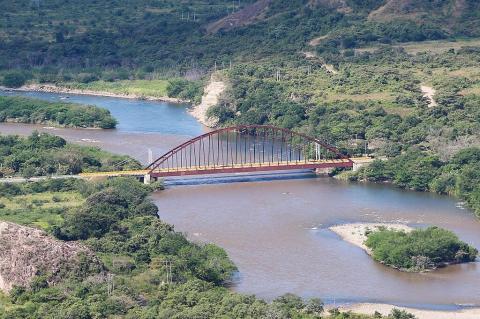
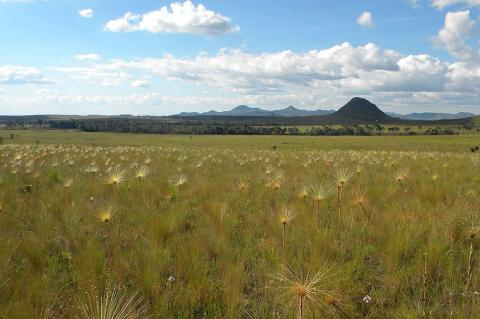
The Tocantins-Araguaia River system in central Brazil is one of the country's most vital and extensive fluvial networks. Though commonly mistaken as a tributary of the Amazon River, this system is distinct and unique, with its complex hydrological dynamics and significant ecological importance. The river flows northward from the Brazilian Highlands, eventually emptying into the Atlantic Ocean through the Pará River, a distributary channel of the Amazon River delta.