South America

The Majesty of Ice: Exploring the Perito Moreno Glacier and Los Glaciares National Park

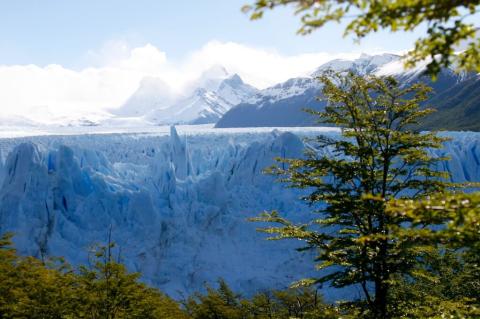
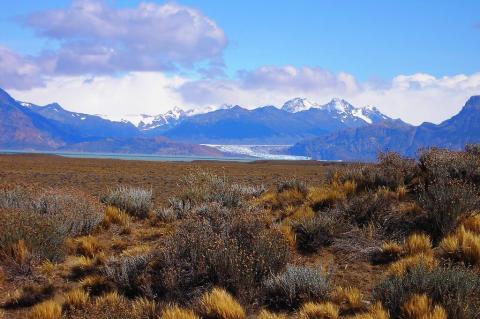
In the remote expanse of Argentine Patagonia, an extraordinary natural spectacle unfolds at the Perito Moreno Glacier, one of the most iconic landmarks of Argentina's Los Glaciares National Park. The glacier, known for its dramatic size, captivating beauty, and regular ruptures, symbolizes the region's glacial power and is a significant tourist destination. Located near the town of El Calafate, this massive ice formation is part of the Southern Patagonian Ice Field, one of the world's largest freshwater reserves.

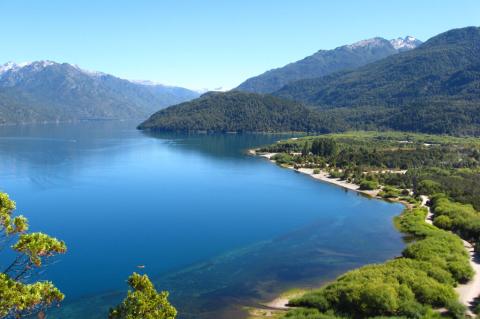
The Mapuche People: Ancient Traditions and Modern Struggles

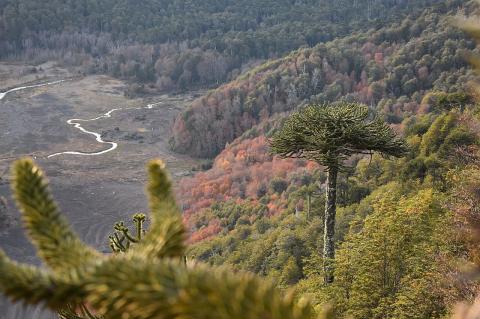
For centuries, the Mapuche people have played a crucial role in the history and cultural landscape of South America, particularly in present-day Chile and Argentina. Known for their resilience and fierce resistance against colonial powers, the Mapuche have preserved their identity, traditions, and language despite centuries of external pressures. Today, they continue to shape the sociopolitical fabric of both nations, advocating for land rights, cultural recognition, and self-determination.

The Marañón Dry Forests: A Haven of Biodiversity in Northwestern Peru

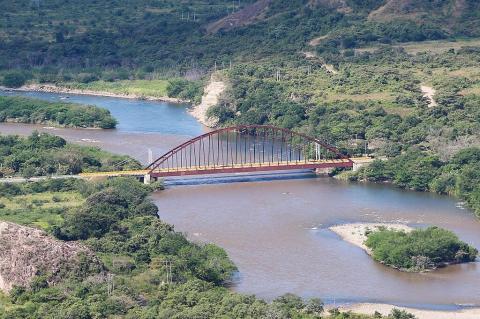
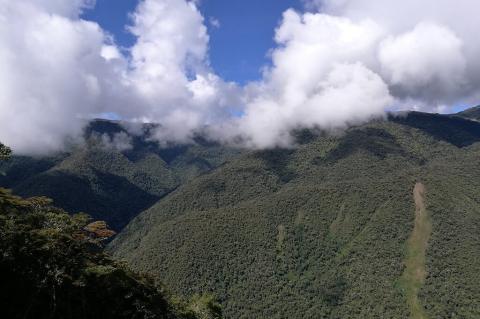
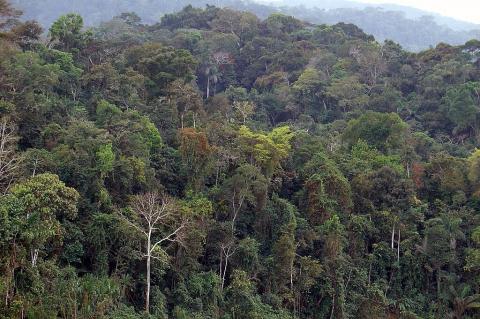
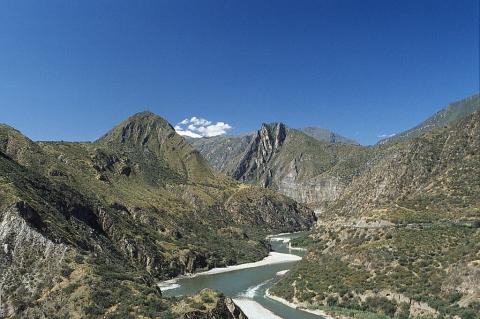
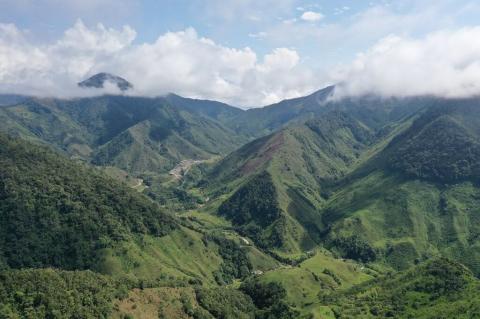
The Marañón dry forests, situated in the upper Marañón River valley and its tributaries in northwestern Peru, represent a biologically rich and distinct ecoregion. This region, spanning the central and northern Andes, features a unique climate and diverse habitats, supporting many endemic species. The Marañón dry forests' ecological significance and challenges underscore the importance of conservation efforts in this remarkable region.

The Marañón River: The Lifeblood of the Amazon's Upper Basin

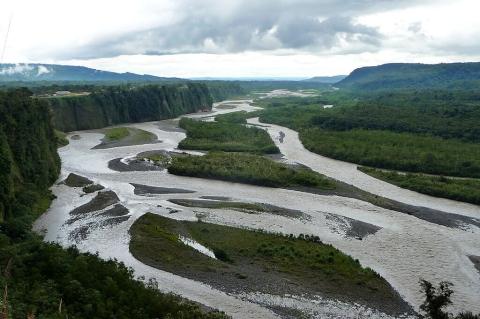
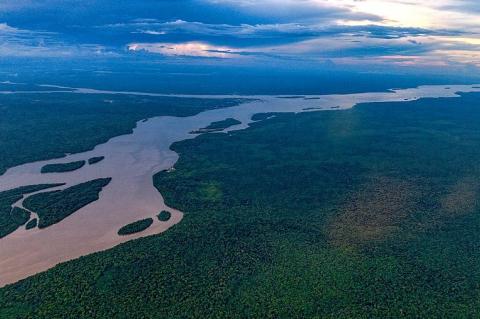
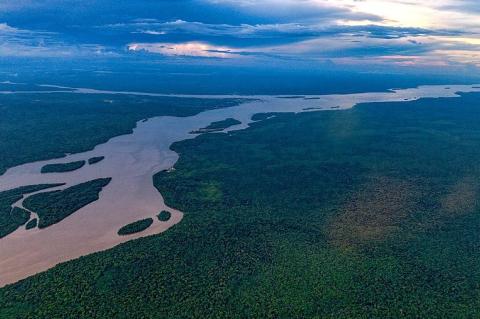
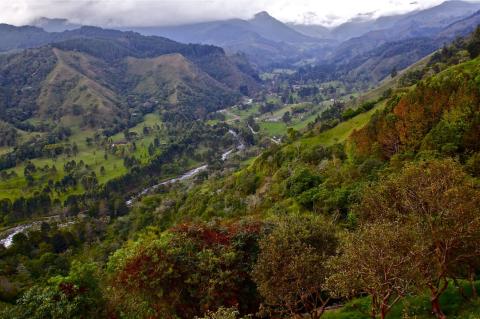
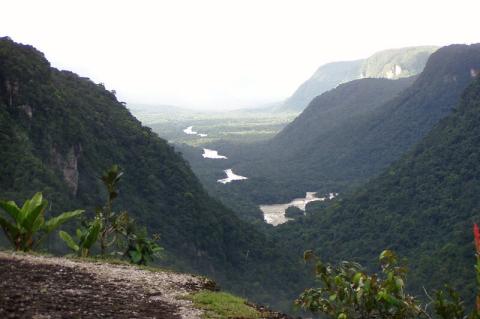
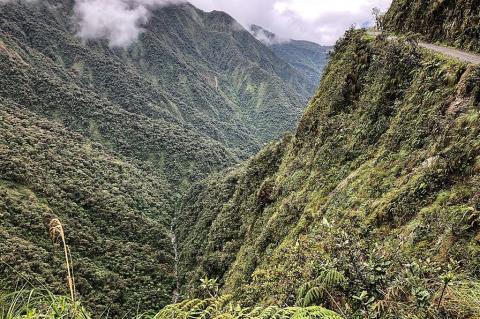
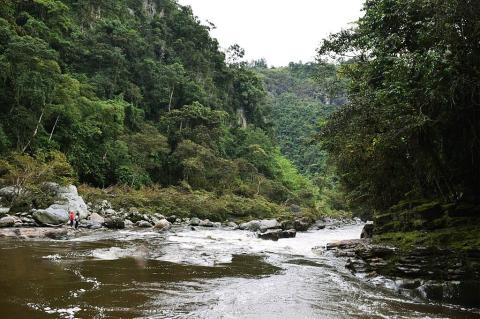
Known as the "Grand Canyon of the Amazon," the Marañón River in Peru is one of South America's most significant waterways. As a principal tributary of the Amazon River, the Marañón shapes the region's geography and serves as a cradle of biodiversity and cultural heritage. It traverses diverse landscapes, from Andean highlands to tropical rainforests, playing a vital role in the ecological and economic life of the region.

The Mata Atlântica Biosphere Reserve: Brazil's Crown Jewel of Atlantic Forest Conservation

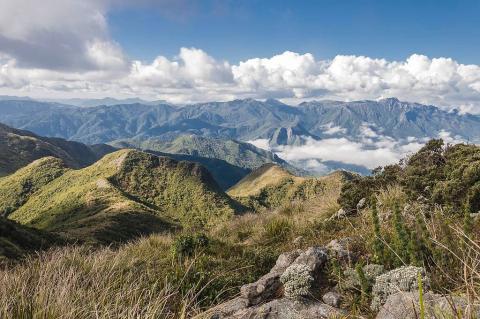
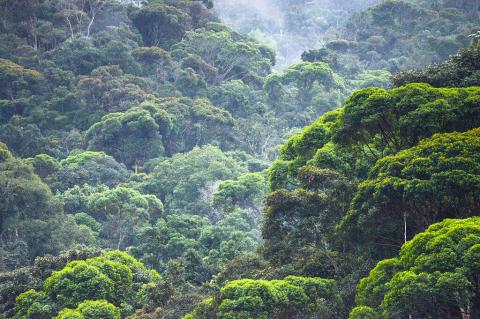
Brazil's Mata Atlântica Biosphere Reserve is one of the world's most ambitious conservation projects, safeguarding the remaining critically endangered Atlantic Forest. As Brazil's first biosphere reserve, this vast network covers 14 states and extends along Brazil's Atlantic coast from Ceará in the northeast to Rio Grande do Sul in the south. What makes this reserve remarkable is its innovative approach to conservation in one of the world's most densely populated areas, where over 120 million Brazilians live alongside some of the planet's most endangered ecosystems.

The Mediterranean Heartbeat: Exploring Chile's Zona Central

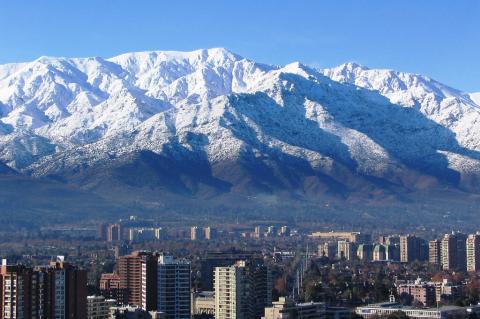
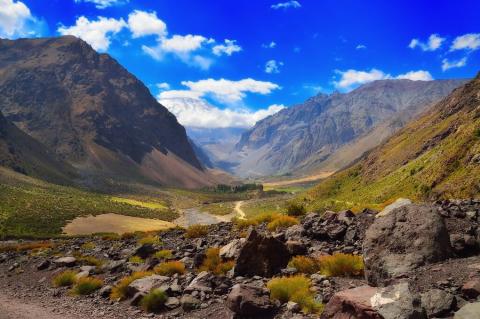
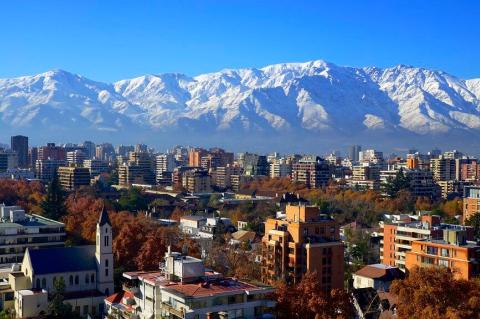
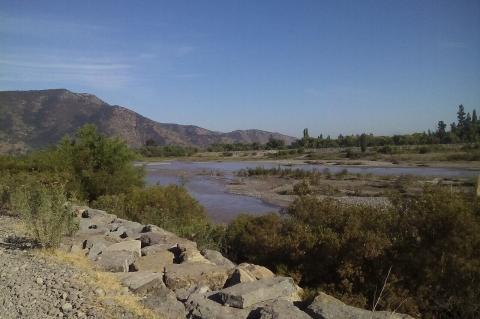
Chile's Zona Central represents the vibrant and most densely populated core of the country. This zone embodies the nation's demographic, economic, and cultural center, characterized by a classic Mediterranean climate. It is a landscape where fertile valleys, bordered by prominent coastal ranges and the towering peaks of the Andes, have fostered intensive agriculture, significant urban development, and a rich biodiversity, all shaped by distinct seasonal rainfall patterns and the enduring presence of both mountains and sea.

The Mid-Atlantic Ridge: Earth's Dynamic Divide

The Mid-Atlantic Ridge (MAR) is one of Earth's most extraordinary natural features. It is a colossal underwater mountain range that winds through the Atlantic Ocean like a vast seam. Extending from the Arctic Ocean in the north to the Southern Ocean in the south, it is the most extended mountain range on the planet and a critical element of Earth's geological dynamics. The ridge plays a vital role in the circulation of ocean currents and the evolution of unique ecosystems.

The Mindo Valley: Exploring Ecuador's Natural Paradise

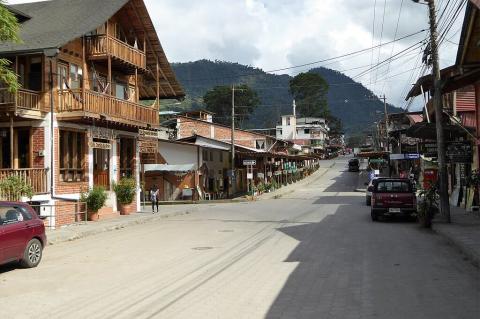
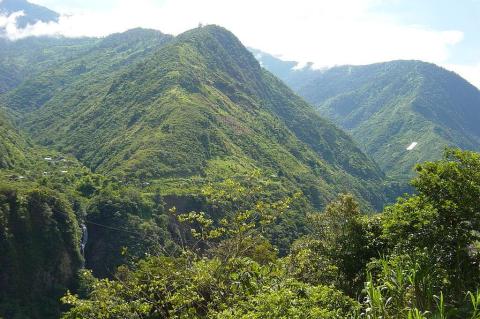
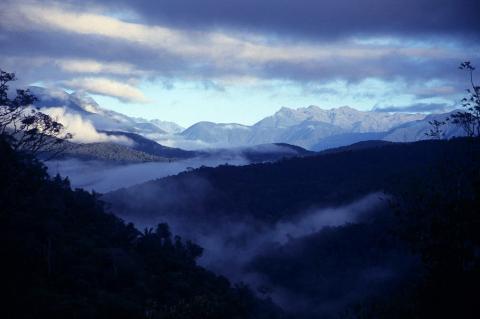
Tucked away amidst the emerald embrace of the northern Ecuadorian Andes, the Mindo Valley beckons with its enchanting allure—a realm where verdant cloud forests, meandering rivers, and kaleidoscopic biodiversity converge to create a paradise for nature enthusiasts. Within this mosaic of ecosystems lies a treasure trove of natural wonders waiting to be explored, making Mindo a haven for adventurers and seekers of ecological splendor.

The Modernist Legacy of the University City of Caracas

The University City of Caracas is the main campus of the Central University of Venezuela, located in the heart of Caracas, the nation's capital. Designed by the renowned Venezuelan architect Carlos Raúl Villanueva, the campus is celebrated as one of Latin America's most outstanding examples of modernist architecture and urban planning. Recognized as a UNESCO site, it is considered Villanueva's crowning achievement, fusing architecture, art, and landscape into a coherent urban masterpiece.

The Mojanda Lakes Complex: A Testament to Ecuador's Volcanic Legacy

High in northern Ecuador's Andean highlands, where páramo grasslands meet mountain air, lies the Mojanda Lakes complex. These three turquoise lakes sit within an ancient volcanic caldera, telling a story of geological evolution that spans hundreds of thousands of years. The complex is a unique example of simultaneous volcanic activity, with two stratovolcanoes—Mojanda and Fuya Fuya—forming at the same time, yet exhibiting very different eruptive behaviors and magmatic compositions.