South America

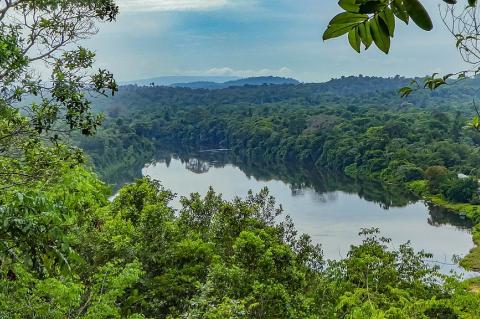
The Guiana Shield: A Billion-Year Legacy of Stone and Life

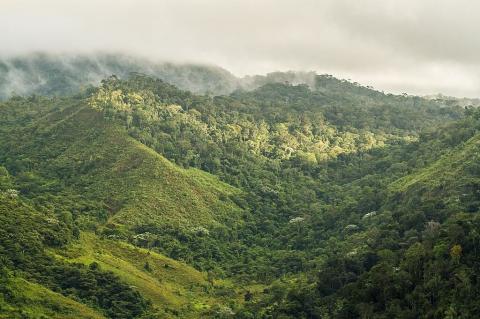
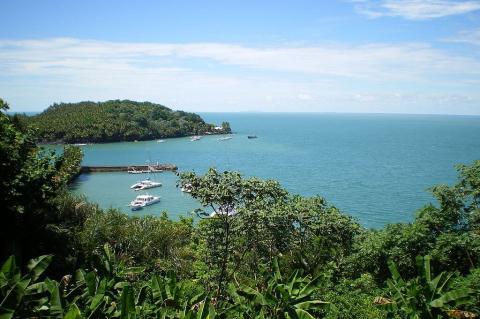
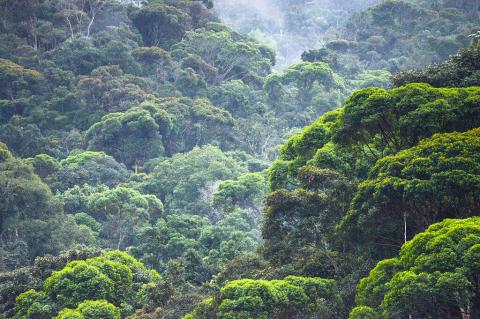
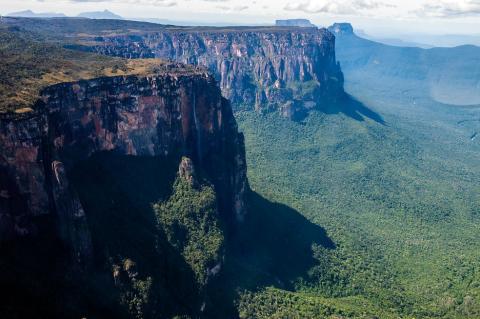
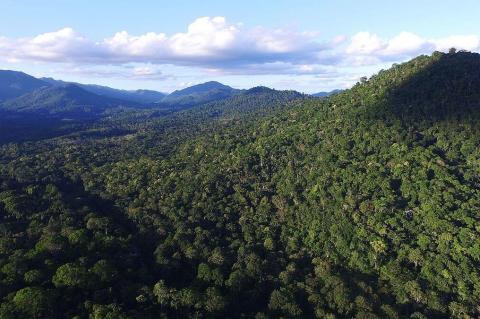
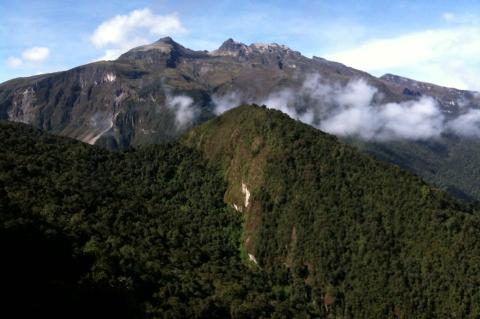
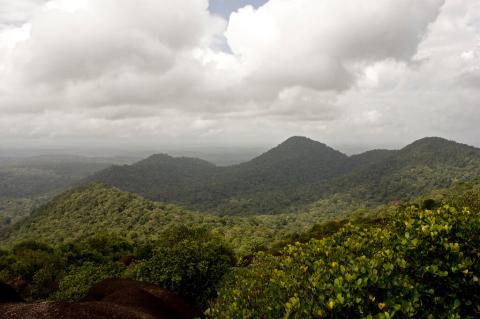
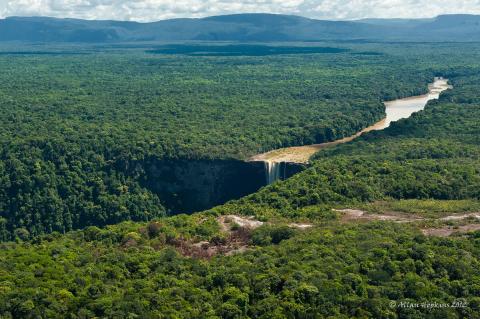
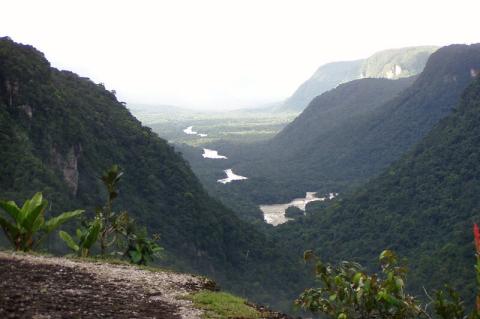
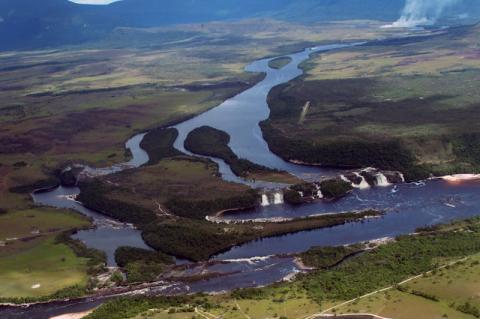
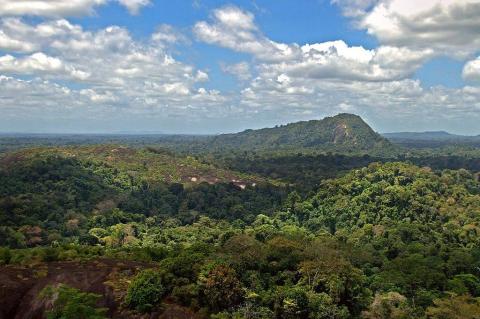
Draped across the northeastern corner of South America, the Guiana Shield stands as a profound testament to the Earth's deep history, a geological and ecological symphony played out over eons. Forged in the fiery depths of the Precambrian eon, dating back an astonishing 1.7 billion years, this ancient geological formation forms a stable craton, a foundational block of the South American Plate, shaping the very bedrock and landscapes of Guyana, Suriname, French Guiana, Venezuela, Colombia, and Brazil.
The Heart of Buenos Aires: Exploring Plaza de Mayo

Plaza de Mayo is not merely a public square but the symbolic heart of Buenos Aires and the epicenter of Argentina's political and cultural history. For over two centuries, the plaza has served as a stage for some of the country's most significant events, from the struggle for independence to modern-day protests and celebrations. Its surrounding landmarks, historical significance, and cultural impact make it one of Argentina's most iconic and enduring spaces.
The Heart of the Amazon: Life in the Purus Várzea

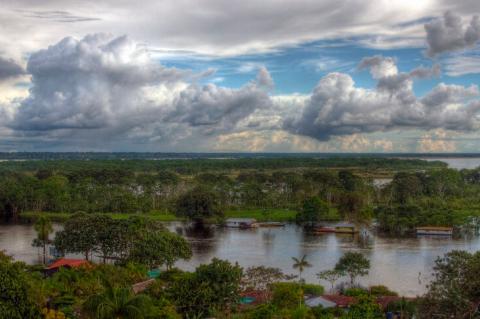
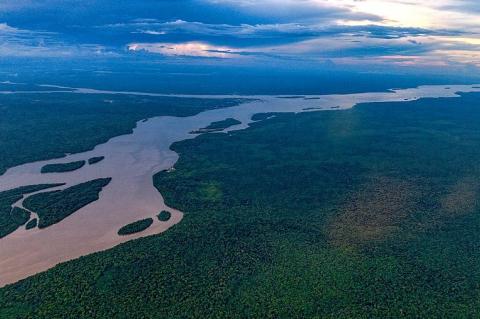
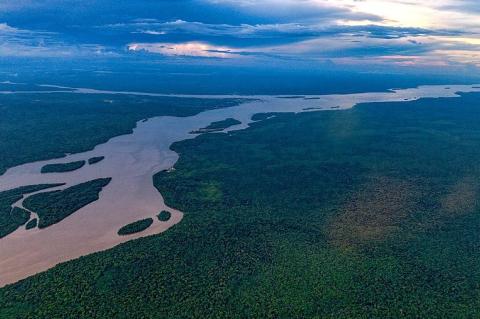
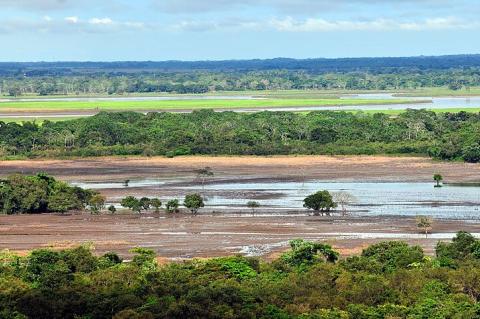
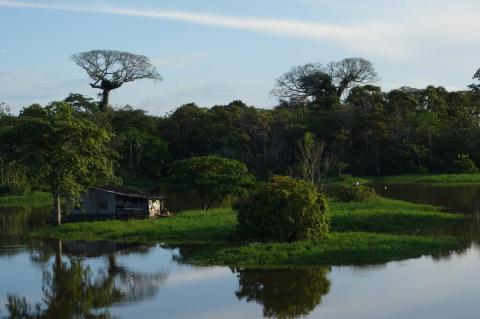
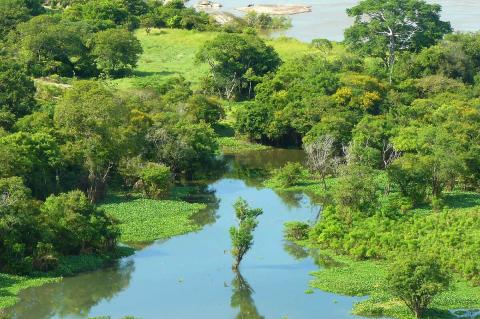
The Purus Várzea is one of the Amazon Basin's most extensive and ecologically rich várzea ecosystems. This ecoregion spans parts of Brazil's central Amazon, extending across the floodplains of the Purus River and its tributaries. Located primarily within the Brazilian states of Amazonas and Acre, the Purus Várzea is nestled between the Madeira River to the east and the Juruá River to the west, making it an integral part of the central Amazon's vast aquatic landscape.

The Hidden Wonders of Corcovado National Park

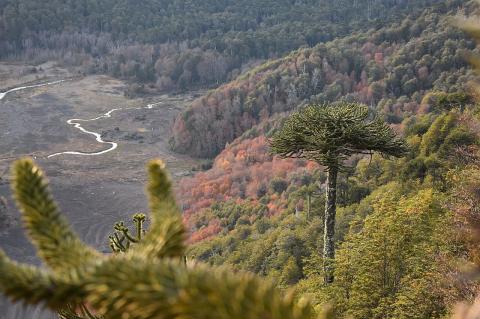
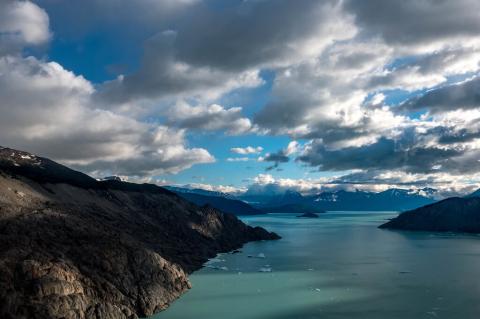
Corcovado National Park, located in the Los Lagos Region of southern Chile, stands as a testament to the country's dedication to preserving its natural heritage. It is Chile's fourth-largest national park and one of the world's most remote and untouched landscapes. The park owes much of its existence to the generous land donation by Tompkins Conservation. The park's isolation, challenging terrain, and lack of public access make it a pristine sanctuary for diverse flora and fauna.

The Humboldt Current: A Lifeline in the Eastern South Pacific

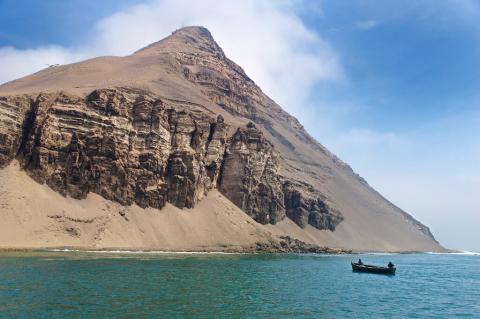
The Humboldt Current, also known as the Peru Current, stands as one of Earth's most significant oceanic systems and a cornerstone of marine productivity in the eastern South Pacific. This remarkable cold-water current creates a distinct marine environment characterized by nutrient-rich waters and extraordinary biodiversity that supports some of the world's most productive fishing grounds. This oceanic giant flows northward from Antarctic waters along South America's west coast. Its influence extends beyond marine life, shaping regional climate, supporting millions of seabirds, and sustaining global fishing industries.

The Humboldt Penguin National Reserve: A Marine Wildlife Sanctuary in Northern Chile

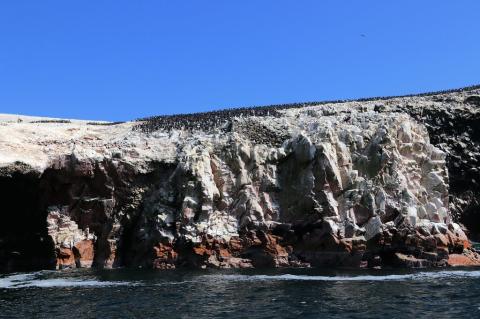
Nestled along Chile's northern Pacific coast, the Humboldt Penguin National Reserve is one of South America's most remarkable marine wildlife sanctuaries. Located north of Santiago and northeast of La Serena, this protected area includes three pristine islands that rise from the nutrient-rich waters of the Humboldt Current: Isla Damas, Isla Choros, and Isla Chañaral de Aceituno. These islands are vital habitats for many marine species, especially the vulnerable Humboldt penguin.

The Humid Chaco: A Realm of Green and Water, Where Life Flourishes in Abundance

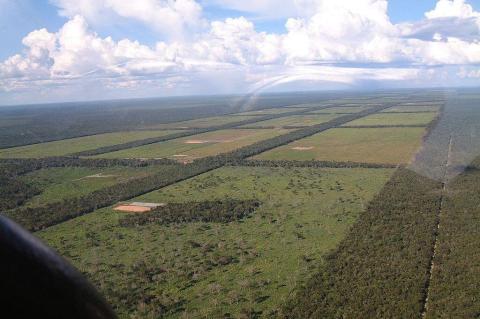
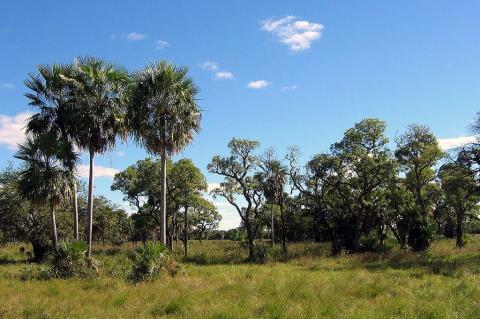
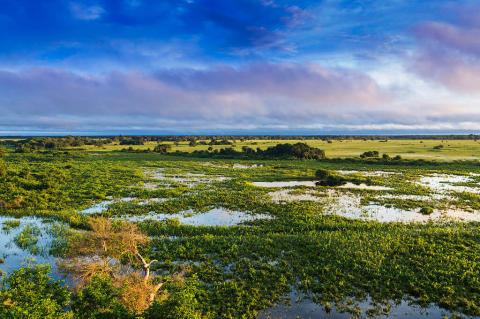
The Humid Chaco ecoregion, the eastern counterpart to the drier expanses of the Gran Chaco, stretches across eastern Paraguay, northeastern Argentina, and a small portion of southeastern Brazil. In contrast to the aridity that defines its western neighbor, the Humid Chaco is characterized by higher rainfall, more fertile soils in certain areas, and a greater abundance of surface water. This results in a landscape teeming with diverse forests, expansive savannas that experience seasonal flooding, and intricate riparian ecosystems.

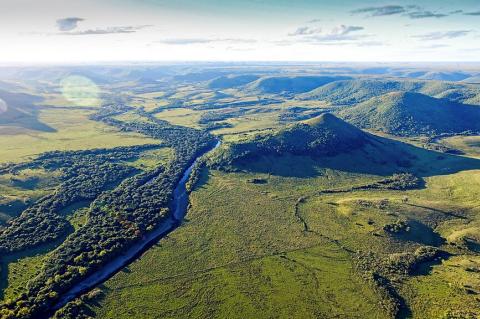
The Iberá Wetlands: Argentina's Natural Wonderland

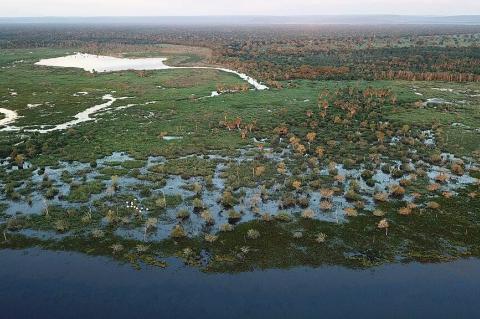
Nestled in the province of Corrientes in northwestern Argentina lies the breathtaking ecosystem known as the Iberá Wetlands, or Esteros del Iberá. This expansive wetland marvel unfolds as a mosaic of marshes, swamps, bogs, lakes, and lagoons, creating one of the most significant freshwater reservoirs on the South American continent. Seamlessly integrated into the Humid Chaco ecoregion, the wetlands serve as a vast ecological haven. Beyond its sheer size, this intricate network of water bodies plays a pivotal role in sustaining the region's water supply and acting as a crucial force in flood control.

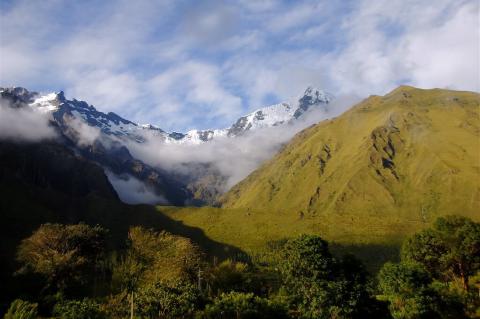
The Icy Giants of the Colombian Andes: Exploring the Sierra Nevada de Güicán, El Cocuy, and Chita

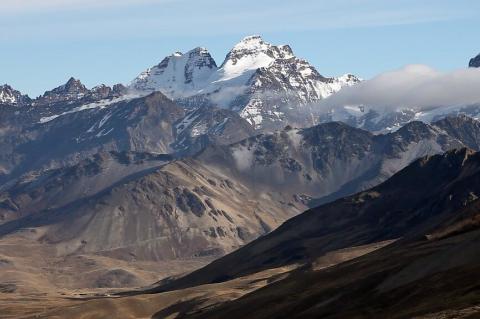
The Sierra Nevada de Güicán, El Cocuy, and Chita is a breathtaking range within the Andes Mountains of Colombia. This range, known for its stunning snow-capped peaks and glacial landscapes, is Colombia's largest glacial mass and the largest in South America north of the equator. This range holds deep cultural significance for the indigenous U'wa people and is a haven for biodiversity. Its awe-inspiring beauty and ecological and cultural importance make it one of Colombia's most treasured natural landmarks.

The Iguazú River: A Natural Wonder of South America

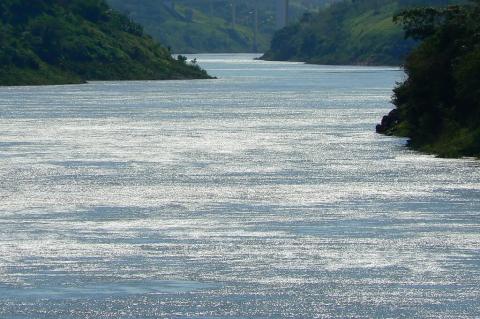
The Iguazú River, one of South America's most remarkable waterways, is a vital natural feature that traverses the landscapes of Brazil and Argentina. Renowned for its breathtaking Iguazú Falls, the river is a critical component of the region's hydrological system, supporting diverse ecosystems and serving as an essential resource for local communities. Originating in the Serra do Mar coastal range, the river winds through lush forests and rugged terrain before culminating in a dramatic series of cascades.