South America

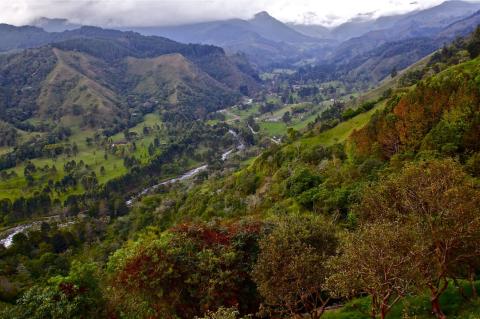
The Cordillera Central Páramo: A High-Altitude Oasis of Andean Biodiversity

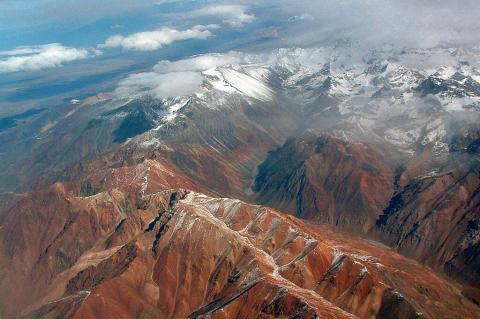
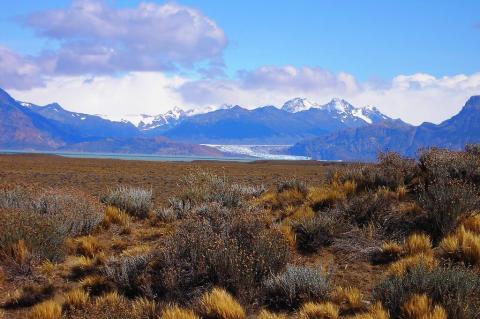
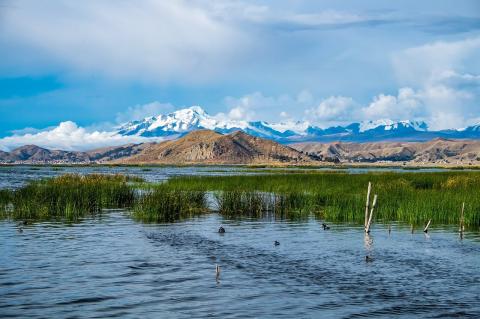
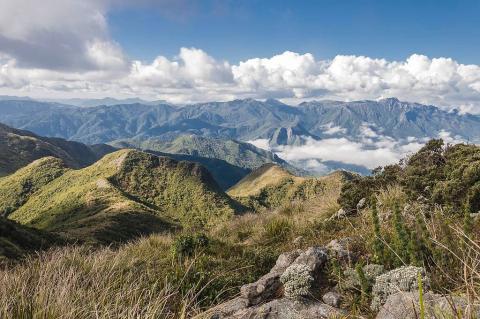
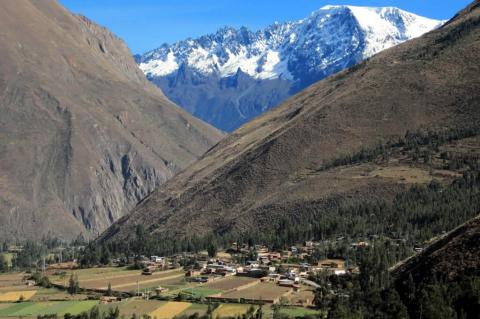
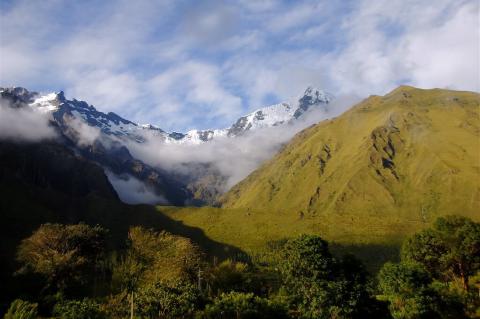
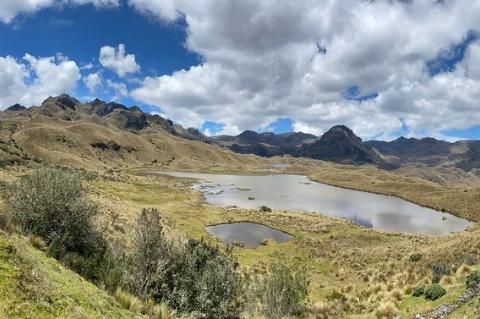
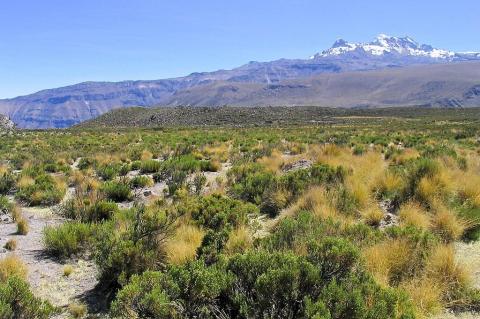
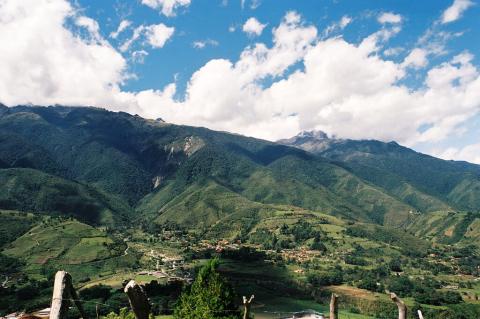
Nestled within the heart of the Andes, straddling the borders of Bolivia and Peru, lies the Cordillera Central páramo ecoregion, a high-altitude expanse that captivates with its rugged beauty and ecological significance. This unique ecosystem, situated between the treeline and the permanent snowline, stands as a living testament to the resilience of nature in the face of extreme conditions.

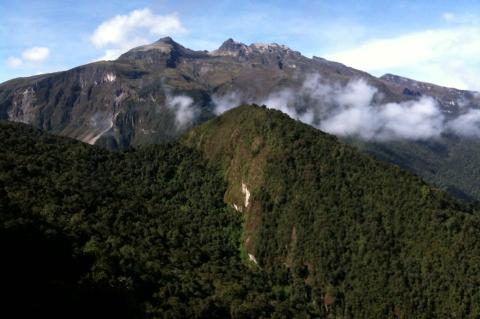
The Cordillera del Cóndor: An Ecological and Cultural Gem at the Heart of the Andes

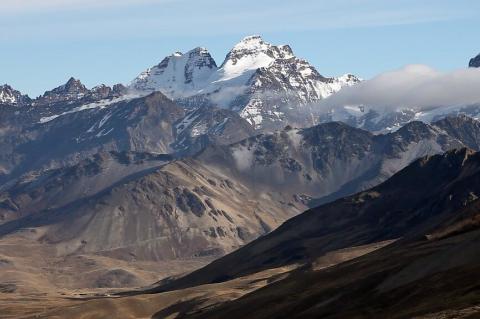
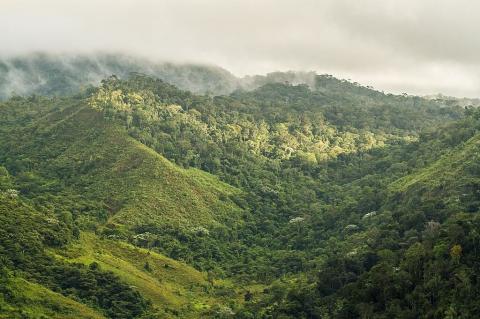
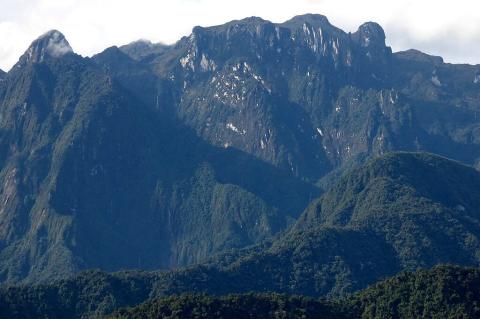
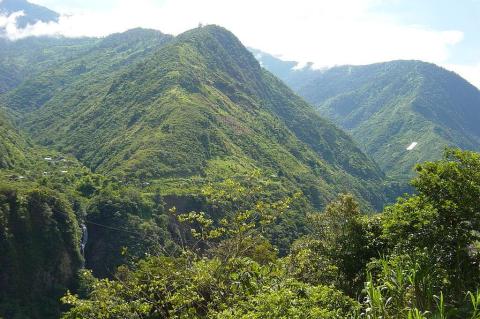
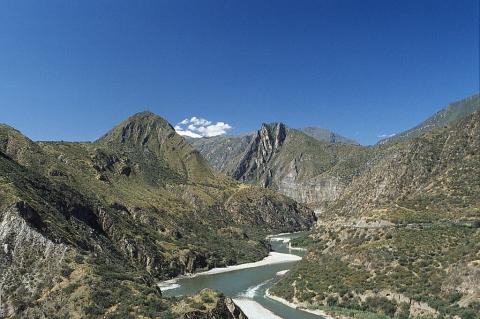
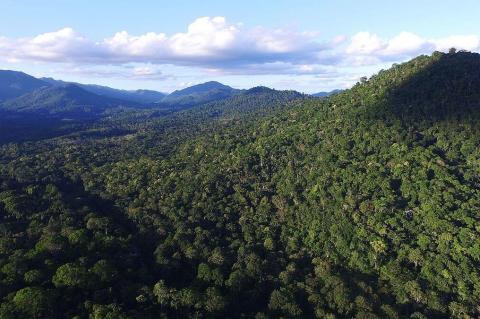
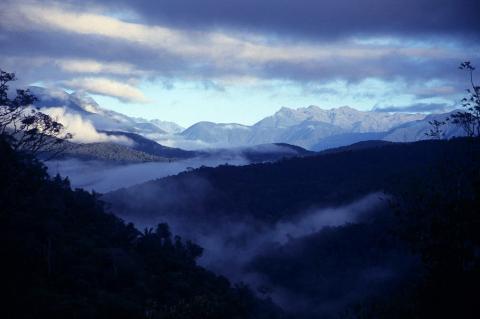
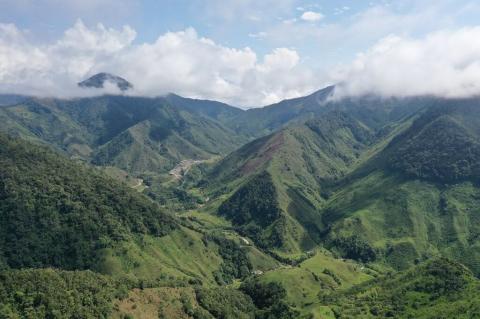
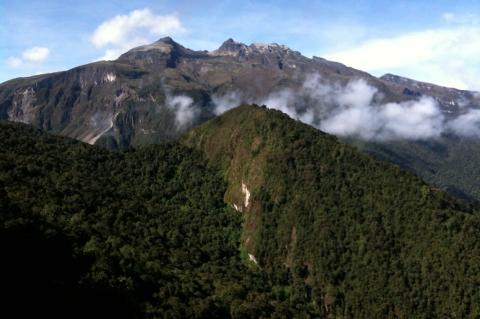
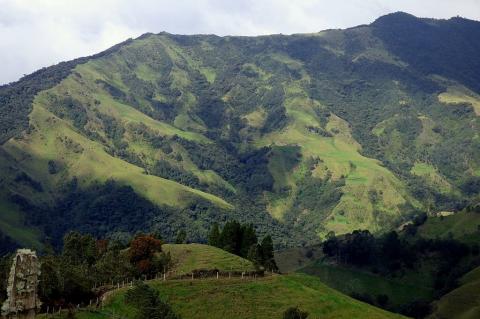
The Cordillera del Cóndor, located on the border between Ecuador and Peru, is a testament to the remarkable diversity of life on our planet. This mountain range, with its rugged peaks and verdant valleys, has captured the attention of scientists and conservationists. It is the ancestral home of the Shuar people and is surrounded by protected areas, offering a journey into one of the world's most biodiverse regions.

The Corredor Biológico Nevados de Chillán - Laguna del Laja: A Sanctuary of Biodiversity at the Gateway to Patagonia

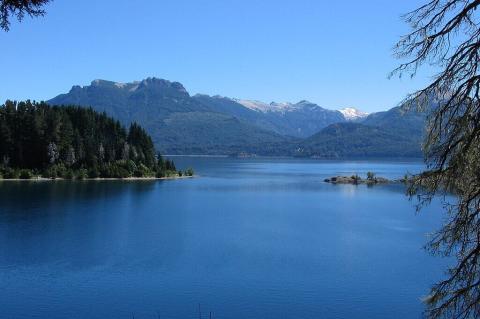
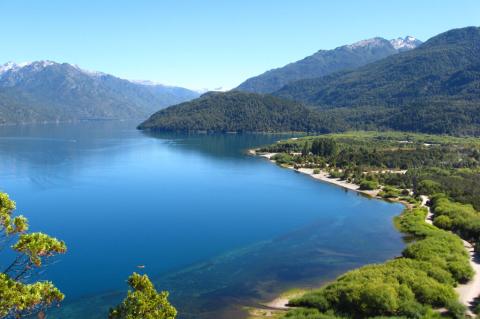
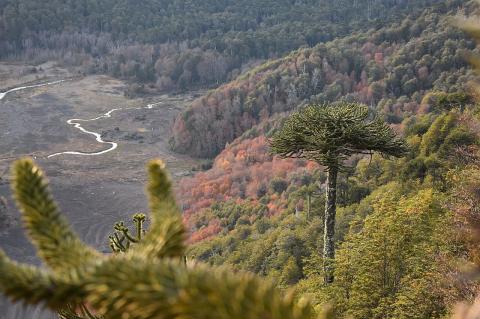
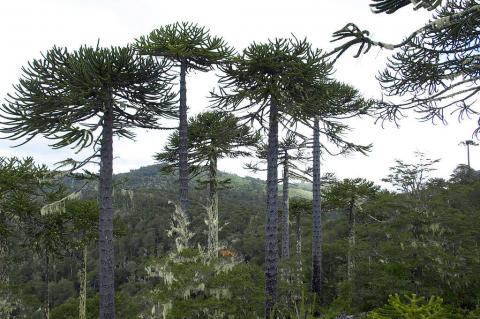
In the heart of Chile's south-central Andes, where the temperate forests begin their transition toward the wilds of Patagonia, lies one of South America's most significant conservation achievements: the Corredor Biológico Nevados de Chillán - Laguna del Laja. This UNESCO Biosphere Reserve represents a triumph of ecological connectivity by linking diverse ecosystems across a landscape of extraordinary biological and geological importance. This expansive biological corridor serves as a critical refuge for endangered species and demonstrates innovative approaches to landscape-scale conservation.

The Crystalline Expanse: Salinas Grandes and Argentina's High-Altitude Salt Desert

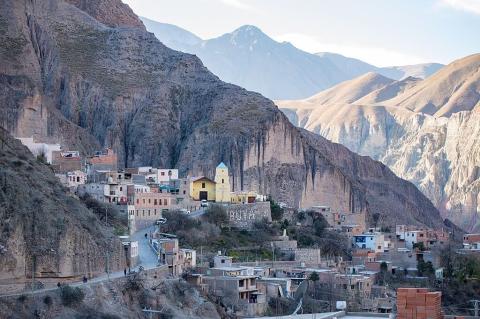
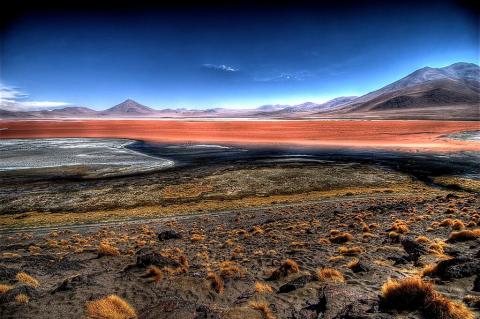
Stretching across the rugged landscape of northwestern Argentina like a frozen sea of white crystals, Salinas Grandes stands as one of South America's most spectacular natural phenomena. These vast salt flats represent the third-largest salt desert in South America and one of the most accessible high-altitude salars on the continent. The gleaming white expanse offers visitors an otherworldly experience that combines geological wonder with cultural significance, creating a destination that captivates scientists, photographers, and travelers.
The Delta del Orinoco: A Biological Treasure Trove

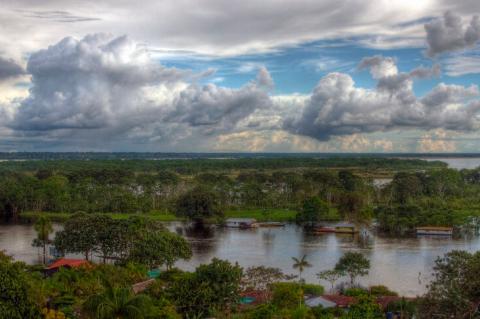
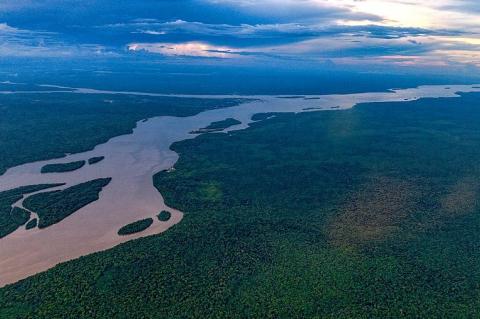
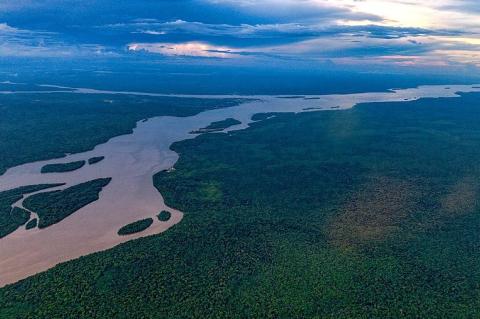
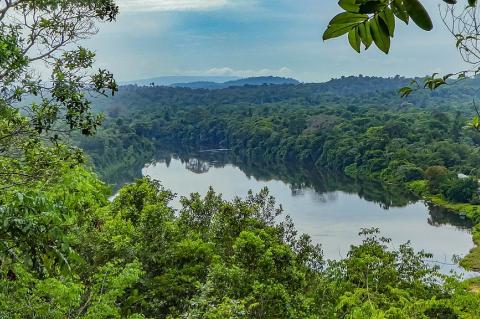
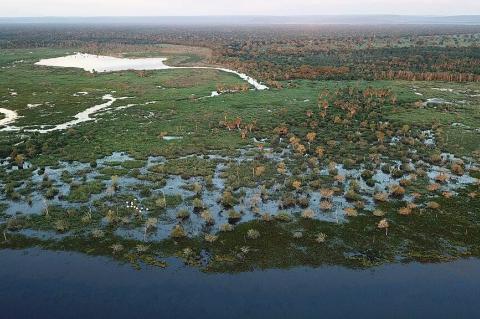
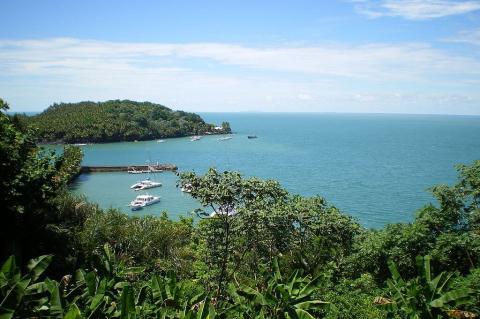
Nestled in the northeastern corner of Venezuela, the Delta del Orinoco Biosphere Reserve and its associated national parks form a vast and diverse ecosystem of immense ecological and cultural significance. Designated as a biosphere reserve by UNESCO in 2009, this region represents a unique confluence of terrestrial, aquatic, and marine environments, harboring an extraordinary array of flora and fauna.

The Dry Chaco: A Realm of Resilience, Where Life Thrives Against the Odds

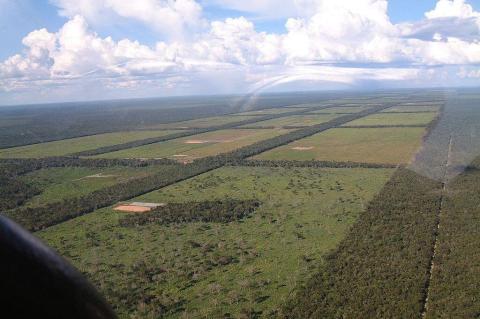
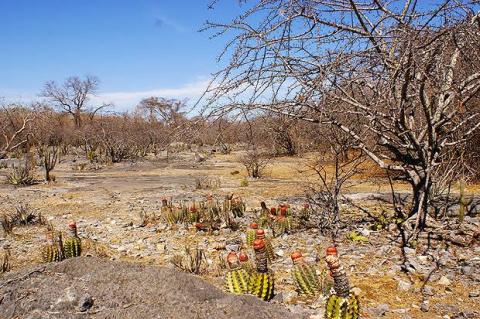
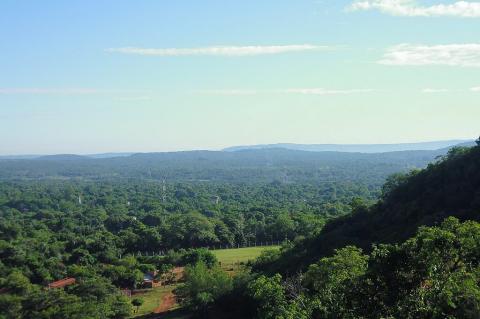
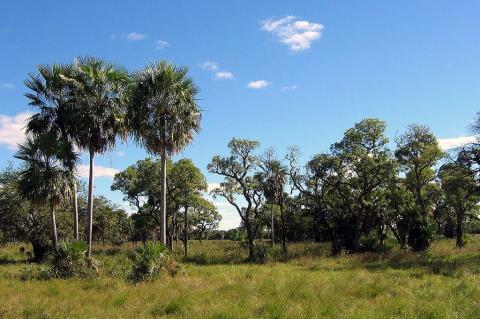
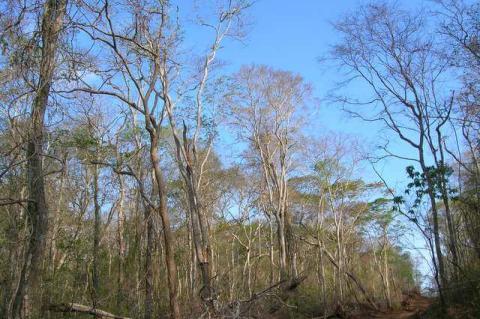
The Dry Chaco ecoregion, the arid part of the Gran Chaco, spans western Paraguay, northern Argentina, southeastern Bolivia, and a small area of Brazil. This lowland, mainly in the rain shadow of the Central Andes, features a landscape shaped by limited rainfall, intense solar radiation, and extreme seasonal temperatures. Rather than a barren wasteland, the Dry Chaco showcases a unique biodiversity of plants and animals that have evolved remarkable adaptations to thrive in this challenging environment.
The Eastern Tropical Pacific Marine Corridor: Safeguarding the Seas

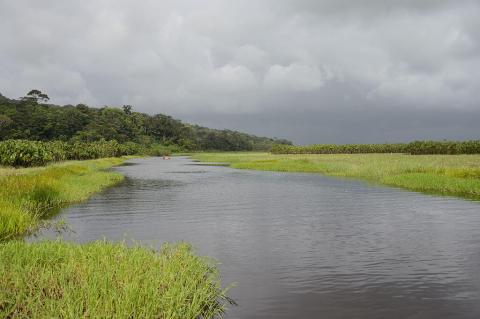
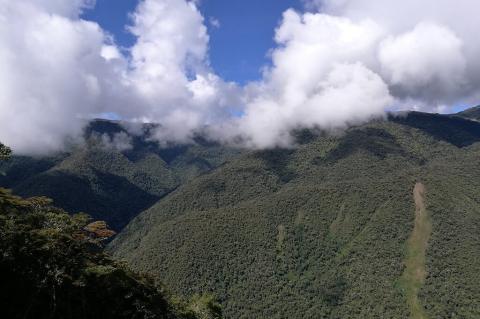
The Eastern Tropical Pacific Marine Corridor is a vital marine conservation initiative encompassing several key marine protected areas across the eastern Pacific Ocean. Spanning the waters of Costa Rica, Panama, Colombia, and Ecuador, this corridor aims to preserve one of the planet's richest and most diverse marine ecosystems. The corridor serves as a blueprint for international cooperation in marine conservation.

The Ecuadorian Dry Forests: A Unique Ecosystem on the Brink

Nestled along Ecuador's western coast, the Ecuadorian Dry Forests ecoregion is a unique and remarkable ecosystem characterized by a delicate balance between lush vegetation and arid landscapes. This captivating region harbors a rich tapestry of biodiversity that has adapted to thrive in harsh, semi-arid conditions. From its diverse flora and fauna to its historical and cultural significance, the Ecuadorian Dry Forests offer a compelling glimpse into the resilience and fragility of nature's wonders.
The Emerald Embrace: Exploring Colombia's Pacific/Chocó Natural Region

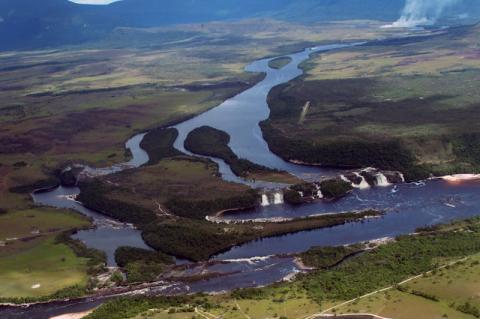
Colombia's Pacific/Chocó Natural Region is a vital biodiversity sanctuary along the western coastline. Known as the "Colombian Chocó," it features a warm, humid climate, dense rainforests, river systems, swamps, and mangroves along the Pacific Ocean. Bordered by the Cordillera Occidental to the east and stretching from the Darién Gap and Panama in the north to Ecuador in the south, the Chocó showcases remarkable ecological diversity, influenced by unique evolutionary and environmental factors.
The Enchanting Elqui Valley and Historic Pisco Elqui

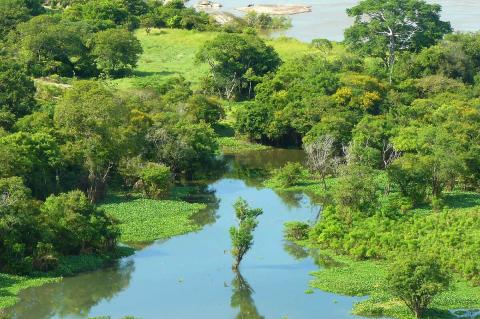
The Elqui Valley, nestled in northern Chile, is a picturesque region that captures the essence of natural beauty and agricultural richness. Spanning the basin of the Elqui River, which originates in the western Andes Mountains and flows into the Pacific Ocean near La Serena, this valley is renowned for its stunning landscapes, bright sunshine, pure air, and clear skies. The Elqui Valley is recognized as northern Chile's most commercially viable wine-producing region.