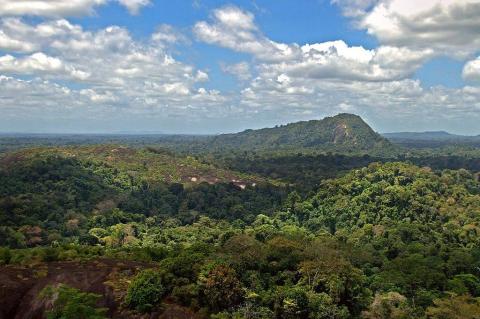
South America

The Amapá Biodiversity Corridor: Safeguarding the Amazon's Ecological Treasures

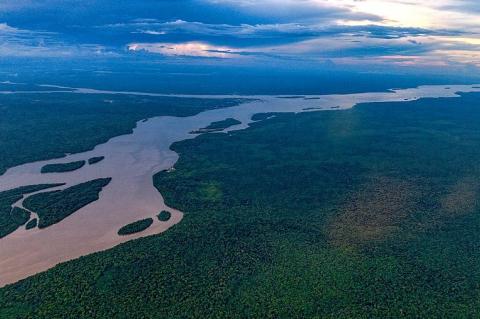
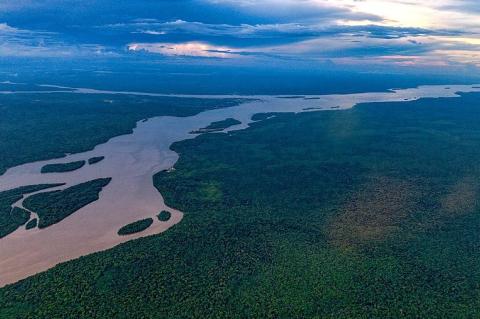
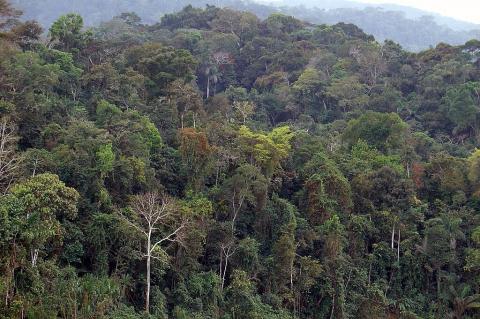
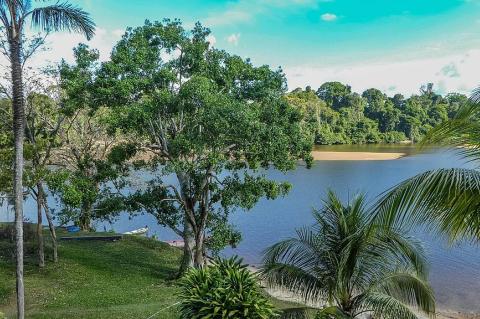
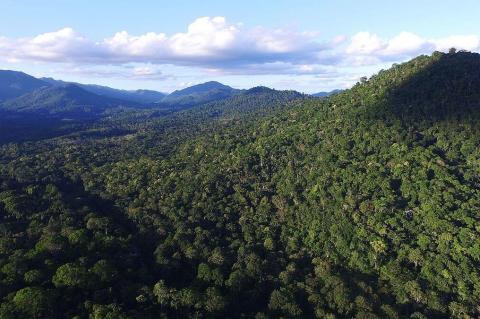
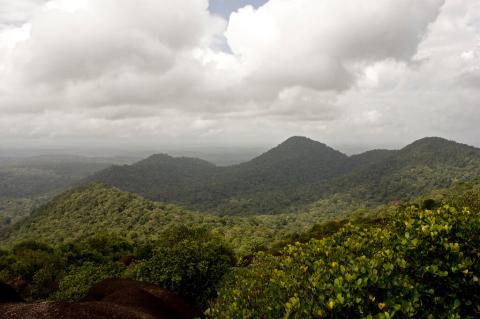
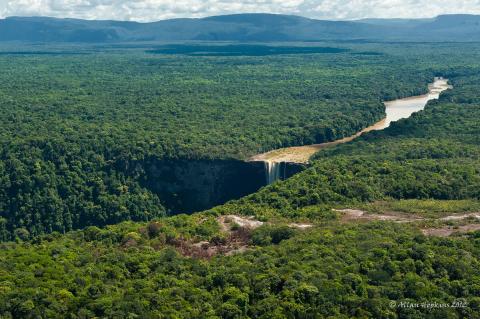
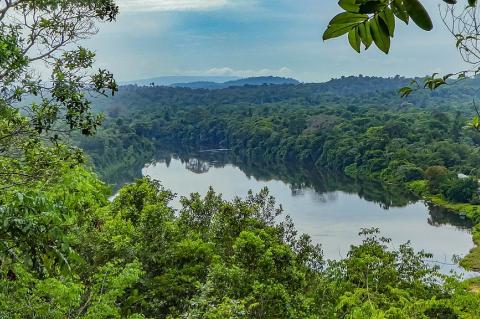
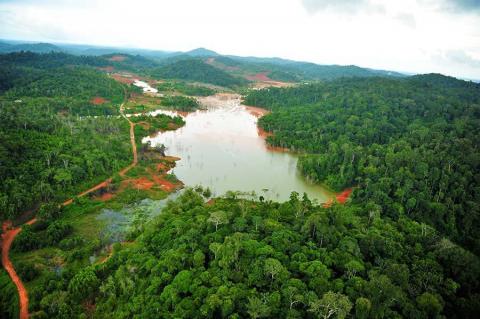
Nestled in northern Brazil, the Amapá Biodiversity Corridor is a testament to the country's commitment to protecting its invaluable natural heritage. This expansive ecological corridor, spanning over 10 million hectares and encompassing 72% of the state of Amapá, is a true conservation success story. It integrates a network of protected areas and indigenous lands to safeguard the region's exceptional biodiversity.

The American Cordillera and the Continental Divide: A Geographical Backbone Shaping the Americas

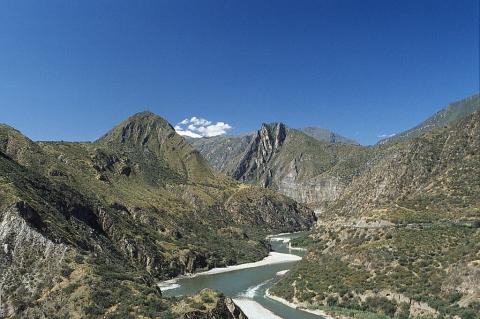
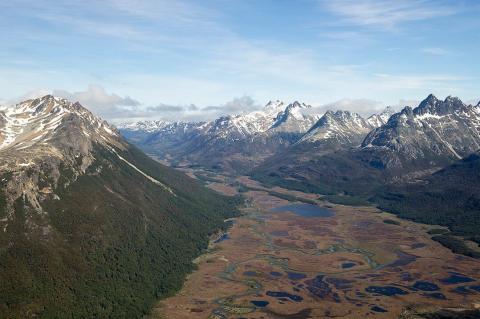
The Continental Divide of the Americas is a remarkable geographical feature serving as the primary hydrological divide across the American continent. Stretching from the northernmost reaches of North America at the Bering Strait to the southernmost tip of South America at the Strait of Magellan, this divide delineates the watersheds that drain into the Pacific Ocean from those that flow into the Atlantic Ocean, including the Gulf of Mexico and the Caribbean Sea.

The Andean Volcanic Belt and the Pacific Ring of Fire: Unveiling Earth's Geological Marvels

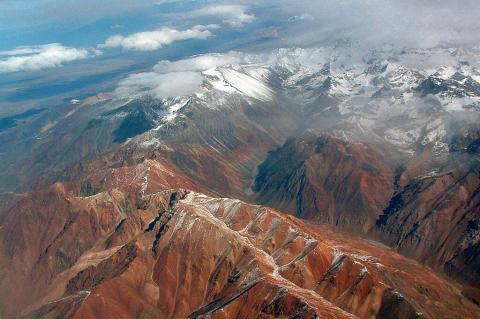
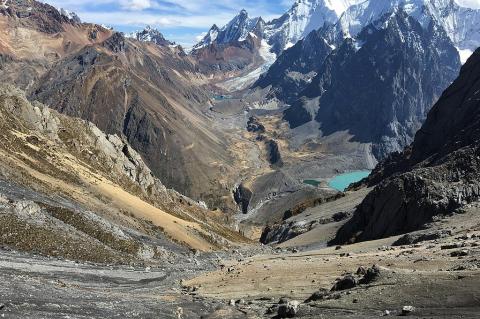
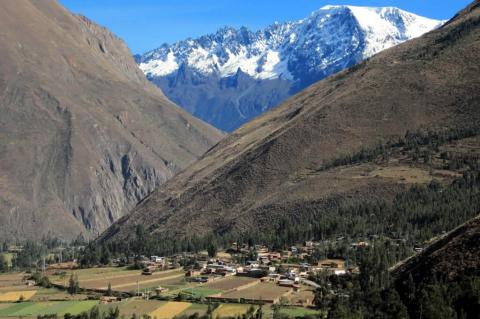
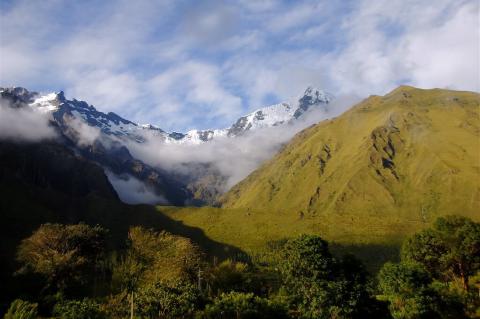
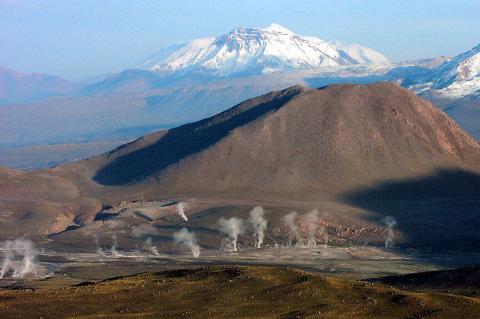
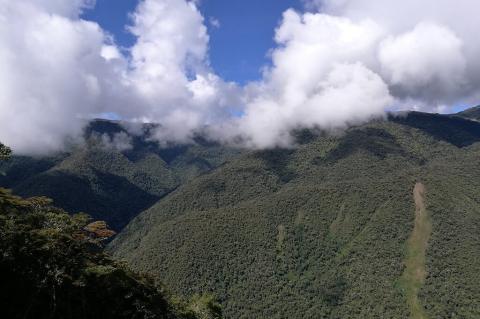
The Andean Volcanic Belt, along South America's western coast, forms as the Nazca and Antarctic plates subduct beneath the South American Plate. This process generates various volcanic zones, illustrating the intricate interplay of Earth's crustal plates. The belt showcases diverse geological phenomena, from the hazards in the Northern Volcanic Zone to the silicic systems in the Central Volcanic Zone and the glaciated stratovolcanoes in the Austral Volcanic Zone.
The Antarctic Plate: Guardian of the Southern Ocean

The Antarctic Plate, covering approximately 60.9 million square kilometers (23.5 million square miles), forms the tectonic foundation beneath Antarctica and the surrounding Southern Ocean. This massive continental plate exhibits unique geological processes operating under extreme polar conditions, ranging from subglacial volcanism to interactions between ice sheets and tectonics, while playing a crucial role in global ocean circulation and climate systems.
The Argentine Sea: A Biodiverse and Economic Powerhouse

The Argentine Sea, located in the southwestern Atlantic Ocean along Argentina's eastern coast, is one of the most ecologically diverse and economically significant marine regions in the Southern Hemisphere. It is a vital hub for marine biodiversity, fisheries, and energy resources. Bordered by the Argentine continental shelf, this sea is a lifeline for the country, blending natural wealth with cultural and economic importance.
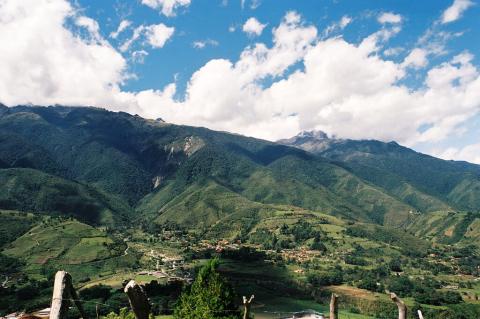
The Arid Diagonal: South America's Great Drylands

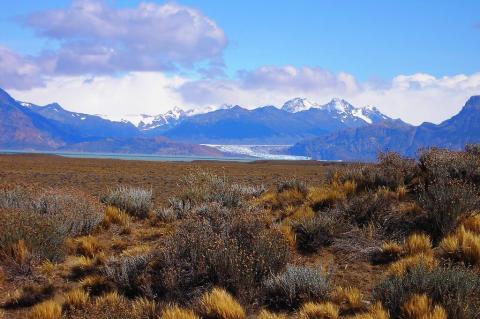
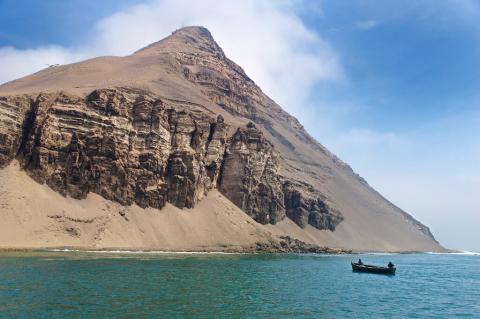
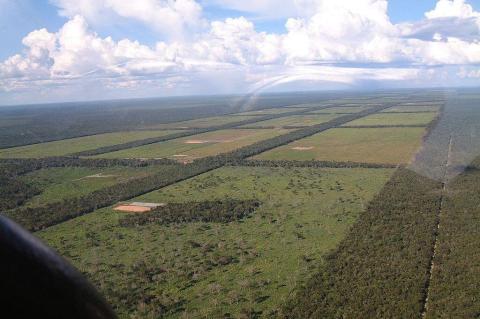
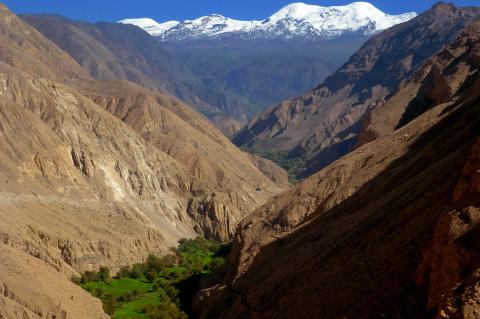
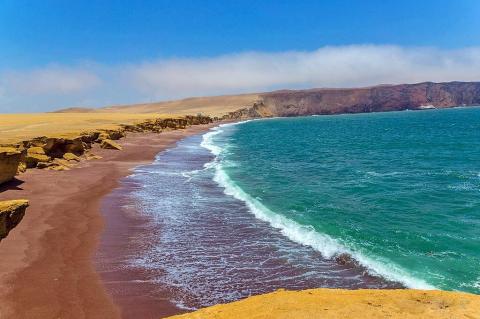
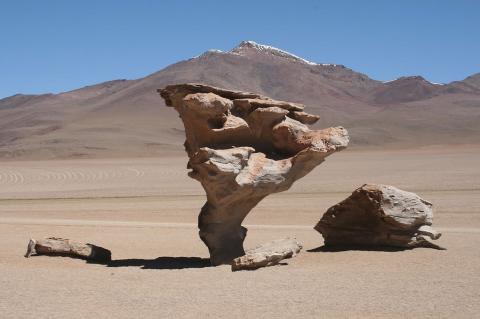
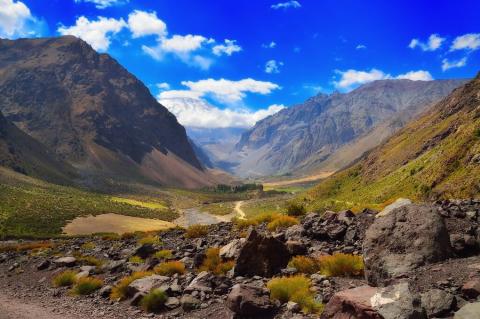
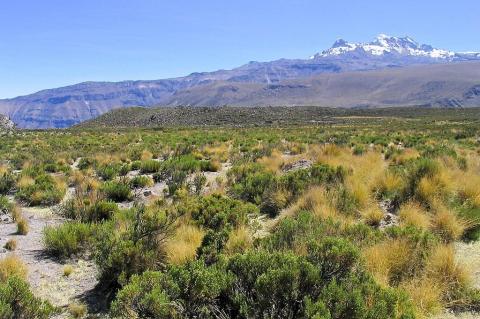
South America's Arid Diagonal is a vast belt of arid and semi-arid ecosystems extending from coastal Peru to southeastern Argentina and northeastern Brazil. The region encompasses diverse desert systems, including the hyperarid Atacama, the ENSO-influenced Sechura, the biodiverse Monte, the wind-swept Patagonian Desert, and the high-altitude Puna. Despite extreme aridity, the diagonal harbors remarkable biodiversity with high endemism levels, particularly in transition zones, though it faces conservation challenges from overgrazing, mining, agricultural expansion, and climate change.

The Arid Majesty of Chile's Norte Grande: A Land of Extremes and Resilience

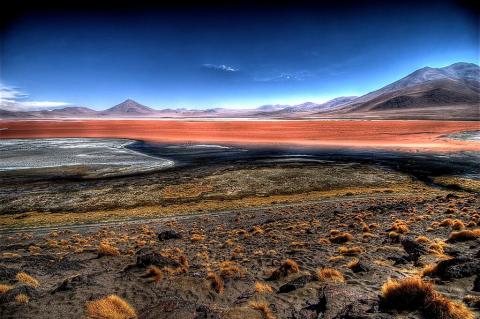
Chile's Norte Grande, the northernmost region stretching from the Peruvian border to the Copiapó River, showcases the raw power and stark beauty of extreme aridity. This area, home to the Atacama Desert, one of the driest places on Earth, features a landscape shaped by relentless sun, minimal rainfall, and dramatic geological forces. However, within this inhospitable environment lies a unique tapestry of adapted life, captivating geological features, and a rich history defined by the struggle for existence in a land of striking contrasts.

The Atacama Region of Chile: Land of Extremes and Opportunities

The Atacama Region, known in Spanish as the Región de Atacama, stands as one of Chile's most distinctive and economically significant administrative divisions. Located in the northern part of the country, this region encompasses some of the world's most extreme landscapes while serving as a cornerstone of Chile's mining industry and a gateway to understanding the delicate balance between natural resource exploitation and environmental preservation.

The Atacameño People: Survivors of the World's Driest Desert

The Atacameño people, also known as the Likan Antai, are an Indigenous group whose history is deeply intertwined with the harsh yet awe-inspiring landscapes of the Atacama Desert in northern Chile. Despite the extreme conditions of their environment, they developed a complex and resilient society that thrived for centuries, demonstrating remarkable ingenuity in agriculture, trade, and spiritual life.

The Atlantic Dry Forests of Brazil: Biodiversity and Conservation

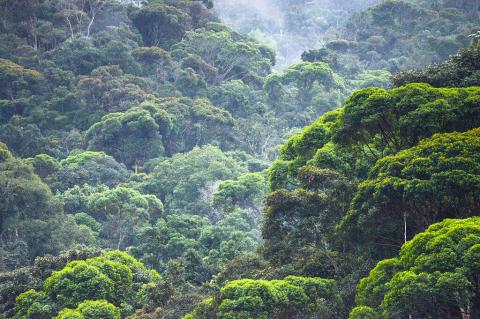
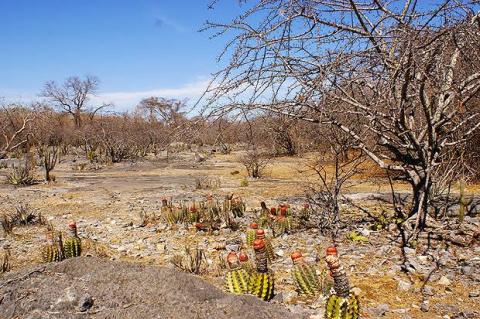
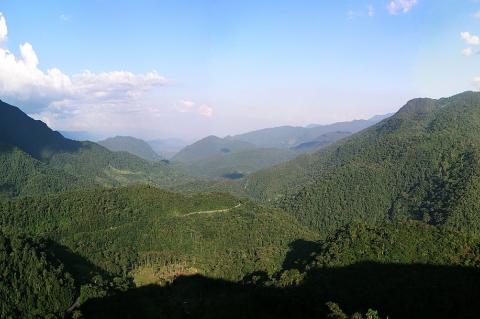
The Atlantic dry forests of Brazil are an extraordinary ecoregion characterized by their unique flora and fauna, complex climate, and significant ecological importance. Spanning the coastal regions of northeastern Brazil, these forests are a crucial component of the Atlantic Forest biome. They are renowned for their biodiversity and the critical ecological functions they perform.