South America

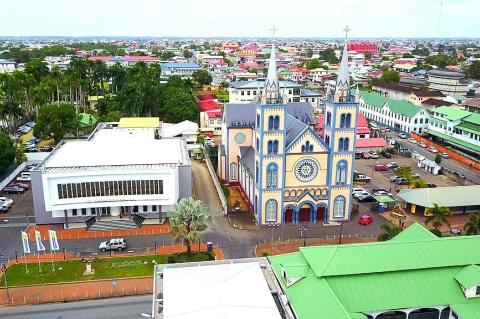
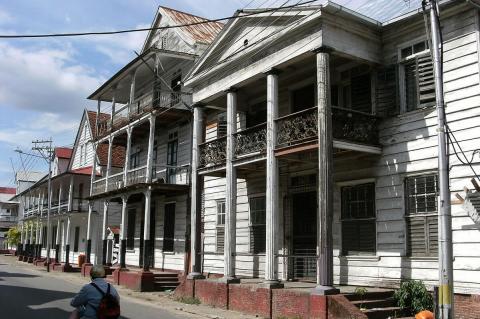
Paramaribo's Historic Inner City: A UNESCO World Heritage Jewel

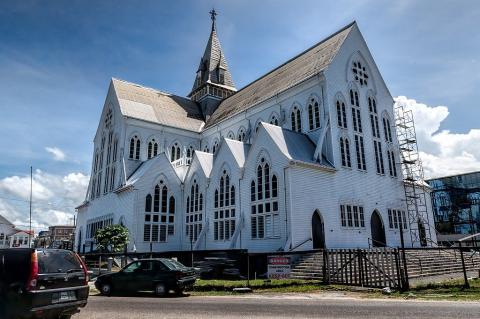
Nestled along the Suriname River in northeastern South America, Paramaribo, Suriname’s capital and largest city, is celebrated for its rich historical legacy and diverse cultural fabric. Paramaribo is a testament to Suriname’s colonial history and vibrant multicultural society. Designated as a UNESCO World Heritage Site under the title “Historic Inner City of Paramaribo,” the city is known for its distinctive blend of Dutch colonial architecture, tropical setting, and cultural fusion.

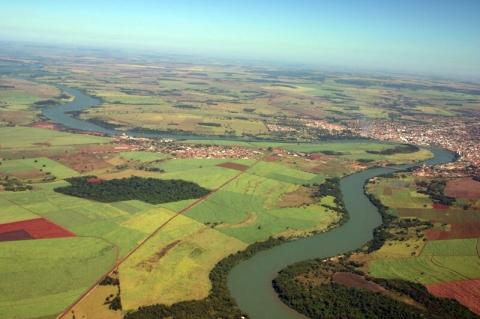
Paranaíba River: Lifeblood of Brazil's Cerrado

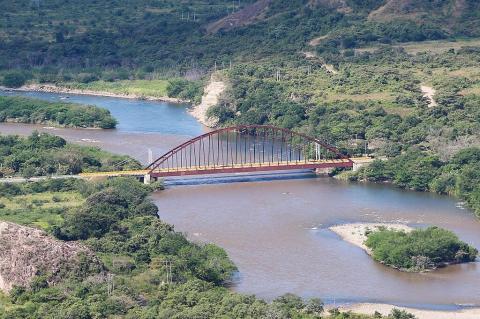
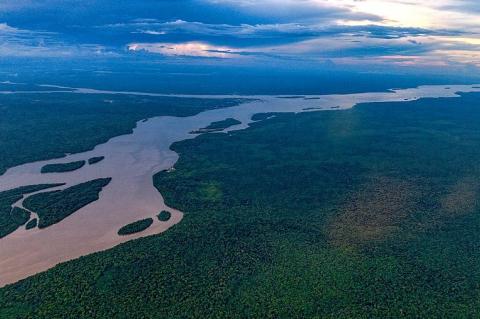
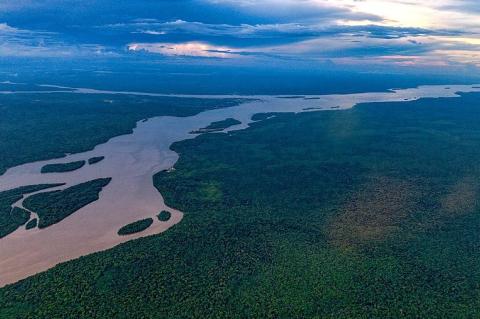
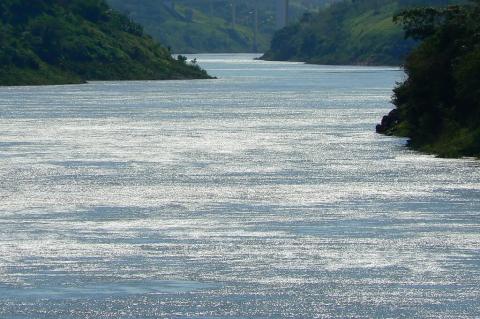
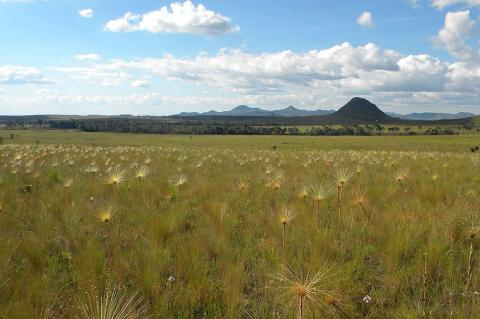
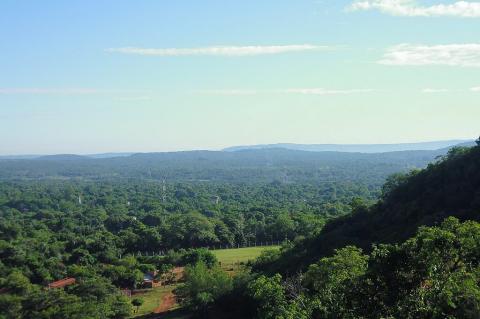
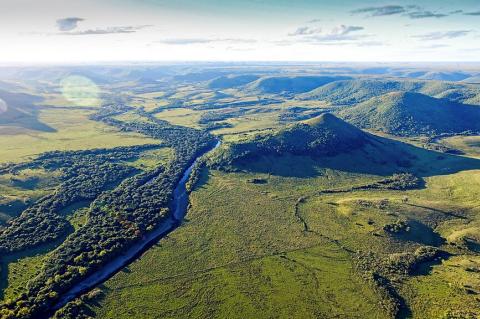
The Paranaíba River is a vital waterway in Brazil, coursing through the expansive Cerrado biome and forming the upper reach of the Paraná River Basin. Known for its ecological diversity, economic importance, and role in shaping regional culture, the Paranaíba River symbolizes Brazil's dynamic interplay between nature and development. From its headwaters in Minas Gerais to its confluence with the Grande River, the Paranaíba is vital to Brazil's environment and economy.

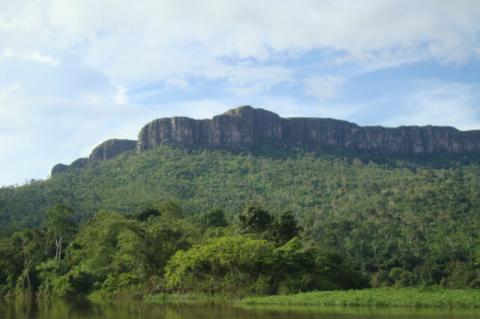
Parima Tapirapecó: Preserving the Amazon’s Natural and Cultural Heritage

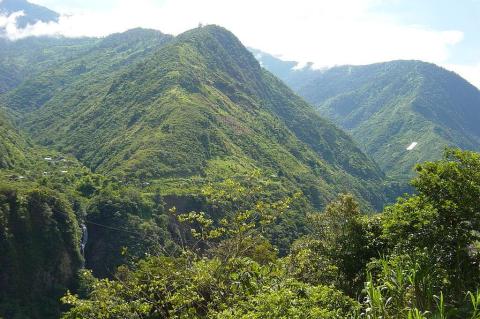
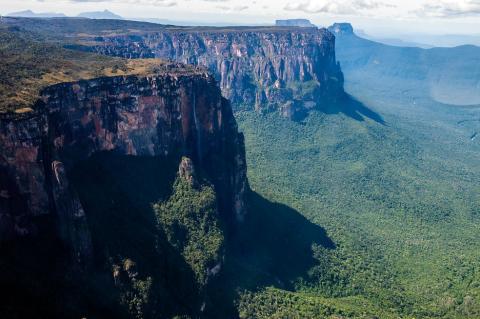
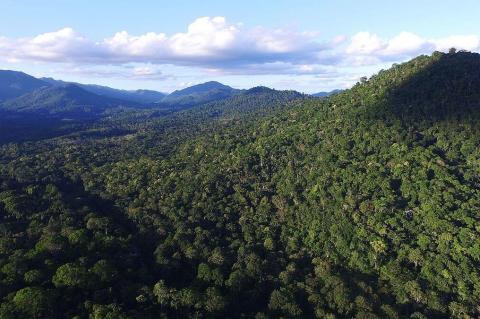
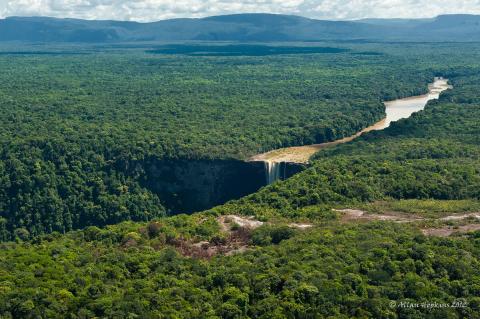
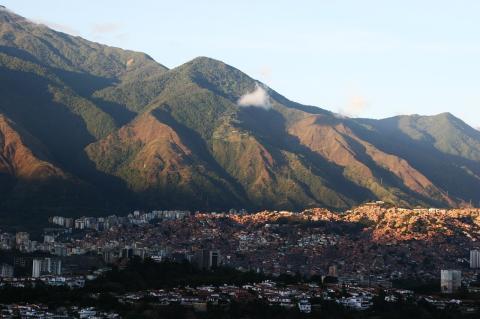
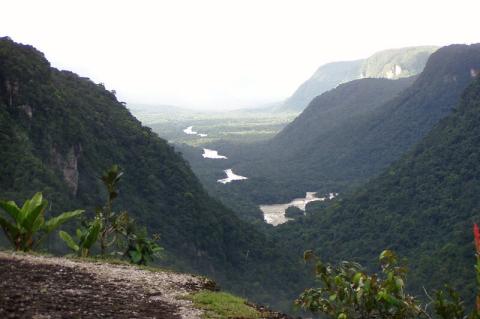
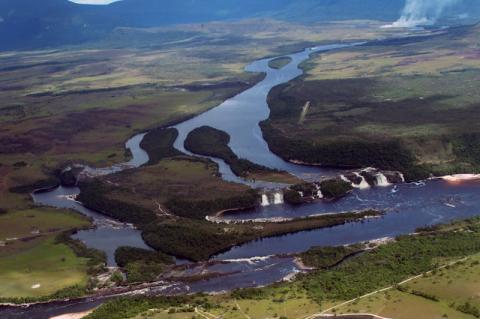
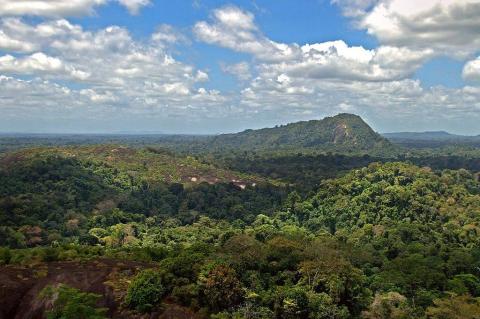
Located in the southeastern corner of Venezuela, Parima Tapirapecó National Park stands as one of the world's largest and most ecologically significant protected areas. This vast wilderness forms a critical part of the Guainan Highlands moist forests ecoregion, renowned for its rich biodiversity. Beyond its natural splendor, the park is also a vital cultural landscape. It is home to the Indigenous Yanomami people, whose deep connection to the land reflects a centuries-old relationship with nature.
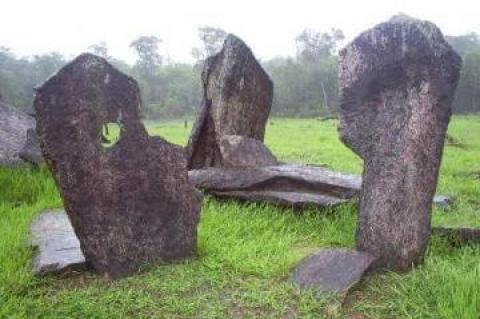
Parque Arqueológico do Solstício: Brazil's Amazonian Stonehenge

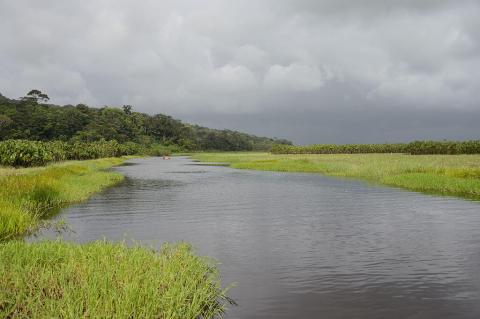
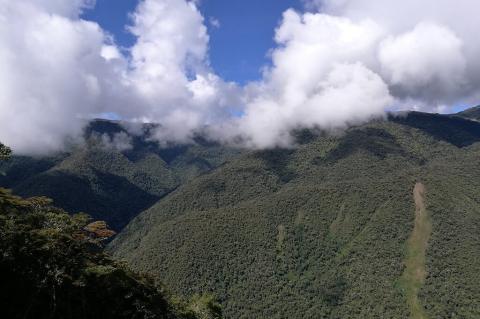
Nestled in the lush landscapes of Amapá state in northern Brazil lies the Parque Arqueológico do Solstício, an enigmatic archaeological site with significant historical and cultural value. Known colloquially as the "Amazon Stonehenge," this pre-Columbian megalithic stone circle offers a glimpse into the sophisticated astronomical knowledge and complex societal structures of ancient indigenous cultures in the Amazon Basin.

Patagonia Azul: Argentina's Coastal Treasure Trove

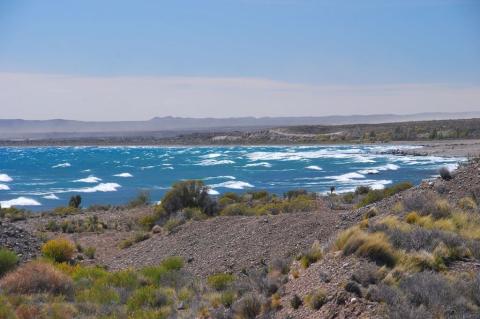
Nestled along the rugged coastline of Chubut Province in Argentine Patagonia, the Patagonia Azul Biosphere Reserve stands as a testament to this region's incredible beauty and biodiversity. Recognized by UNESCO, this vast protected area covers an impressive area, making it Argentina's largest biosphere reserve and one of the most significant marine-terrestrial conservation areas in South America. With its pristine landscapes, unique geological formations, and rich flora and fauna, the Patagonia Azul Biosphere Reserve is a true natural wonder.

Patagonia National Park: The Heart of Chilean Wilderness

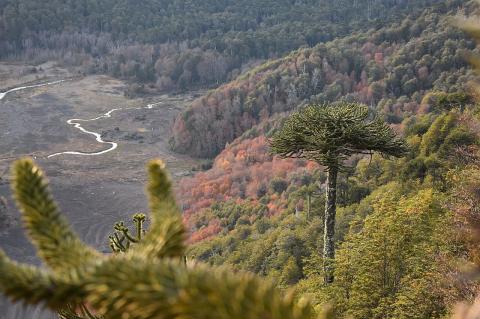
Patagonia National Park, located in the Aysén Region of southern Chile, is a vast and diverse protected area that showcases Patagonia's unique natural beauty and ecological significance. The park, encompassing a range of ecosystems from arid steppe grasslands to dense southern beech forests, serves as a crucial habitat for various flora and fauna. With its origins tied to significant conservation efforts, the park is a testament to its dedication to preserving Chile's natural heritage.

Patagonia: Nature's Last Frontier at the Edge of the World

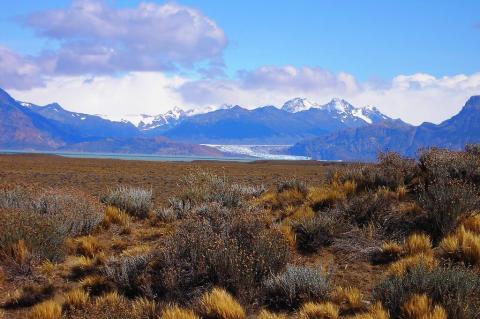
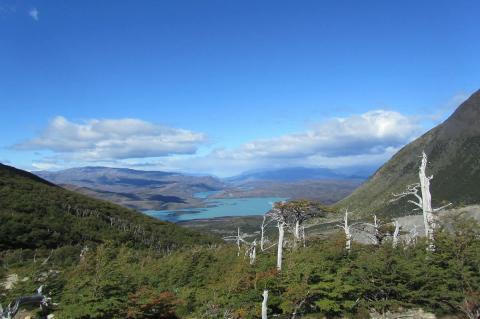
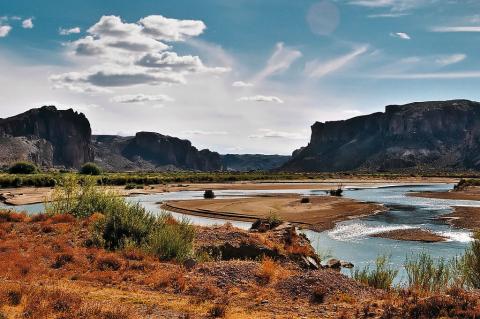
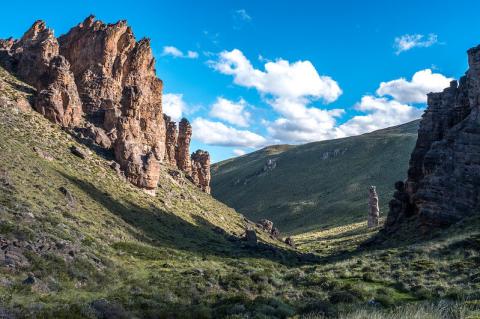
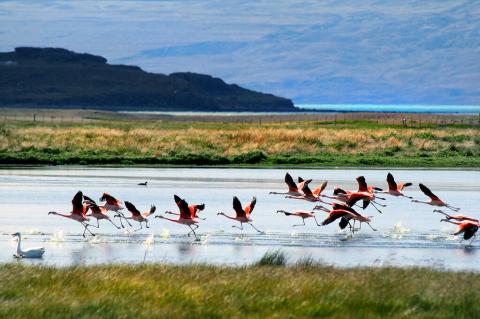
Argentina and Chile share Patagonia, a vast and enigmatic region at the southern tip of South America. It is renowned for its stunning landscapes, rich biodiversity, and cultural heritage. This expansive region, often referred to as one of the world's last remaining "Edens," captivates with its mix of arid plains, towering mountains, sprawling glaciers, and dense forests. Patagonia's geographical, climatic, economic, and cultural aspects reveal a region of immense natural beauty and significance.
Patagonia's Crown Jewel: Lake Buenos Aires

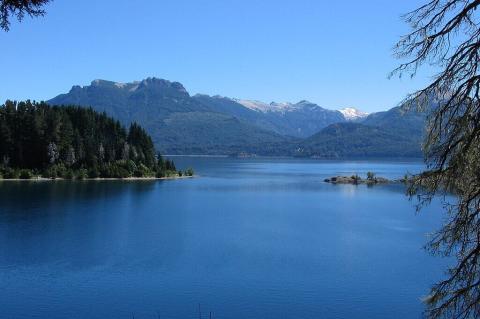
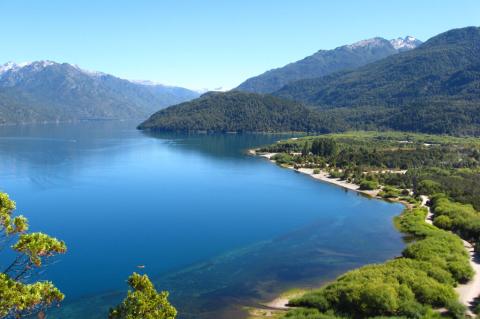
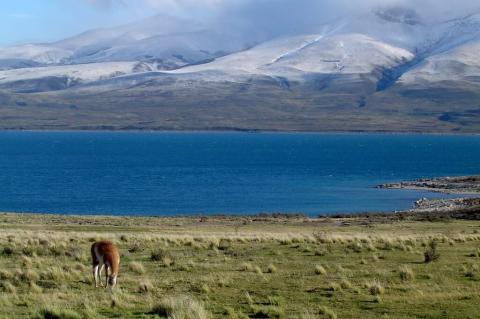
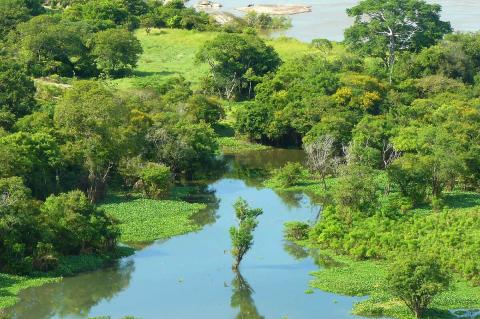
Located in Patagonia, Lake Buenos Aires, known as Lago General Carrera in Chile, is one of South America's largest lakes. It boasts breathtaking scenery and vibrant ecosystems. Formed by glacial activity, the lake is surrounded by towering mountains and lush forests, showcasing unmatched beauty. Its waters vary from turquoise to deep blue, mirroring the pristine Patagonian environment. The lake fosters cooperation and cultural exchange between Argentina and Chile while providing livelihoods for local communities.

Patagonia's Hidden Treasure: The Ancient Art of Cueva de las Manos

In the rugged landscape of Patagonia lies one of the world's most captivating archaeological treasures: the Cueva de las Manos, or Cave of Hands. Renowned for its striking prehistoric rock art, this site offers a rare glimpse into the lives and artistic expressions of the ancient peoples who once roamed the region. Designated as a World Heritage Site, this remote cave is a testament to early humans' creativity, beliefs, and traditions, preserved on its rock walls for millennia.

Pereyra Iraola Provincial Park and Biosphere Reserve: A Natural Oasis in Buenos Aires

Nestled between the municipalities of La Plata and Berazategui, along the banks of the majestic Río de la Plata, lies the Pereyra Iraola Provincial Park and Biosphere Reserve. This urban oasis is the largest provincial park in Argentina's Buenos Aires Province and a rich center of biodiversity, offering a sanctuary for nature enthusiasts and city dwellers alike.