South America

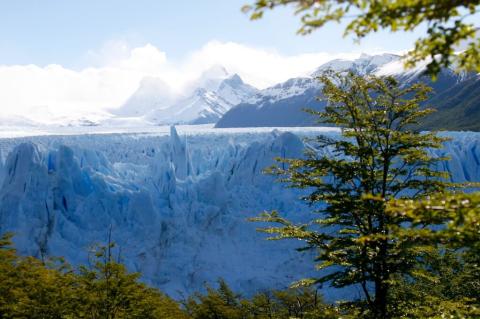
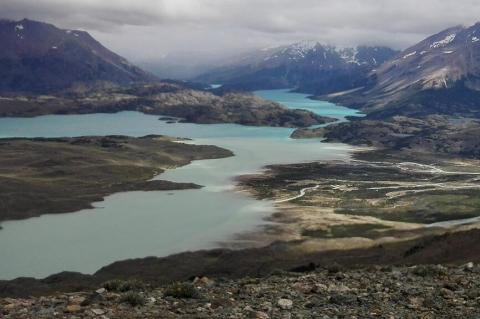
Perito Moreno National Park: A Patagonian Paradise

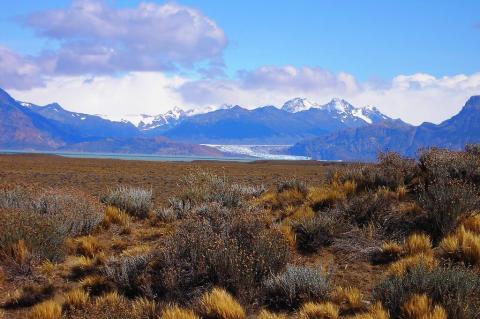
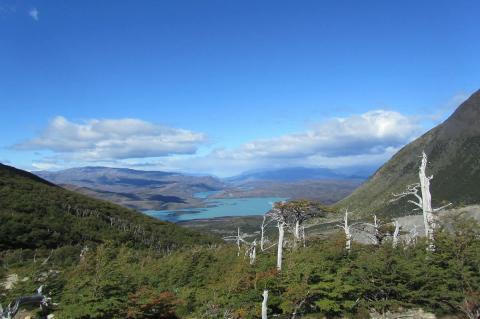
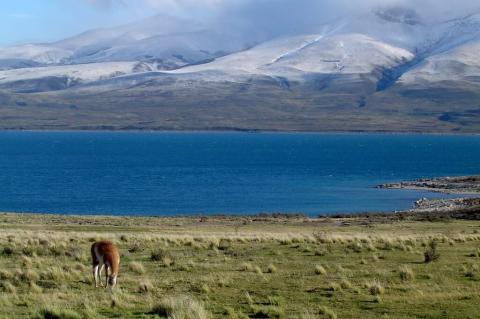
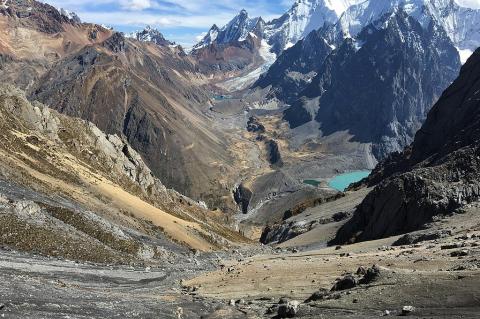
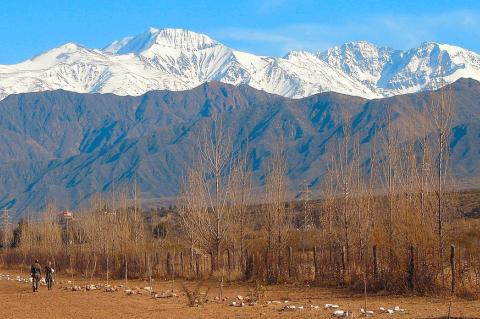
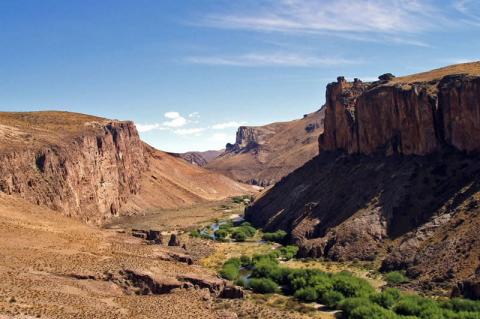
Situated in the heart of Patagonia, the southern region of Argentina, lies Perito Moreno National Park, a pristine wilderness area that showcases the beauty and grandeur of this remote corner of the world. Established in 1937, this national park is one of the oldest in Argentina. It is named after the renowned explorer Francisco "Perito" Moreno, who was crucial in establishing Argentina's park system. This protected area immerses visitors in Patagonia's rugged landscapes and diverse ecosystems.
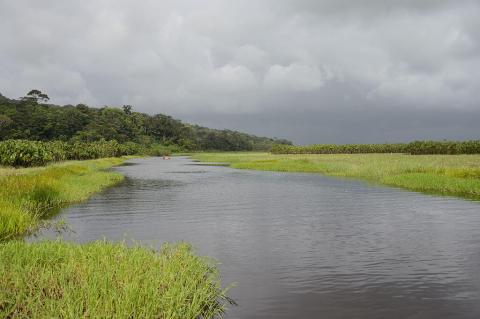
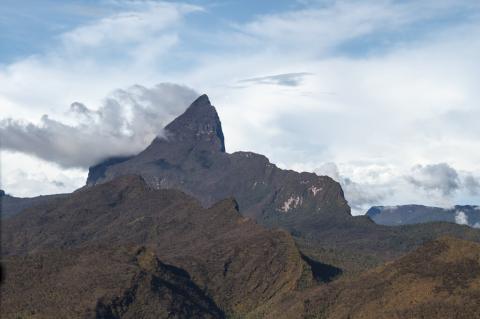
Pico da Neblina: Brazil's Pinnacle of Wilderness and Cultural Heritage

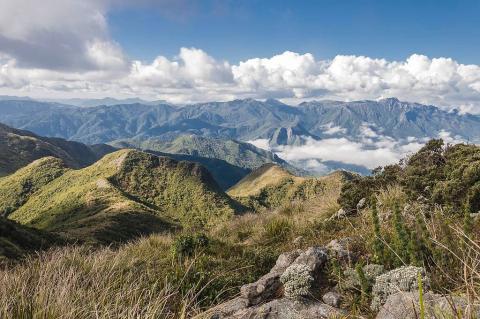
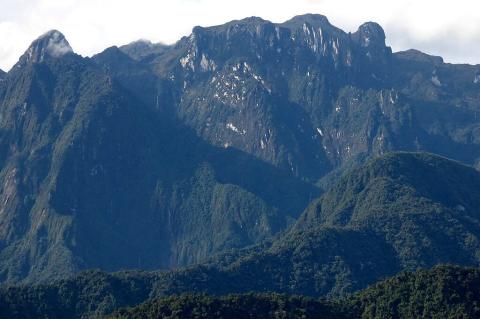
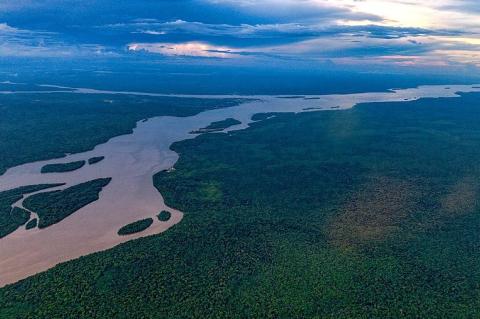
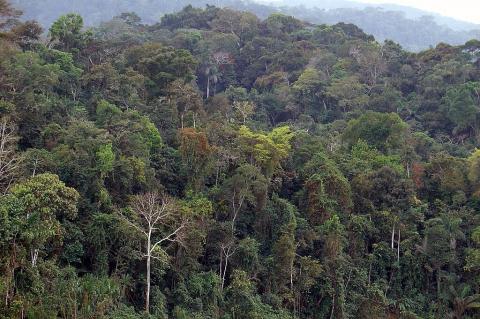
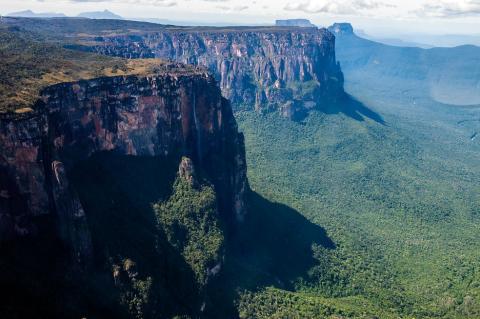
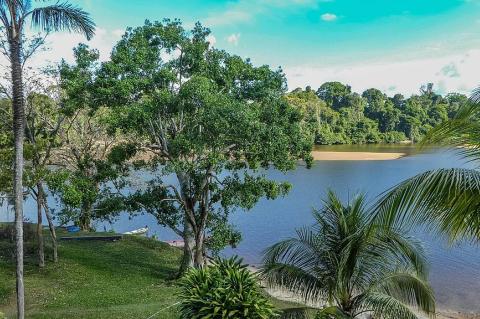
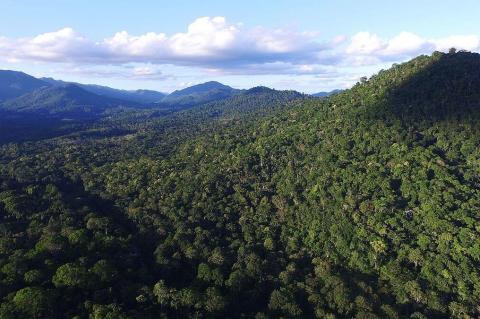
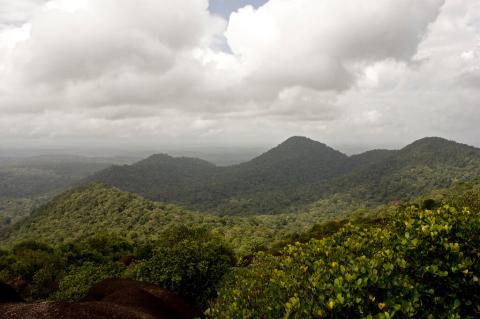
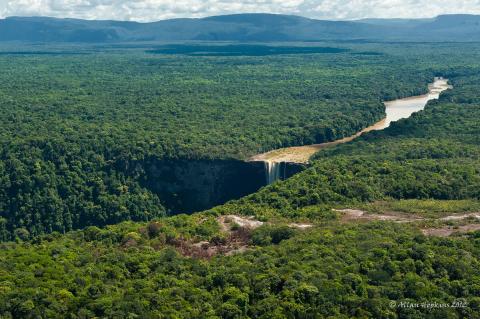
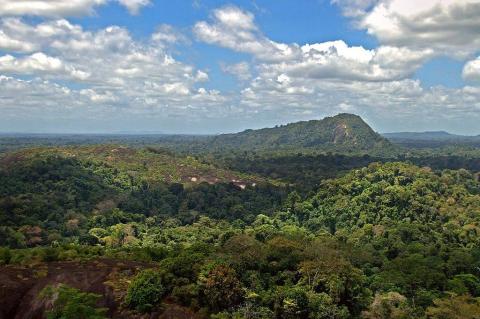
Pico da Neblina National Park, located in the far north of Brazil, is a remote and ecologically significant area encompassing Brazil's highest peak, Pico da Neblina. This vast park, bordering Venezuela, is part of the larger Amazon Rainforest biome and remains one of Brazil's most pristine and biodiverse regions. With limited human access and deep cultural ties to Indigenous peoples, the park represents an important symbol of conservation, environmental diversity, and natural beauty.
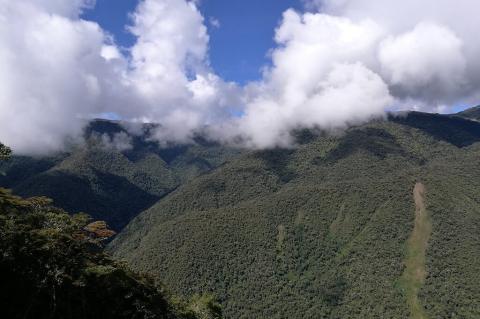
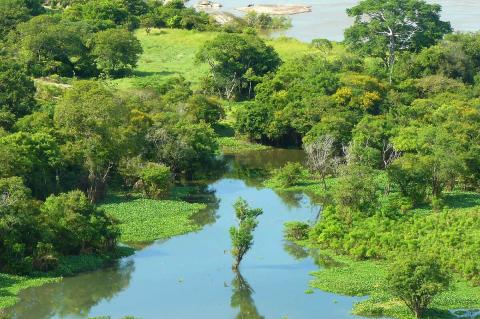
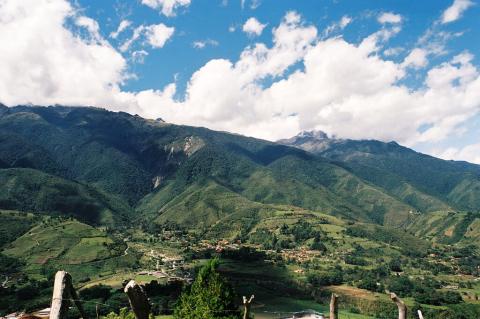
Pilón-Lajas Biosphere Reserve and Communal Lands (Bolivia)

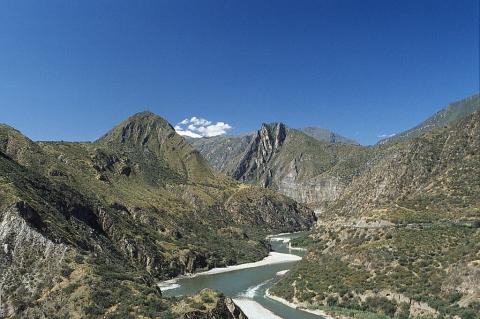
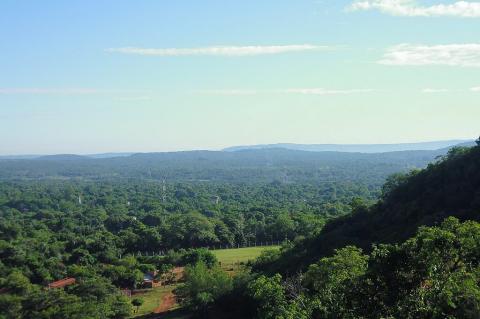
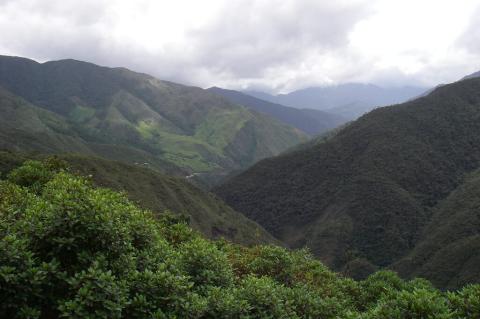
The Pilón Lajas Biosphere Reserve, located in Bolivia on the eastern spur of the Andes, is a remarkable convergence of biodiversity and cultural heritage. Spanning the departments of La Paz and Beni, this reserve encompasses various ecosystems, including humid tropical forests, subtropical forests, and Amazonian plains. Home to many plant and animal species, the reserve protects the cultural heritage of the Tsimane', Mosetene, and Tacana Indigenous communities.

Podocarpus National Park: Ecuador's Biodiversity Haven

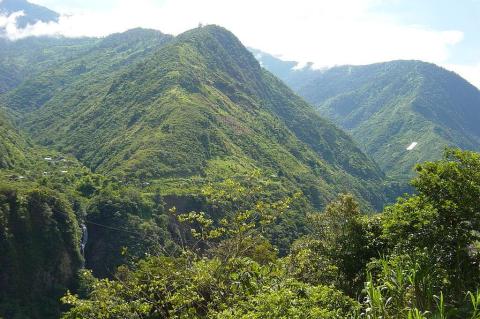
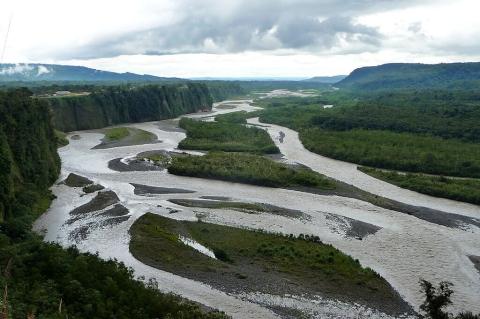
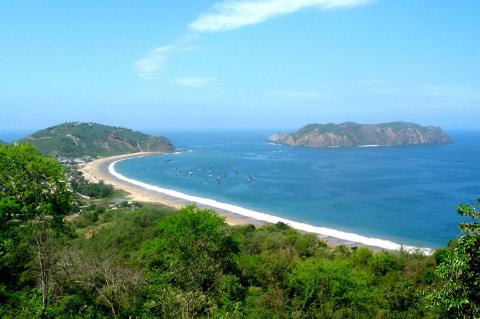
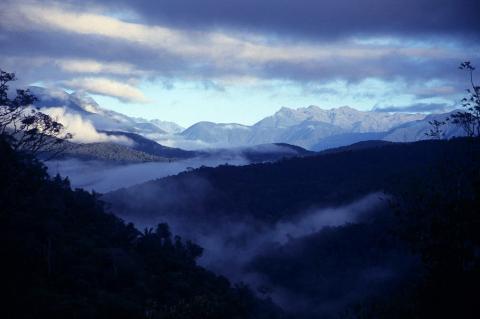
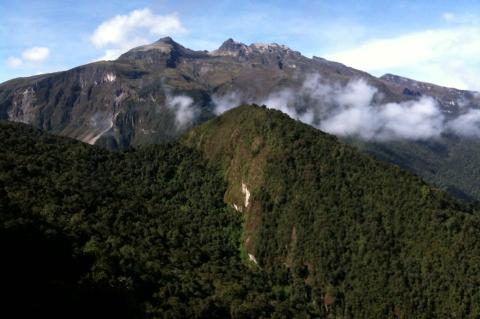
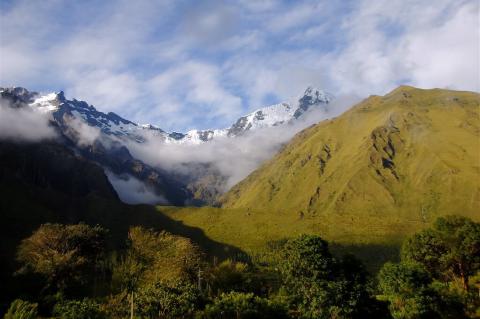
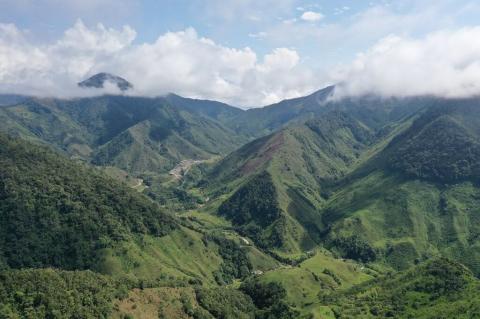
Podocarpus National Park is a remarkable natural sanctuary in the southeastern provinces of Zamora Chinchipe and Loja in Ecuador. This park, part of the Podocarpus-El Condor Biosphere Reserve, is renowned for its immense biodiversity and unique ecosystems. Positioned at the confluence of four ecological systems—the Northern Andes, Southern Andes, Amazonian, and Pacific regions—Podocarpus National Park is a treasure trove of endemic species and diverse habitats.

Preservation of Biodiversity: Brazil's Discovery Coast Atlantic Forest Reserves

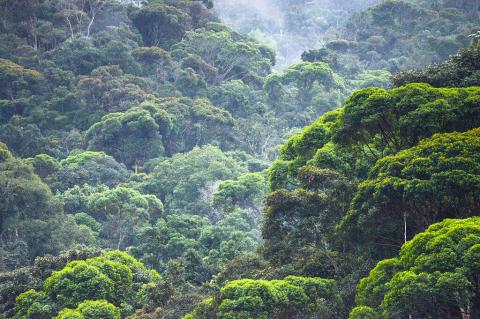
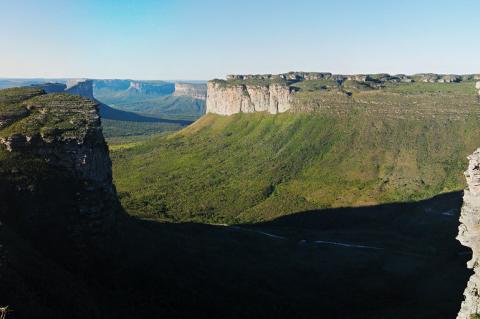
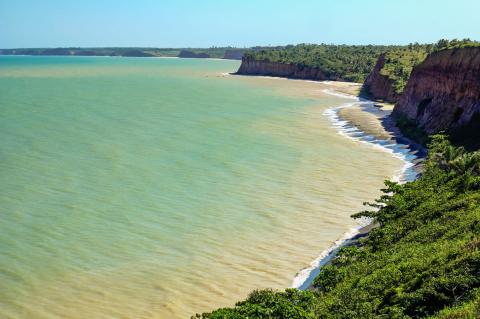
The Discovery Coast Atlantic Forest Reserves in northeastern Brazil exhibit a stunning variety of ecosystems, showcasing the Atlantic Forest biome's evolutionary history and ecological processes. The landscape is characterized by coastal tablelands, sandy beaches, sea cliffs, lagoons, and coral reefs, creating a habitat for a diverse range of flora and fauna. The region boasts an exceptional botanical diversity and is particularly rich in tree species.

Preserving Chile's Natural Heritage: The Bosques Templados Lluviosos Biosphere Reserve

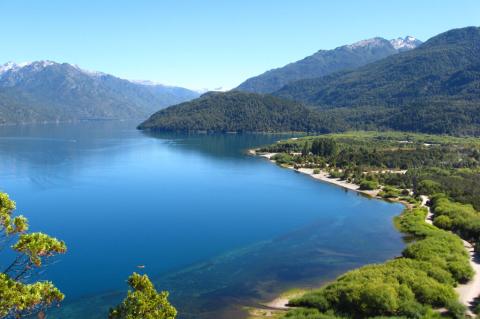
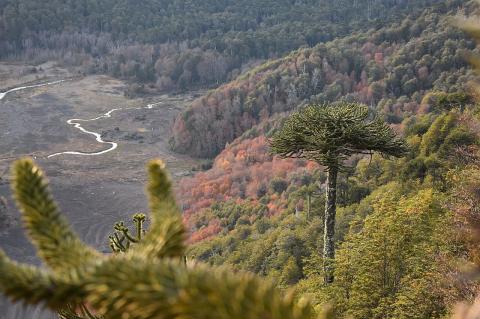
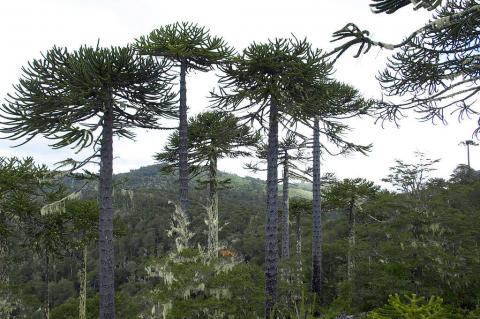
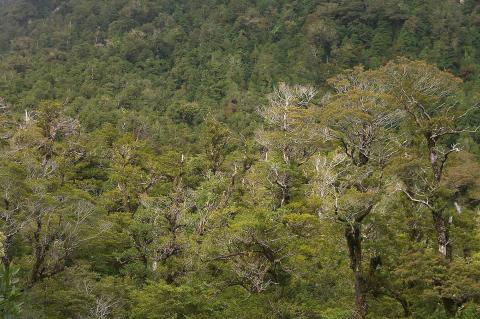
Nestled in the heart of Chile's Los Lagos and Los Ríos regions, the Bosques Templados Lluviosos de Los Andes Australes Biosphere Reserve is a testament to the intricate beauty and ecological importance of the Valdivian temperate rainforest. This expansive protected area includes some of the world's most unique and biologically rich ecosystems. The reserve, featuring volcanic terrains, verdant forests, and a variety of native species, plays a crucial role in conservation and sustainable development.

Puerto Maldonado: Gateway to the Peruvian Amazon

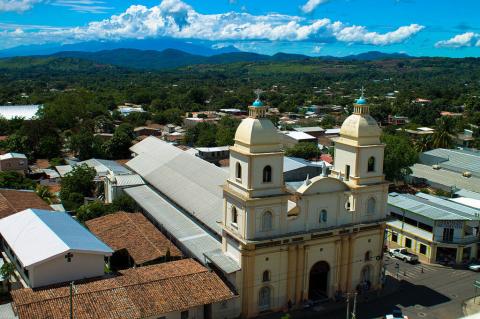
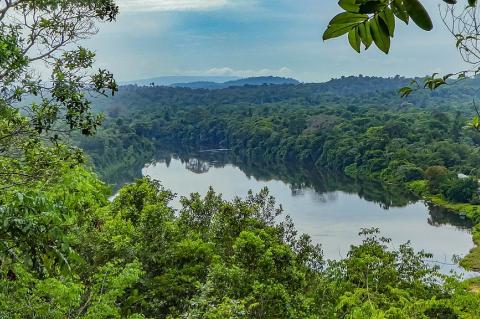
Puerto Maldonado, a vibrant city nestled in southeastern Peru, is the capital of the Madre de Dios region and a vital gateway to the Amazon rainforest. Known for its rich biodiversity, Puerto Maldonado attracts visitors with its lush landscapes, diverse wildlife, and unique eco-lodges that offer an immersive Amazonian experience. Located near the Tambopata National Reserve and the Manu National Park, the city provides an ideal starting point for exploring one of the most biodiverse ecosystems on Earth.

Puerto Williams: Journey to the End of the World

Nestled on the northern shores of the Beagle Channel, Puerto Williams stands as a beacon of exploration at the southernmost tip of the world. Situated on Navarino Island, Tierra del Fuego, in Chile's Magallanes and Chilean Antarctica region, it holds the prestigious title of the world's southernmost city. It serves as the capital of the Commune of Cabo de Hornos. With approximately 2,500 residents, Puerto Williams embodies a unique blend of history, adventure, and natural beauty.

Pumalín Douglas Tompkins National Park: A Legacy of Conservation

Pumalín Douglas Tompkins National Park in Chile's Los Lagos Region is a testament to the country's rich natural heritage and conservation efforts. Spanning northern Patagonia, it features breathtaking landscapes, including volcanoes, forests, waterfalls, and coastlines. Named after American conservationist Douglas Tompkins, the park is a sanctuary for diverse flora and fauna, including ancient Alerce trees.

Puna de Atacama: An Arid Collage of High Plateaus, Peaks, and Indigenous Heritage

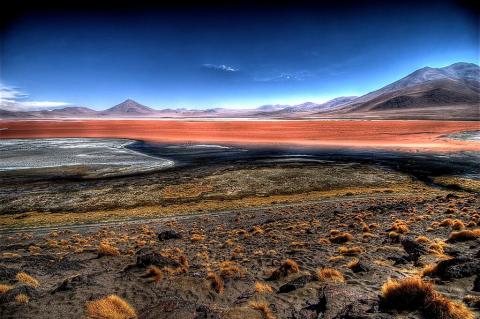
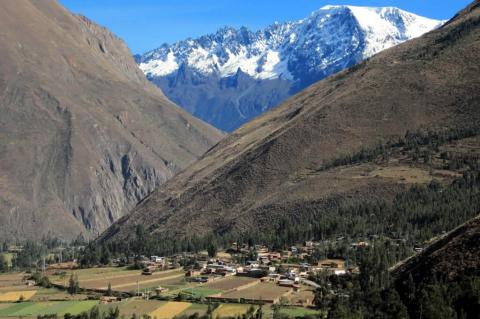
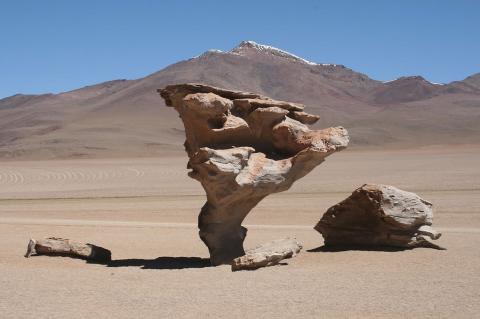
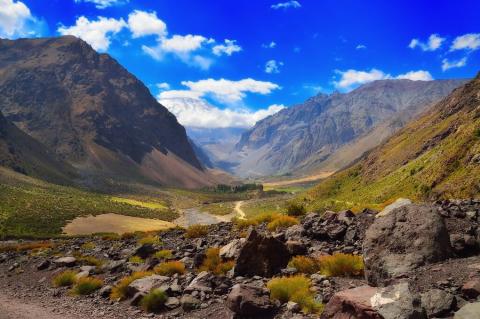
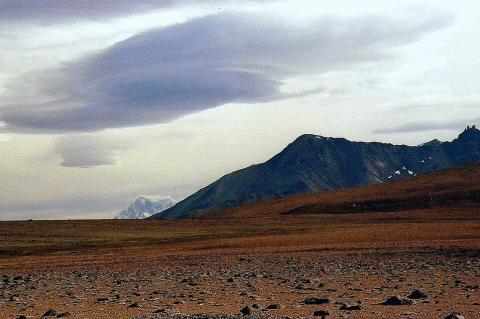
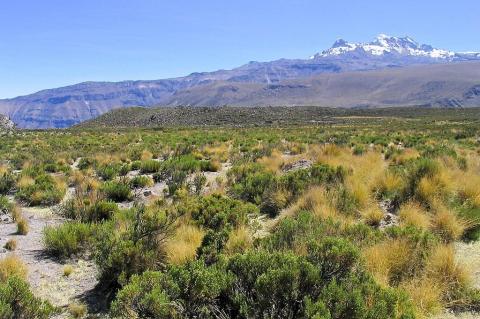
Nestled in the Andes Mountains of South America, the Puna de Atacama is a testament to nature's mesmerizing contrasts, from its cold, desolate high plateaus to the deep river valleys that carve through its eastern expanse. This vast and arid landscape, situated in the southernmost part of the Andean Altiplano, has geographical and cultural significance, stretching across northwestern Argentina and adjacent regions of Chile.