South America

Llanos de Challe National Park: A Coastal Desert Ecosystem in Northern Chile

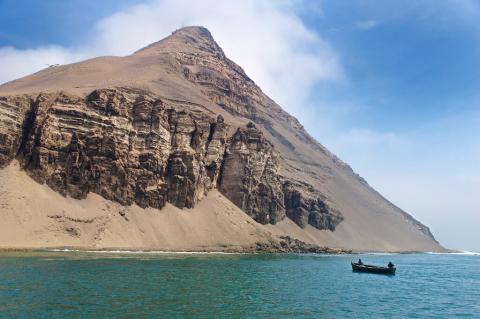
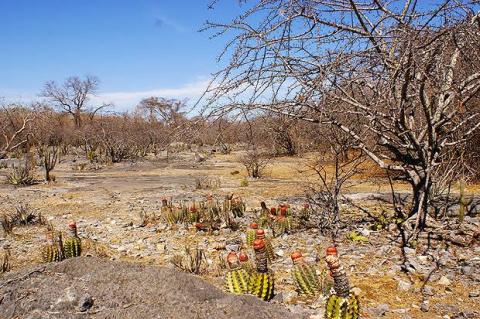
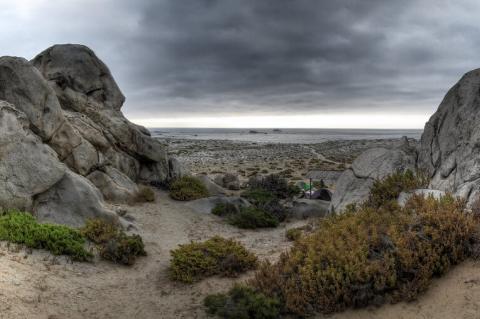
Llanos de Challe National Park, situated along the coast of northern Chile's Atacama Region, is a captivating natural area known for its unique coastal desert ecosystem. The park is characterized by its diverse flora and fauna and striking landscapes shaped by its fog-fed ecosystem. Exploring the park's geographical features, biological diversity, and ecological significance offers a deeper understanding of its role in preserving the natural heritage of the Atacama Desert.

Llanos de Moxos: A Legacy of Ancient Engineering and Agriculture

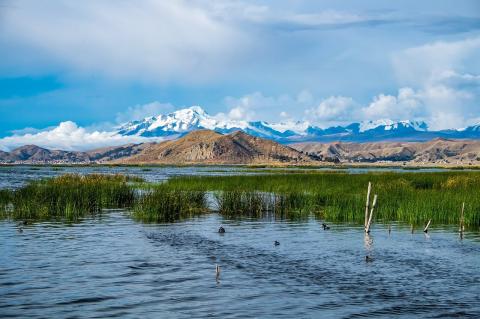
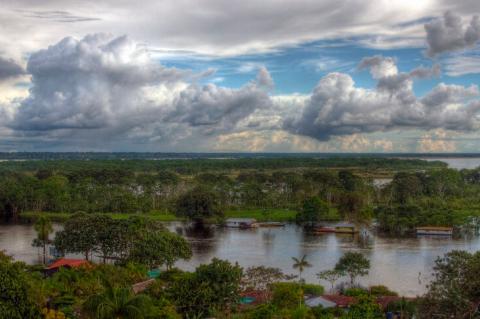
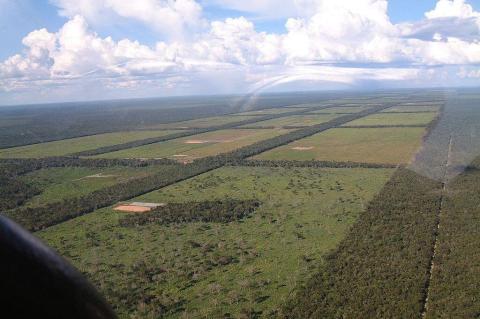
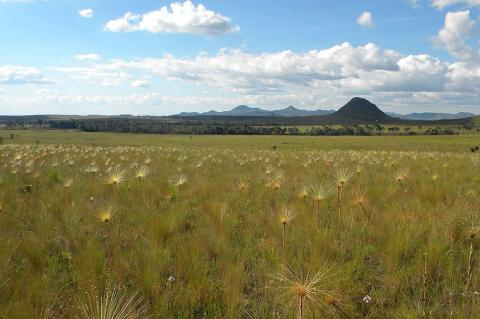
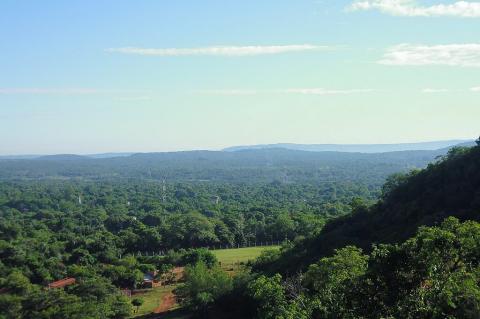
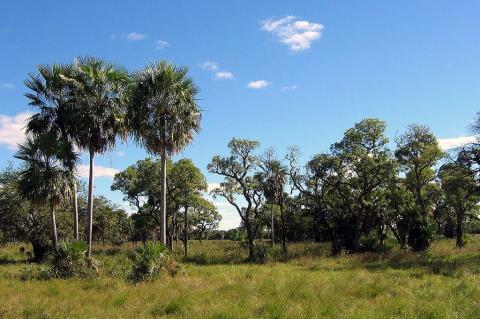
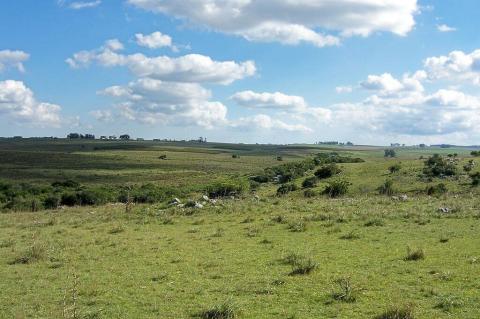
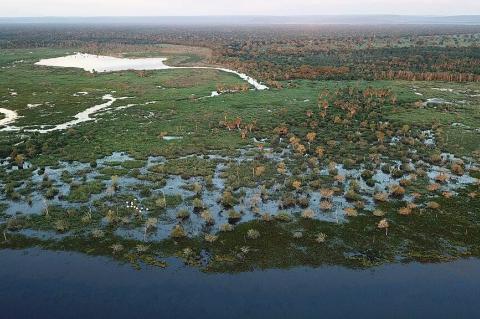
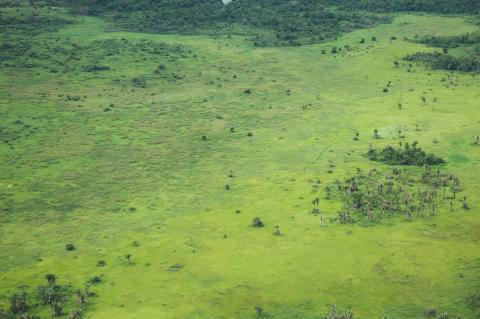
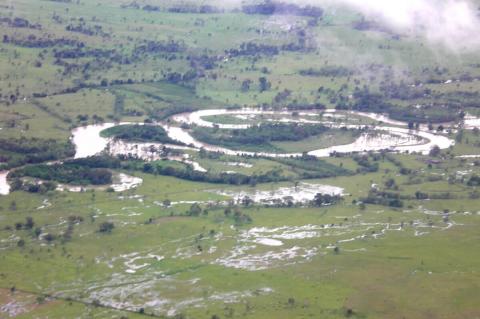
The Llanos de Moxos, located in the Beni Department of northern Bolivia, is one of South America's most significant archaeological regions. It offers an unparalleled window into the lives of pre-Columbian societies that thrived in the tropical savanna. What sets this region apart is its vastness and the extraordinary density of archaeological sites within the Amazon basin, revealing a sophisticated history of landscape engineering and agricultural innovation.

Llullaillaco Volcano and National Park: Chile's High-Altitude Archaeological Sanctuary

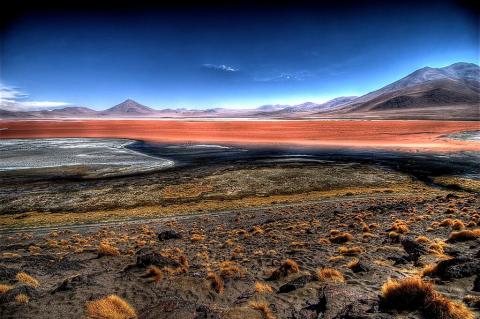
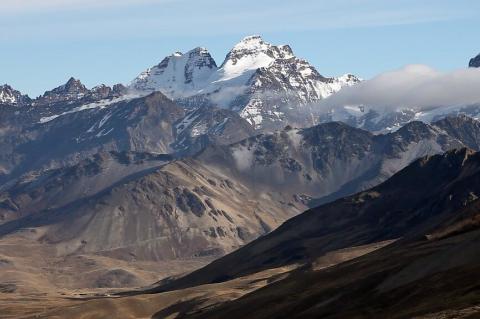
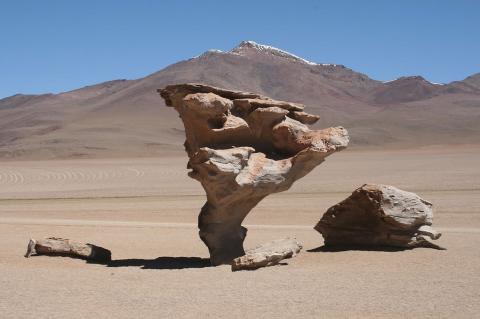
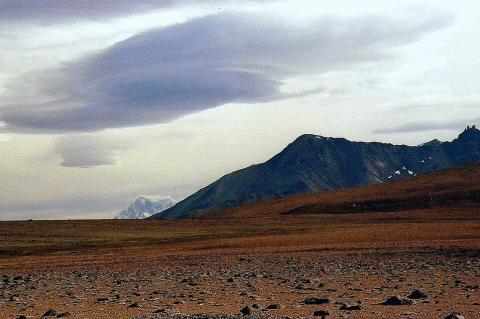
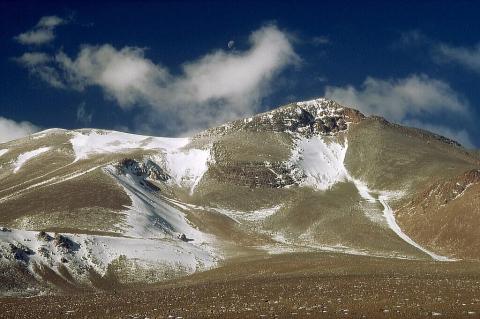
Rising from the remote stretches where Chile meets Argentina, Llullaillaco volcano stands as one of South America's most remarkable monuments to both natural forces and human achievement. This massive stratovolcano holds the distinction of being the world's second-highest active volcano and, remarkably, the site of the world's highest archaeological discovery. Llullaillaco National Park, which spans the eastern slopes, was established to protect this unique ecosystem and its invaluable cultural heritage.

Lomas de Lachay: A Misty Oasis in the Peruvian Desert

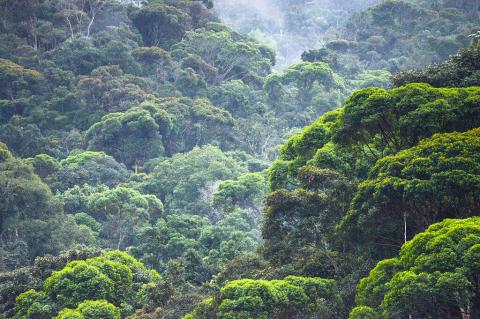
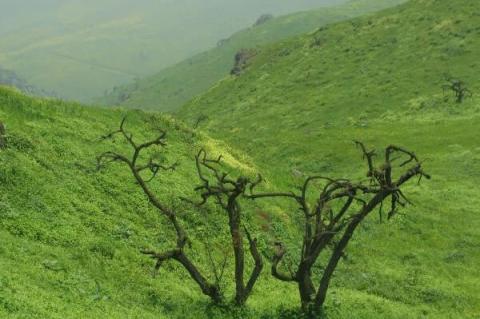
Nestled in the arid foothills of the Peruvian Andes north of the bustling capital city of Lima lies the Lomas de Lachay National Reserve. This verdant oasis defies the harsh reality of the surrounding desert. This protected area is a true gem, where the moist coastal mists have given rise to a unique micro-environment, nurturing a dwarf forest and a remarkable mist-fed ecosystem teeming with wild plant and animal species.

Los Arrayanes National Park: A Jewel of Patagonia

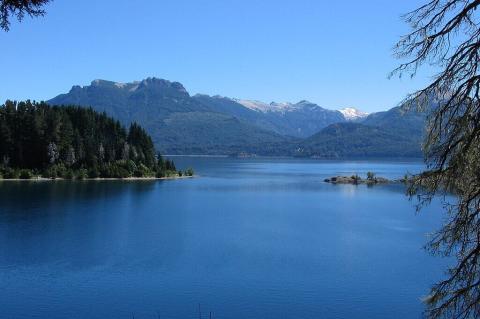
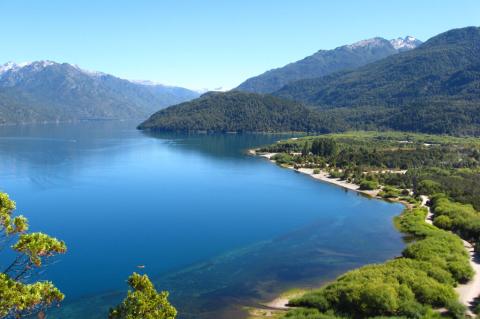
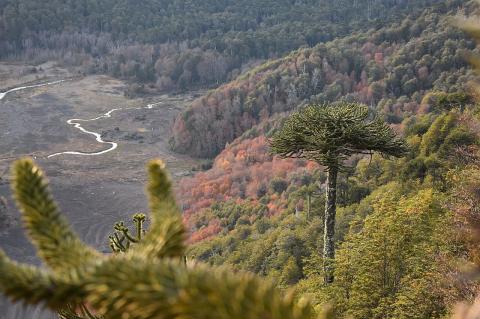
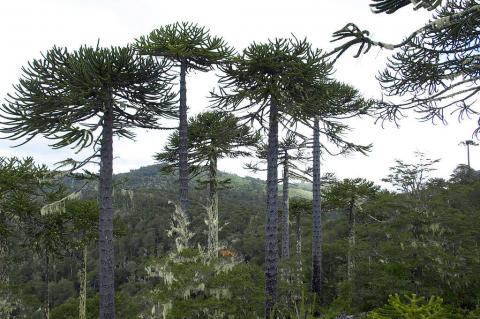
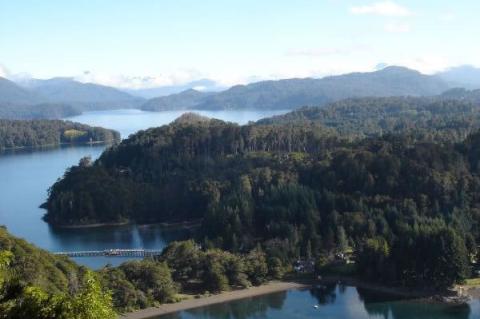
Los Arrayanes National Park, located in the southern part of Neuquén Province, Argentina, is a pristine protected area renowned for its enchanting myrtle forest. Occupying the Quetrihué Peninsula, this unique park was established to preserve one of the region's rarest and most beautiful ecosystems. The park's breathtaking landscapes, diverse flora and fauna, and rich cultural heritage make it an exceptional destination for nature lovers and adventure seekers.
Los Cardones: A Journey through Argentina's Andean Wonderland

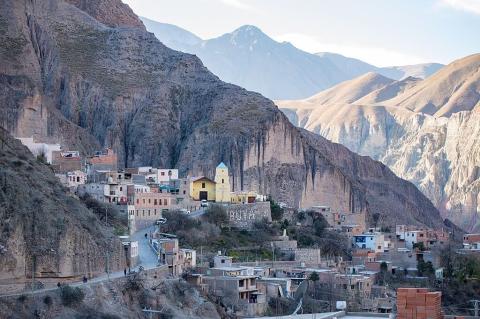
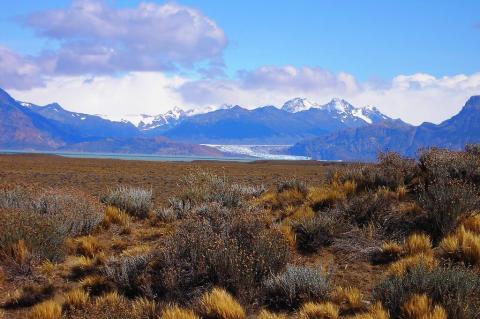
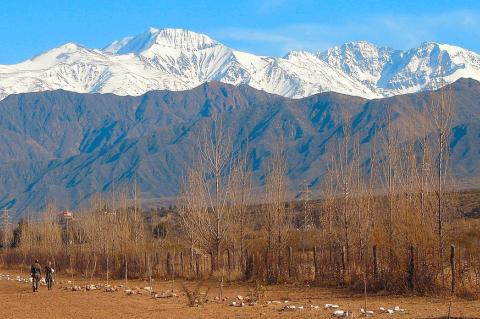
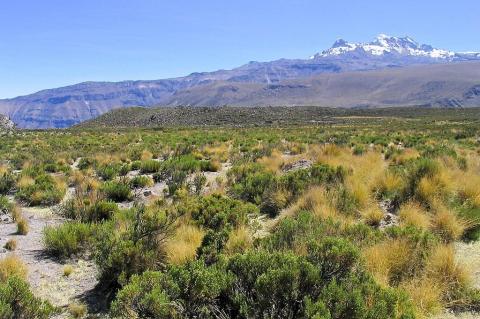
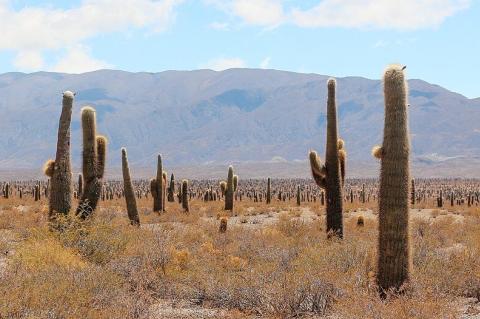
Nestled in the rugged heart of northwest Argentina, where the mighty Andes Mountains cast their captivating shadows, lies a sanctuary of natural wonders – Los Cardones National Park. This protected area is a testament to Argentina's unwavering commitment to conservation, preserving the unique ecosystems and biodiversity that have flourished in this high-altitude realm for millennia. Within its boundaries, a tapestry of dramatic landscapes unfolds, revealing the incredible resilience of life in the face of harsh conditions.
Los Katíos National Park: A Jewel of Biodiversity in Colombia

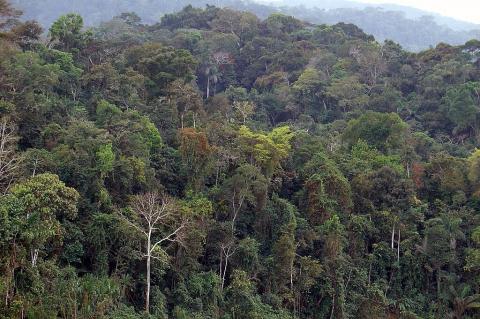
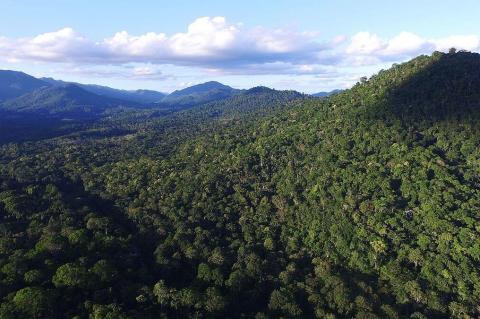
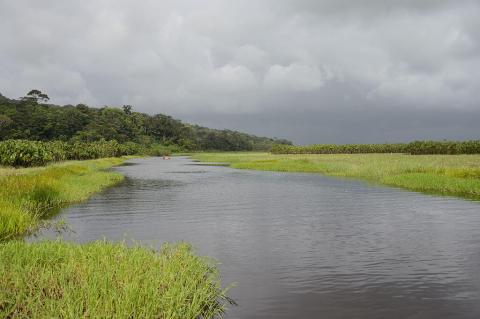
Los Katíos National Park, a protected wildlife sanctuary nestled in northwest Colombia near the border with Panama, is a true ecological marvel. Located within the Darién Gap, a densely forested area shared by Panama and Colombia, Los Katíos National Park encompasses significant wetland areas, including the vast Ciénagas de Tumaradó. It boasts a remarkable biodiversity and is recognized as a UNESCO World Heritage Site.
Los Roques: Venezuela’s Coral Crown in the Caribbean

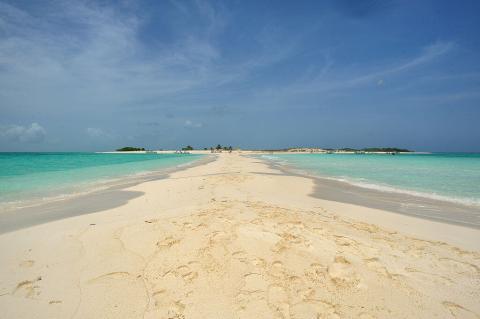
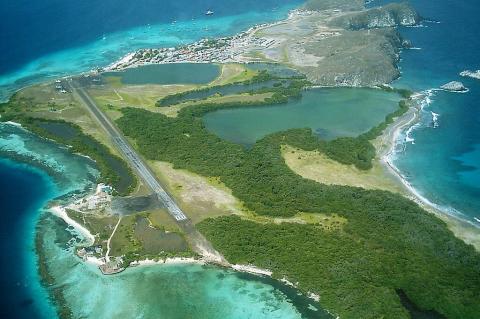
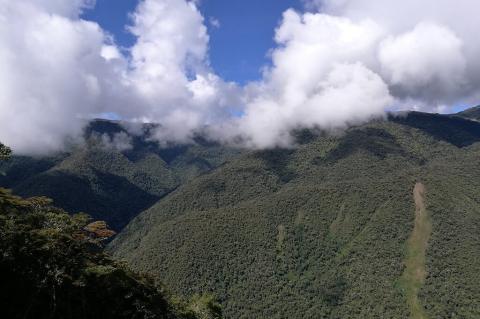
Los Roques is a pristine archipelago in the Caribbean Sea, situated north of Venezuela's central coast. This stunning collection of islands, cays, and sandbanks forms a unique coral atoll encompassing a central shallow lagoon surrounded by vibrant coral reefs and mangroves. The area is renowned for its natural beauty, biodiversity, and clear turquoise waters, making it one of the most important marine environments in the southern Caribbean.
Machu Picchu: Where Stone Dreams Meet Cloud Forest Mysteries

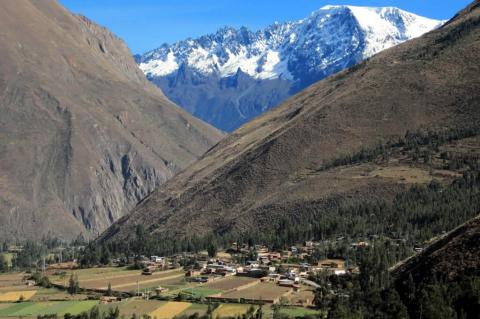
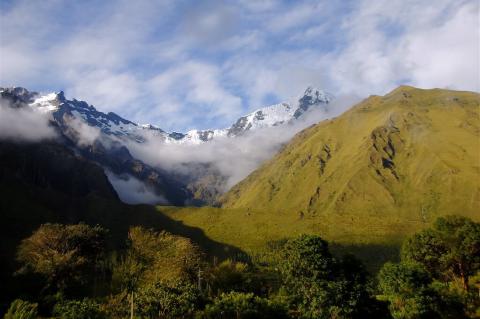
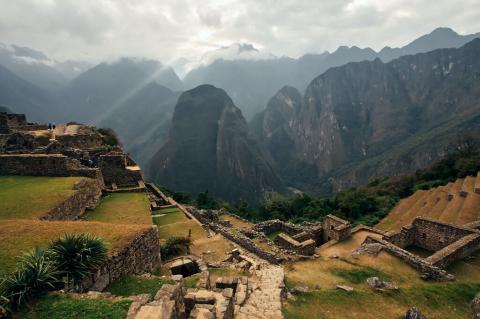
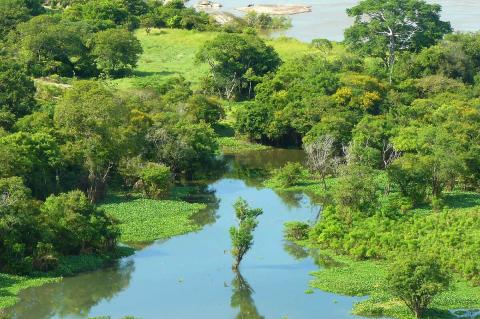
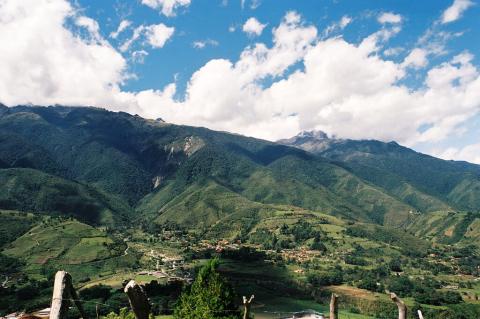
High above the Urubamba Valley, where Andean peaks pierce clouds and ancient mists whisper of forgotten ceremonies, stands Machu Picchu—perhaps the most enigmatic human achievement. This stone citadel seems to float between Earth and sky, its granite walls rising naturally from the mountain ridge like a formation shaped by divine hands rather than human tools. From its precisely engineered terraces to its role as guardian of numerous species, Machu Picchu is a masterpiece where human ingenuity harmonized with Earth's biodiversity.

Macizo del Cajas: Ecuador's Ecological Gem

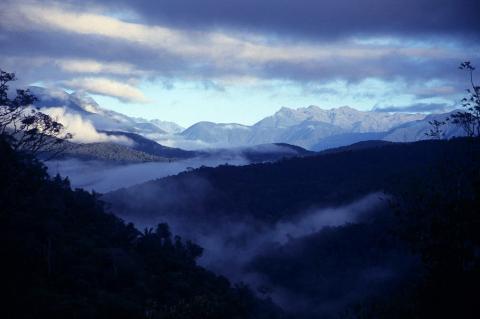
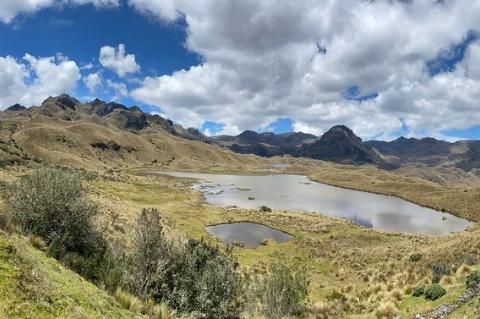
Located in southwestern Ecuador, the Macizo del Cajas Biosphere Reserve is a sprawling natural expanse that encompasses a variety of ecosystems ranging from high-altitude páramo and montane forests to cloud forests and coastal mangroves. This biosphere reserve plays a critical role in biodiversity conservation, water regulation, and socio-economic activities. El Cajas National Park is central to the reserve, a core zone that exemplifies the reserve's rich ecological tapestry.