South America

Ischigualasto and Talampaya Natural Parks: Geological Treasures of Argentina

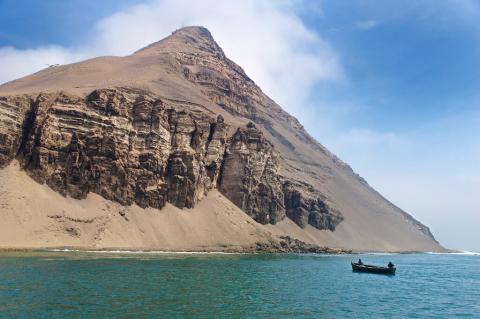
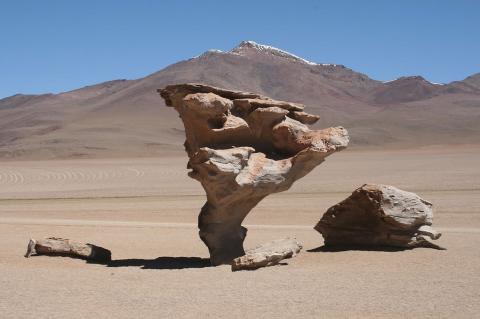
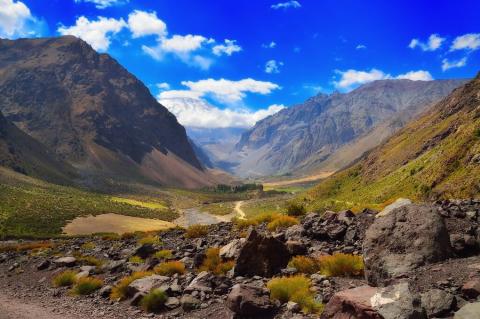
Nestled amidst the rugged and arid landscapes of the Cuyo region in central Argentina, the Ischigualasto and Talampaya Natural Parks emerge as awe-inspiring monuments to the Earth's ancient past, offering a glimpse into the distant worlds of the Triassic Period. These two adjoining protected areas, spanning an expansive pristine wilderness, form a UNESCO World Heritage Site recognized and celebrated for their profound geological and paleontological significance.

Isla Magdalena National Park: A Patagonian Treasure

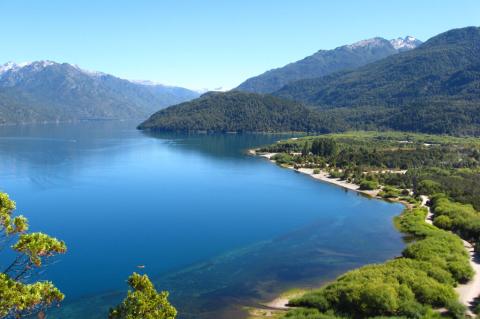
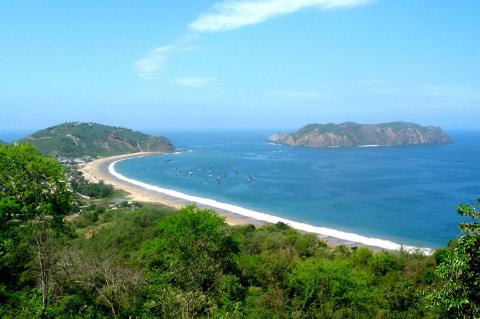
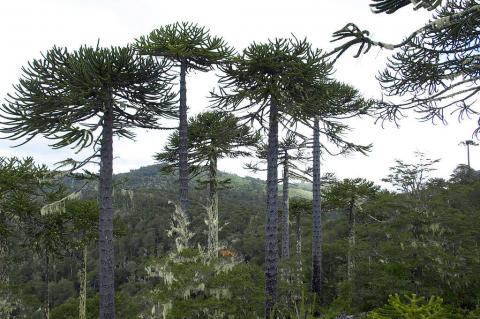
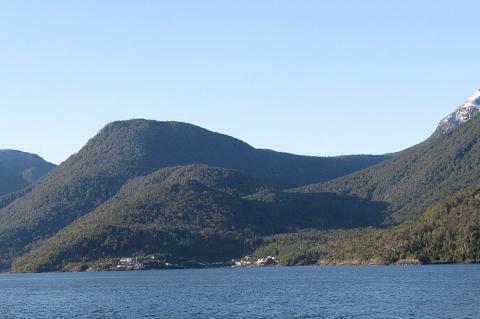
Isla Magdalena National Park, located in Chile's Aysén Region, is a pristine wilderness showcasing southern Patagonia's rugged beauty and biodiversity. The park encompasses approximately 80% of Magdalena Island, one of the largest islands south of Chiloé, making it a significant protected area within the region. Dominated by the extinct Montalat volcano, the island's varied landscapes, rich ecosystems, and cultural history make it an essential destination for nature enthusiasts and conservationists.
Islands in the Sky: Venezuela's Gran Sabana

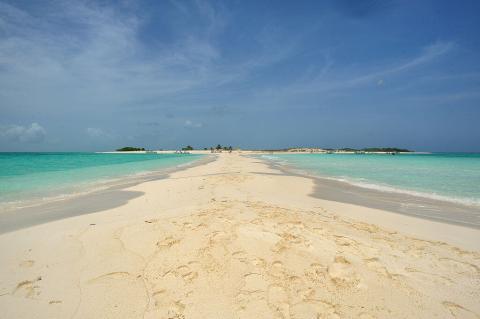
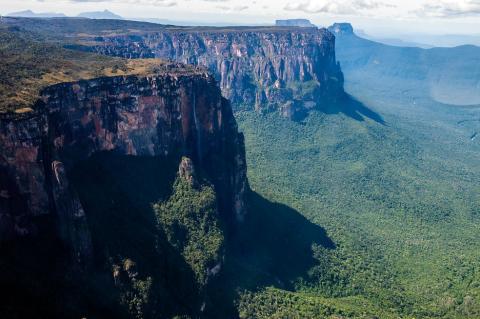
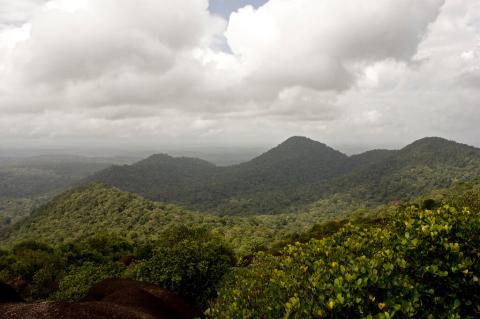
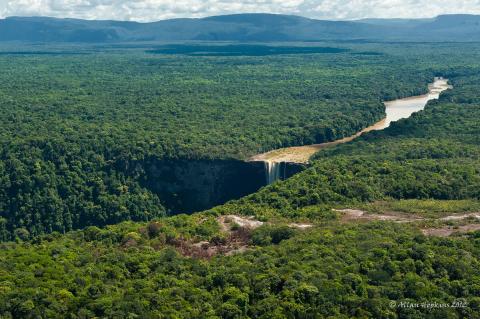
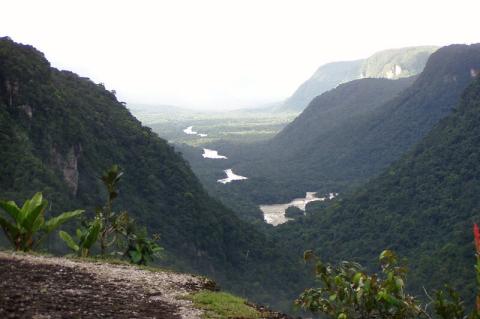
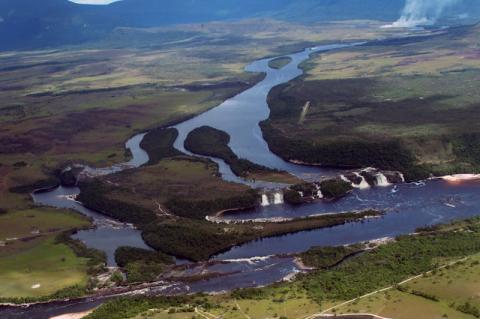
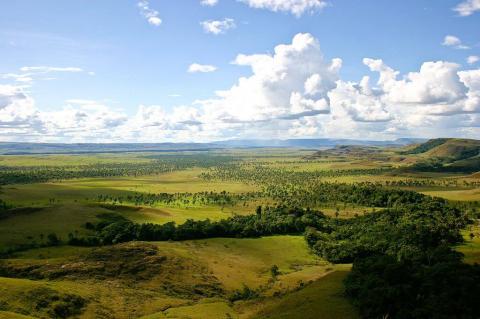
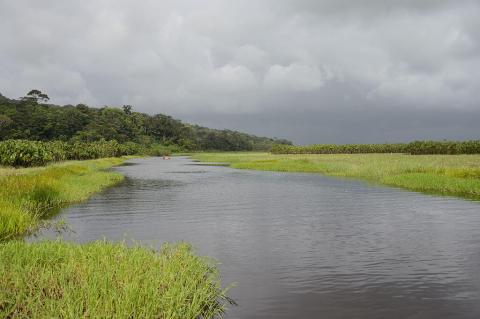
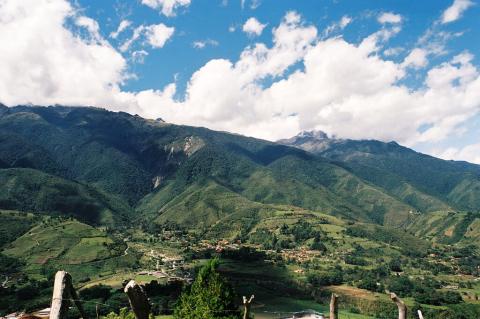
La Gran Sabana is a vast plateau in southeastern Venezuela within Canaima National Park, part of the Guiana Shield. It features spectacular tepuis—isolated tabletop mountains with sheer cliffs above savannas—and hosts over 4,800 plant species, including many endemic and carnivorous plants. The Pemon people have lived here for millennia, and landmarks like Mount Roraima and Angel Falls highlight its ancient, unique landscape, facing threats from fire, mining, and climate change.
Itaipu: Powering Progress, Preserving Nature

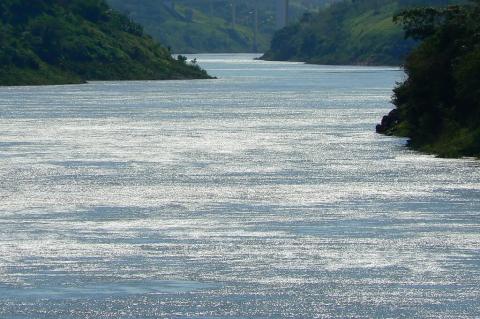
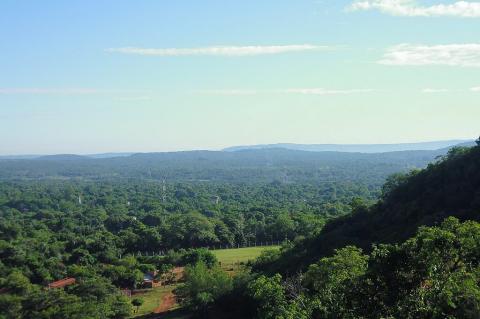
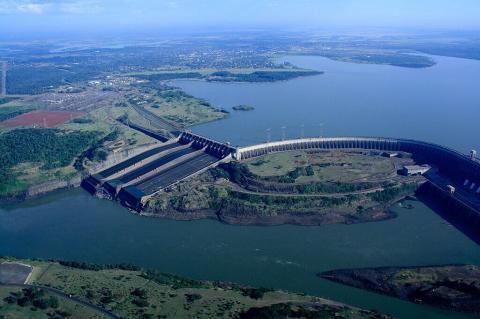
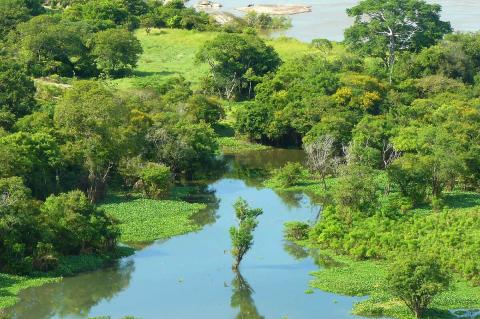
The Itaipu Dam, a colossal feat of engineering, is situated on the Paraná River at the border of Brazil and Paraguay. Recognized as one of the largest hydroelectric power plants in the world by installed capacity, Itaipu serves as a critical energy source for both nations while symbolizing international cooperation and technological achievement. The Itaipu Reservoir, created by the dam, stretches across a vast area, supporting energy production, water management, and biodiversity.

Itatiaia National Park: Brazil's First and Finest Natural Sanctuary

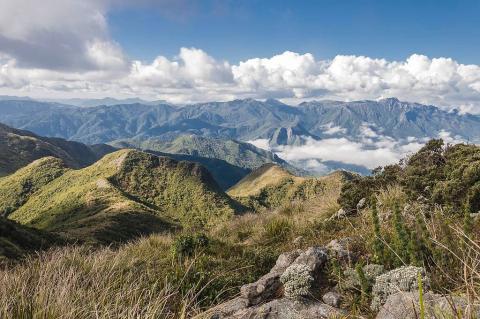
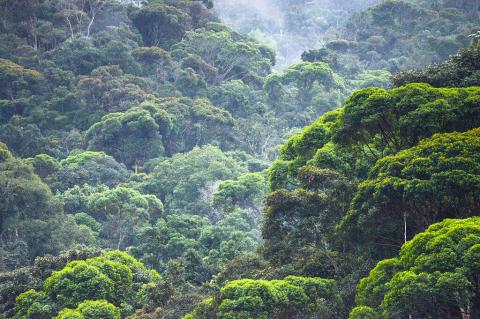
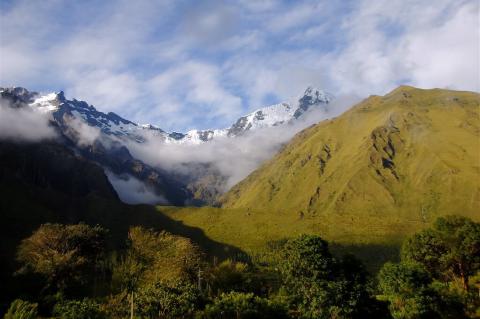
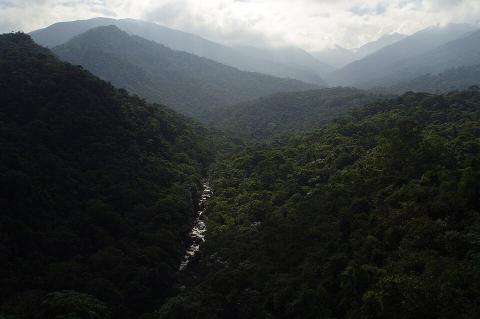
Itatiaia National Park, Brazil's first, offers a glimpse into the country's rich biodiversity and stunning landscapes. Nestled in southeastern Brazil, straddling the states of Rio de Janeiro and Minas Gerais, Itatiaia is a testament to conservation efforts and the natural beauty of the Atlantic Forest and high mountain plains. Exploring the park's history, geography, ecological significance, and diverse flora and fauna reveals its unique value and allure.

Jalapão State Park: Brazil's Oasis of Natural Beauty

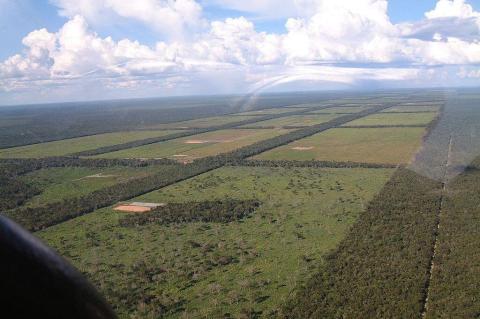
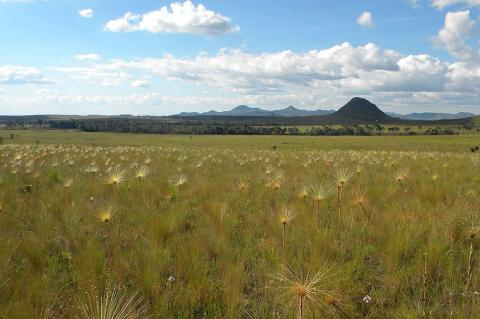
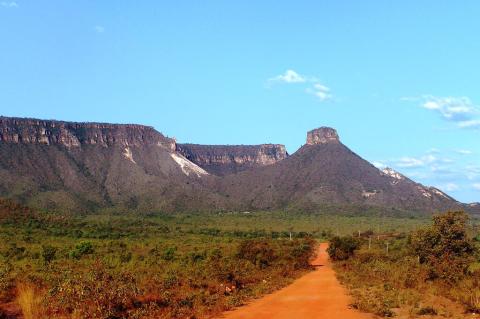
Jalapão State Park, nestled in the heart of Brazil's Tocantins state, is a testament to the country's rich natural heritage. This expansive protected area, renowned for its unique landscapes and biodiversity, attracts adventurers and nature enthusiasts from around the globe. Located within the Cerrado biome, the park conserves Brazil's natural heritage, serving as a sanctuary for endangered species and fragile ecosystems.

Jaú National Park: A Vast and Untouched Amazonian Wilderness

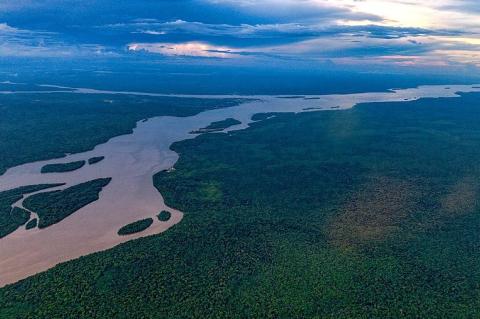
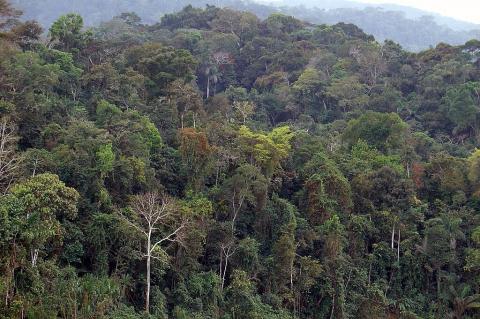
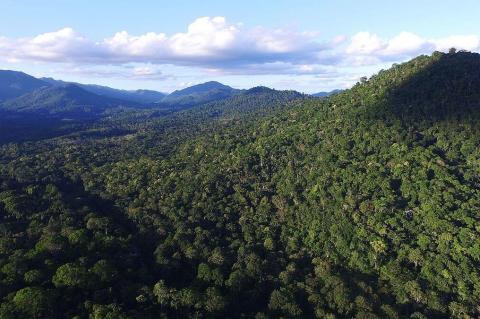
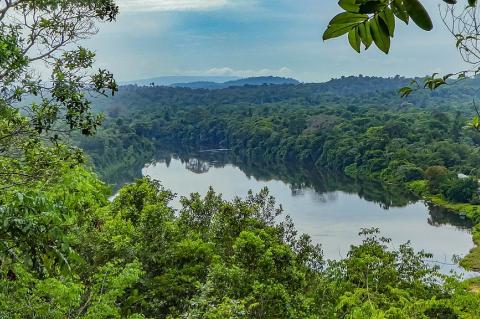
Jaú National Park is one of Brazil's largest and most pristine protected areas in the heart of the Amazon rainforest. Situated in the Amazonas region of northwestern Brazil and recognized as a UNESCO site, Jaú National Park forms part of the Central Amazon Conservation Complex. This vast ecological corridor supports one of the richest biodiverse environments on Earth. This park offers an invaluable refuge for countless species of flora and fauna while playing a crucial role in global conservation efforts.

Jesuit Missions of Paraguay: La Santísima Trinidad de Paraná and Jesús de Tavarangue

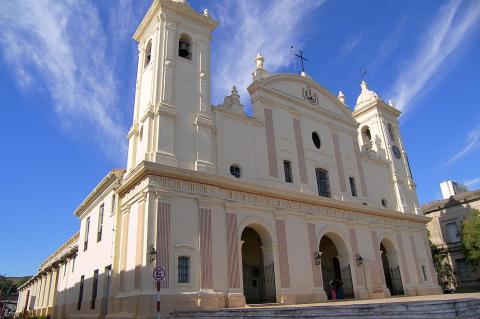
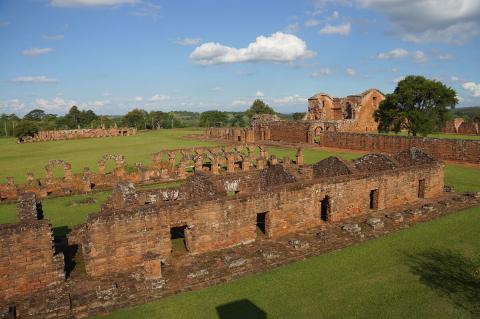
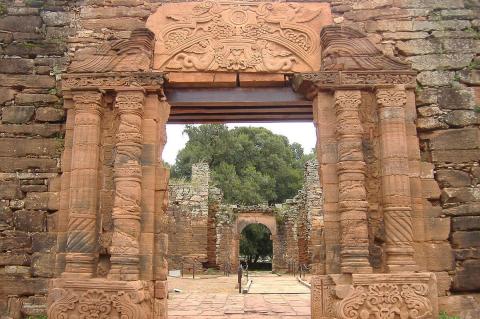
The Jesuit Missions in Paraguay, established during the 17th and 18th centuries, are powerful symbols of the Society of Jesus's efforts to integrate European religious and cultural practices with those of the indigenous Guaraní people. Through a policy of cultural accommodation, these missions blended European Baroque artistry with indigenous traditions, resulting in a unique Guaraní Baroque style that is still admired today. These missions also became centers for education, arts, and economic development, marking a transformative era in South America's history.

Jesuit Missions of the Guaranis: A Cultural Convergence in South America

The Jesuit Missions of the Guaranis, located in Argentina and Brazil, showcase the convergence of European and indigenous cultures during the 17th and 18th centuries. These settlements, founded by the Society of Jesus, aimed to Christianize and integrate the Guaraní people into a religious and cultural system that remains a testament to harmonious coexistence. This chapter of history is marked by remarkable architecture, cultural exchange, and a legacy that has earned recognition as a UNESCO World Heritage Site.

Jodensavanne Archaeological Site: A Glimpse into Suriname's Jewish History

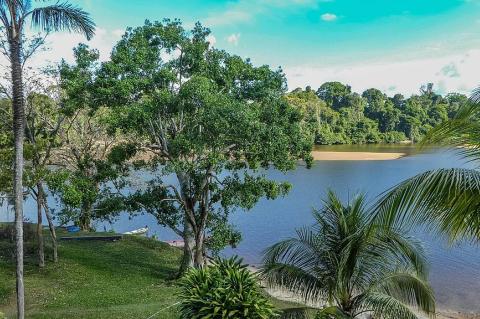
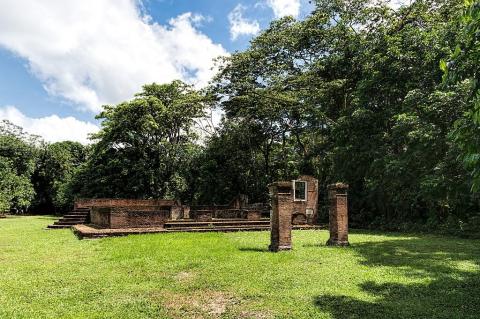
Nestled within the tropical forests of Suriname lies Jodensavanne, a settlement that tells the story of one of the earliest Jewish communities in the Americas. This historic site, established in the 17th century, offers a fascinating glimpse into the lives of Jewish settlers who sought refuge and opportunity in the New World. Along with the nearby Cassipora Creek Cemetery, Jodensavanne stands as a testament to the enduring cultural and religious legacy of the Jewish community in the region.