South America

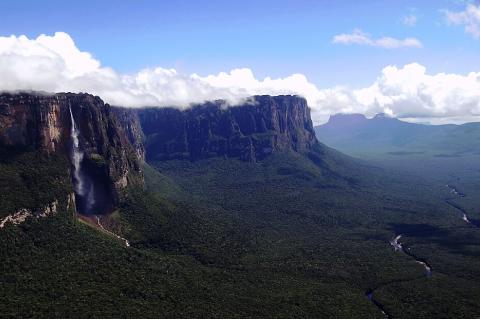
Guardians of the Sky: The Majestic Mount Roraima and Pacaraima Mountains

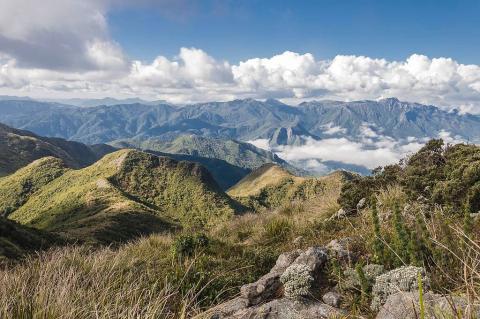
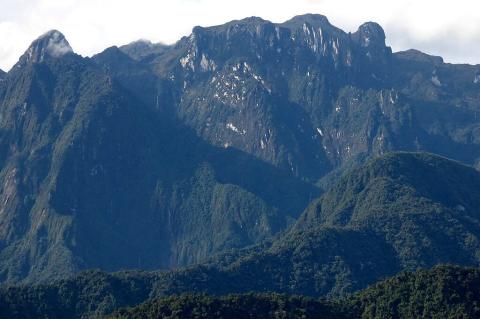
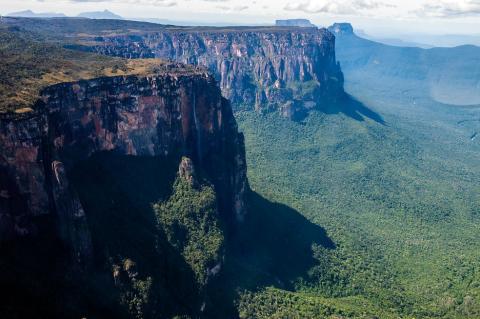
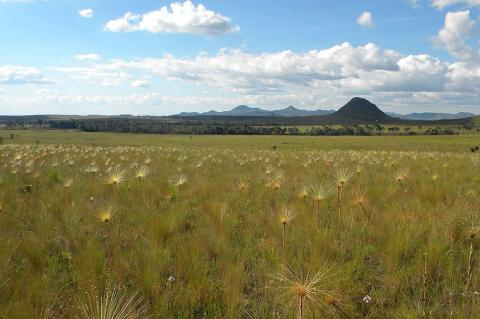
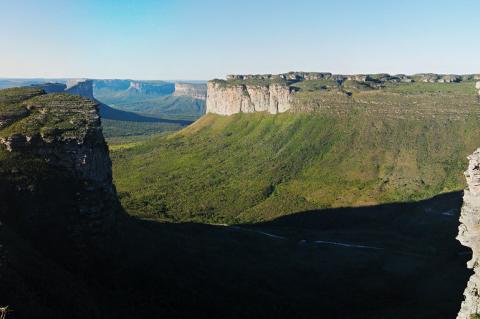
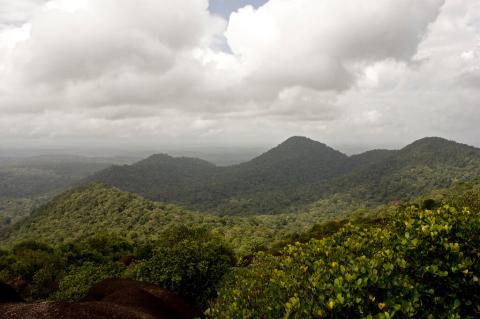
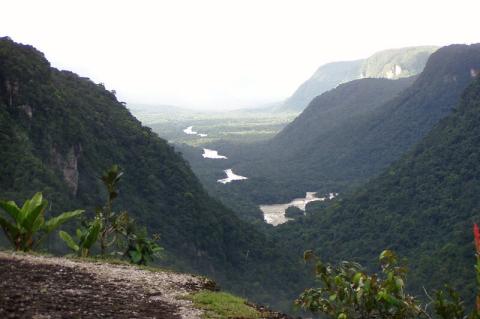
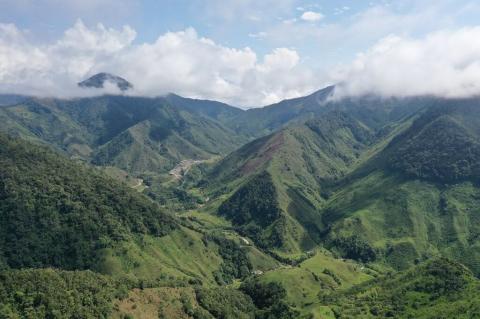
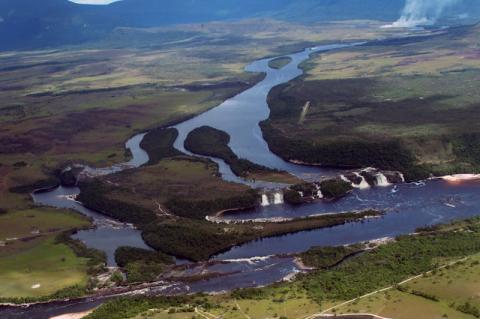
Mount Roraima and the Pacaraima Mountains represent some of South America's most awe-inspiring and geologically significant landscapes. With their unique ecosystems and dramatic geological features, these towering tepui plateaus hold a central place in the natural heritage of Venezuela, Guyana, and Brazil. Their geographical, ecological, and cultural significance highlights their unique characteristics and the rich biodiversity they support.
Guatemala City: A Vibrant Capital at the Heart of Central America

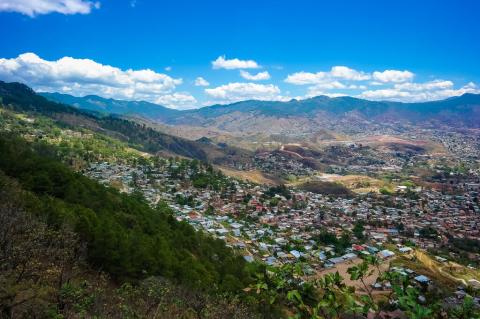
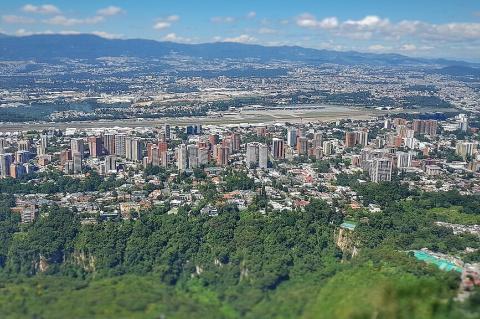
Guatemala City, the vibrant capital of Guatemala, is a cultural and economic hub in Central America. Rich in history, it blends ancient traditions with modern urban life. As the largest city in the region, it plays a key role in shaping the nation’s future while preserving its unique heritage. With skyscrapers alongside centuries-old ruins and a mix of Indigenous, colonial, and contemporary influences, the city reflects the spirit of a nation balancing its past and future.

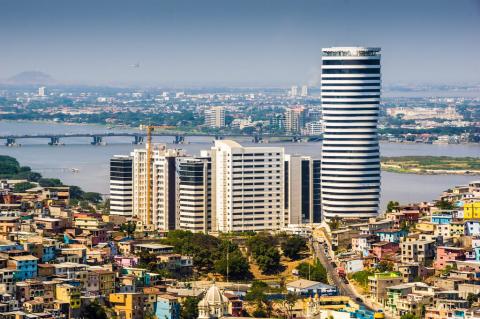
Guayaquil: Ecuador’s Port City of Culture and Commerce

In the heart of South America, nestled along the scenic Guayas River and just a short distance from the Pacific Ocean, lies Guayaquil, Ecuador's largest city and most vital commercial hub. Known as "La Perla del Pacífico" or "The Pearl of the Pacific," Guayaquil has played a defining role in Ecuador's history, economy, and cultural evolution. Its strategic location has established it as Ecuador's principal port city, linking the nation to international trade routes and facilitating the flow of goods, ideas, and people from around the globe.

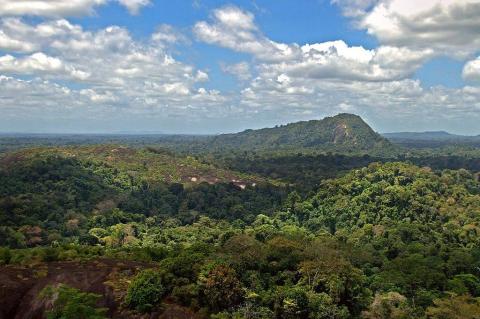
Guiana Highlands: Islands in the Sky, Emerald Heart of a Continent

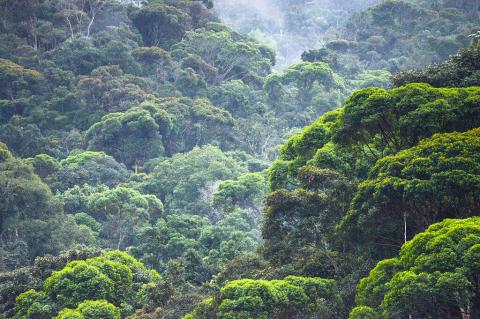
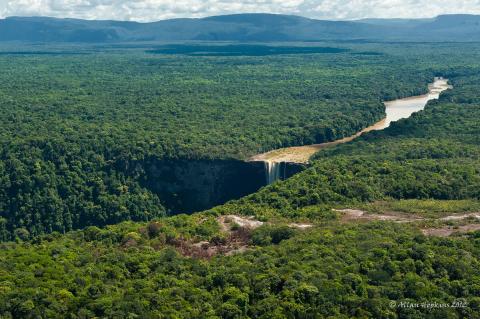
Nestled within the ancient Guiana Shield, the Guiana Highlands are a dramatic and biodiverse realm that extends across the southern half of Venezuela, encompassing the Guianas (Guyana, Suriname, and French Guiana), the northern reaches of Brazil, and the southeasternmost portions of Colombia. This expansive region covers an impressive area, forming a sprawling and captivating canvas of undulating lowlands, densely forested slopes, and the iconic, towering plateaus that define its character.

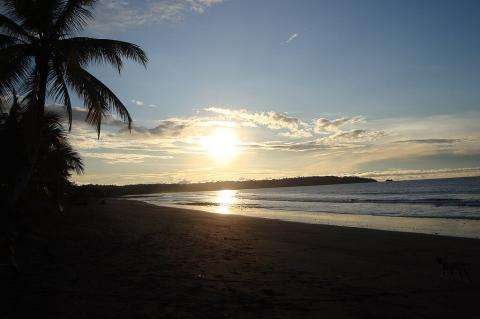
Gulf of Tribugá: Colombia's Hidden Ecological and Cultural Gem

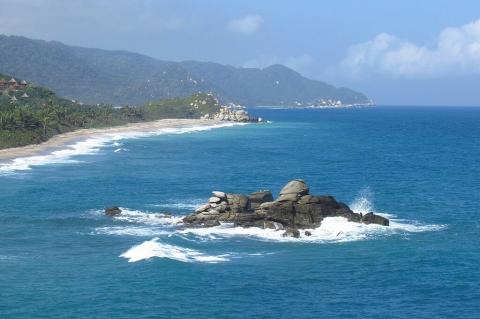
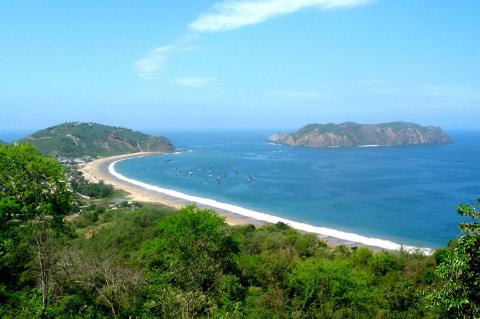
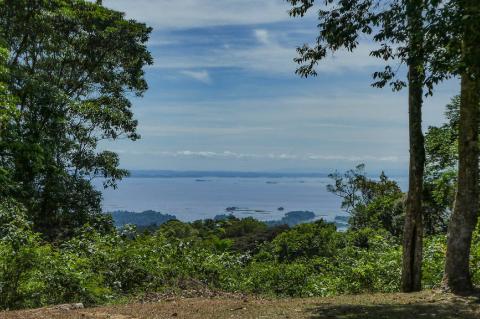
The Gulf of Tribugá is an unspoiled paradise on Colombia's Pacific coast, offering stunning landscapes, diverse biodiversity, and traditional communities. The Tribugá-Cupica-Baudó Biosphere Reserve, created to conserve the region's rich biodiversity and cultural heritage, fosters sustainable development and community involvement.
Gurupá Várzea: A Transition Zone Between River and Forest

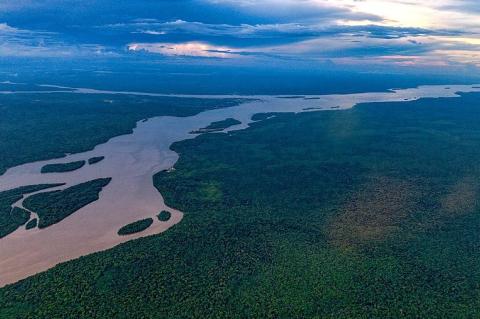
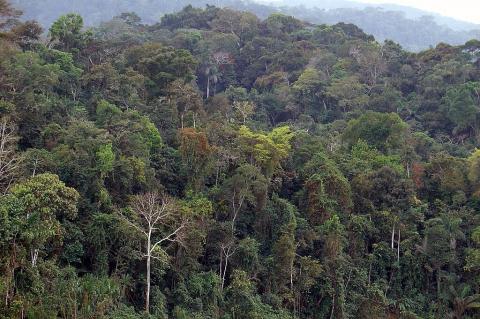
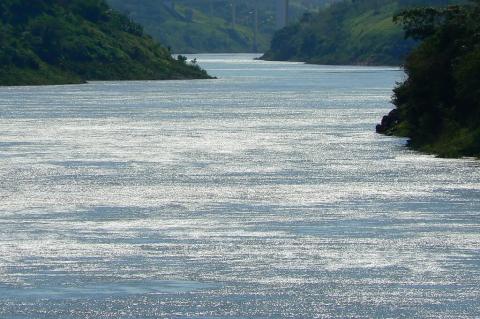
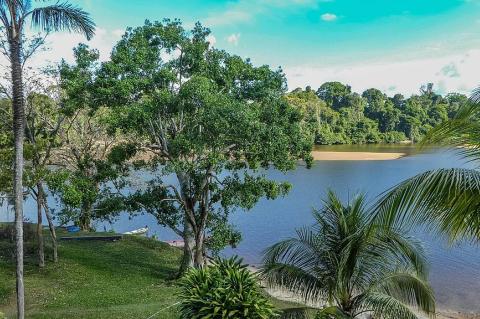
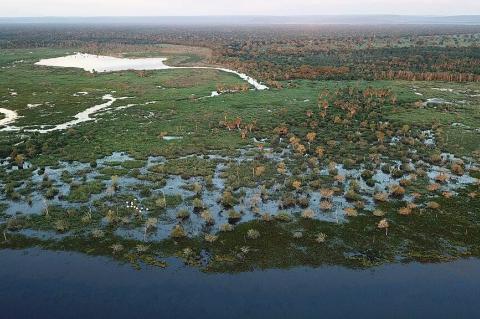
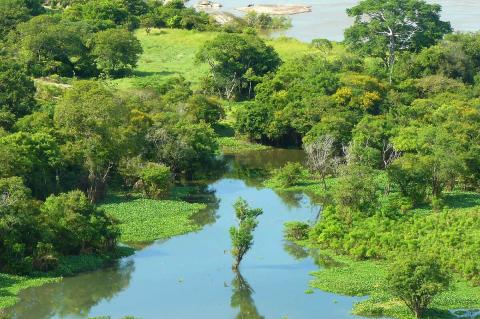
The Gurupá várzea is a remarkable ecoregion within the Amazon biome, defined by its seasonal flooding and lush forests along the lower Amazon River. Situated between the Tapajós and Xingu rivers, this várzea covers a vast area and plays a crucial ecological role in the region. It is a transitional zone between moist forest ecoregions, connecting the Tapajós-Xingu moist forests to the south with the Uatuma-Trombetas moist forests to the north.

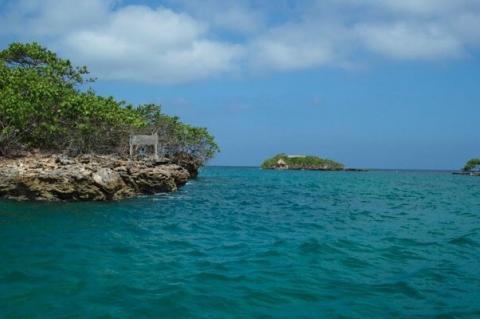
Hidden Treasures of the Caribbean: The Rosario and San Bernardo Islands

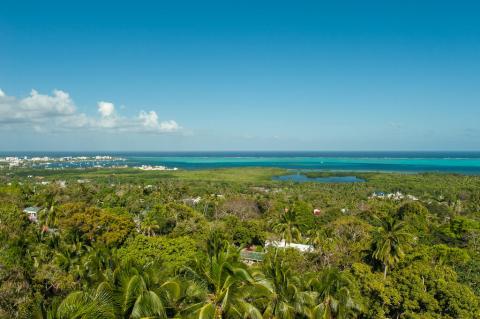
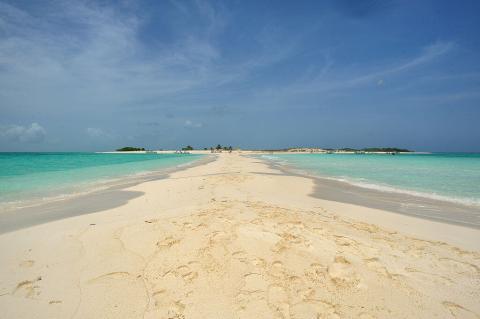
The Rosario and San Bernardo Islands, situated off Colombia's Caribbean coast, are a stunning collection of small islands renowned for their natural beauty and biodiversity. These islands, surrounding coral reefs, and underwater ecosystems form the Rosario and San Bernardo Corals National Natural Park. The islands and their ecosystems support a wide variety of marine life and serve as popular tourist destinations due to their pristine beaches and vibrant underwater landscapes.

Historic Town of Ouro Preto: The Heart of Brazil's Colonial Heritage

Nestled within the Brazilian Highlands, the historic town of Ouro Preto in Minas Gerais is a testament to Brazil's rich colonial history and architectural grandeur. This UNESCO World Heritage site is renowned for its well-preserved colonial architecture, cultural heritage, and artistic legacy. Founded in 1698 and once the capital of Minas Gerais, Ouro Preto played a pivotal role during the Brazilian Gold Rush, transforming it into a prosperous center of wealth and culture.

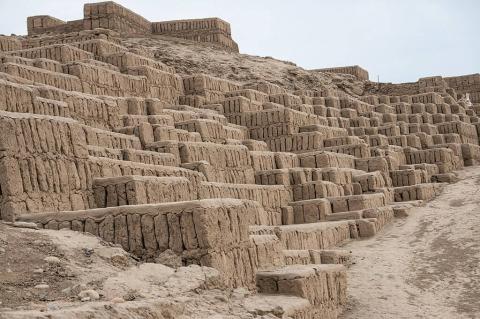
Huaca Pucllana: Exploring Lima's Ancient Ceremonial Center and Cultural Legacy

In the heart of Lima, Peru's bustling capital, lies a remarkable archaeological treasure – Huaca Pucllana, an ancient adobe pyramid and ceremonial center that is a testament to the region's rich cultural heritage. Once a bustling hub of religious and administrative activities for the Lima Culture, this site has become one of Metropolitan Lima's main tourist attractions and the city's most extensively investigated archaeological site.

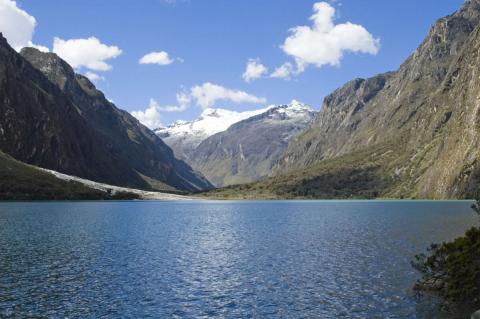
Huascarán National Park: A Sanctuary of Biodiversity and Human History

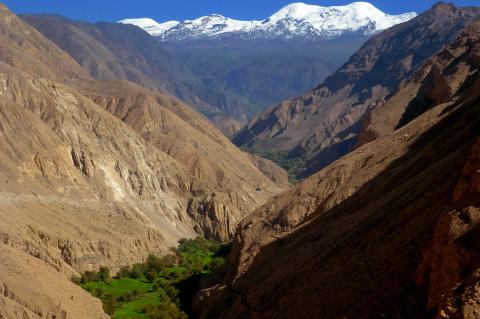
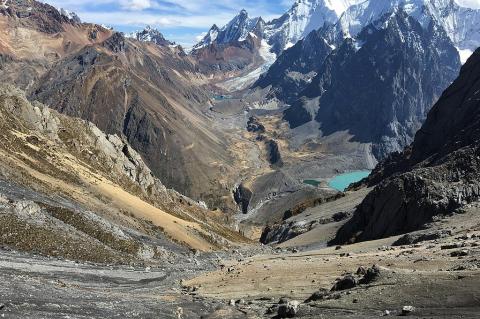
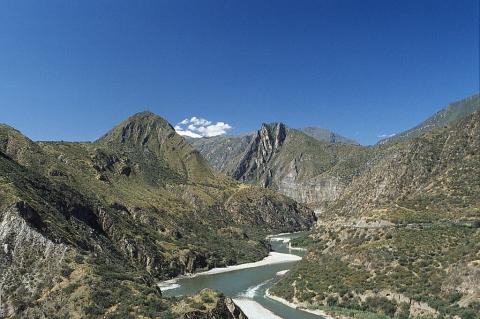
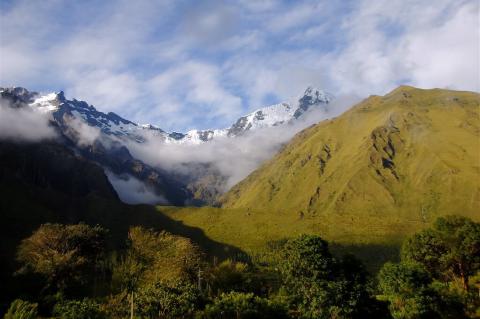
Huascarán National Park and its extension as the Huascarán Biosphere Reserve, located in the Ancash region of Peru, are natural sanctuaries and cultural treasures. Spanning an extensive area, the park and reserve are strategically positioned along the Cordillera Blanca, the world's highest tropical mountain range. This area is significant for its breathtaking landscapes and diverse ecosystems and its rich cultural heritage.