South America

Guamblin Island: Conservation and Biodiversity in Chile's Hidden Paradise

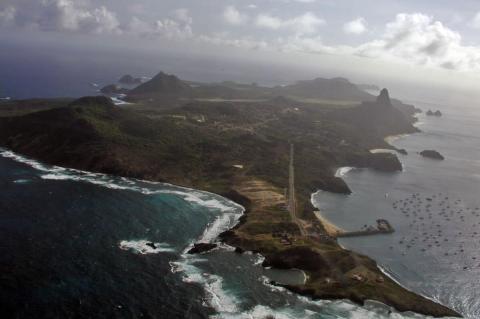
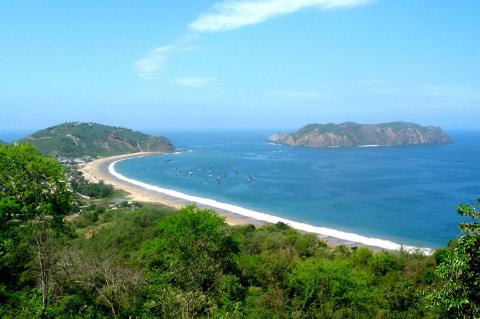
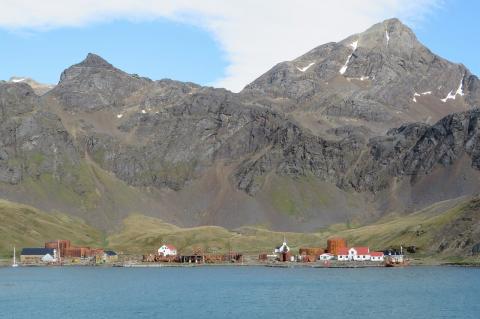
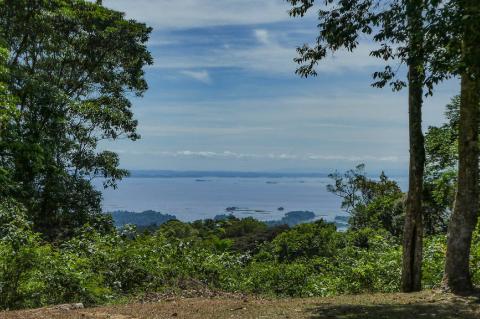
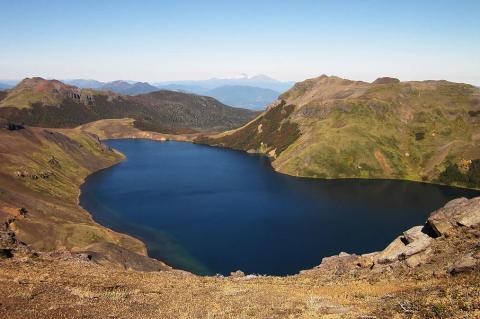
Nestled in the remote southern reaches of Chile, Guamblin Island National Park is a sanctuary of pristine natural beauty and ecological significance. Covering the entirety of Guamblin Island, this national park is a haven for diverse flora and fauna, some of which are found nowhere else on Earth. This exploration delves into the geographical features, biodiversity, climatic conditions, and conservation efforts that make Guamblin Island a unique and vital part of Chile's natural heritage.

Guanabara Bay: A Deep Dive into Brazil's Iconic Coastal Treasure

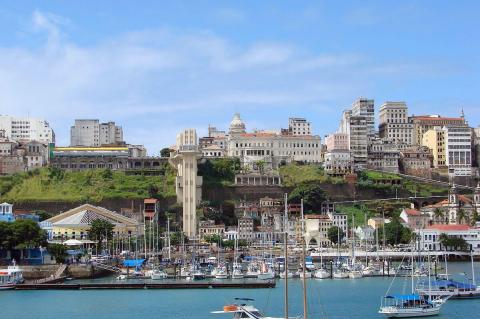
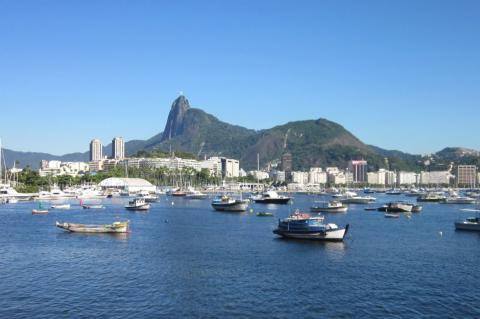
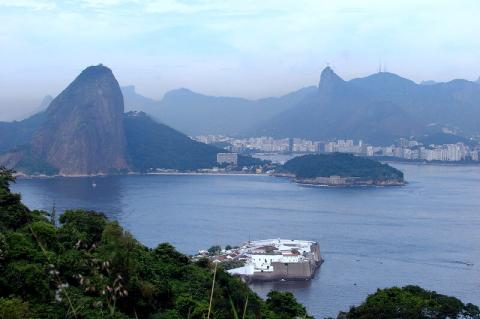
Guanabara Bay in Southeast Brazil is a historically significant coastal landmark. Situated in Rio de Janeiro, it's known for its natural beauty, strategic importance, and bustling life along its shores. Despite being overshadowed by Rio de Janeiro, the bay holds a rich history and ecological significance that warrant closer examination. This overview explores its geographical features, historical context, ecological challenges, and role in Brazil's cultural and economic landscape.
Guardians of the Amazon: The Central Amazon Conservation Complex

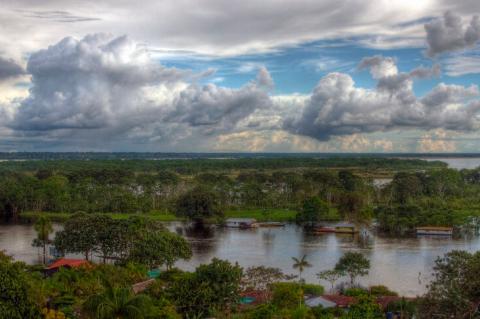
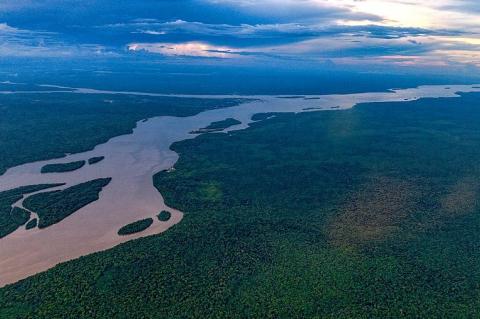
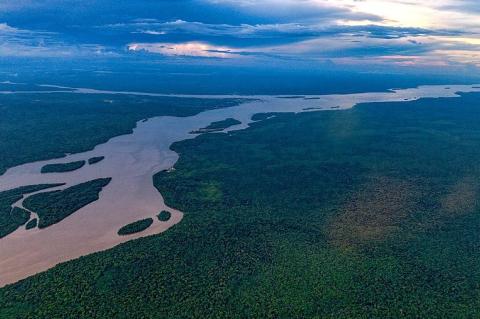
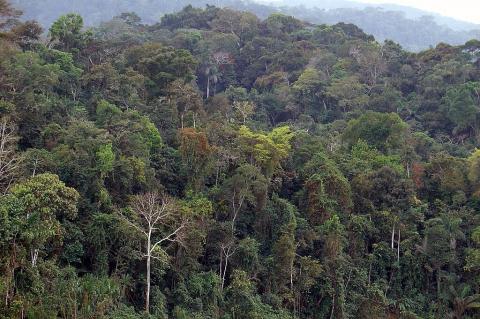
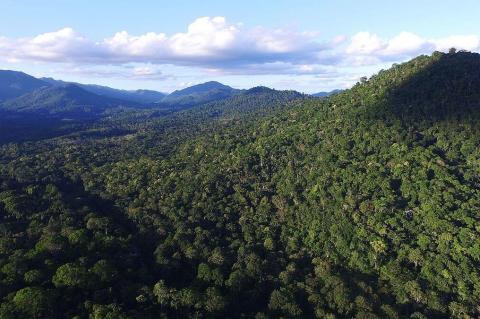
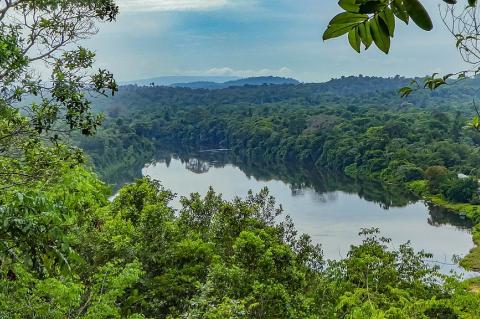
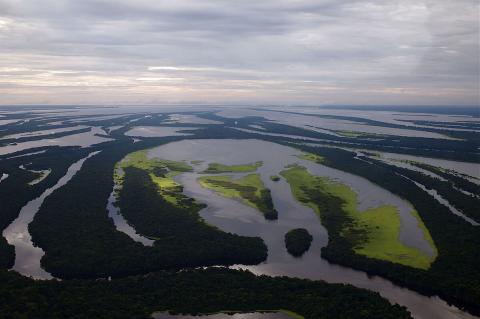
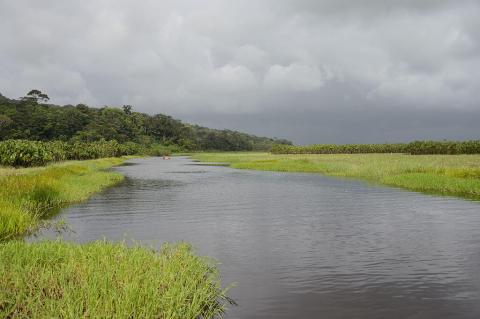
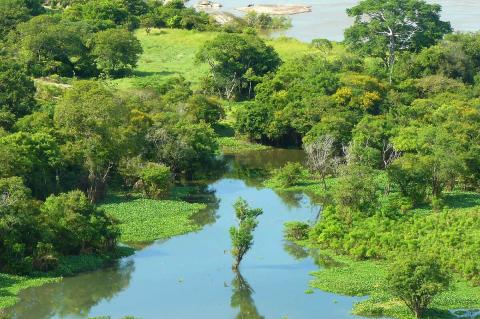
The Central Amazon Conservation Complex is one of Earth's largest and most biologically diverse protected areas. It is located in the heart of the Amazon Basin, west-northwest of Manaus, Brazil; the complex forms the core of the Central Amazon Ecological Corridor. This vast area encompasses some of the most critical ecosystems in Amazonia, representing a wide array of flora and fauna, including numerous endangered and endemic species. This UNESCO World Heritage Site is essential in preserving the ecological integrity of the world's largest tropical rainforest.
Guardians of the Andes: Exploring Villarrica National Park

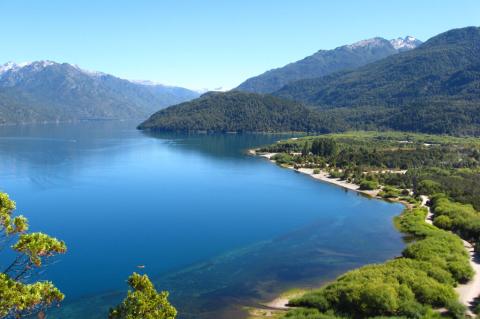
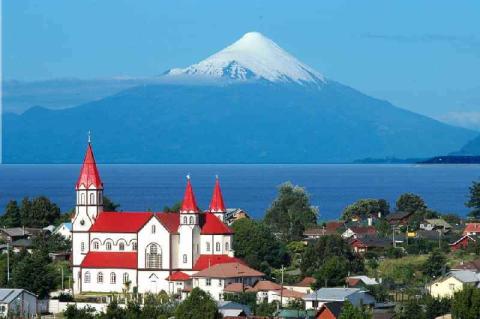
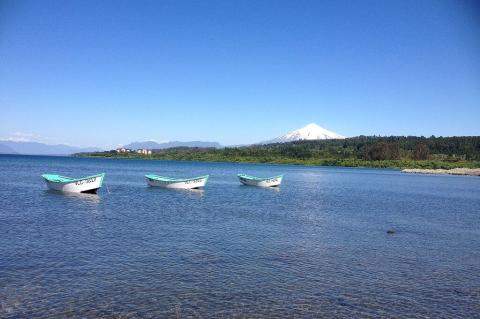
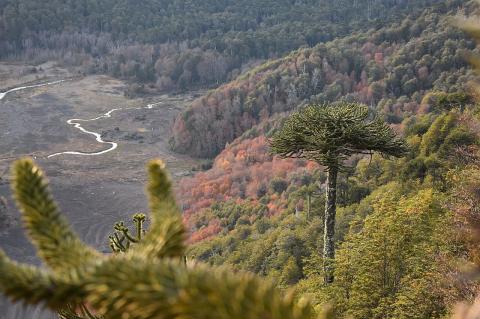
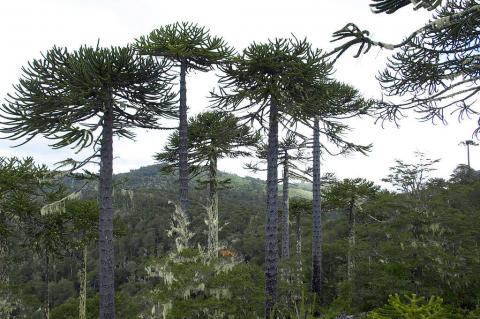
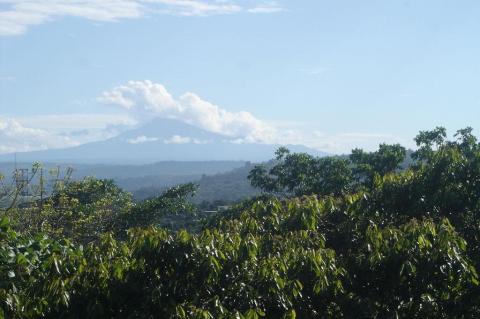
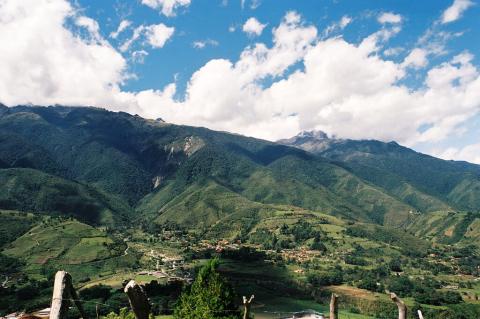
Villarrica National Park, nestled in the Chilean Andes, straddles the regions of La Araucanía and Los Ríos in southern Chile. Renowned for its majestic volcanoes, lush temperate rainforests, and scenic lakes, the park is a haven for diverse flora and fauna. Volcanic activity and abundant rainfall shape its dramatic landscapes. The park's protection of unique ecosystems has also earned it a place within the Bosques Templados Lluviosos de los Andes Australes Biosphere Reserve.

Guardians of the Andes: South America's Ice Fields and Mountain Glaciers

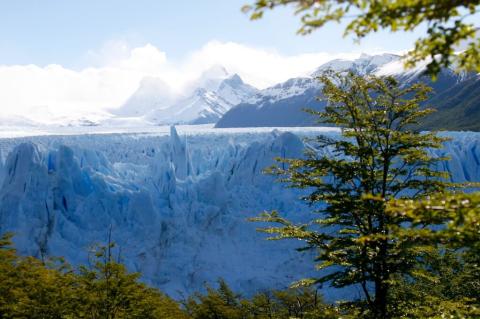
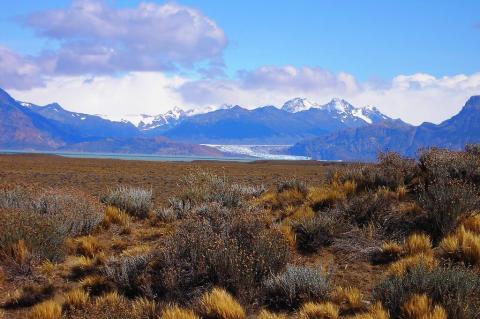
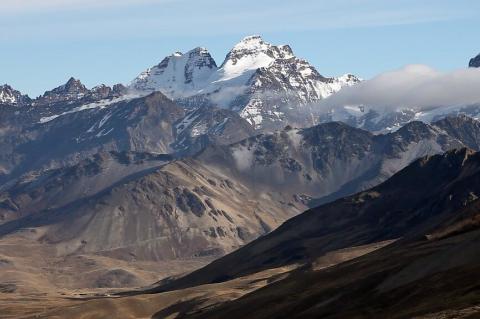
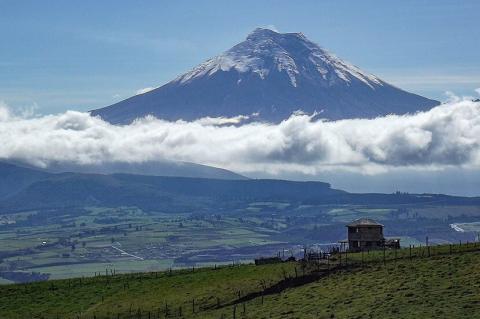
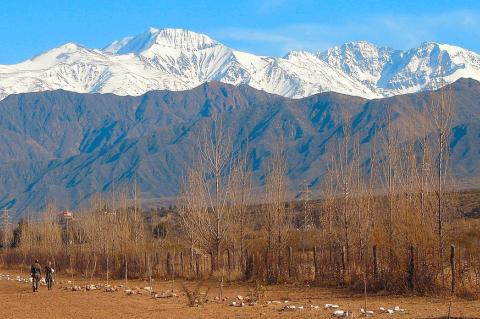
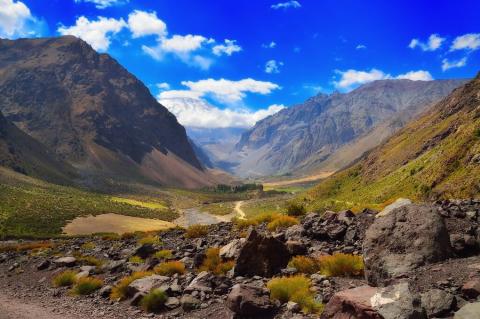
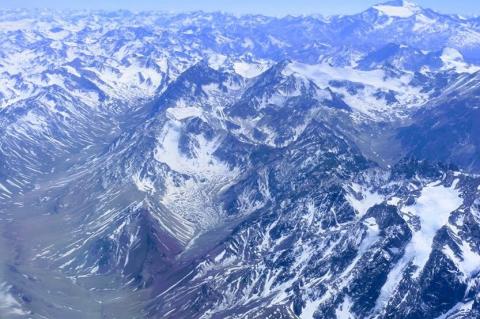
South America hosts one of the world's most extensive and diverse glacial systems outside of Antarctica and Greenland, containing approximately 99% of all tropical glaciers on Earth, as well as some of the largest temperate ice fields in the Southern Hemisphere. Stretching along the spine of the Andes Mountains, this remarkable glacial network encompasses nearly every type of glacial environment found on the planet. South America's glaciers are a critical component of the global cryosphere, serving as vital freshwater reservoirs for hundreds of millions of people.

Guardians of the Andes: The Eastern Cordillera Real Montane Forests

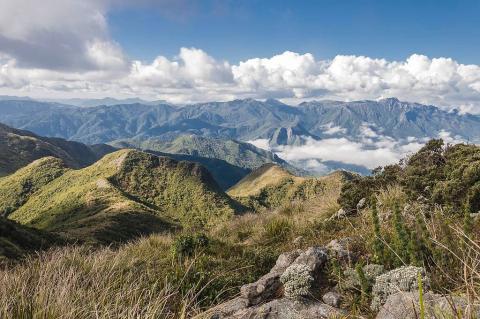
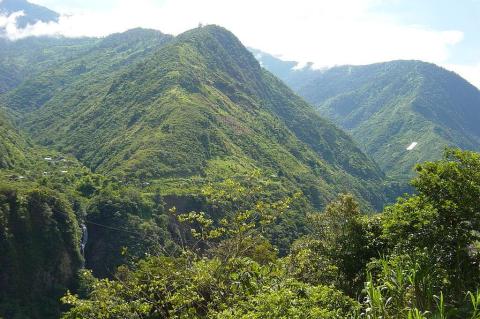
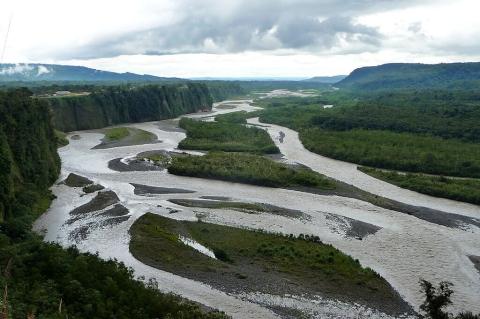
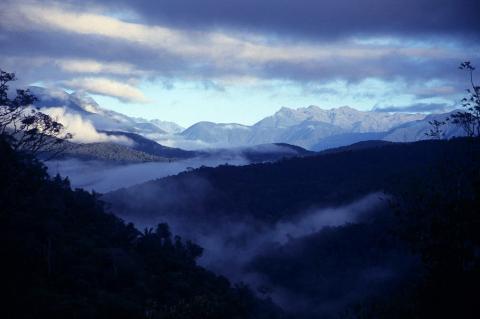
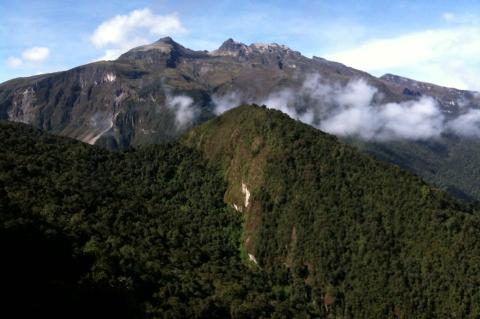
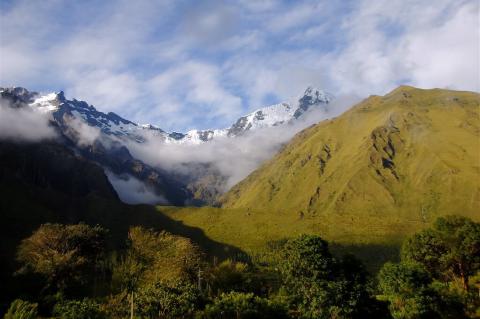
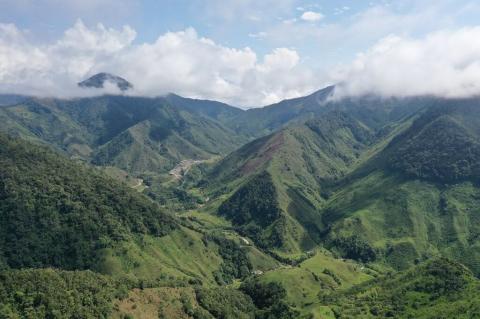
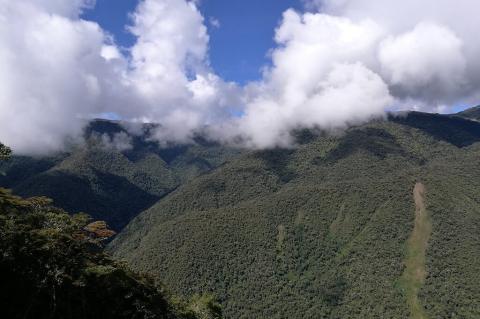
The Eastern Cordillera Real Montane Forests in Ecuador, Peru, and Colombia are a unique and vital ecoregion in the Andes Mountains known for its high biodiversity and diverse microclimates. It is part of the larger Tropical Andes biodiversity hotspot and faces conservation challenges due to human activities and climate change, making it a focal point for preservation efforts.

Guardians of the Drylands: The Cauca Valley Dry Forests of Colombia's Tropical Andes

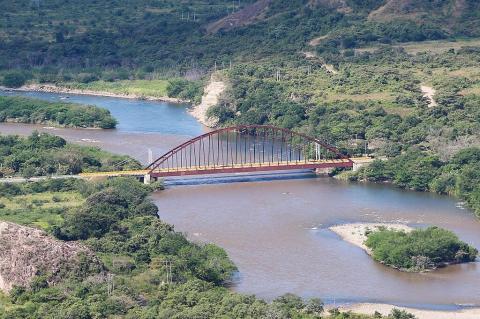
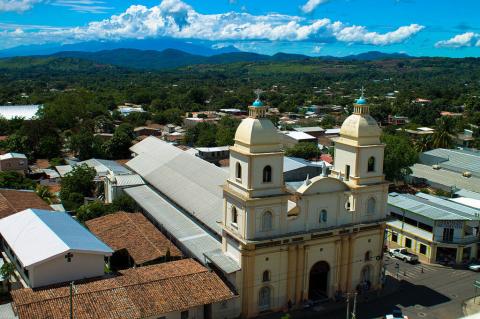
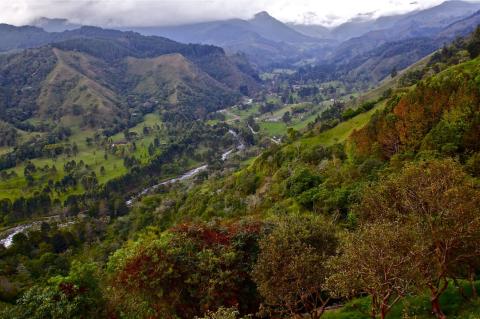
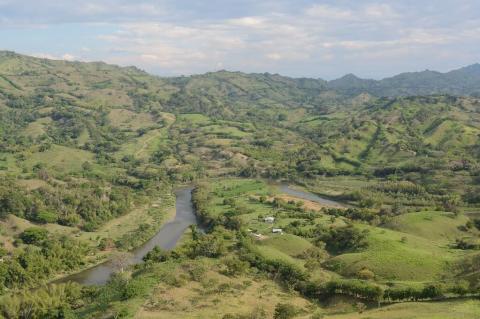
The Cauca Valley dry forests in Colombia are part of the Tropical Andes Biodiversity Hotspot, one of Earth's most biologically diverse regions. This ecoregion is characterized by its distinct dry climate, varied topography, and a remarkable array of flora and fauna. Despite its ecological importance, the Cauca Valley dry forests face significant threats from human activities and environmental changes.

Guardians of the Green: Pernambuco's Coastal and Interior Forests

The Brazilian state of Pernambuco, located in the northeastern part of the country, is home to two distinct but ecologically significant ecoregions: the Pernambuco Coastal Forests and the Pernambuco Interior Forests. These ecoregions are vital to Brazil's Atlantic Forest, one of the world's most diverse and endangered ecosystems. Characterized by unique flora and fauna, these forests are crucial for biodiversity conservation, climate regulation, and sustaining local communities.

Guardians of the Guiana Shield: The Central Suriname Nature Reserve

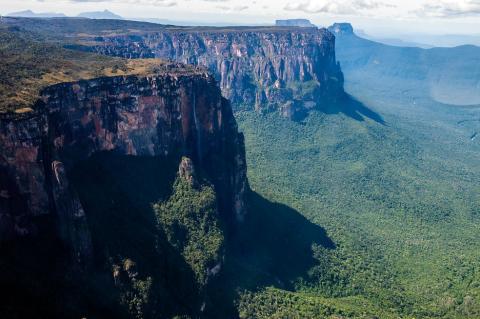
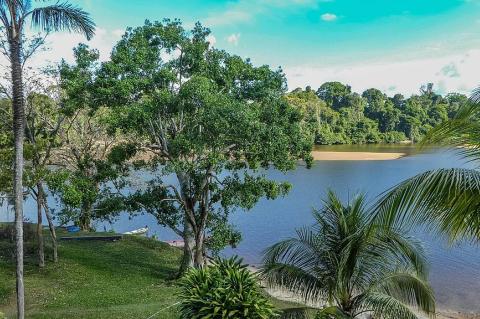
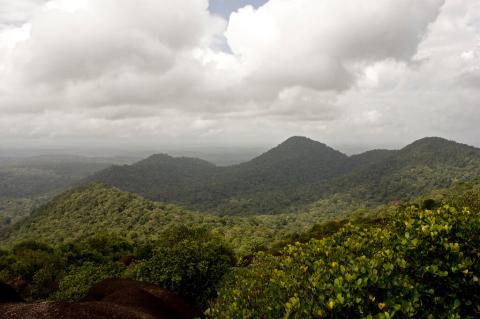
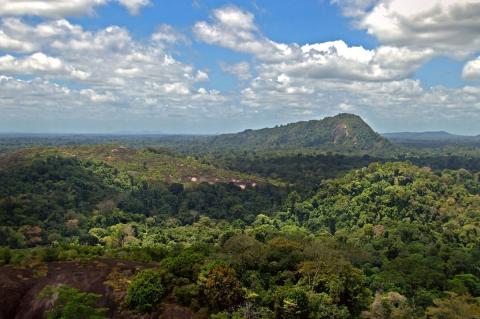
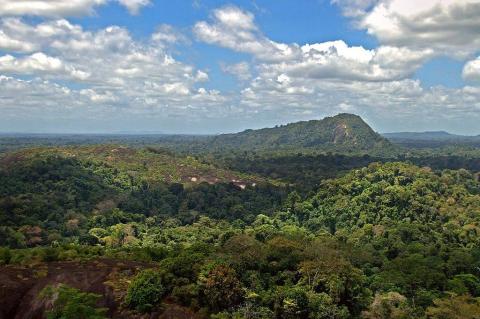
The Central Suriname Nature Reserve is a pristine expanse of tropical wilderness in west-central Suriname, representing one of the largest protected areas in the world. This vast reserve links three preexisting nature reserves—Raleighvallen, Eilerts de Haan, and Tafelberg—creating an ecological sanctuary of immense significance. Covering approximately eleven percent of Suriname's national territory, the Central Suriname Nature Reserve is a haven for biodiversity and a living testament to the region's rich natural and cultural heritage.

Guardians of the Rainforest: Indigenous Cultures of the Amazon

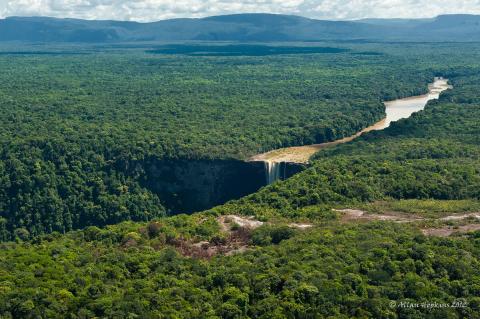
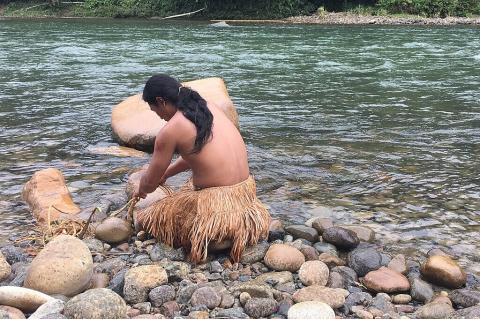
For thousands of years, the Amazon Basin has been home to diverse Indigenous societies that have adapted to one of the most complex and challenging ecosystems on Earth. These groups, spread across present-day Brazil, Peru, Colombia, Venezuela, Ecuador, Bolivia, Guyana, Suriname, and French Guiana, developed sophisticated systems of agriculture, resource management, and cultural expression. Their ways of life have been deeply intertwined with the rainforest, making them the guardians of its biodiversity.