South America

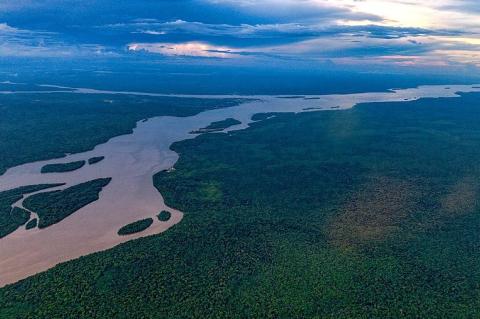
Exploring the Guianas: Unveiling Caribbean South America

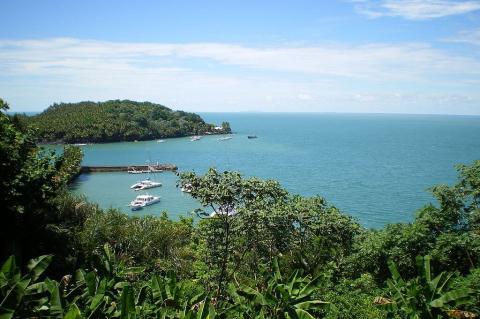
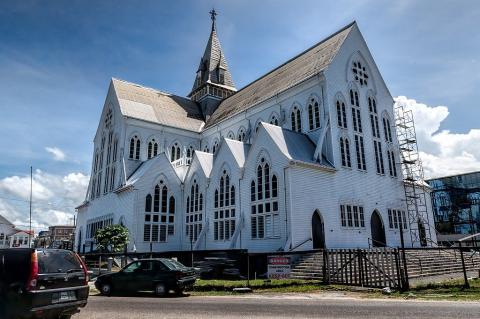
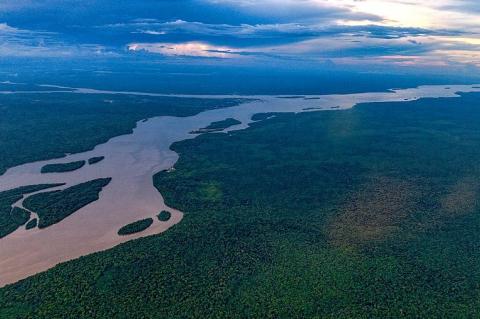
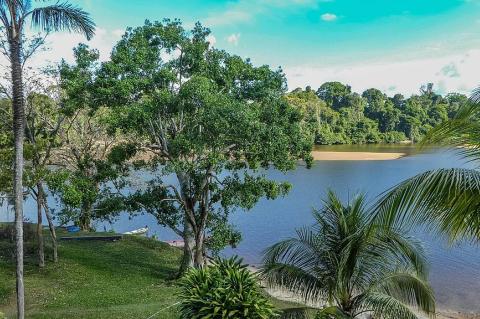
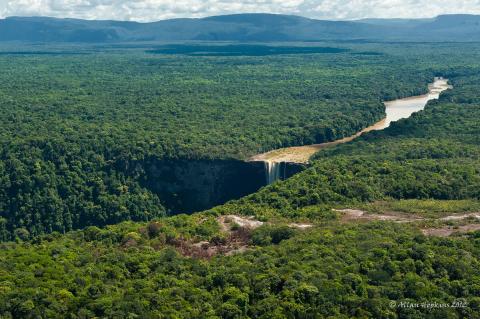
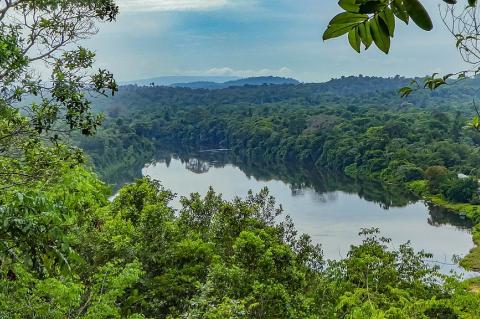
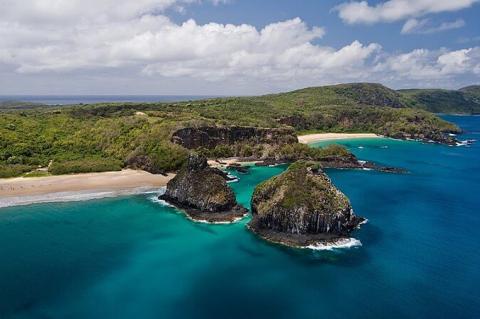
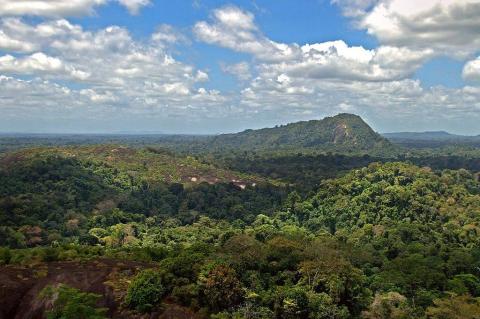
Nestled along the north-central coast of South America, the Guianas—comprising French Guiana, Guyana, and Suriname—are a vibrant tapestry of cultural diversity and ecological abundance. These territories invite adventurers to explore their pristine landscapes and rich heritage. The Guianas offer seemingly untouched landscapes and centuries-old traditions, making them an awe-inspiring testament to the resilience of their people and the beauty of their natural surroundings.
Exploring the Gulf of Venezuela and the Guajira Peninsula

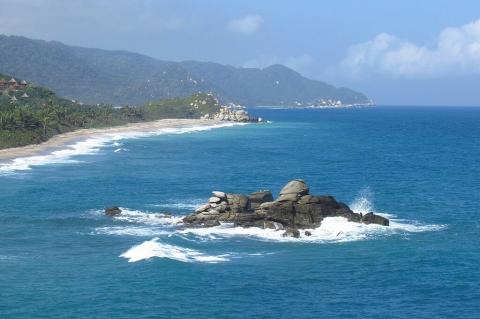
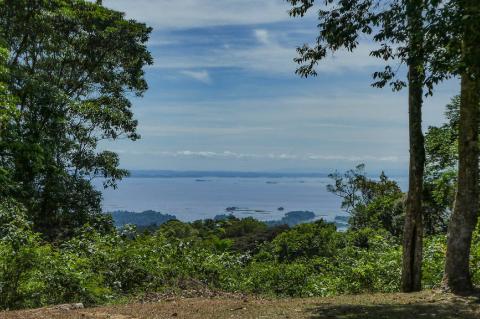
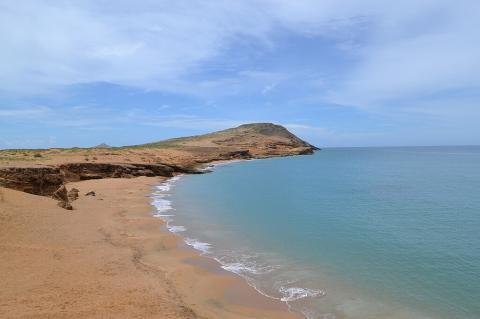
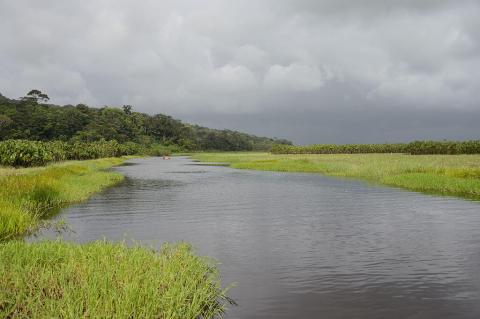
The Gulf of Venezuela and the Guajira Peninsula, located at the meeting point of the Caribbean Sea and South America, are of strategic importance due to their ecological diversity and role in regional trade and natural resource extraction. The Gulf serves as a vital shipping route for petroleum, while the Guajira Peninsula is home to the Indigenous Wayuu people and diverse ecosystems. However, territorial disputes between Colombia and Venezuela add geopolitical complexity to the region.
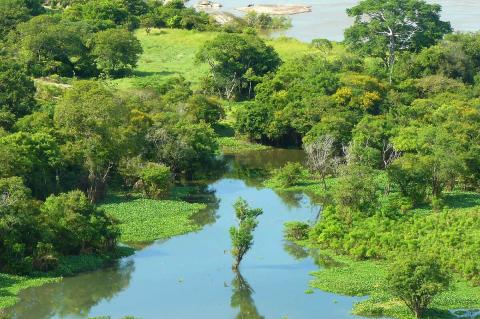
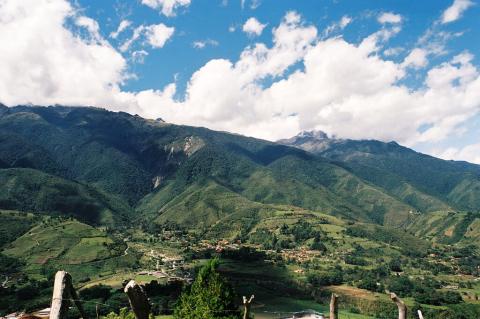
Exploring the Kanuku Mountains: A Biodiversity Hotspot in Guyana

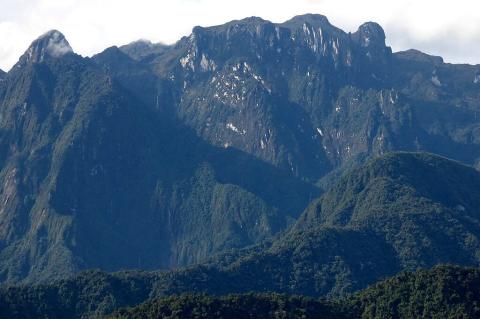
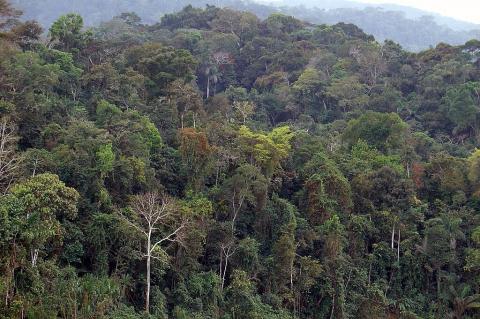
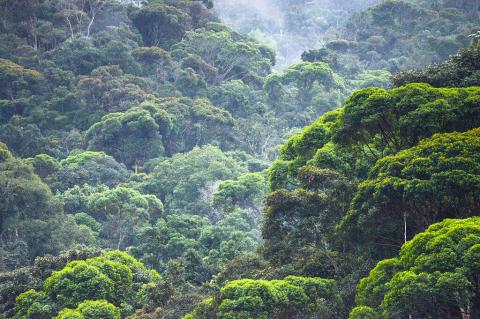
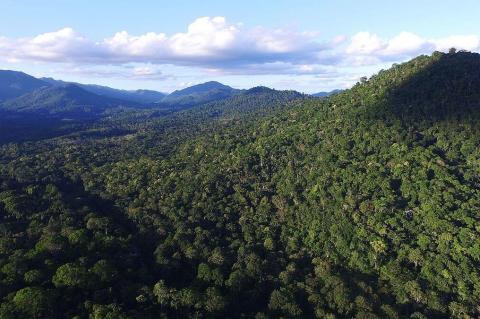
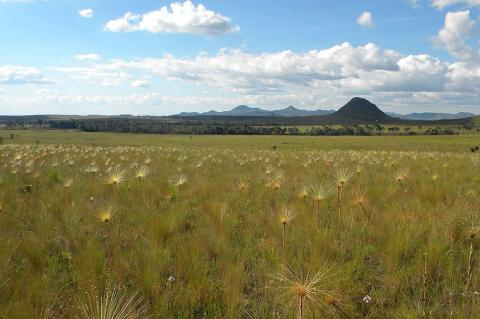
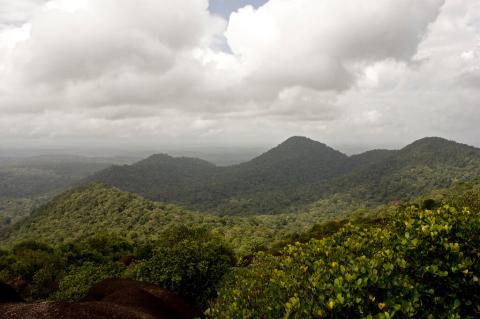
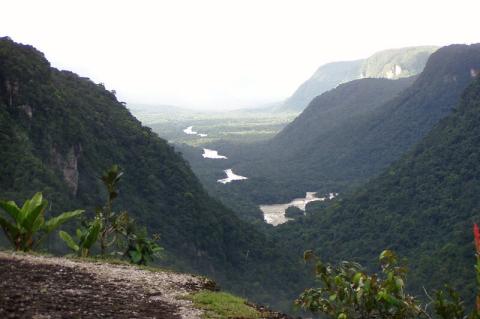
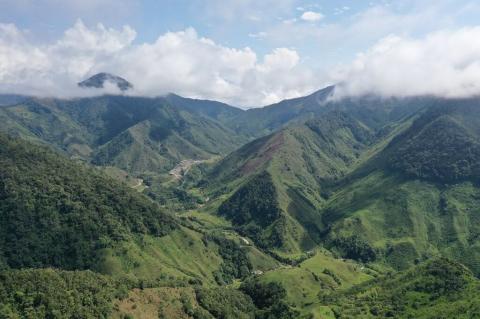
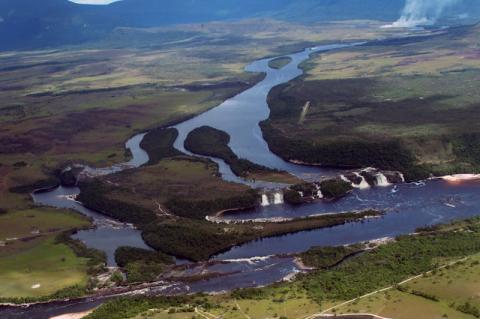
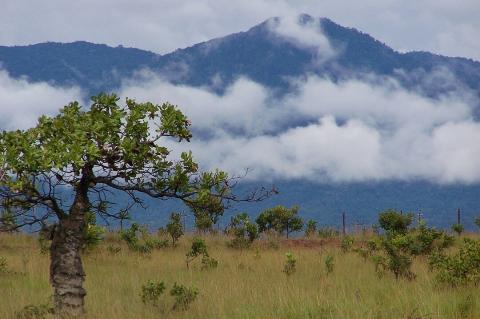
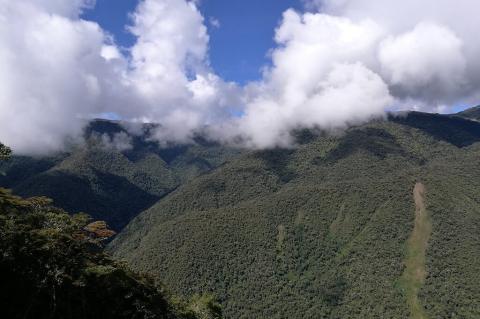
Nestled in the heart of Guyana's Rupununi region, the Kanuku Mountains are a breathtaking natural wonder, boasting an unparalleled diversity of flora and fauna. This east-west mountain range, which divides the Rupununi from the north's wetlands and the south's savannas, is a true gem in the country's ecological tapestry. The Kanuku Mountains Protected Area is a sanctuary for countless rare and endangered species.

Exploring the Majestic Cordillera Blanca: Peru's Alpine Wonderland

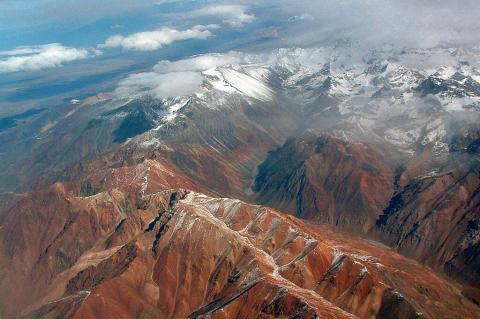
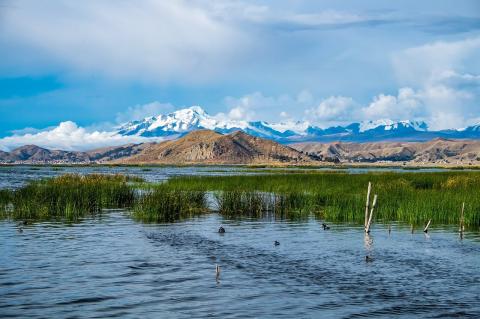
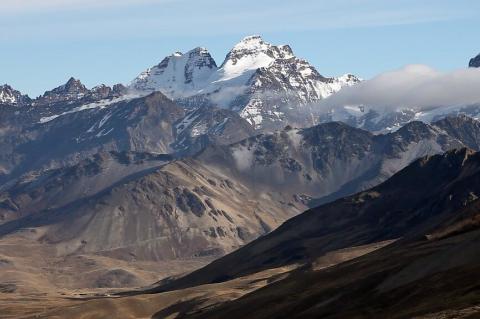
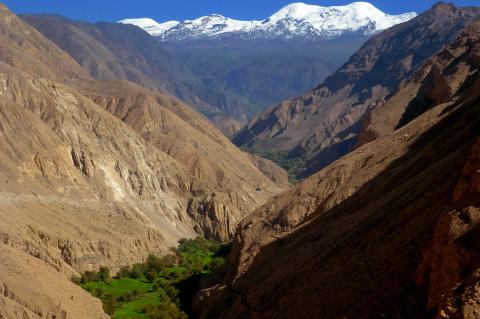
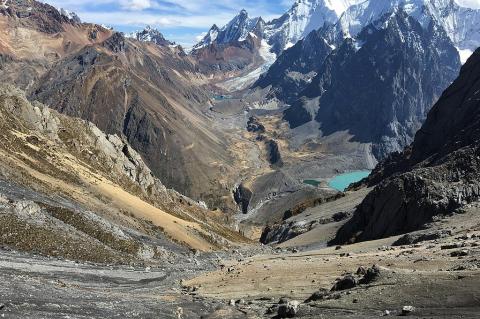
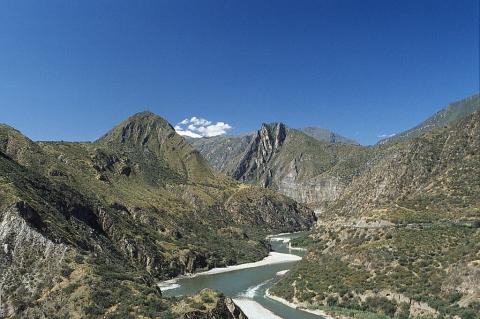
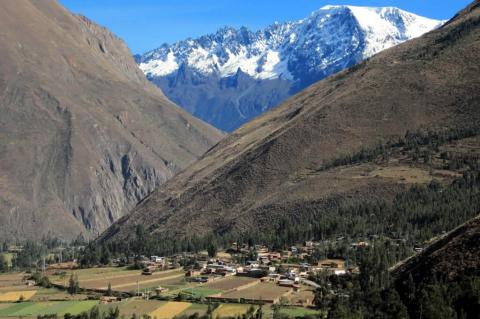
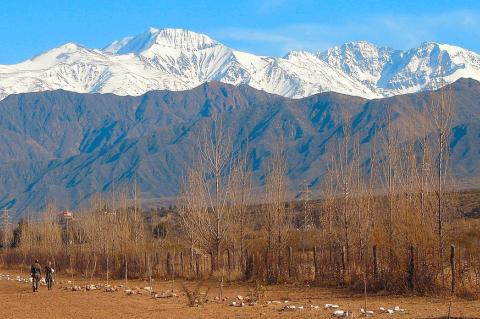
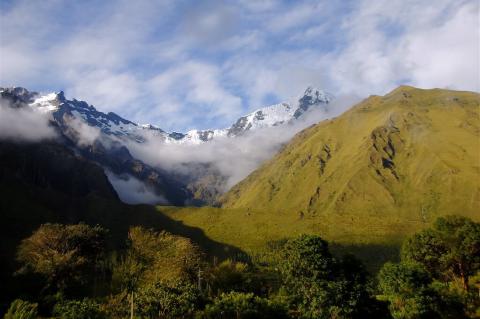
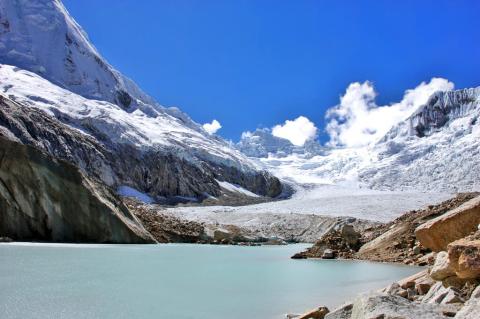
Peru's Cordillera Blanca is a testament to the breathtaking beauty and ecological richness that grace the Andes mountain system. Nestled in the north-central part of the Cordillera Occidental, this remarkable range is renowned as the world's highest tropical mountain range. It boasts towering peaks, sprawling glaciers, and pristine lakes that captivate the imagination of all who behold them.

Exploring the Monumental Legacy of Lima's Historic Center

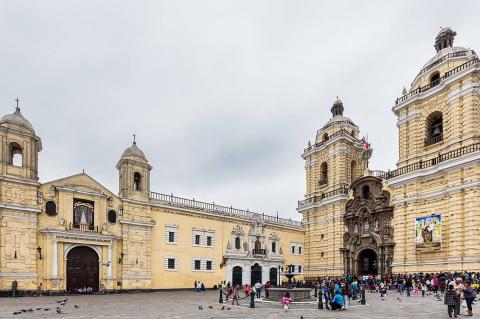
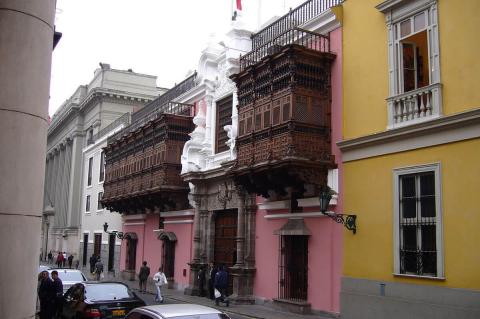
Nestled in the Rimac Valley, the Historic Center of Lima, originally christened 'Ciudad de Los Reyes' (City of the Kings), stands as a living testament to the city's rich colonial heritage and its pivotal role in the history of the New World. Founded by Spanish conqueror Francisco Pizarro in January 1535 on the territories once led by the Chiefdom of Rimac, this UNESCO World Heritage Site is a captivating tapestry woven with architectural masterpieces, religious grandeur, and a cultural legacy that has endured for centuries.

Exploring the Noroeste Amotapes-Manglares Biosphere Reserve in Peru

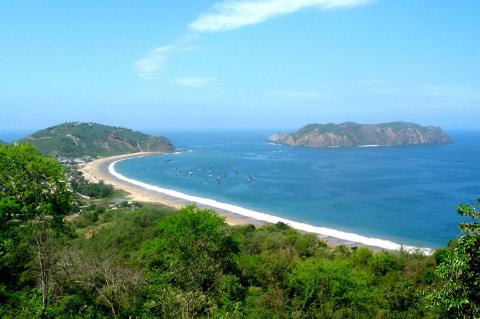
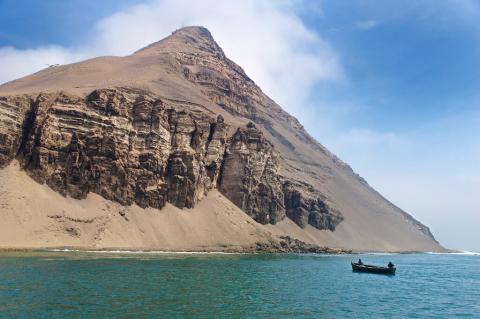
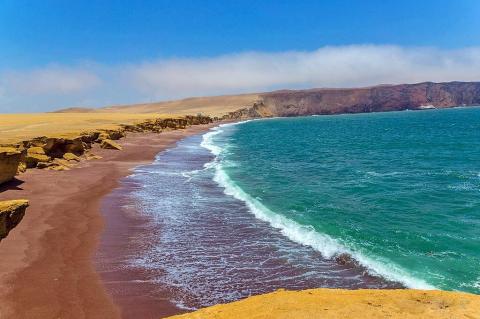
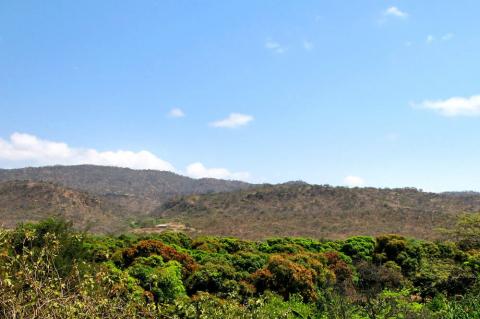
Nestled along the northern coast of Peru lies the captivating Noroeste Amotapes-Manglares Biosphere Reserve, a mosaic of diverse habitats, includes Cerros de Amotape National Park, the Coto de Caza El Angolo, and the Manglares de Tumbes National Sanctuary. It was merged with the Bosque Seco Biosphere Reserve in Ecuador to form the Bosques de Paz Transboundary Biosphere Reserve, highlighting its regional importance in biodiversity conservation.

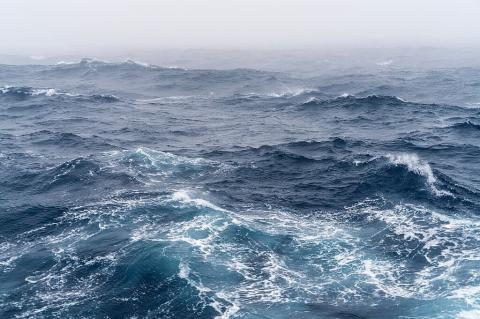
Exploring the Southern Ocean: Antarctica's Vital Frontier

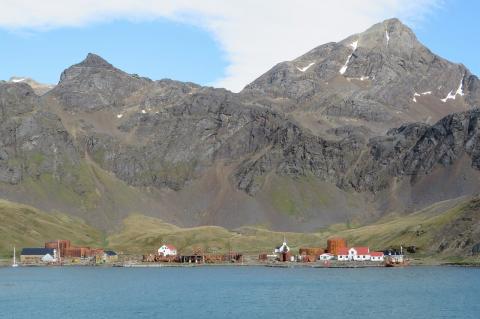
The Southern Ocean, encircling Antarctica, is a critical yet often overlooked component of the global environmental system. Recognized as the world's fifth ocean, it connects the Atlantic, Pacific, and Indian Oceans while hosting unique ecosystems and playing a pivotal role in regulating Earth's climate. With its vast expanse of icy waters, powerful currents, and abundant marine life, the Southern Ocean is a nexus of biodiversity, carbon cycling, and oceanographic processes.

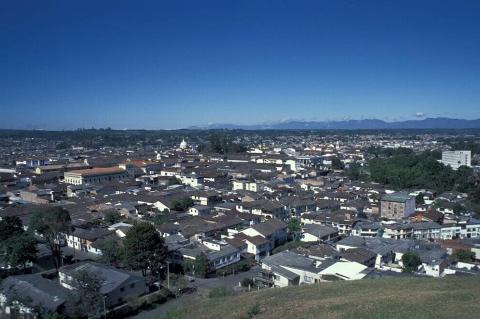
Exploring the White City of Latin America: Popayán, Colombia

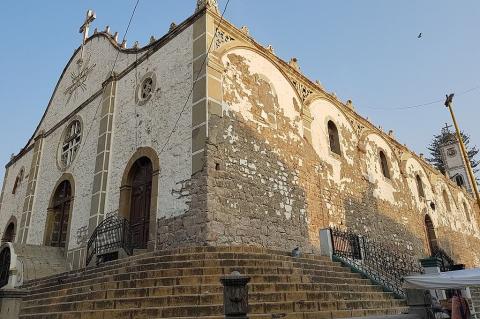
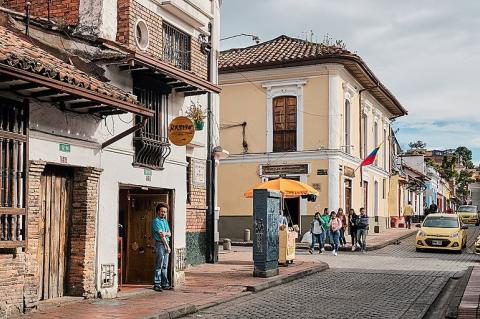
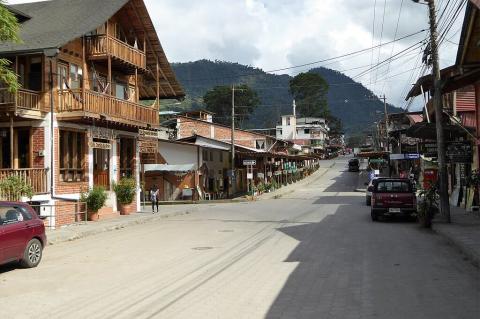
Nestled in the Andean mountains of southwestern Colombia, Popayán is one of the country's oldest and most historically significant cities. Known as "La Ciudad Blanca" (The White City) for its whitewashed colonial buildings, Popayán is set in a valley in the Cauca Department, surrounded by scenic mountain landscapes that shape its distinct geography and climate. Its well-preserved colonial architecture, religious traditions, and vibrant cultural scene have earned it a reputation as a center of historical and cultural heritage.

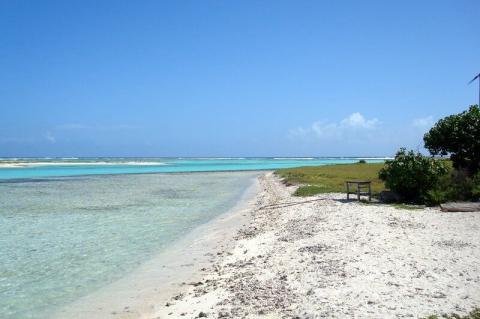
Exploring Venezuela's Federal Dependencies: Jewels of the Caribbean

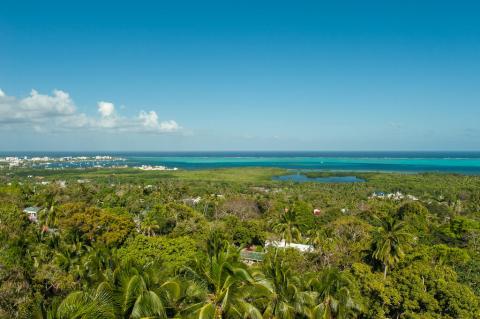
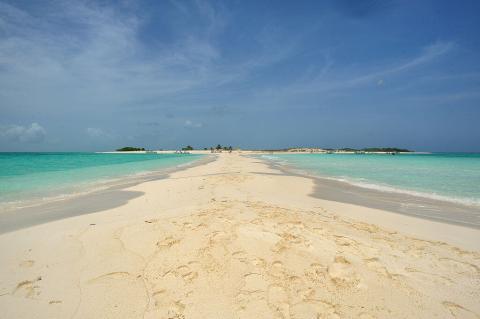
Venezuela boasts a stunning array of islands and islets scattered across the Caribbean Sea, collectively known as the Federal Dependencies. These tropical gems offer a captivating blend of natural beauty, rich biodiversity, and cultural heritage. From pristine beaches and vibrant coral reefs to unique ecosystems and historical significance, the Federal Dependencies are a true treasure trove waiting to be discovered.

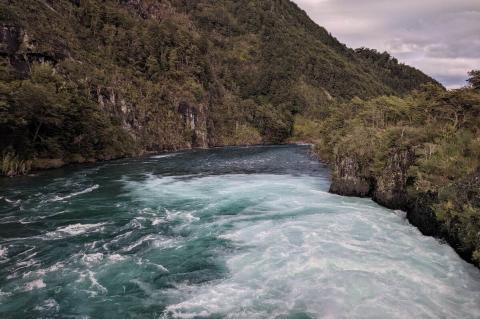
Exploring Vicente Pérez Rosales: Chile's Oldest National Park

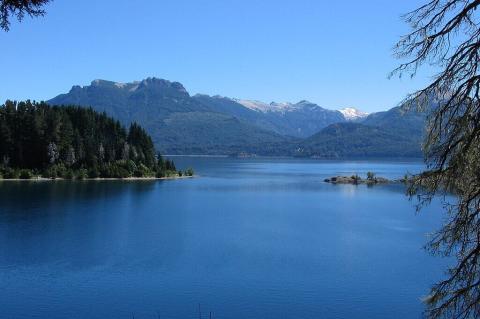
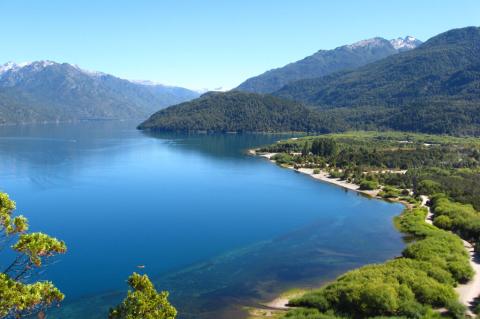
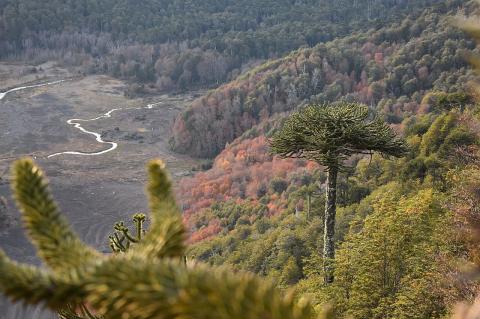
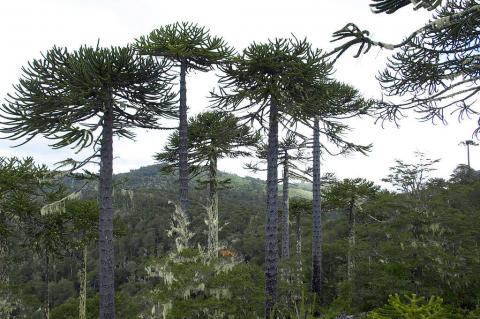
Vicente Pérez Rosales National Park, Chile's first, is named in honor of Vicente Pérez Rosales, a revered Chilean politician and diplomat. It encompasses an expansive area within the Lakes Region of the Chilean Andes and is renowned for its breathtaking and diverse landscapes. It hosts the iconic Lake Todos Los Santos and the Petrohué Waterfalls, surrounded by Valdivian temperate rainforests, a sanctuary for numerous plant and animal species.