South America

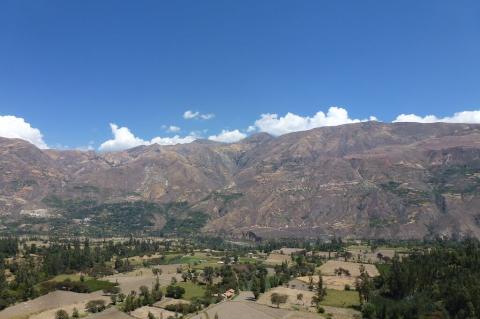
Cordillera Negra: The Hidden Gem of the Peruvian Andes

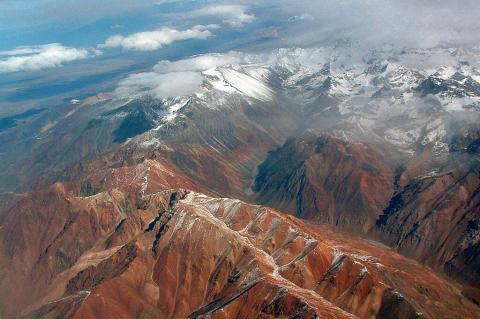
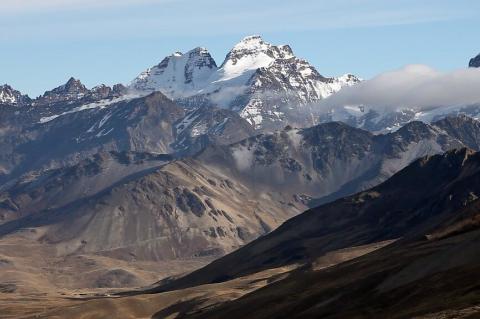
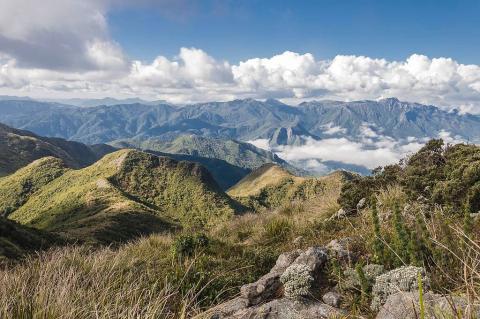
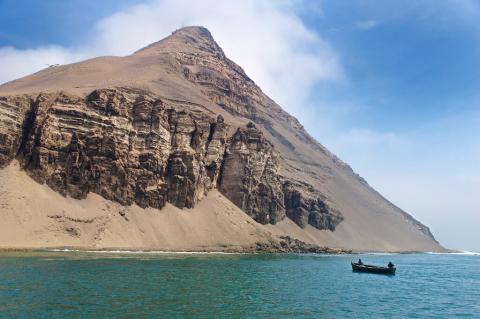
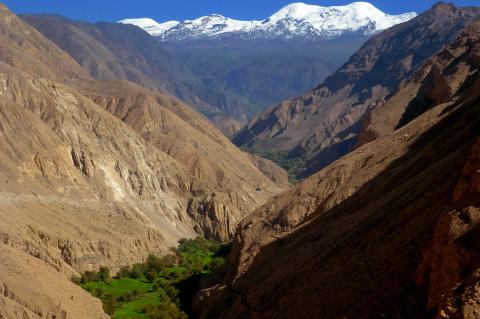
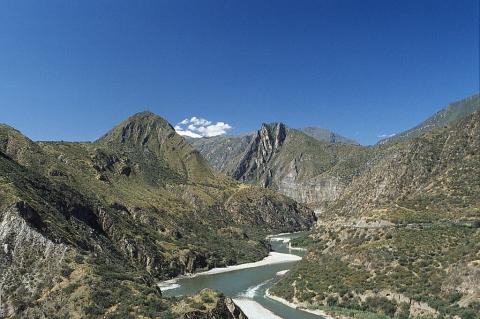
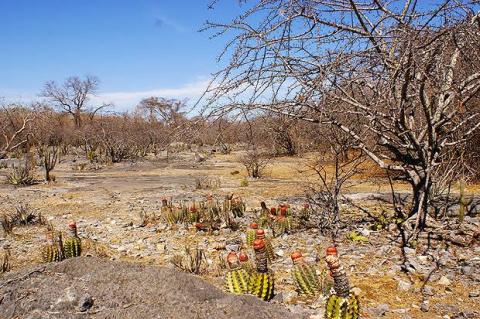
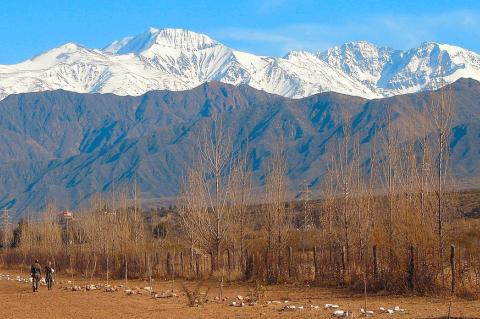
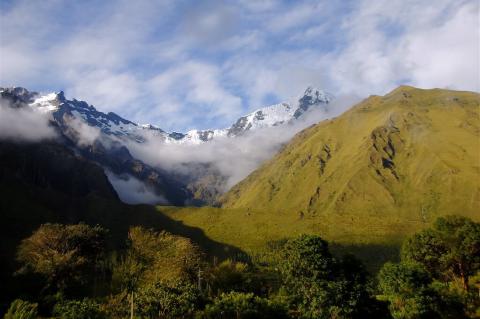
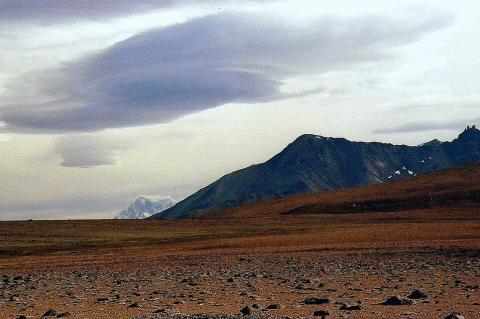
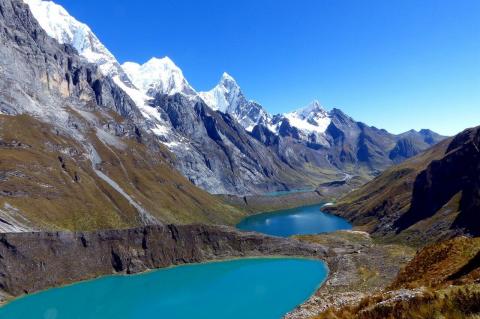
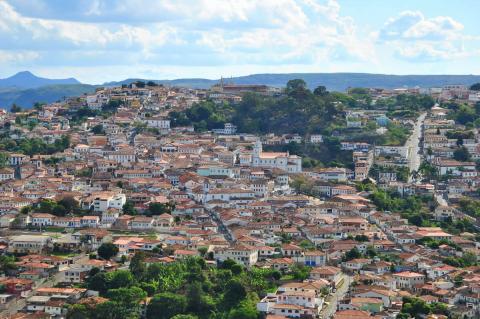
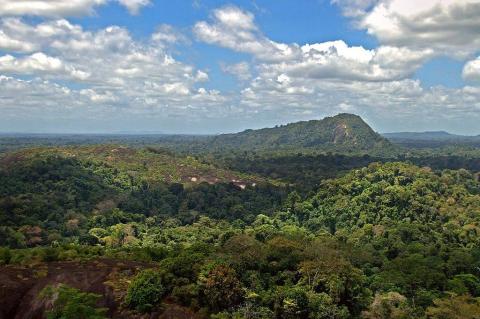
The Cordillera Negra, part of the Cordillera Occidental, is one of the three prominent mountain ranges in the Peruvian Andes. This range is situated in west-central Peru, within the Ancash Region, and is known for its stark and dramatic landscapes. It features rocky peaks and arid valleys contrasting sharply with the neighboring lush, glaciated terrain. Beyond its natural beauty, the Cordillera Negra is home to ancient archaeological sites that provide a window into the region's rich pre-Columbian history.
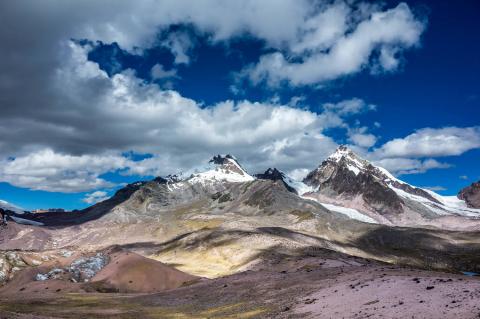
Cordillera Vilcanota: An Andean Marvel of Natural and Cultural Heritage

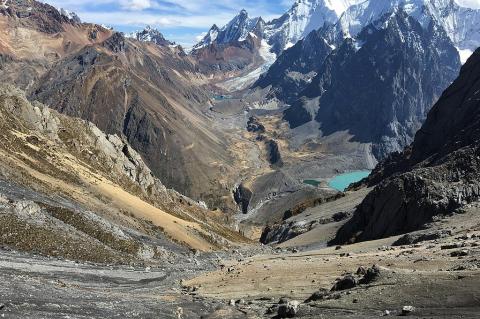
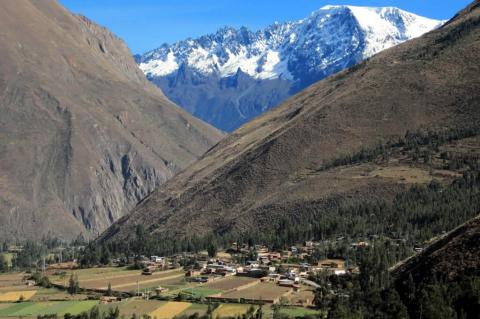
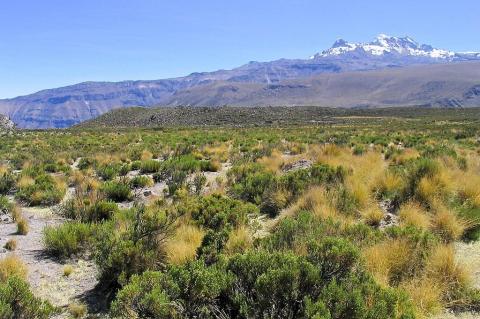
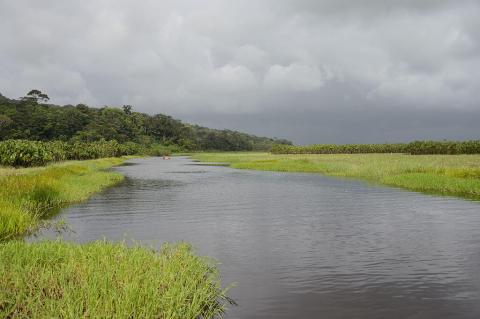
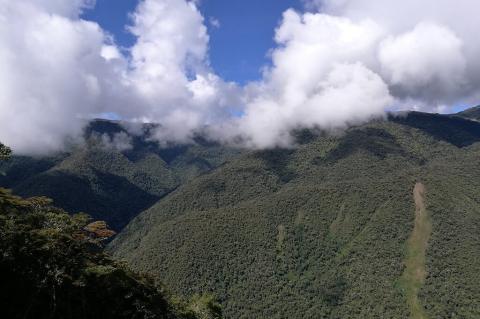
The Cordillera Vilcanota, nestled in southeastern Peru, is a testament to the Andes' stunning beauty and rich cultural legacy. Stretching across the departments of Cusco and Puno, this mountain range forms one of the southern branches of the Cordillera Occidental of the Peruvian Andes. Vinicunca, or "Rainbow Mountain," is a natural landmark. Ausangate, significant in Incan mythology, is the tallest peak in the range.
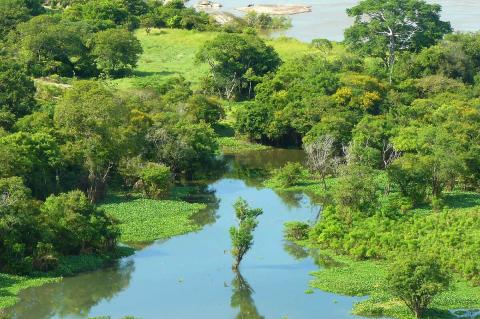
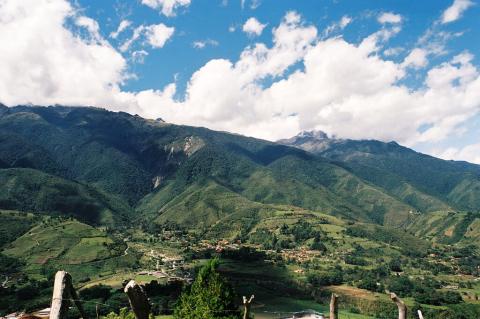
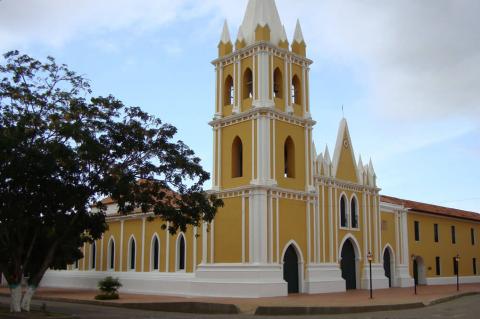
Coro and La Vela: Venezuela's Colonial Heritage

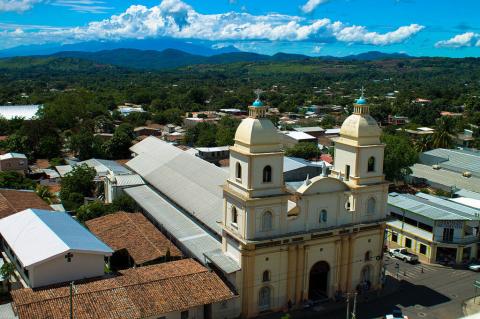
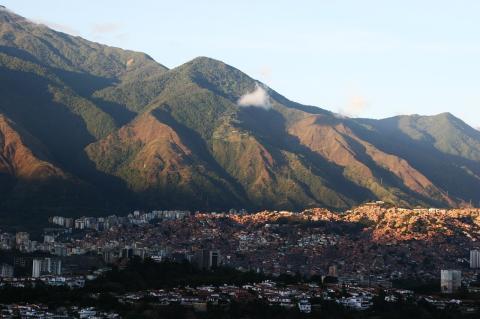
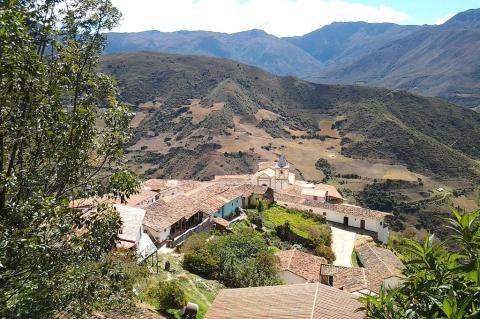
Coro, also known as Santa Ana de Coro, is a historic colonial port city in Venezuela, founded on July 26, 1527, by Juan de Ampíes. It is famous for its well-preserved colonial architecture and historical significance, being the first South American town to achieve independence from Spain. Designated a UNESCO World Heritage Site in 1993, Coro is a testament to the enduring legacy of Spanish colonization and the blending of various architectural styles and local traditions.

Cotacachi Cayapas: A Sanctuary for Nature and Culture in Ecuador

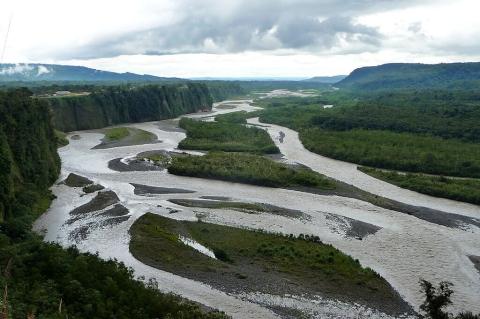
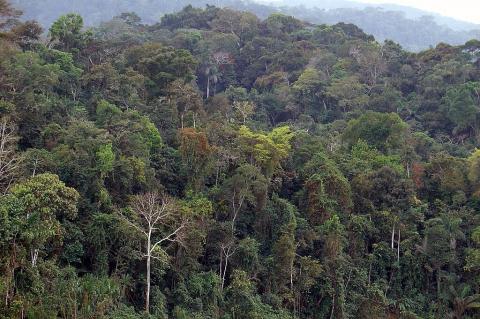
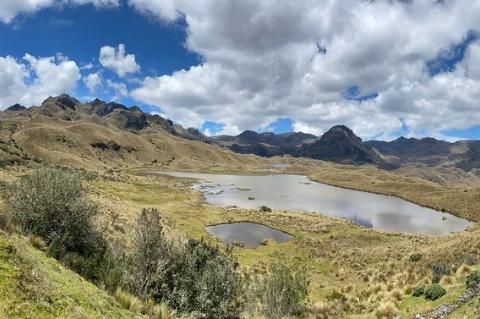
Nestled in the heart of the Ecuadorian Andes, the Cotacachi Cayapas Ecological Reserve stands as a testament to the region's extraordinary natural and cultural diversity. This expansive reserve extends across the provinces of Imbabura and Esmeraldas, encompassing a wide range of ecosystems—from the high-altitude páramo to the dense tropical rainforests. The Cotacachi Cayapas Ecological Reserve is a haven for a multitude of plant and animal species, as well as the Indigenous communities who call this land home.

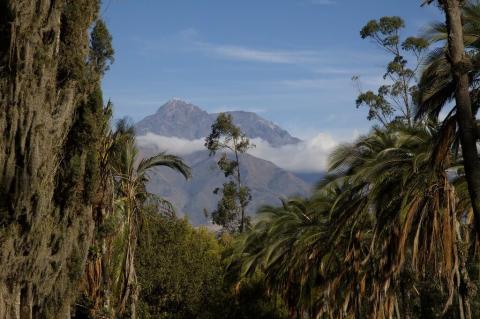
Cotopaxi National Park: Ecuador’s Iconic Volcano and Ecological Marvel

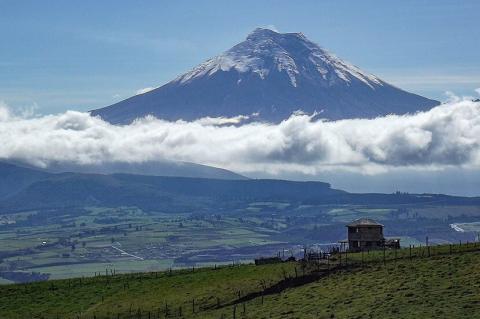
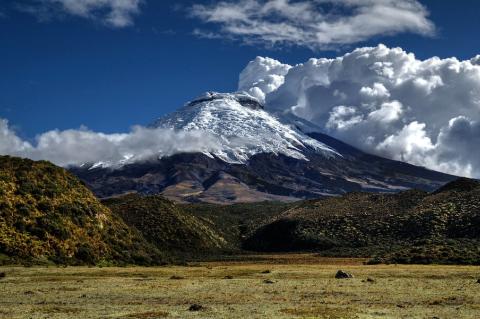
Situated in the heart of the Ecuadorian Andes, Cotopaxi National Park is a testament to Ecuador's dedication to preserving its unique natural heritage. The park is famous for being the home of the iconic Cotopaxi Volcano, one of the world's most impressive stratovolcanoes. Due to the park's varying altitudes, it boasts distinct ecological zones, each supporting species that have adapted to the challenging, high-altitude conditions. The park's breathtaking landscapes, diverse ecosystems, and remarkable volcanic formations make it a magnet for nature enthusiasts, adventurers, and scientists.

Cutervo National Park: A Peruvian Andean Sanctuary of Biodiversity and Ancient Wonders

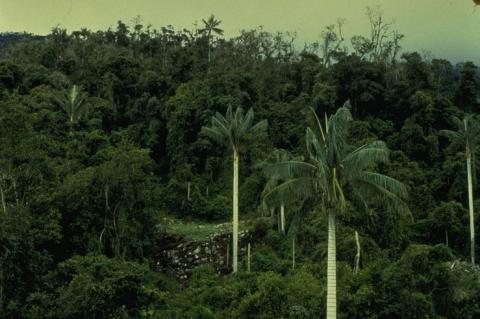
Nestled in the northern Peruvian Andes, Cutervo National Park stands as a treasured sanctuary where the rugged beauty of the mountains intertwines with a tapestry of biodiversity and ancient heritage. As Peru's oldest protected area, this remarkable park encompasses diverse ecosystems, each with its unique character and inhabitants. The park protects the last remaining cloud forests of Cajamarca, Andean montane forests, and páramo regions crucial for headwater conservation.

Darién Norte Chocoano: Colombia's Ecological and Cultural Treasure

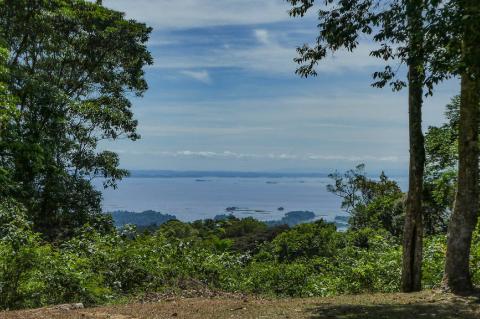
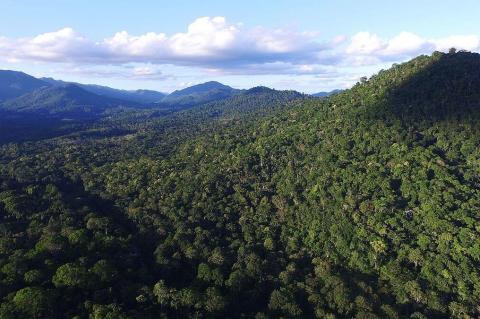
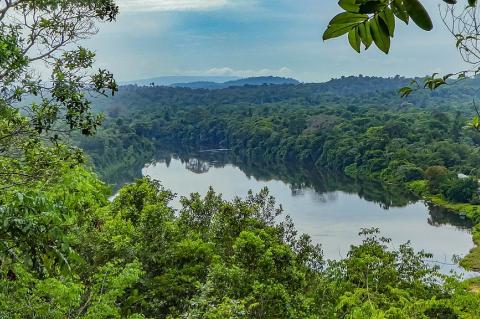
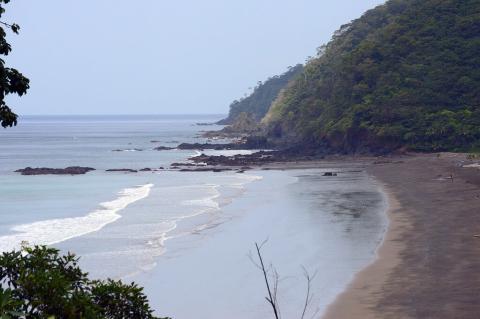
Nestled along Colombia's northwest coast, the Darién Norte Chocoano Biosphere Reserve is one of the country's most significant ecological and cultural treasures. This extensive biosphere reserve encompasses diverse ecosystems, from lush rainforests to vital marine areas stretching into the Gulf of Urabá. Not only a sanctuary for countless species, the reserve also preserves historical landmarks from one of the earliest Spanish settlements in the Americas.

Delta del Paraná Biosphere Reserve: A Vital Hub of Biodiversity and Culture

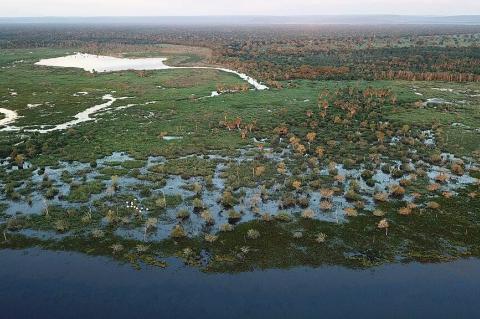
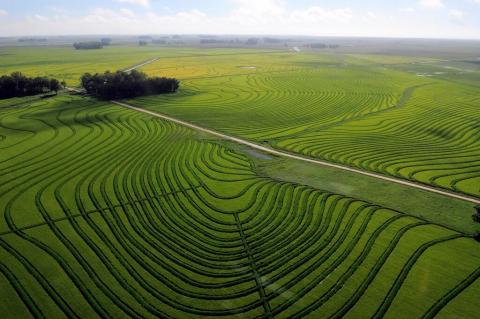
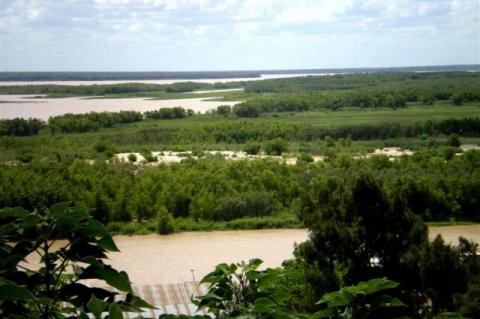
The Delta del Paraná Biosphere Reserve is a vital ecological and cultural landscape in northeastern Argentina just north of Buenos Aires. Encompassing the second and third sections of the Islands of the San Fernando Delta, this biosphere reserve plays a crucial role in preserving the rich biodiversity and unique ecosystems of the Paraná Delta region. The Biosphere Reserve includes a range of habitats, from flooded riverbeds and low forests to relict Monte Blanco forest areas.

Diamantina: Diamond Capital of Colonial Brazil

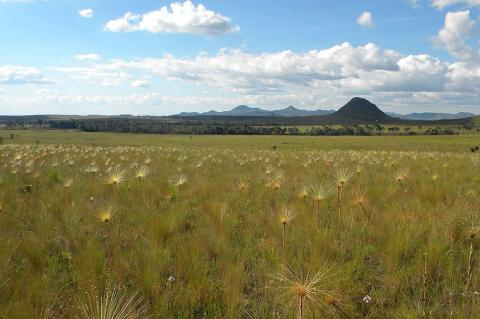
High in the arid mountains of the Serra do Espinhaço, the historic city of Diamantina stands as a testament to the diamond fever that gripped colonial Brazil in the 18th century. Originally known as Arraial do Tijuco, this remote settlement in northern Minas Gerais became the world's premier diamond-mining center, with its wealth transforming a rough mining camp into an elegant colonial city adorned with baroque churches and grand mansions. Today, Diamantina preserves its colonial character so completely that UNESCO designated its historic center a World Heritage Site

Discovering Córdoba: Argentina’s Cultural Heartland

In the heart of Argentina lies Córdoba, a city renowned for its storied past, cultural vibrancy, and picturesque surroundings. From its colonial architecture and academic legacy to modern artistic expressions and a lively culinary scene, Córdoba offers a rich tapestry of experiences. Nestled near the Sierras de Córdoba mountains and home to Argentina's oldest university, Córdoba captivates with its seamless blend of history and modernity, drawing travelers and scholars alike.