South America

Journey Through the Dunes: Lençóis Maranhenses National Park

Located in Brazil's northeastern region, Lençóis Maranhenses National Park is a captivating example of nature's artistry and resilience. Extending across a vast expanse in Maranhão state, this protected area and UNESCO World Heritage Site encompasses a diverse range of landscapes, including windswept dunes, seasonal lagoons, and verdant oases. Exploring the mysteries of this unique ecosystem involves delving into its dynamic terrain and rich biodiversity.
Juan Fernández Archipelago: Nature and Legend in the South Pacific

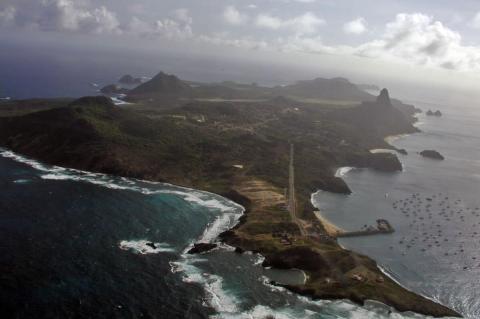
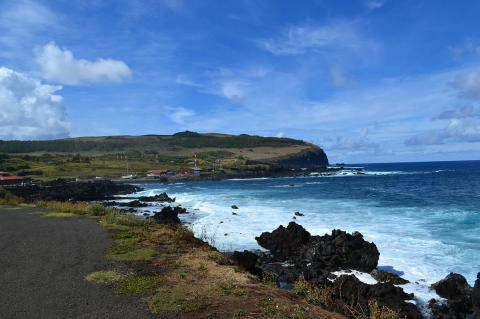
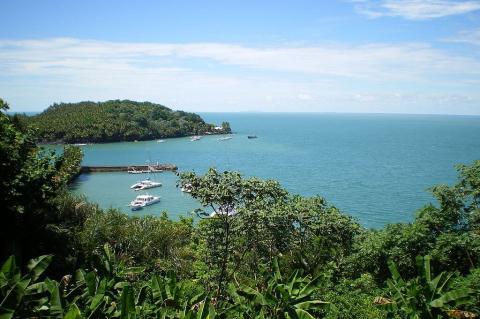
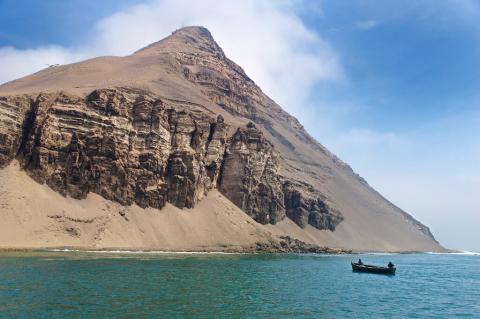
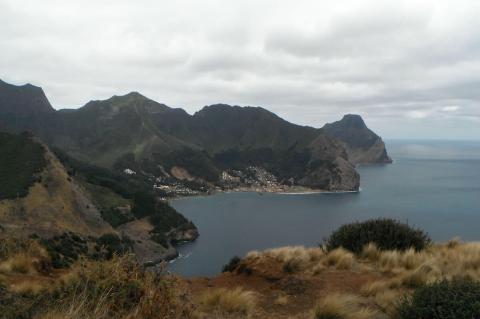
The Juan Fernández Archipelago, situated in the South Pacific Ocean, is a remote chain of volcanic islands belonging to Chile. The archipelago has long intrigued explorers, writers, and biologists alike. Known for its ties to the marooned sailor Alexander Selkirk—whose survival inspired Daniel Defoe's Robinson Crusoe—the archipelago is a cultural landmark and a unique ecological hotspot. With dramatic landscapes, endemic species, and a colorful history of pirates and explorers, the Juan Fernández Islands offer a rare glimpse into the natural and human story of isolation.

Juan Fernández Islands Temperate Forests: A Biodiversity Sanctuary in Isolation

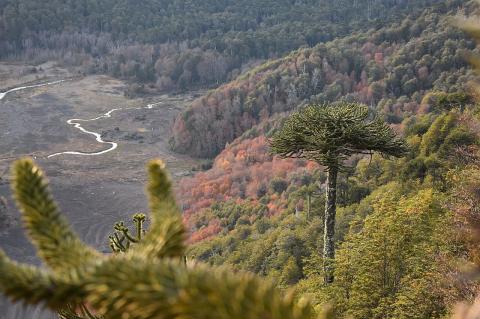
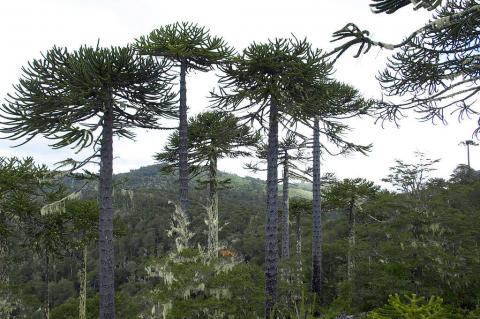
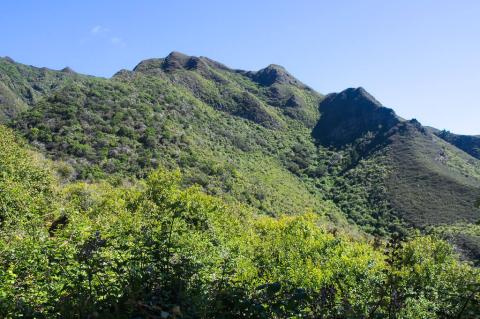
The Juan Fernández Islands Temperate Forests ecoregion, located on the remote Juan Fernández Archipelago off the coast of Chile, stands as one of the world's most unique and biologically rich environments. Due to its isolation in the South Pacific, the archipelago has developed an extraordinary range of endemic species and distinct ecosystems. This ecoregion, dominated by temperate forests, offers a rare glimpse into how nature evolves in isolation.
Juruá River: A Meandering Giant of the Amazon

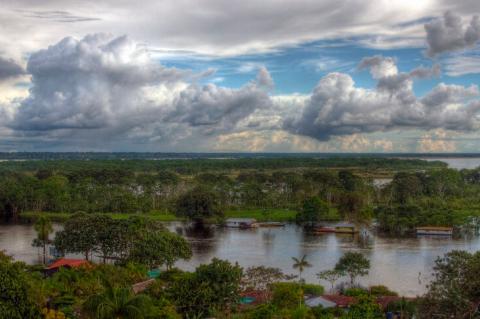
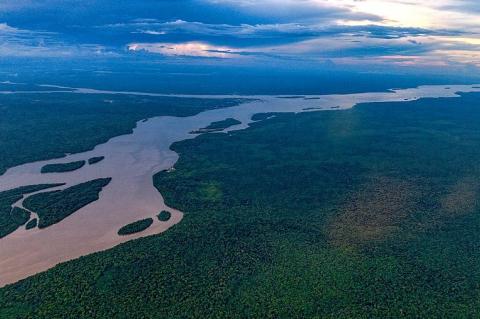
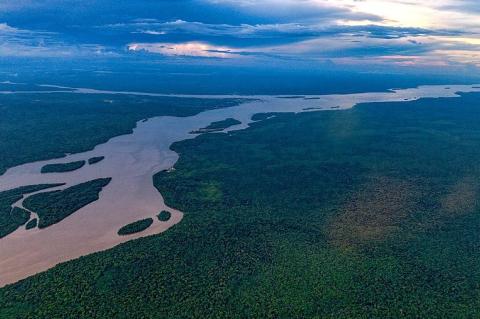
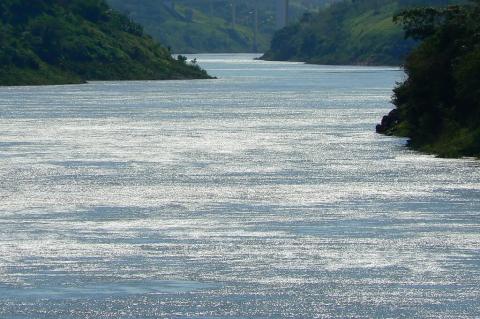
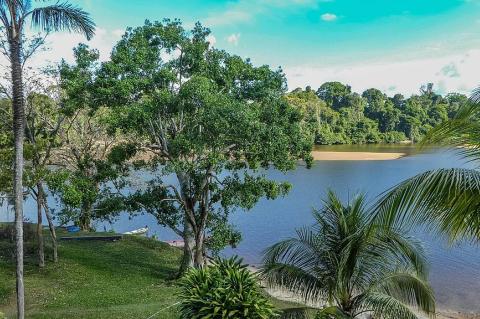
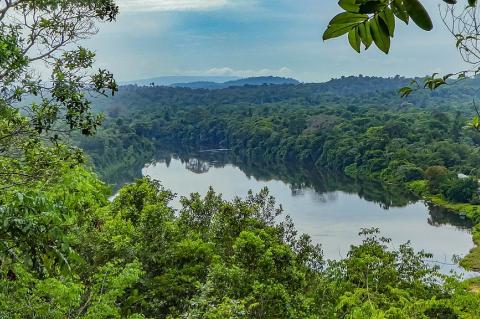
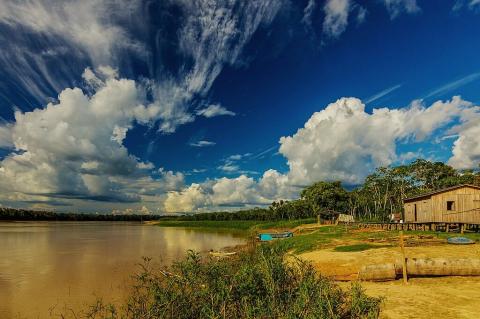
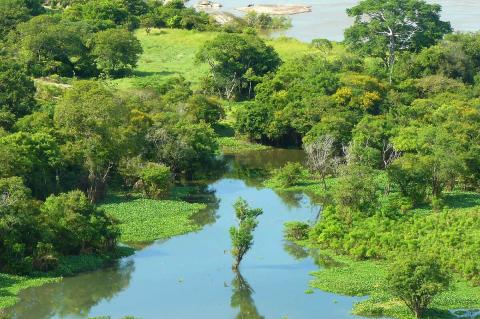
The Juruá River, one of the longest and most winding tributaries of the Amazon River, is a crucial component of the Amazon Basin's intricate hydrological network. Originating in the highlands of Peru and snaking its way through the lowlands of Brazil, the Juruá River plays a vital role in shaping the region's ecology, supporting diverse ecosystems, and influencing the lives of those who inhabit its banks.

Kaieteur Falls: The Power and Beauty of Guyana’s Hidden Gem

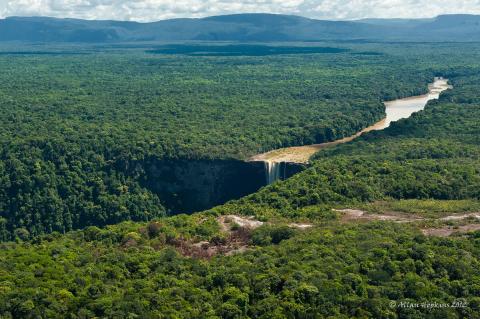
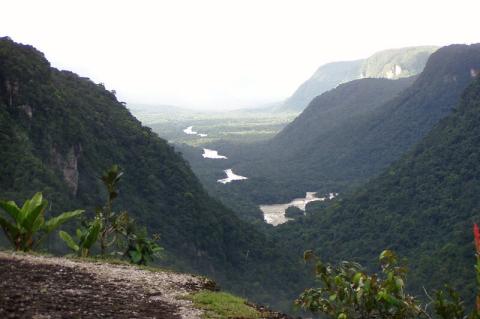
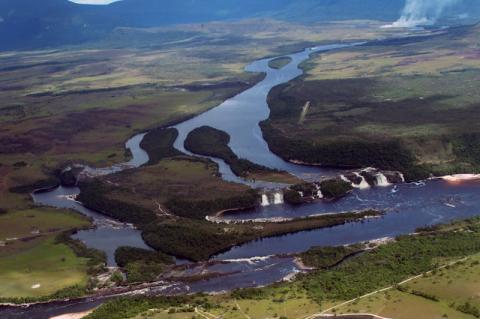
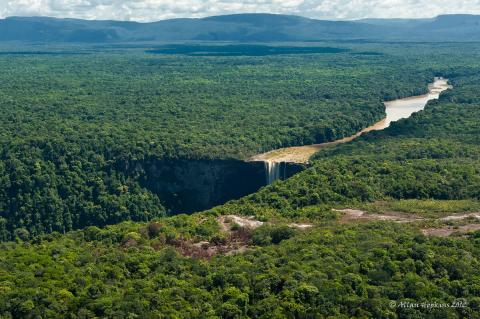
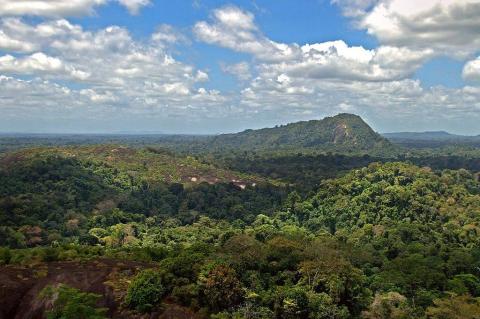
Kaieteur Falls, located in the heart of Guyana's Potaro-Siparuni region, stands as one of the most breathtaking natural wonders in the world. Plunging from a sandstone plateau into a deep gorge, it is the largest single-drop waterfall by water volume. Surrounded by the lush rainforests of Kaieteur National Park, this iconic feature of the Guyanese landscape attracts thousands of visitors yearly. With a blend of awe-inspiring natural beauty, rich biodiversity, and cultural legends, Kaieteur Falls and its national park offer a window into the untamed wilderness of the Guiana Shield.

Kawésqar National Park: A Majestic Wilderness in Chilean Patagonia

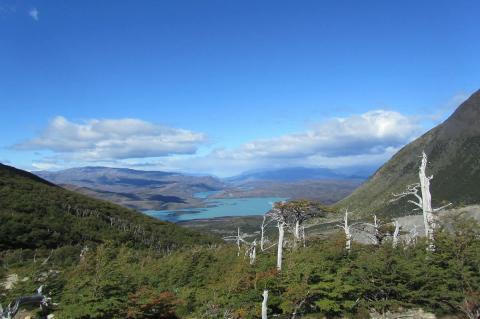
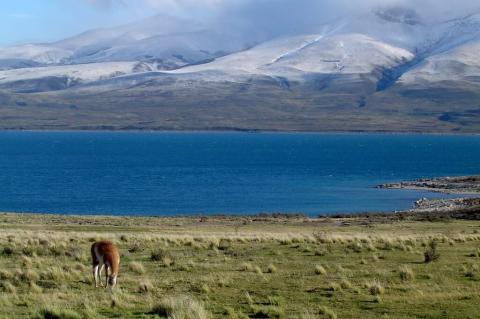
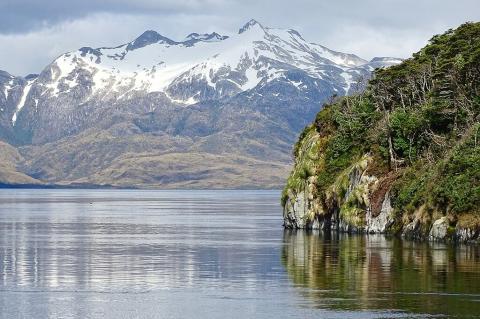
Kawésqar National Park, formerly known as the Alacalufes National Reserve, is a vast and stunning natural sanctuary located in the provinces of Magallanes, Última Esperanza, and Isla Riesco within the Magallanes and Chilean Antarctica Region of southern Chile. Nestled in the heart of Chilean Patagonia, this expansive park, part of Chile's Route of Parks, offers a glimpse into the region's wild beauty, showcasing diverse landscapes, ecosystems, and wildlife.

La Campana-Peñuelas: Balancing Biodiversity and Urban Pressures in Central Chile

Nestled in the heart of Chile's Valparaíso Region, the La Campana-Peñuelas Biosphere Reserve epitomizes the country's dedication to safeguarding its natural heritage. Designated as a UNESCO Biosphere Reserve, it encompasses the La Campana National Park and the Lago Peñuelas National Reserve. Together, they form a mosaic of landscapes, biodiversity, and cultural history, offering an exceptional model of conservation and sustainability.

La Guajira: Desert, Mountains, and Indigenous Heritage

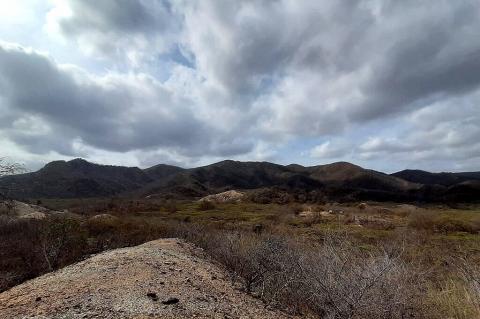
The La Guajira Peninsula, located at the northernmost tip of South America, is home to the vast and mesmerizing La Guajira Desert, the lush Serranía de Macuira mountain range, and the protected Macuira National Natural Park. This unique region of northern Colombia, extending slightly into Venezuela, boasts a remarkable diversity of ecosystems, indigenous cultures, and significant natural resources.

La Moneda Palace: Symbol of Chilean Democracy, Resilience, and Civic Heritage

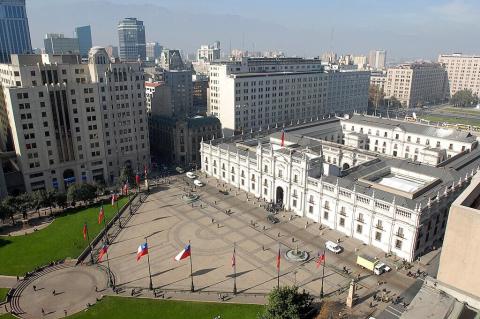
La Moneda Palace in Santiago, Chile, also known as Palacio de la Moneda, is an iconic symbol of Chilean history, politics, and resilience. Originally constructed as a colonial mint house in the late 18th century, the palace has witnessed significant historical events, including the transformation of its role from a coin-producing facility into the seat of political power.

La Paz: Bolivia's High-Altitude Metropolis

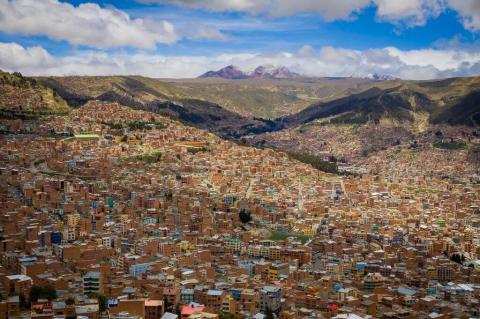
La Paz, Bolivia's administrative capital, exemplifies human resilience and cultural richness amidst the breathtaking landscape of the Andes Mountains. This unique city, perched at dizzying heights, offers a blend of Indigenous traditions, colonial history, and modern urban life that captivates visitors and residents. An exploration of La Paz reveals its geographical marvels, rich history, vibrant culture, and economic significance.