South America

Alerce Costero National Park: Guardian of the Coastal Giants

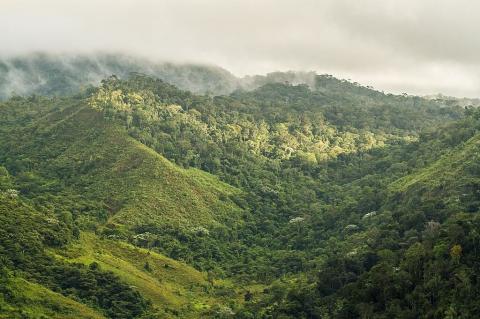
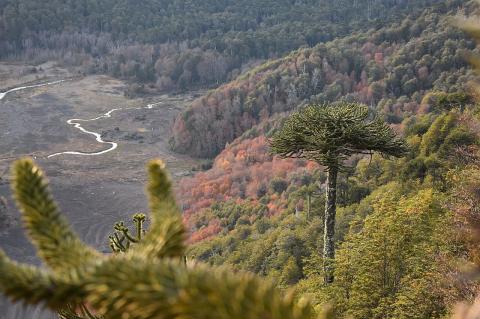
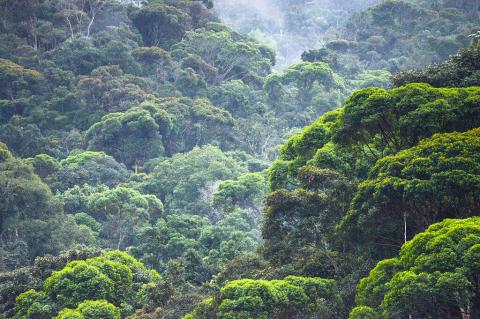
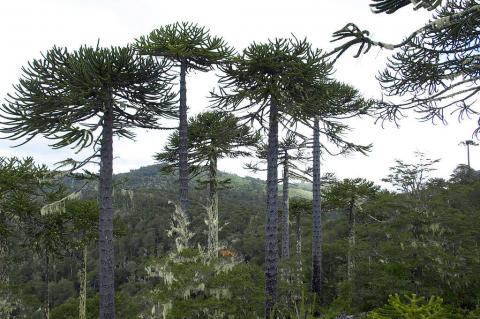
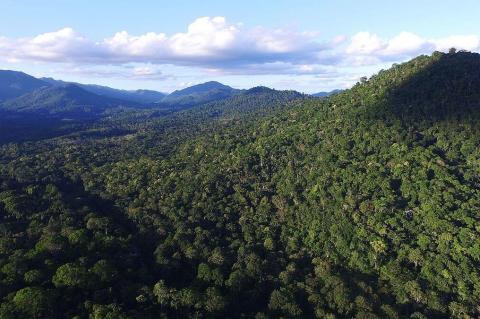
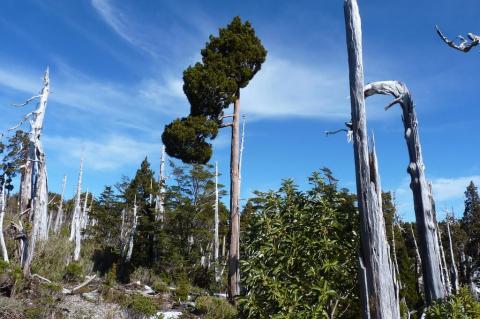
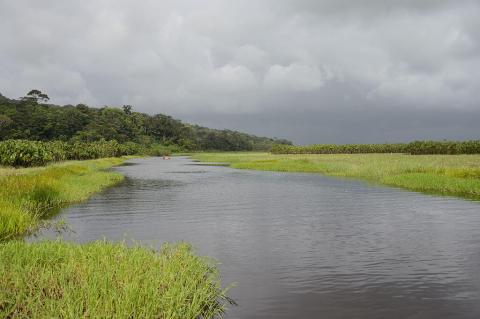
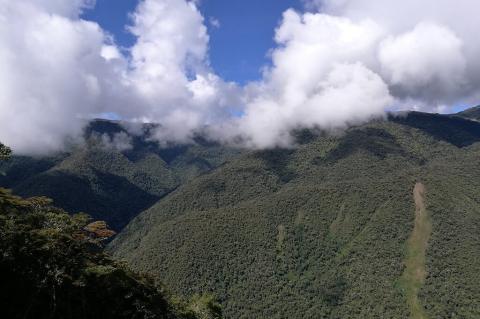
Alerce Costero National Park is a testament to Chile's commitment to conserving its natural heritage. Nestled within the picturesque landscapes of the Los Ríos Region in southern Chile, this protected area spans the country's largest protected zone for mainland temperate coastal forests. Located west of Valdivia, the park boasts an array of breathtaking scenery, diverse ecosystems, and unique flora and fauna.
Alto Loa: A Volcanic Desert Sanctuary in Northern Chile

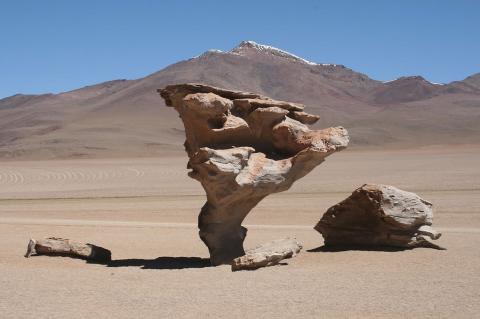
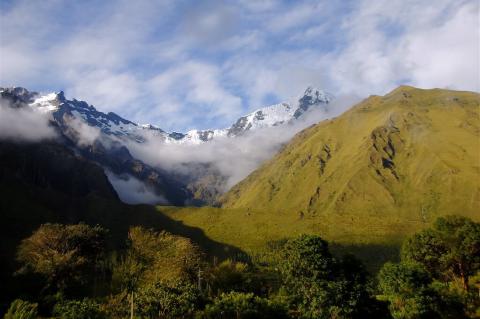
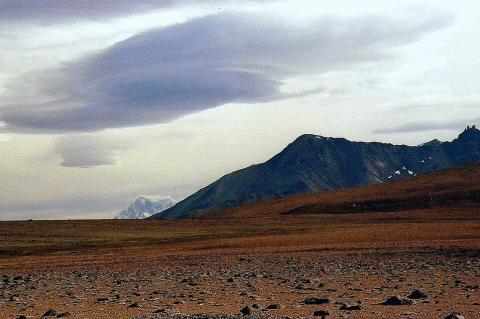
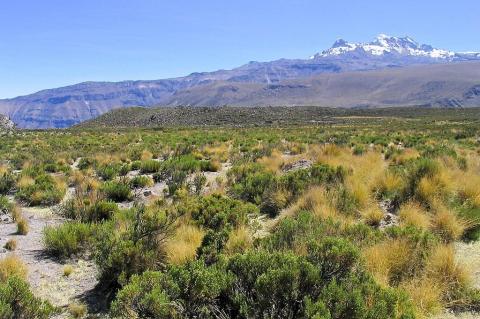
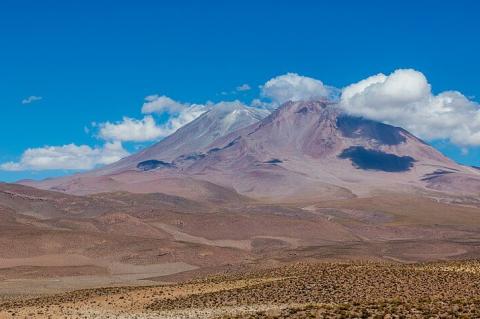
Nestled amidst the towering Andes of northern Chile, the Alto Loa National Reserve is a true testament to the resilience of life in one of the world's most extreme environments. From the imposing Aucanquilcha volcano, a dormant giant that dominates the landscape, to the shimmering salt flats that stretch as far as the eye can see, the Alto Loa Reserve is a captivating tapestry of volcanic grandeur, desert vistas, and a delicate ecology that has adapted to thrive against all odds.
Amacayacu National Natural Park: The Heart of the Amazon

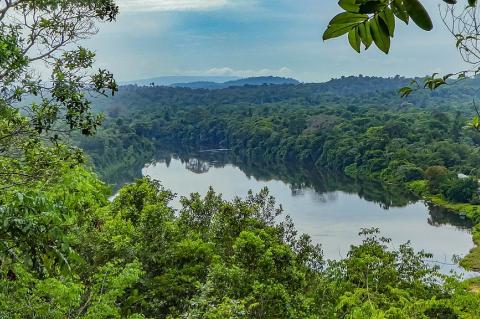
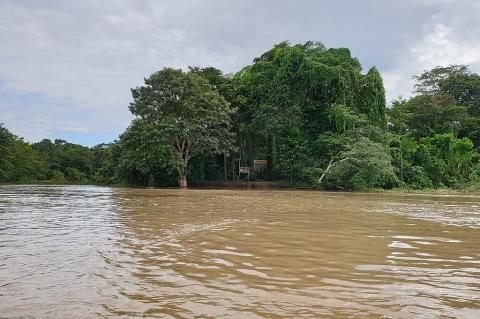
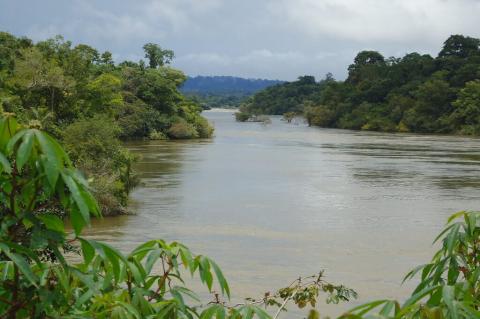
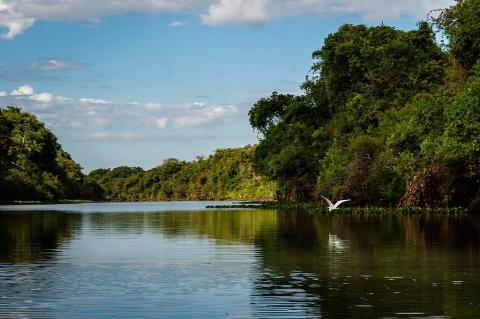
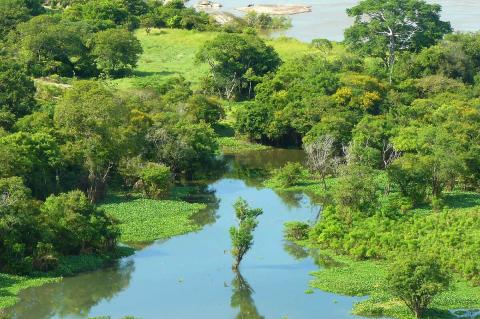
Amacayacu National Natural Park is a remarkable protected area in Colombia, nestled along the Amazon River in the southern Amazonas Department. It stands out as the only protected area in the country that conserves the unique flooded forests of the Amazon River, playing a crucial role in preserving this extraordinary region's biodiversity and cultural heritage.

Amazonia National Park: Preserving the Rich Mosaic of the Amazon Rainforest

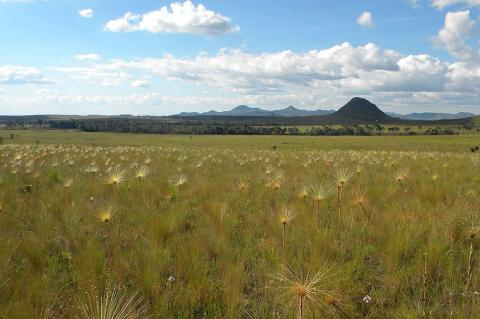
Amazonia National Park is the oldest national park in the Amazon Rainforest. Spanning over a million hectares along the Tapajós River in Brazil, it safeguards a highly biodiverse habitat featuring dense lowland rainforests and white-sand grasslands. The park is a transition area between the Amazon Rainforest in the south and the Brazilian Cerrado in the north.

Amboró National Park: A Biodiversity Haven in Bolivia

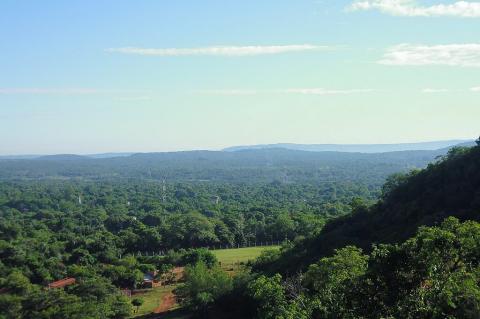
Amboró National Park, situated in the western part of Bolivia's Santa Cruz Department, is a natural treasure trove of biodiversity and ecological significance. Located at the "Elbow of the Andes," this park is a crucial preservation site for many unique species and habitats. Recognized for its ecological richness and scenic beauty, Amboró National Park serves as a vital sanctuary for flora and fauna and a focal point for scientific research and conservation efforts.

Anavilhanas Archipelago and National Park: Guardians of the Amazon

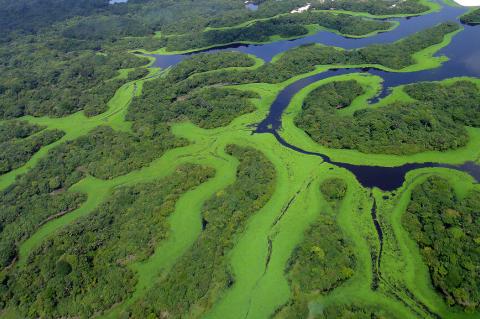
The Anavilhanas Archipelago is a testament to the dynamic forces of nature that shape the Amazon landscape. Comprising around 400 islands, 60 lakes, and numerous river channels, the archipelago is the world's second-largest fluvial archipelago. Situated in the Amazonas region of Brazil, Anavilhanas National Park stands as a bastion of biodiversity and ecological significance within the vast expanse of the Amazon Rainforest.

Andino Norpatagónica: Protecting Patagonia's Natural Heritage

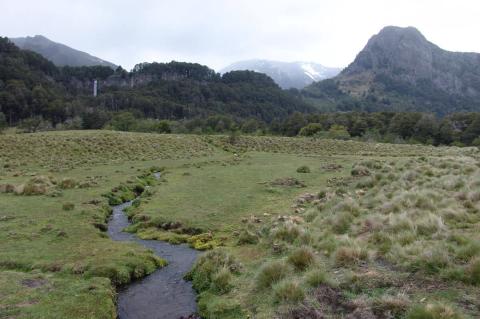
The Andino Norpatagónica Biosphere Reserve, located in the northwestern region of Patagonia, spans a vast area, covering parts of the Argentine provinces of Chubut, Río Negro, and Neuquén. This extraordinary reserve protects diverse ecosystems, from temperate forests to Patagonian steppe and snow-covered peaks, making it a haven for biodiversity. The reserve includes five national parks and several provincial and municipal protected areas, all of which contribute to the conservation of the unique landscapes and species of the Patagonian Andes.

Angel Falls and Canaima National Park: Venezuela’s Majestic Natural Wonders

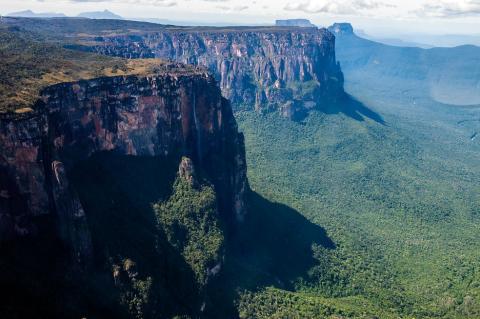
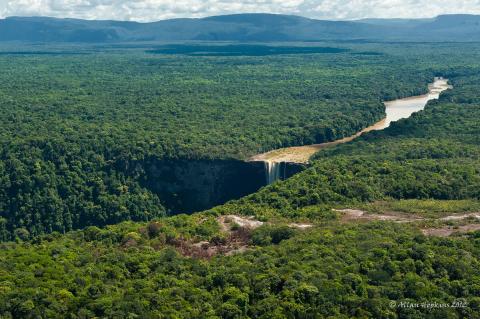
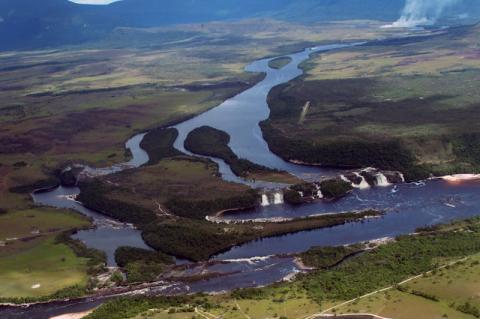
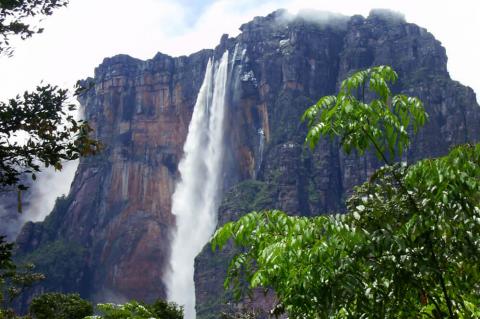
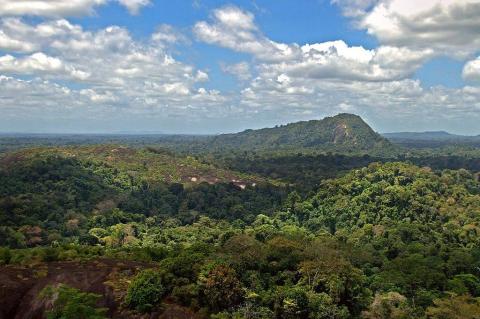
Angel Falls, known as Salto Ángel, is the world's tallest uninterrupted waterfall, plunging from the towering Auyán-tepui in the Canaima National Park, Venezuela. The falls create a dramatic spectacle as they spill into the deep Cañon del Diablo. This natural marvel, combined with the remarkable landscape of Canaima National Park, offers an unparalleled glimpse into Venezuela's unique geology, biodiversity, and indigenous cultures. Recognized by UNESCO, Angel Falls and Canaima National Park showcase the stunning natural beauty and ecological significance of the Guayanan Highlands.

Araguaia National Park: A Haven of Biodiversity and Indigenous Culture

In the southwestern part of Tocantins, Brazil, lies Bananal Island, the largest fluvial island in the world. Formed by the bifurcation of the Araguaia River, this unique landscape is a haven for biodiversity and cultural heritage. Sharing this remarkable environment is Araguaia National Park, a protected area that showcases the region's rich flora and fauna. Exploring their natural beauty, ecological significance, and cultural importance reveals the actual value of these extraordinary areas.

Arequipa: Unveiling the Legacy of Peru's White City

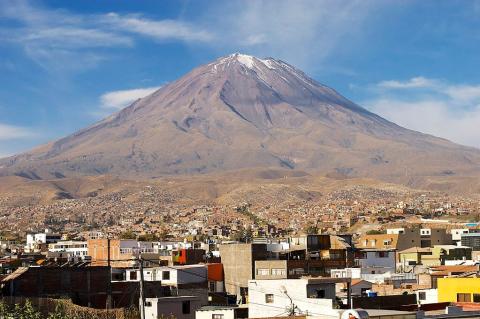
Located in southern Peru and nestled amidst the Andes Mountains, Arequipa represents the country's diverse history and cultural wealth. The city is called "The White City" due to its abundant use of volcanic stone in construction. It is a captivating fusion of European and indigenous influences, and its Historical Center, designated by UNESCO, is the heart of its charm. The Historical Center showcases centuries of architectural excellence and cultural customs.